Fernweh
    ExploreTravel GuidesMy Trips
    de|en
    About FernwehImprintFAQPrivacy Policy
    ExploreTravel GuidesMy Trips
    Fårö

    Fårö

    Point of Interest
    1. Home
    2. Destinations
    3. Sweden
    4. Gotland
    5. Fårö
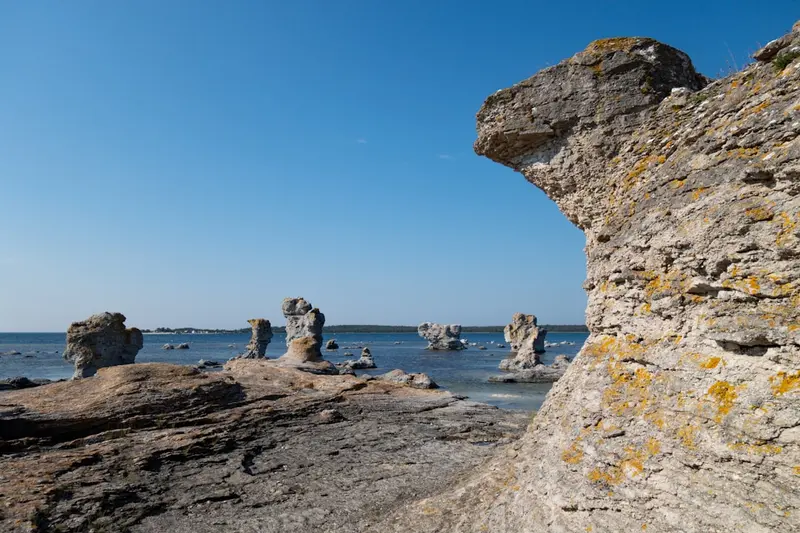
    The rugged yet picturesque island north of Gotland is famous for its unique Rauk formations (limestone pillars) and its deep connection to filmmaker Ingmar Bergman.

    Sehenswürdigkeiten

    Discover the most important sights and attractions

    1Rauk: "The Dog"

    The Rauk “The Dog” (Swedish: Hunden) is one of the most famous and striking limestone pillars on the Swedish island of Fårö. These impressive rock formations are the result of a geological process spanning millennia, during which the softer parts of the limestone were eroded by the constant action of wind and sea, while the harder cores remained standing as imposing pillars. “The Dog” owes its name to its distinctive shape, which with a little imagination resembles a sitting dog, making it a popular subject for photographers.When you visit this natural monument, you'll find a stark yet fascinating coastal landscape that prompts reflection on the forces of nature. The surroundings offer sweeping views over the Baltic Sea and are ideal for exploring Fårö's unique geology. A practical tip: To capture the best lighting for photos and avoid the biggest crowds, it's advisable to visit “The Dog” either early in the morning or late in the afternoon. Be sure to respect the sensitive flora and fauna of the coastal region and stay on the marked paths.
    Open in Google Maps

    2Windmill

    On the Swedish island of Fårö, you will encounter historic windmills that stand as silent witnesses to its agricultural past. These traditional wooden structures once served to grind grain and were essential for the self-sufficiency of the islanders. The windmills are often well-preserved and blend harmoniously into the sparse island landscape, making them a characteristic photo motif. They represent an authentic piece of rural cultural history that you can trace here. You can observe the external architecture of these functional structures in detail and gain insight into earlier island life. Our Tip: For the best photos, we recommend a visit in the early morning or late afternoon, when the light is especially soft and casts long shadows. This way, you also avoid the largest crowds of visitors and enjoy the island's tranquility.
    Open in Google Maps

    3Kirche von Fårö

    The **Church of Fårö**, located on the eponymous island north of Gotland, is a simple yet historically significant house of worship whose origins date back to the Middle Ages. You'll find here a typical Gotland stone church that blends harmoniously into the sparse landscape. The church is particularly known as the final resting place of world-renowned director Ingmar Bergman, who spent a large part of his life on Fårö and is buried here.Inside, a serene atmosphere awaits you, with simple wooden pews and sparse furnishings that reflect the island's modesty and authenticity. Look out for the well-preserved medieval frescoes, which despite their simplicity, offer a profound historical narrative. The separate wooden bell tower, a characteristic feature of many churches in the region, stands a little apart and contributes to the picturesque overall impression.Our Tip: Visit the church early in the morning or late in the afternoon to capture the special light and enjoy the tranquility of the place undisturbed. The adjacent cemetery also offers a moment for reflection and the opportunity to visit Bergman's grave. For photographers, the church with its surroundings and the sea in the background offers appealing subjects, especially outside of peak season.
    Open in Google Maps

    4Windmill

    On the Swedish island of Fårö, you will encounter historic windmills that stand as silent witnesses to its agricultural past. These traditional wooden structures once served to grind grain and were essential for the self-sufficiency of the islanders. The windmills are often well-preserved and blend harmoniously into the sparse island landscape, making them a characteristic photo motif. They represent an authentic piece of rural cultural history that you can trace here. You can observe the external architecture of these functional structures in detail and gain insight into earlier island life. Our Tip: For the best photos, we recommend a visit in the early morning or late afternoon, when the light is especially soft and casts long shadows. This way, you also avoid the largest crowds of visitors and enjoy the island's tranquility.
    Open in Google Maps

    Essen & Trinken

    Accommodations in Fårö

    Accommodations in Fårö

    Find perfect stay in Fårö

    Booking.com
    Search Hotels
    Agoda
    Search Hotels
    Airbnb
    Vacation Rentals
    Hotels.com
    Hotels Worldwide
    Hostelworld
    Hostels

    Campgrounds in Fårö

    Find perfect campground in Fårö

    Search via Google Maps
    Campgrounds nearby (15km)
    Camping.info
    Find Campgrounds
    Park4Night
    RV Parks & Camping

    Locations nearby

    These places are nearby — perfect for additional days or a day trip.

    Lummelundagrottan

    Lummelundagrottan

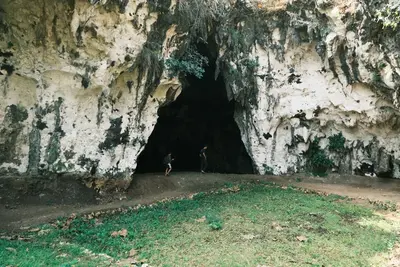
    This fascinating cave system in northern Gotland is among Sweden's largest and offers guided tours through its impressive stalagmites, stalactites, and underground lakes.
    Gotland

    Gotland

    Gotland, Sweden's largest island and a pearl of the Baltic Sea, entices with a unique blend of medieval heritage, rugged natural beauty, and a vibrant cultural scene. As a UNESCO World Heritage site, the island is primarily known for its capital Visby, which enchants with its imposing city wall and cobbled alleys, while the landscape is characterized by spectacular sea stacks and picturesque coastlines.
    Visby

    Visby

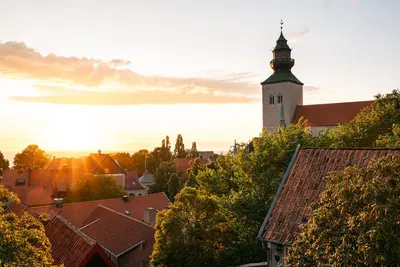
    Visby is a UNESCO World Heritage city and one of Scandinavia's best-preserved medieval towns. Its impressive ring wall, enclosing the old town, testifies to Visby's rich Hanseatic era. You can stroll through cobbled alleys and explore numerous church ruins like St. Karin and St. Nicolai, which give the city its nickname "City of Roses and Ruins". Visit the Botanical Garden (DBW's botaniska trädgård) for a green oasis amidst historic buildings. A walk along the entire city wall offers authentic perspectives of the cityscape. The summer months are ideal for the rose bloom, but even outside peak season, Visby offers a charming, quieter atmosphere.
    Utö

    Utö

    Utö is a larger island in the southern archipelago, known for its long mining history, extensive sandy beaches, and the opportunity to cycle through picturesque landscapes.
    Nåttarö

    Nåttarö

    Nåttarö, a pearl in the southern Stockholm Archipelago, invites you to discover the unique combination of rugged island nature and surprisingly fine sandy beaches. This island is a true natural paradise that will enchant you with pine forests, cliffs, and perhaps the most beautiful bathing spots in the region, offering you a perfect escape from everyday life.