Fernweh: Home
    ExploreTravel GuidesPlan a tripMy tripLast visited
    de|en
    All Places & RegionsAll highlightsAbout FernwehFAQPrivacy PolicyImprint
    ExploreTravel GuidesPlan a tripMy tripLast visited
    • Overview
    • Places in the region
    • Eat & drink
    • Culture
    • Nearby
    Gotland

    Sweden

    Gotland

    RegionBeach

    Gotland, at around 2,994 km², is Sweden's largest island and lies in the middle of the Baltic Sea. Its capital, Visby, a Hanseatic city and UNESCO World Heritage site since 1995, boasts a ring wall preserved for around 3.4 km.

    by Felix Gillen

    1. Home
    2. Destinations
    3. Sweden
    4. Gotland
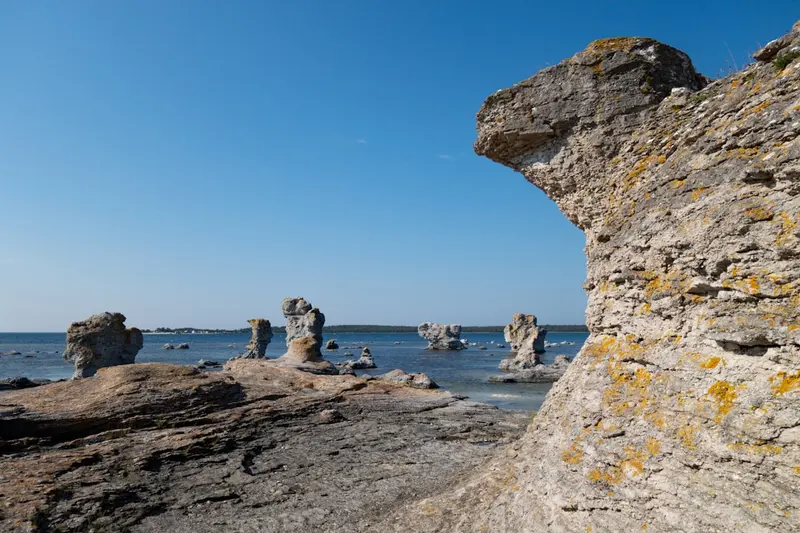
    Gotland, at around 2,994 km², is Sweden's largest island and lies in the middle of the Baltic Sea. Its capital, Visby, a Hanseatic city and UNESCO World Heritage site since 1995, boasts a ring wall preserved for around 3.4 km. Out on the island, 94 medieval country churches, limestone pillars (Raukar), and long coastal sections shape the scene.
    Gotland, Sweden's largest island, combines medieval heritage and rugged coast. In Visby, a UNESCO World Heritage site since 1995, a nearly intact city wall encircles its old town, featuring church ruins and Hanseatic alleys. The coast is shaped by Raukar, striking at Langhammars and Digerhuvud on Fårö, accessible by free car ferry in about six minutes. Across the island, 94 medieval churches stand, most still active. Outside Visby, a rental car or bicycle is best. Early and late summer are quieter than Swedish holiday weeks.
    Fårö

    Place 1 of 3

    Fårö

    Fårö lies north of Gotland, separated by the narrow Fårösund, which a free car ferry crosses in about six minutes.

    Discover
    Lummelundagrottan

    Place 2 of 3

    Lummelundagrottan

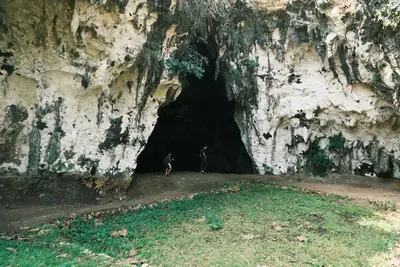
    The Lummelundagrottan is located approximately 11 to 13 km north of Visby on Road 149. With nearly 4.5 km of explored passages, it is one of Sweden's longest caves.

    Discover
    Visby

    Place 3 of 3

    Visby

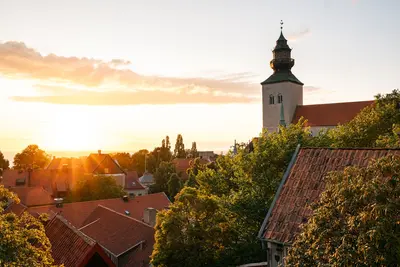
    Visby, Gotland's capital, became a UNESCO World Heritage site in 1995 as a Hanseatic city. Around 3.4 km of its 13th and 14th-century ring wall are preserved, along with 27 large wall towers.

    Discover

    Sights in Gotland

    Discover the most important sights and attractions

    Hoburgsgubben
    Attraction

    Hoburgsgubben

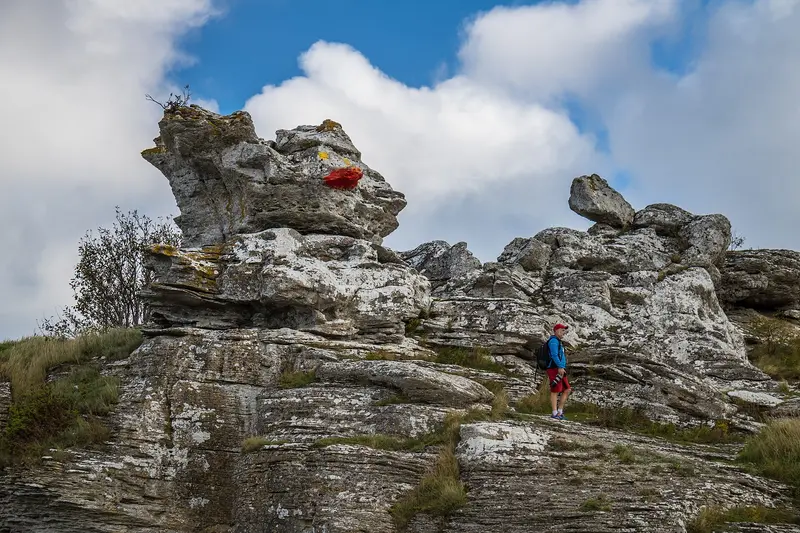
    Hoburgsgubben is one of Gotland's most famous raukar, a sea-sculpted limestone pillar resembling a face. It stands in the Hoburgen rauk area on the Storsudret peninsula, at the island's southern tip. To its south lies the Hoburgs bank bird sanctuary; even an asteroid is named after the 'Old Man of Hoburgen'.
    Open in Google Maps
    Rome Abbey
    Place of Worship

    Rome Abbey

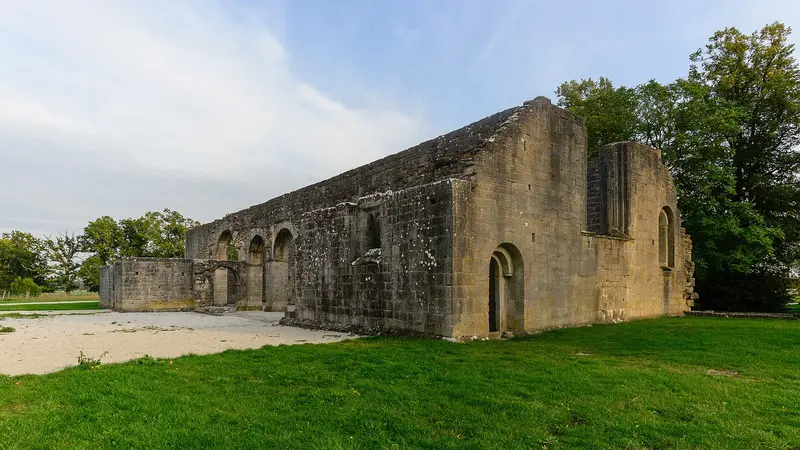
    The Cistercian monastery Roma, in the centre of Gotland, was founded in 1164 by monks from Nydala Abbey in Småland and dissolved around 1531 during the Reformation. A ruin of the monastery church remains, next to which stands the 18th-century manor house Roma kungsgård. Since 1989, the Roma Teater has performed theatre in summer among the ruins.
    Open in Google Maps
    Torsburgen
    Historic Landmark

    Torsburgen

    The Torsburgen, the "Castle of Thor," is a prehistoric refuge fort situated on a plateau mountain in the parish of Kräklingbo in eastern Gotland, not far from Ljugarn. Walls and steep slopes together enclose almost two kilometers, with the wall in the south and southwest alone measuring around 1.5 kilometers in length. The complex was established in the first centuries AD and remained in use until the High Middle Ages.
    Open in Google Maps

    Essen & Trinken

    Bakfickan

    Restaurant in Stora torget 1.
    Show on Google Maps

    Familjen Jessens Saluhall & bar

    Bar in Hästgatan 19.
    Show on Google Maps

    Crêperie & Logi

    Restaurant in Wallers Plats 3.
    Show on Google Maps

    Värdshuset Lindgården

    8 einfach eingerichtete Zimmer in einem einladenden Gasthaus mit Restaurant, Garten und kostenlosem WLAN.
    Show on Google Maps

    Eden Tapas & bar

    Restaurant in Södra Kyrkogatan 14.
    Show on Google Maps

    Culture and History

    Vikings and Picture StonesEven in the Viking Age, Gotland was an important trading hub in the Baltic Sea. This is evidenced by the decorated picture stones, such as those from Stora Hammars and Tängelgårda, and numerous silver hoard finds.Hanseatic Period and Country ChurchesFrom the 12th to the 14th century, Visby was a center for Hanseatic trade in the Baltic Sea. The city wall was built in several stages during the 13th and 14th centuries. In 1398, the Teutonic Order conquered the island and sold it to Queen Margaret in 1409. With the Peace of Brömsebro in 1645, Gotland definitively became part of Sweden. Also dating from the Middle Ages are the 94 country churches that still shape the appearance of the villages today.

    Nearby

    Visby

    Visby

    Visby, Gotland's capital, became a UNESCO World Heritage site in 1995 as a Hanseatic city. Around 3.4 km of its 13th and 14th-century ring wall are preserved, along with 27 large wall towers. Numerous church ruins, like St. Karin and St. Nicolai, stand in the old town's alleys, earning the city the nickname, City of Roses and Ruins. The Botanical Garden (DBW:s botaniska trädgård) offers a green pause among the historic buildings. Roses bloom in summer; off-season, it is considerably quieter.
    Lummelundagrottan

    Lummelundagrottan

    The Lummelundagrottan is located approximately 11 to 13 km north of Visby on Road 149. With nearly 4.5 km of explored passages, it is one of Sweden's longest caves. Linné knew the front part as early as 1741; the inner passages were explored by youths from 1948. In summer, tours lead through the outer part with numerous dripstone formations. Tickets are available online and at the ticket office in the entrance building; online booking is recommended during peak season.
    Fårö

    Fårö

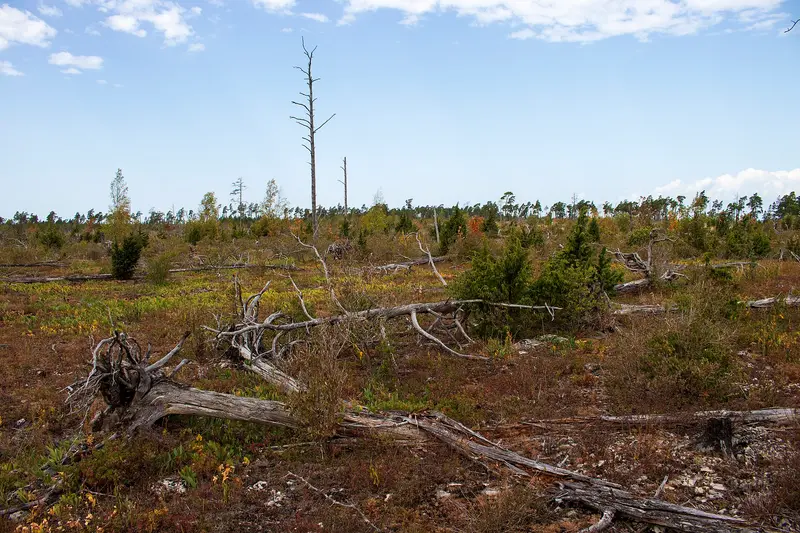
    Fårö lies north of Gotland, separated by the narrow Fårösund, which a free car ferry crosses in about six minutes. The barren island with around 500 inhabitants is known for its raukar, especially at Langhammars and Digerhuvud, and for director Ingmar Bergman, who lived, filmed, and is buried here.
    Öland

    Öland

    Öland is Sweden's second-largest island after Gotland, located off Kalmar in the Baltic Sea. The island is flat and elongated, featuring open limestone plains, windmills, stone walls, and sandy beaches. The agricultural landscape in the south is a UNESCO World Heritage site.
    Nåttarö

    Nåttarö

    Nåttarö, located in the southern Stockholm archipelago, is about 30 boat minutes from Nynäshamn and is protected as a nature reserve. The island is almost entirely covered by pine forest, and on the east side, Stora Sand offers one of the archipelago's longest sandy beaches with large dunes. Additionally, there are bathing rocks, car-free gravel paths, and trails for walks.

    Sources & method

    • Photos: Wikimedia Commons, Unsplash. Each photo carries its credit.
    • Place data such as addresses and ratings comes from Google Maps.
    • The content is based on web research from public, traceable sources. How the content is made · The role of AI