Fernweh
    ExploreTravel GuidesMy Trips
    de|en
    About FernwehImprintFAQPrivacy Policy
    ExploreTravel GuidesMy Trips
    Almagro

    Almagro

    CityCulture
    1. Home
    2. Destinations
    3. Spain
    4. Castilla-La Mancha
    5. Almagro
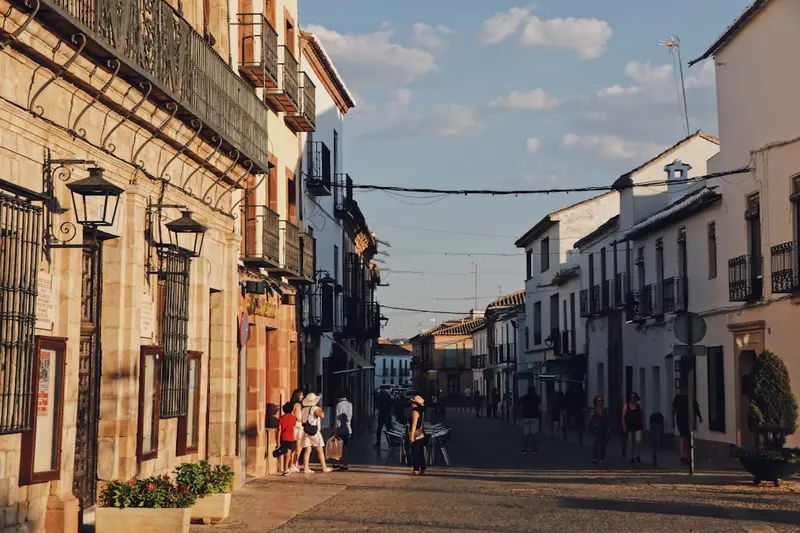
    Almagro, a historic town in the Castile-La Mancha region, captivates with its unique charm and well-preserved cultural heritage. At the heart of the town lies the impressive Plaza Mayor, a rectangular square with arcades and green wooden galleries, inviting visitors to linger. An absolute highlight is the 17th-century Corral de Comedias, the only largely original Golden Age theatre still used for performances today. You'll also find the National Theatre Museum and the magnificent Palacio de los Fúcares, formerly the residence of the German Fugger family. The town is also renowned for its traditional lace-making. Ideally, visit Almagro during the International Classical Theatre Festival in July to experience its vibrant cultural scene firsthand.
    • Neighborhoods & highlights
    • Walking tours
    • Eat & drink
    • Culture
    • Getting around
    • Accommodation
    • Plan trip
    • Nearby
    • Neighborhoods & highlights
    • Walking tours
    • Eat & drink
    • Culture
    • Getting around
    • Accommodation
    • Plan trip
    • Nearby

    Overview

    Almagro in Castile-La Mancha is renowned for its exceptionally well-preserved cultural heritage. The Plaza Mayor, with its arcades and wooden galleries, forms the heart of the city. A highlight is the Corral de Comedias, the only original Siglo de Oro theatre still in use. Also visit the National Theatre Museum and the Palacio de los Fúcares, the former Fugger residence. The city is also known for its traditional lace-making. The International Festival of Classical Theatre in July offers a vibrant cultural experience.

    Places in Almagro

    Discover the most important sights and attractions

    Sights in Almagro

    Marathon of Almagro

    The Maratón de Almagro is an annual sporting event that transforms the town into a vibrant hub of athletics. This marathon is not only a test of endurance for participants but also a significant community experience that attracts locals and visitors alike. The route takes you through the picturesque landscape surrounding Almagro and along the town's historic streets, past important landmarks such as the famous Plaza Mayor. It’s an excellent opportunity to get to know the region from a dynamic perspective and experience the support of the spectators. Our Tip: Plan your visit for autumn, as the marathon traditionally takes place during this season and temperatures are more pleasant for runners and spectators. For the best view of the action and the festive atmosphere, position yourself along the finish line near the Plaza Mayor or on one of the sections that lead through the old town. Here, you'll feel the energy of the runners and the enthusiasm of the crowd most intensely.
    Open in Google Maps

    Monument to the victims of terrorism

    The Monumento a las víctimas del terrorismo in Almagro is a central place of remembrance. It honors the victims of terrorist attacks and serves as a reminder against violence and for peace. Here you'll find a simple yet striking sculpture that invites quiet reflection. The monument's design is deliberately minimalist to underscore the seriousness of the subject. It is a place that keeps alive the collective memory of tragic events and emphasizes the importance of solidarity. Our tip: Deliberately take a moment of quiet here to grasp the monument's deeper meaning. It's not a typical tourist magnet, but a place for contemplation, best visited in the early morning or late afternoon when fewer people are around.
    Open in Google Maps

    Palace of the Marquesses of Torremejia

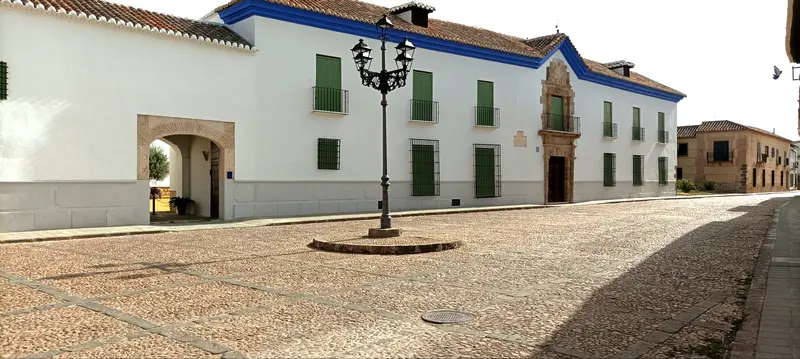
    The Palacio de los Marqueses de Torremejía is an outstanding example of civil Renaissance architecture in Almagro, testifying to the former wealth of the nobility in this region. You'll find it not far from the famous Plaza Mayor, making it an integral part of any historical city tour. Built in the 16th century, the building captivates with its elegant facade, featuring meticulously crafted stonework and the Marqueses' coat of arms. Particularly noteworthy is the inner courtyard, a typical element of Castilian palaces, which can often only be glimpsed from outside through the gate. It offers a glimpse into the private living space of the elite of that era. Our tip: Pay attention to the fine details of the window frames and balconies, which reflect the high craftsmanship of the period. The best time to visit the palace is in the morning, when the light is ideal for photographing its architectural subtleties and the streets are still quieter, before the main tourist crowds arrive.
    Open in Google Maps

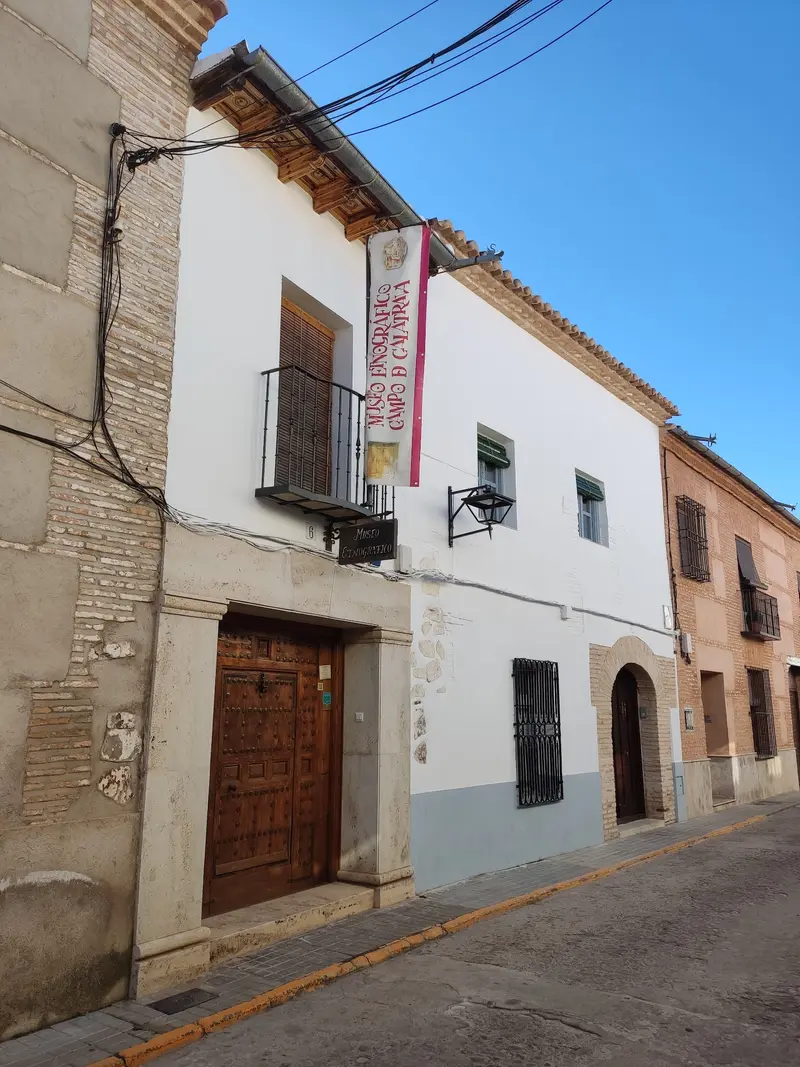
    Ethnographic Museum Campo de Calatrava.

    The Museo Etnográfico Campo de Calatrava in Almagro offers you a deep insight into the traditional life and culture of the Campo de Calatrava region. Here you will find a comprehensive collection of objects that document the rural heritage, craftsmanship, and agricultural practices of the past. The exhibitions include traditional tools, household items, traditional costumes, and examples of local crafts such as Almagro's famous bobbin lace. It's an excellent opportunity to understand the development of society and economy in this specific region. The presentation is pedagogically designed and conveys an authentic picture of life before industrialization. Our Tip: Plan your visit in the morning to study the exhibits at your leisure. Pay special attention to the detailed reconstructions of workshops, which give you a vivid impression of the working world of that time.
    Open in Google Maps

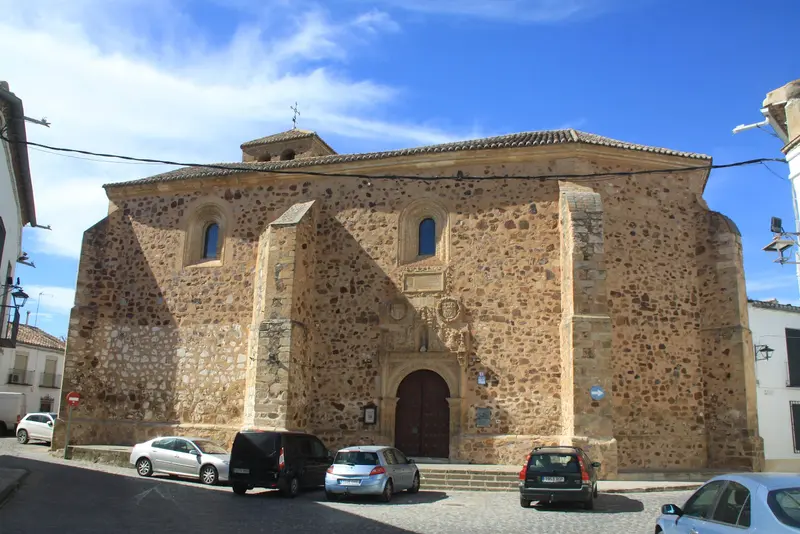
    Church of San Blas

    The Iglesia de San Blas in Almagro is a remarkable example of the region's religious architecture, offering insight into local history. Originally built in the 16th century, it underwent several transformations over the centuries, with the most significant changes occurring in the 18th century, lending it a distinct Baroque character. Here you'll find a single-nave church with side chapels, each housing its own small altars and religious artworks. Particularly noteworthy is the main altar, whose detailed carvings and polychrome figures reflect the artistic craftsmanship of the era.Upon entering the church, you'll feel the serene, reverent atmosphere typical of this type of parish church. It still serves as an active parish church today and is an important meeting point for the residents of Almagro. Pay attention to the fine details in the chapels and the way light streams through the windows, illuminating the artworks in a special manner. Our tip: Visit the church in the morning when the light is ideal for photographing the interiors. As the church is still actively used, inquire about service times beforehand to plan your visit outside these hours and fully enjoy the tranquility. It's located just a few minutes' walk from the Plaza Mayor and can be easily integrated into a tour of the old town.
    Open in Google Maps

    City walks in Almagro

    Curated walking tours through the city's highlights — handpicked by experienced travel journalists.

    Almagros Historische Perle: Ein Spaziergang durch das Goldene Zeitalter

    Entdecken Sie die Schönheit von Almagro, der ehemaligen Hauptstadt des Calatrava-Ordens, auf einem zweistündigen Rundgang. Von der einzigartigen Plaza Mayor bis zu den prächtigen Klöstern tauchen Sie ein in die reiche Geschichte und das kulturelle Erbe dieser charmanten Stadt in La Mancha.

    ~2 Std.
    In Google Maps öffnen
    Stopps (7)

    Food and Drink

    Almagro's Cultural Heritage and Golden Age

    Almagro, a town of historical significance in Castile-La Mancha, is deeply rooted in its past, stretching back to Roman times. However, its heyday was during the Siglo de Oro, Spain's Golden Age, when it became an important center for the Order of Calatrava and later home to noble families and merchants. This era profoundly shaped the townscape with magnificent Renaissance and Baroque architecture.The unique Plaza Mayor, with its green columns and arcades, is the heart of Almagro and an outstanding example of Castilian urban planning. Immediately adjacent is the Corral de Comedias, a perfectly preserved courtyard theatre from 1628 that is still in use today. It is the only one of its kind worldwide still existing in its original form, testifying to the rich theatrical culture of that era.Traditions play a significant role in Almagro. Each year, it hosts the renowned International Festival of Classical Theatre, filling the city's stages, especially the Corral de Comedias, with world-class performances. Crafts, particularly fine bobbin lace (Encaje de Bolillos), are also a vibrant part of the local culture and are cultivated in specialized workshops.

    How to Get Around

    Almagro, with its picturesque and historically rich town center, is perfectly suited for exploration on foot. The city's compact size makes walking the ideal mode of transport to leisurely discover its magnificent squares, winding alleys, and architectural gems.You won't find a metro or tram here, but a local bus system connects the most important points outside the center and also provides connections to surrounding areas. For specific trips, especially in the evenings or for excursions into the wider region, taxi services are available; pre-booking is often advisable, as ride-sharing services are less widespread. Active travelers can rent bicycles or e-scooters to explore the idyllic landscape of La Mancha. Make sure to pack comfortable footwear to fully enjoy Almagro without restrictions and personally experience its charming atmosphere.

    Accommodations in Almagro

    Accommodations in Almagro

    Find perfect stay in Almagro

    Booking.com
    Search Hotels
    Agoda
    Search Hotels
    Airbnb
    Vacation Rentals
    Hotels.com
    Hotels Worldwide
    Hostelworld
    Hostels

    Campgrounds in Almagro

    Find perfect campground in Almagro

    Search via Google Maps
    Campgrounds nearby (15km)
    Camping.info
    Find Campgrounds
    Park4Night
    RV Parks & Camping

    Plan your trip to Almagro

    Save places, build a route and plan your city trip — all in one place.

    Save places

    Bookmark sights, restaurants and neighborhoods you're interested in.

    Build your route

    Turn your bookmarks into a route — define order, days and budget.

    Refine with AI

    Let Mein Fernweh suggest experiences and put together a tailored daily plan.

    Start trip planningOpen bookmarks

    Locations nearby

    These places are nearby — perfect for additional days or a day trip.

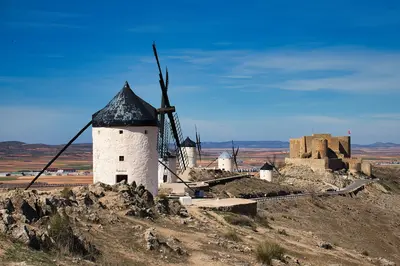
    Consuegra

    Consuegra

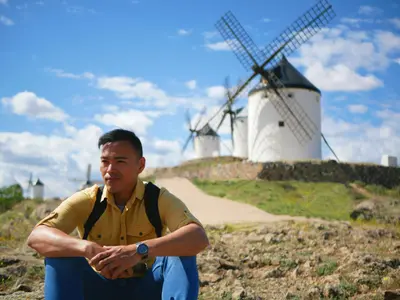
    The hills of Consuegra are dotted with an iconic row of windmills and a castle that seem to come straight from Cervantes' 'Don Quijote'.
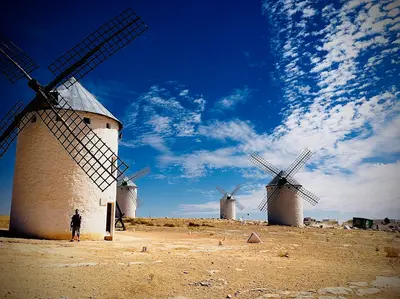
    Campo de Criptana

    Campo de Criptana

    Welcome to Campo de Criptana, the heart of wind-swept Mancha, where time seems to stand still and the legendary windmills majestically tower over the landscape. Here, in this picturesque village in Castile-La Mancha, you immerse yourself in the world of Don Quijote and experience an authentic Spanish atmosphere that invites you to dream and explore. Let yourself be enchanted by the historic setting that already inspired Cervantes, and enjoy the tranquility and beauty of this unique region.
    Castilla-La Mancha

    Castilla-La Mancha

    Castilla-La Mancha, das Herz Spaniens, entführt Reisende in die legendäre Welt Don Quijotes. Diese weitläufige Region verzaubert mit ihren ikonischen Windmühlen, historischen Städten voller UNESCO-Welterbestätten und einer tief verwurzelten Kultur, die sich in ihrer Gastronomie und Architektur widerspiegelt. Entdecken Sie eine Landschaft von zeitloser Schönheit, die zu Entdeckungen jenseits der ausgetretenen Pfade einlädt.
    Toledo

    Toledo

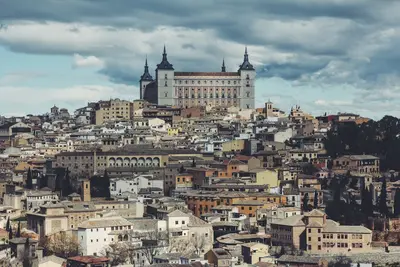
    The former Spanish capital is a UNESCO World Heritage city, known as the 'City of Three Cultures', with an impressive cathedral, synagogues, and mosques.
    Aranjuez

    Aranjuez

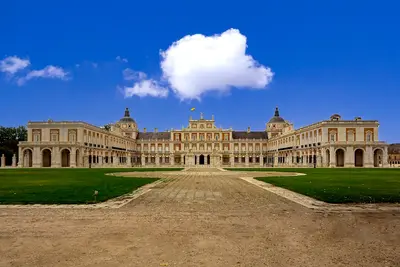
    Aranjuez, south of Madrid, is a UNESCO Cultural Landscape brimming with royal splendor and expansive gardens. Visit the Palacio Real de Aranjuez, summer residence of the Bourbons, with its opulent halls. The gardens, such as the Jardín del Príncipe, invite you to stroll amidst fountains and sculptures. At the Museo de las Falúas Reales, you'll see royal barges from the Tagus River. Visit Aranjuez in spring or autumn; explore the grounds on foot or by bike for the best experience.