Fernweh
    ExploreTravel GuidesMy Trips
    de|en
    About FernwehImprintFAQPrivacy Policy
    ExploreTravel GuidesMy Trips
    Aranjuez

    Aranjuez

    CityCulture
    1. Home
    2. Destinations
    3. Spain
    4. Comunidad de Madrid
    5. Aranjuez
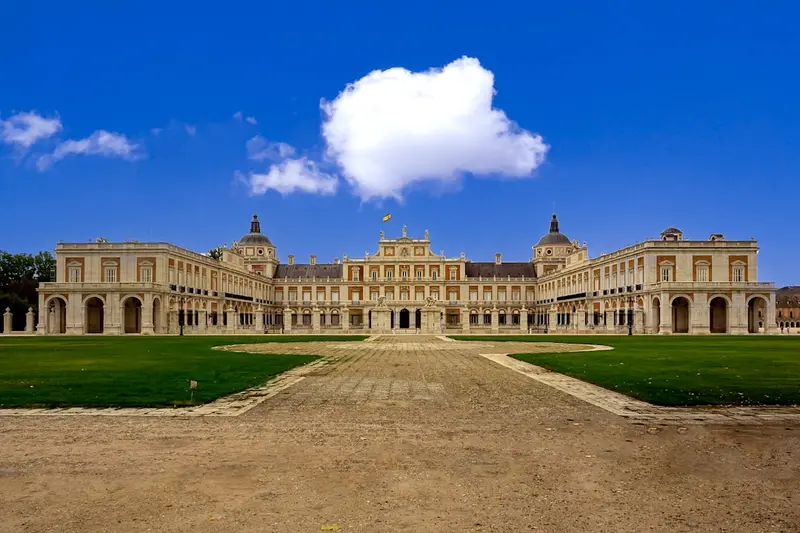
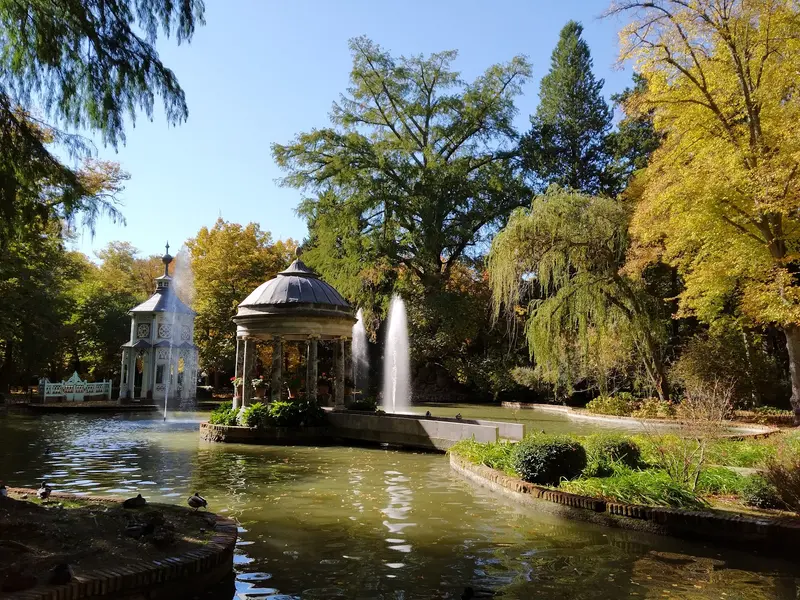
    Aranjuez, south of Madrid, is a UNESCO Cultural Landscape brimming with royal splendor and expansive gardens. Visit the Palacio Real de Aranjuez, summer residence of the Bourbons, with its opulent halls. The gardens, such as the Jardín del Príncipe, invite you to stroll amidst fountains and sculptures. At the Museo de las Falúas Reales, you'll see royal barges from the Tagus River. Visit Aranjuez in spring or autumn; explore the grounds on foot or by bike for the best experience.
    • Neighborhoods & highlights
    • Walking tours
    • Eat & drink
    • Culture
    • Getting around
    • Accommodation
    • Plan trip
    • Nearby
    • Neighborhoods & highlights
    • Walking tours
    • Eat & drink
    • Culture
    • Getting around
    • Accommodation
    • Plan trip
    • Nearby

    Overview

    Aranjuez, eine UNESCO-Kulturlandschaft südlich von Madrid, war die königliche Sommerresidenz der Bourbonen. Du besichtigst den Palacio Real de Aranjuez, dessen opulente Säle die Hofgeschichte Spaniens erzählen.Die weitläufigen barocken Gärten, darunter der Jardín del Príncipe, laden mit Brunnen und Skulpturen zum Flanieren ein. Am Tajo-Ufer entdeckst du im Museo de las Falúas Reales die einzigartige Sammlung königlicher Barkassen.Diese ruhige Anlage erkundest du am besten im Frühling oder Herbst zu Fuß oder per Fahrrad für ein umfassendes Erlebnis.

    Places in Aranjuez

    Discover the most important sights and attractions
    Sights in Aranjuez

    Palacio Real

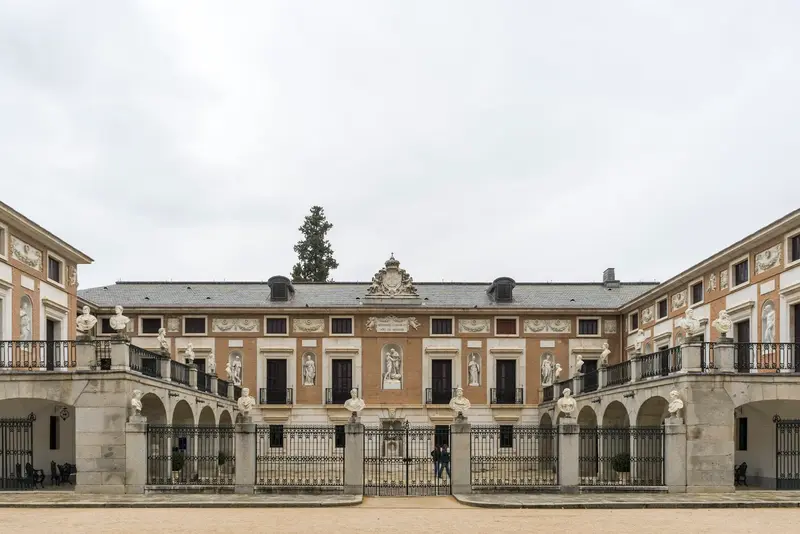
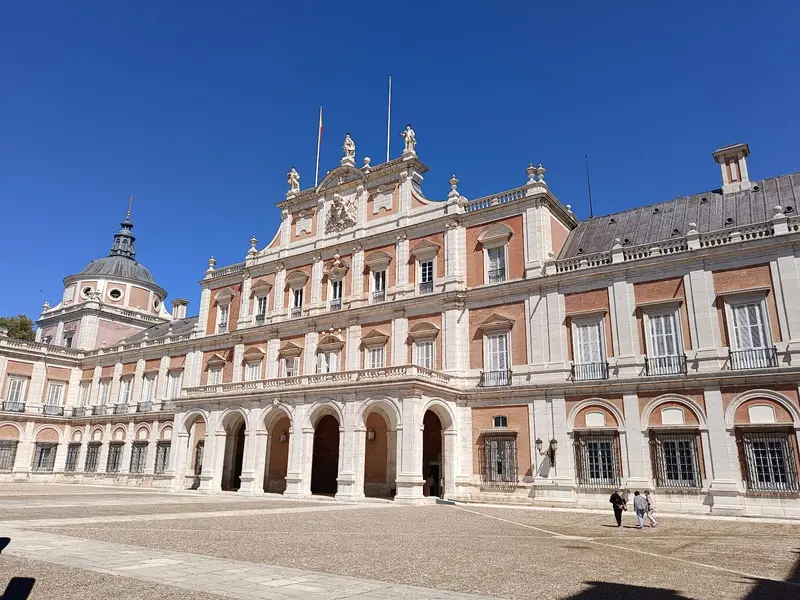
    The Palacio Real in Aranjuez served the Spanish Bourbon monarchs as a spring residence and is a central part of Aranjuez's cultural landscape, a UNESCO World Heritage site. Here, you'll find an impressive collection of opulent rooms, showcasing diverse royal tastes. Highlights include the Salón del Trono, the intricately designed Salón de Porcelana with its unique Rococo decoration, and the elegant Salón de Espejos. Its architecture blends Baroque and Neoclassical elements. The extensive Jardines de Aranjuez, with their fountains, statues, and diverse flora, are also well worth an extended visit. Our Tip: To avoid peak crowds, a visit late weekday mornings is recommended. For a unique photo, view the palace from the Tajo's opposite bank.
    Open in Google Maps

    Garden of the Island

    The Jardín de la Isla in Aranjuez, located on a natural island in the Tajo River, is an outstanding example of Spanish Renaissance garden art. Created under Philip II in the 16th century, it reflects the influence of Italian garden architecture. Here you will find a carefully planned layout with geometric parterres, shady tree-lined avenues, and a multitude of fountains and sculptures. Particularly impressive are the Fuente de Hércules and the Fuente de Baco, which depict mythological scenes and served for royal recreation. The garden offers a tranquil atmosphere away from the Royal Palace and invites extended strolls. For the best photos of the fountains and river landscape, a morning visit is recommended, when the light is softer and visitor numbers are still lower. Allow ample time to enjoy the details of the sculptures and the tranquility of the grounds.
    Open in Google Maps

    Fuente de la Mariblanca

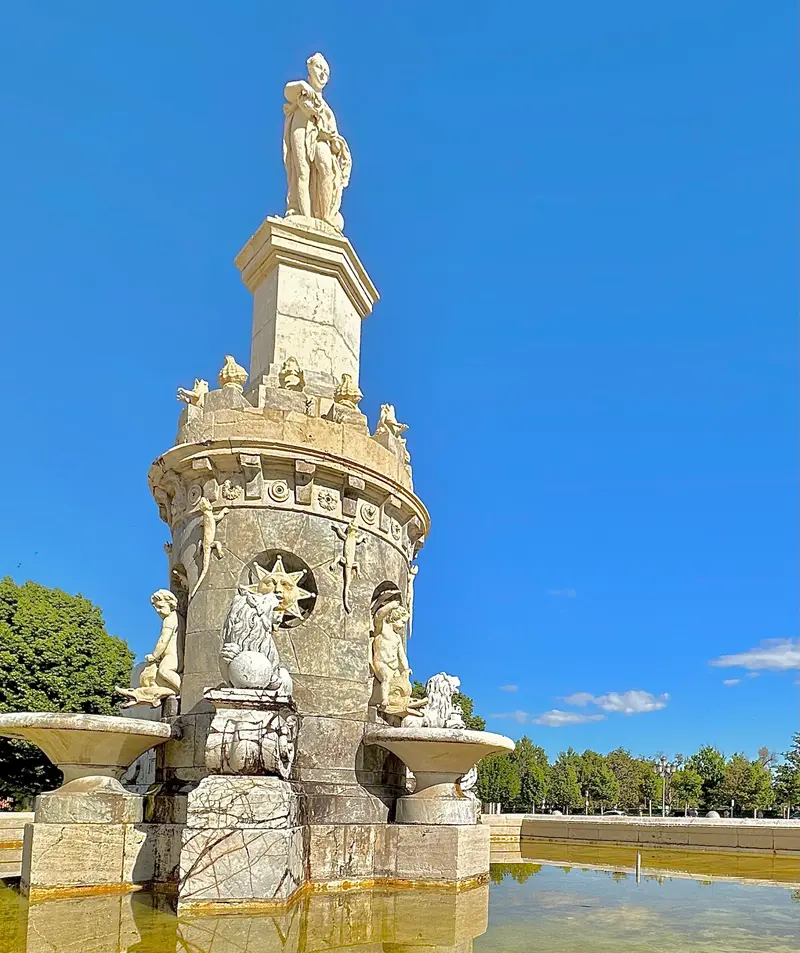
    The Fuente de la Mariblanca is an outstanding example of Renaissance fountain art in the gardens of Aranjuez. You'll find it in the Jardín de la Isla, one of the most magnificent areas of the royal grounds. Originally created under the rule of Philip II and III in the late 16th and early 17th centuries, it was designed by Juan Bautista de Monegro and executed by Bartolomé Zumbigo. The central figure, a female deity made of white marble, often interpreted as Venus or Diana, gives the fountain its name "Mariblanca". It is surrounded by other mythological figures and putti, reflecting the classical ideal of the era. This fountain symbolizes the aesthetic aspirations and power of the Spanish monarchy. Our Tip: It's best to visit the fountain in the morning when the light is soft and the gardens are not yet crowded. This allows you to quietly admire the fine details of the sculptures and enjoy the peaceful atmosphere. Plan enough time to also explore the surrounding areas of the Jardín de la Isla.
    Open in Google Maps

    Jardín del Parterre

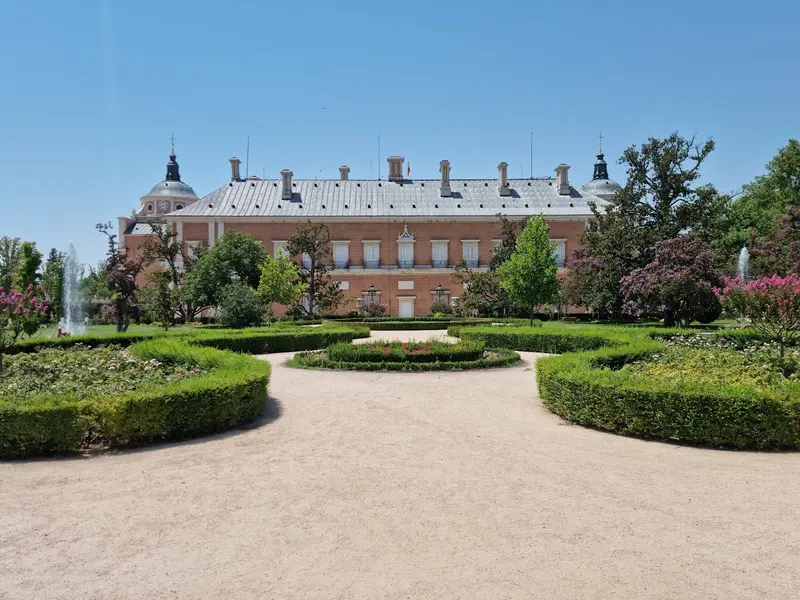
    The Jardín del Parterre in Aranjuez is an outstanding example of Baroque garden art in Spain. It was laid out in the early 18th century under Philip V and reflects the French influence that was fashionable at the time. Here you will find impressive symmetry with elaborate flowerbeds, known as Parterres, as well as magnificent fountains and sculptures. Particularly noteworthy are the Fuente de Hércules y Anteo and the Fuente de las Harpías, which depict mythological scenes and utilize water as a central design element. This garden is an integral part of the Royal Palace of Aranjuez, which is a UNESCO World Heritage site, and offers you an insight into the royal horticultural art of the Bourbons. The geometric arrangement of paths and beds creates a serene and majestic atmosphere, inviting you to stroll. Our Tip: Visit the garden in spring when the flowers are in full bloom, or early in the morning to enjoy the special tranquility and soft light for photos. Avoid midday in summer, as the sun can be very intense then.
    Open in Google Maps

    Casa del Labrador

    The Casa del Labrador, a Neoclassical jewel in Aranjuez, was built in the late 18th century under Charles IV as a royal pleasure palace. It served as a private retreat, reflecting the opulent taste of the monarchy of its time. Here you'll find an impressive collection of artworks, including paintings, sculptures, and exquisite furniture that adorn the rooms. The interior boasts extraordinary richness, with silk wallpapers, marble floors, and gilded stucco work, creating a magnificent atmosphere. Particularly noteworthy are the Mirror Room and the Billiard Room, which illustrate the royal family's lifestyle at the time. Although its name suggests "farmhouse," it is in truth a palace of immense luxury and intricate detail. Our tip: It's best to visit the Casa del Labrador on weekday mornings to avoid the largest crowds and admire the details in peace. For stunning exterior shots, the view from the adjacent Jardín del Príncipe is perfect, highlighting the building's elegance.
    Open in Google Maps

    City walks in Aranjuez

    Curated walking tours through the city's highlights — handpicked by experienced travel journalists.

    Aranjuez: Bürgerliches Leben und die Stadt am Fluss

    Dieser Spaziergang führt Sie abseits der bekannten königlichen Anlagen und Gärten durch das authentische Aranjuez. Entdecken Sie das bürgerliche Leben der Stadt, ihre lokalen Märkte und die weniger bekannten Ufer des Tajo-Flusses, um eine andere Facette dieser historischen Stadt kennenzulernen.

    ~1 Std. 40 Min.
    In Google Maps öffnen
    Stopps (7)

    Essen & Trinken

    Aranjuez: Royal History and the Art of Gardening

    Aranjuez, located south of Madrid, is an outstanding example of Spanish history and garden art. Its origins as a royal summer residence date back to the 16th century, when Philip II commissioned the construction of the Royal Palace and the design of the surrounding gardens. This complex flourished under the Bourbons in the 18th century and was declared a UNESCO World Heritage site in 2001.The architecture of the Royal Palace of Aranjuez combines elements of Baroque and Neoclassicism. It is surrounded by extensive gardens such as the Parterre Garden and the Prince's Garden, which incorporate French and English stylistic elements, forming a unique ensemble. Historically, Aranjuez is also significant for the "Treaty of Aranjuez," signed here on multiple occasions. Culturally influential is the long tradition of strawberry cultivation, celebrated to this day, as well as the deep connection to Joaquín Rodrigo's famous "Concierto de Aranjuez," which musically captures the beauty of the royal landscape.

    Exploring locally

    Aranjuez invites exploration primarily on foot. The historic center, with the Royal Palace and its impressive gardens, is extremely pedestrian-friendly, allowing easy access to many attractions. For longer distances or to circle the expansive royal grounds, bicycles and e-scooters are available for rent at various locations.Arrival from Madrid is ideally by taking the Cercanías-Linie C3, which offers good connections, with tickets available directly at the station. Within the city, local bus lines provide transport; single tickets can be purchased directly from the driver, and special multi-journey cards are often not necessary for shorter stays. Taxis are available, and ride-sharing services like Uber or Cabify are another option, though less common than in major cities.A special highlight is the seasonal Tren de la Fresa, the historic Strawberry Train, which operates between Madrid and Aranjuez, combining charming travel with a cultural experience.

    Accommodations in Aranjuez

    Accommodations in Aranjuez

    Find perfect stay in Aranjuez

    Booking.com
    Search Hotels
    Agoda
    Search Hotels
    Airbnb
    Vacation Rentals
    Hotels.com
    Hotels Worldwide
    Hostelworld
    Hostels

    Campgrounds in Aranjuez

    Find perfect campground in Aranjuez

    Search via Google Maps
    Campgrounds nearby (15km)
    Camping.info
    Find Campgrounds
    Park4Night
    RV Parks & Camping

    Plan your trip to Aranjuez

    Save places, build a route and plan your city trip — all in one place.

    Save places

    Bookmark sights, restaurants and neighborhoods you're interested in.

    Build your route

    Turn your bookmarks into a route — define order, days and budget.

    Refine with AI

    Let Mein Fernweh suggest experiences and put together a tailored daily plan.

    Start trip planningOpen bookmarks

    Locations nearby

    These places are nearby — perfect for additional days or a day trip.

    Castilla-La Mancha

    Castilla-La Mancha

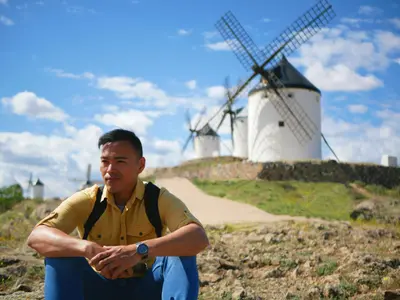
    Castilla-La Mancha, das Herz Spaniens, entführt Reisende in die legendäre Welt Don Quijotes. Diese weitläufige Region verzaubert mit ihren ikonischen Windmühlen, historischen Städten voller UNESCO-Welterbestätten und einer tief verwurzelten Kultur, die sich in ihrer Gastronomie und Architektur widerspiegelt. Entdecken Sie eine Landschaft von zeitloser Schönheit, die zu Entdeckungen jenseits der ausgetretenen Pfade einlädt.
    Toledo

    Toledo

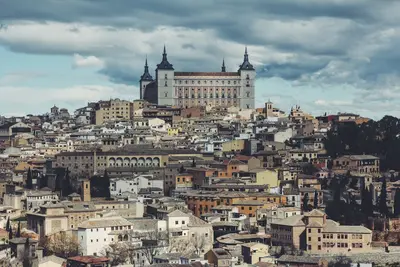
    The former Spanish capital is a UNESCO World Heritage city, known as the 'City of Three Cultures', with an impressive cathedral, synagogues, and mosques.
    El Retiro

    El Retiro

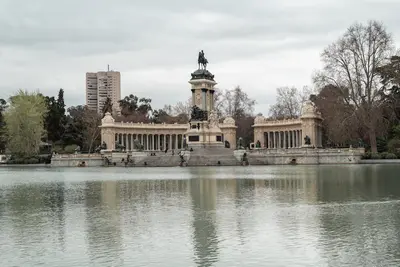
    Eine weitläufige grüne Oase im Herzen Madrids, bekannt für seinen prächtigen Park, den Kristallpalast und die Nähe zu den bedeutendsten Kunstmuseen.
    Madrid Centro

    Madrid Centro

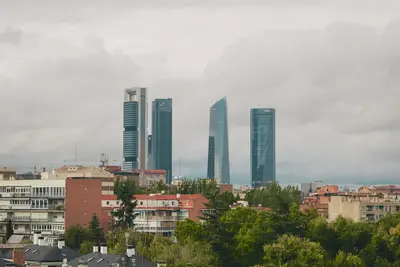
    Madrid Centro forms the historical and cultural heart of the Spanish capital, uniting royal splendor with vibrant everyday life. Here you'll find significant landmarks such as the Puerta del Sol, Spain's central reference point, and the magnificent Plaza Mayor with its arcades, bearing witness to the Habsburg monarchy. The majestic Palacio Real, Europe's largest royal palace, reveals the rich history of the Bourbons. Along the bustling Gran Vía, historical buildings, theaters, and shopping opportunities line up, while the Mercado de San Miguel offers authentic Spanish gastronomy. To optimally experience the atmosphere, you best explore the alleys on foot. Ideally, plan your visits to the Royal Palace in the morning to avoid crowds; spring and autumn are ideal for pleasant city strolls.
    Comunidad de Madrid

    Comunidad de Madrid

    Die Comunidad de Madrid ist das pulsierende Herz Spaniens und vereint die lebendige Energie der Hauptstadt Madrid mit einer reichen Geschichte, prächtigen Königspalästen und einer beeindruckenden Naturlandschaft. Sie ist ein Schmelztiegel der Kulturen, bekannt für ihre erstklassigen Museen, mitreißenden Flamenco-Shows und eine unvergleichliche Gastronomieszene.