Fernweh
    ExploreTravel GuidesMy Trips
    de|en
    About FernwehImprintFAQPrivacy Policy
    ExploreTravel GuidesMy Trips
    Castilla-La Mancha

    Castilla-La Mancha

    Region
    1. Home
    2. Destinations
    3. Spain
    4. Castilla-La Mancha
    Castilla-La Mancha, das Herz Spaniens, entführt Reisende in die legendäre Welt Don Quijotes. Diese weitläufige Region verzaubert mit ihren ikonischen Windmühlen, historischen Städten voller UNESCO-Welterbestätten und einer tief verwurzelten Kultur, die sich in ihrer Gastronomie und Architektur widerspiegelt. Entdecken Sie eine Landschaft von zeitloser Schönheit, die zu Entdeckungen jenseits der ausgetretenen Pfade einlädt.
    • Overview
    • Places in the region
    • Eat & drink
    • Culture
    • Nearby
    • Overview
    • Places in the region
    • Eat & drink
    • Culture
    • Nearby
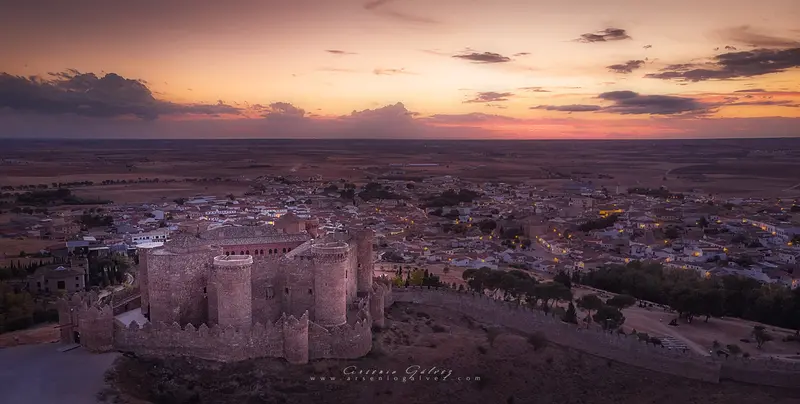
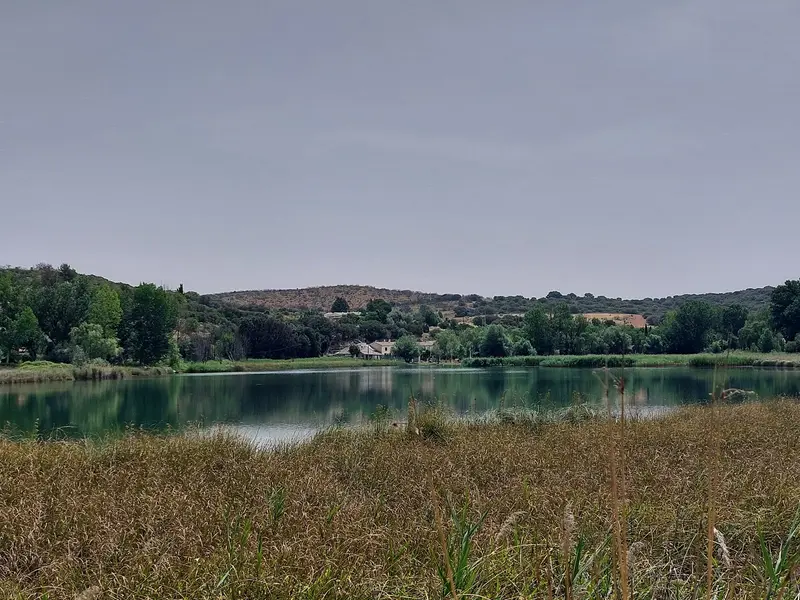
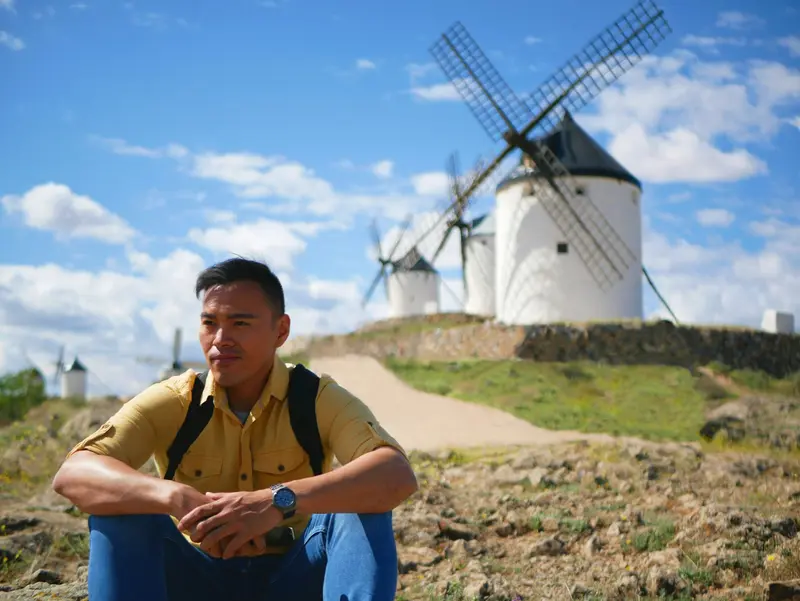
    Castilla-La Mancha, nestled in the heart of Spain, invites you to explore its vast, historic landscapes that served as the backdrop for Miguel de Cervantes' Don Quijote. Here, you'll encounter iconic windmills, such as those found in Consuegra or Campo de Criptana, shaping the picturesque scenery. The region also boasts significant UNESCO World Heritage Sites, including the historic city of Toledo with its fascinating blend of Christian, Jewish, and Muslim cultures, as well as Cuenca with its unique "hanging houses". Its deeply rooted culture is evident in the regional gastronomy, renowned for Manchego cheese, saffron, and robust wines. Spring or autumn are ideal for a relaxed exploration of the historic sites and natural landscapes, allowing you to avoid the summer heat and experience the grape harvest.

    Places in Castilla-La Mancha

    Campo de Criptana

    Campo de Criptana

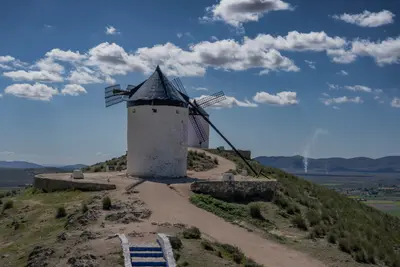
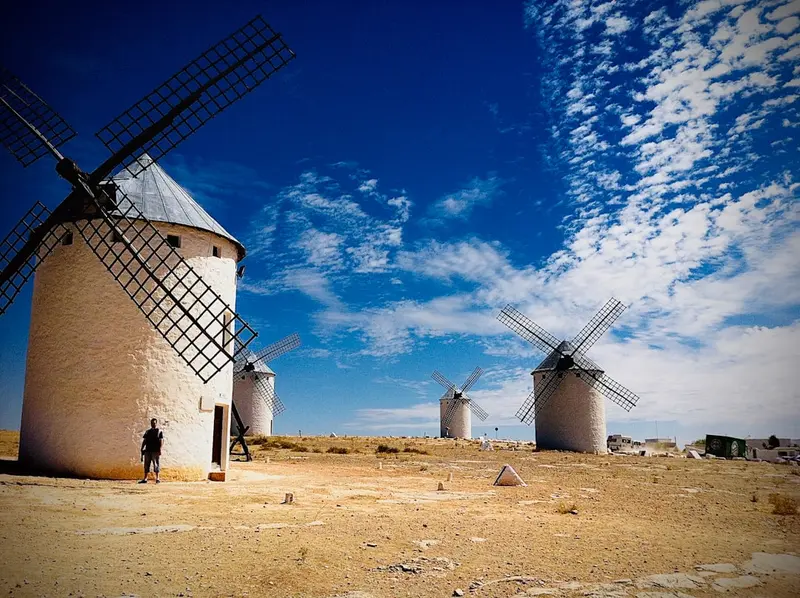
    Welcome to Campo de Criptana, the heart of wind-swept Mancha, where time seems to stand still and the legendary windmills majestically tower over the landscape. Here, in this picturesque village in Castile-La Mancha, you immerse yourself in the world of Don Quijote and experience an authentic Spanish atmosphere that invites you to dream and explore. Let yourself be enchanted by the historic setting that already inspired Cervantes, and enjoy the tranquility and beauty of this unique region.
    Almagro

    Almagro

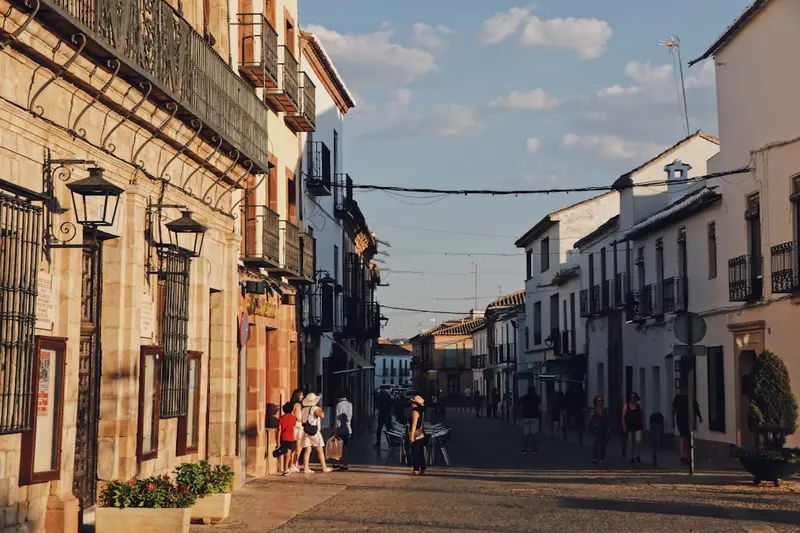
    Almagro, a historic town in the Castile-La Mancha region, captivates with its unique charm and well-preserved cultural heritage. At the heart of the town lies the impressive Plaza Mayor, a rectangular square with arcades and green wooden galleries, inviting visitors to linger. An absolute highlight is the 17th-century Corral de Comedias, the only largely original Golden Age theatre still used for performances today. You'll also find the National Theatre Museum and the magnificent Palacio de los Fúcares, formerly the residence of the German Fugger family. The town is also renowned for its traditional lace-making. Ideally, visit Almagro during the International Classical Theatre Festival in July to experience its vibrant cultural scene firsthand.
    Consuegra

    Consuegra

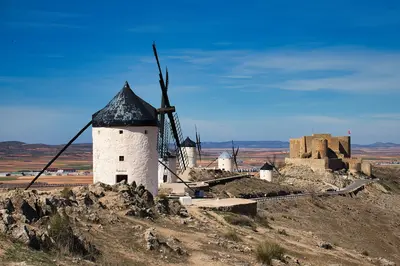
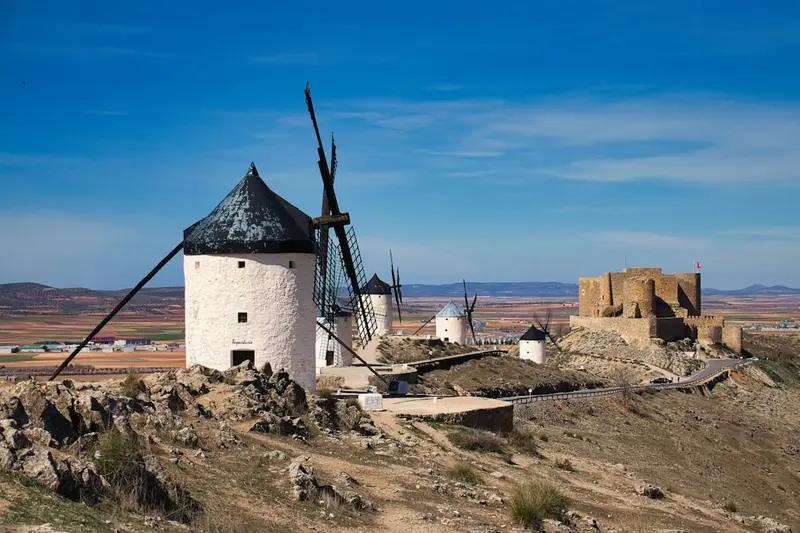
    The hills of Consuegra are dotted with an iconic row of windmills and a castle that seem to come straight from Cervantes' 'Don Quijote'.
    Cuenca

    Cuenca

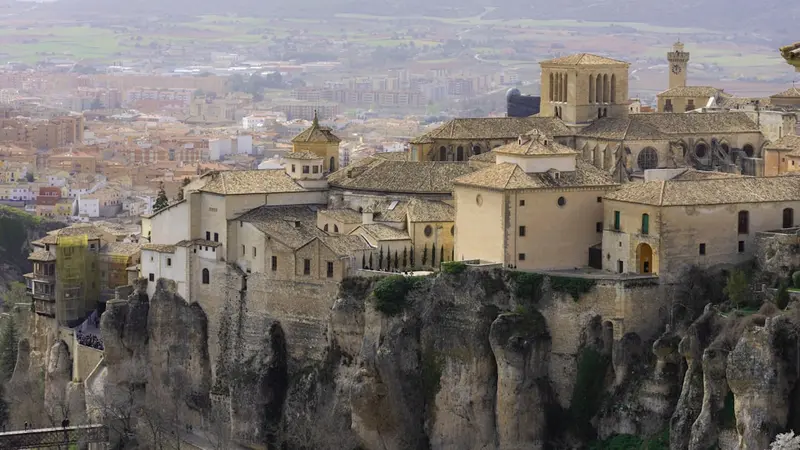
    This breathtaking UNESCO World Heritage city is famous for its 'hanging houses' (Casas Colgadas), spectacularly perched on the cliffs above the Huécar River.
    Sigüenza

    Sigüenza

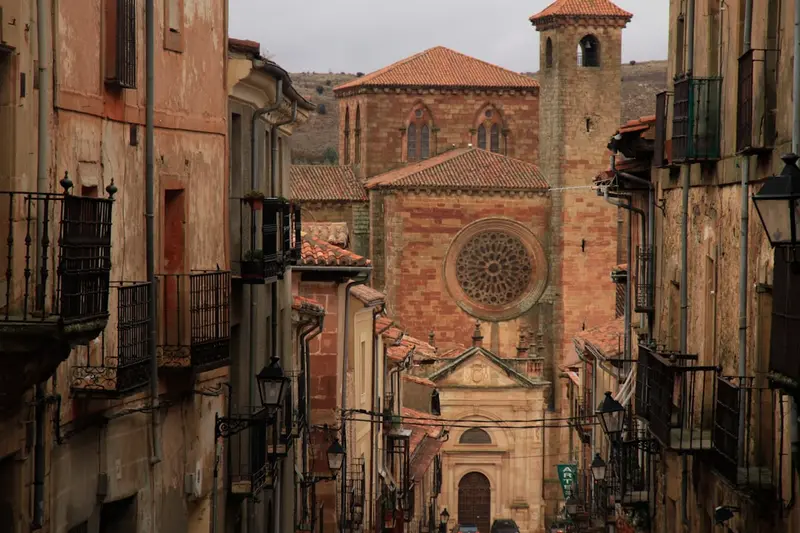
    Sigüenza, a historic city in Castile-La Mancha, preserves its medieval character with cobbled streets and an impressive fortress. The cityscape is dominated by the imposing Catedral de Santa María, a blend of Romanesque and Gothic styles, whose interior houses the famous tomb of the Doncel de Sigüenza. Directly above it stands the majestic Castillo de Sigüenza, now a Parador, which was once a bishop's residence and offers expansive views over the landscape. On the Plaza Mayor, you'll find arcaded buildings that invite you to linger and form the historic heart of the city. Explore the narrow streets around the cathedral to experience its authentic atmosphere. A visit in spring or autumn allows you to enjoy the city at mild temperatures and with fewer tourists. Be sure to try the regional cuisine in one of the traditional restaurants to discover Castile's culinary heritage.
    Toledo

    Toledo

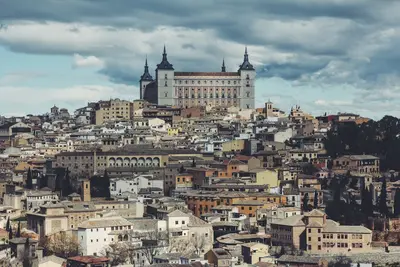
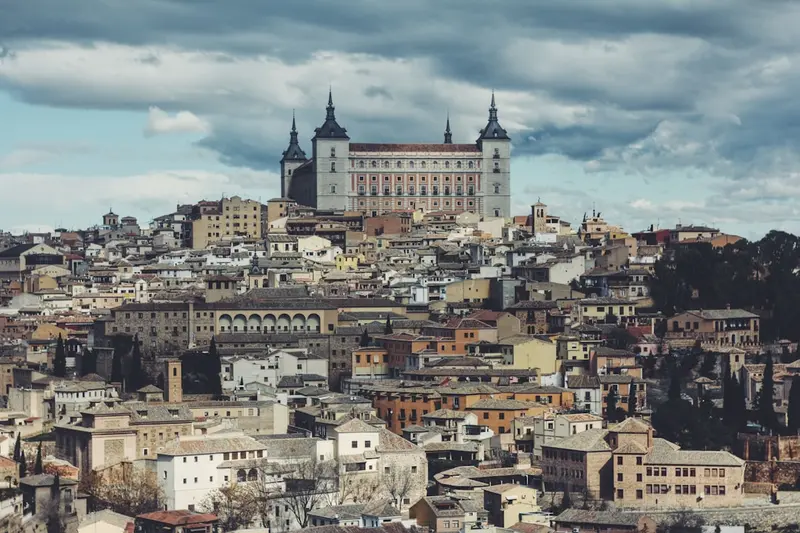
    The former Spanish capital is a UNESCO World Heritage city, known as the 'City of Three Cultures', with an impressive cathedral, synagogues, and mosques.

    Sights in Castilla-La Mancha

    Discover the most important sights and attractions

    FLY TOLEDO

    FLY TOLEDO is Europe's longest urban zip line, offering a unique opportunity to experience the historic city of Toledo from a bird's-eye perspective. You cross the Tagus River while enjoying impressive panoramic views of the UNESCO World Heritage city. During the flight, you'll see the majestic Alcázar, the Cathedral, and the ancient city walls, which blend picturesquely into the landscape. This modern attraction complements Toledo's rich historical heritage by opening up a new dimension of urban exploration. The starting point is located near the historic San Martín Bridge, from where you glide over the river. Our Tip: Book your ticket in advance, especially on weekends, to avoid waiting times. For the best photos of the city during the flight, late afternoon is recommended, when the light is softer and the shadows accentuate the architecture.
    Open in Google Maps

    MQM Museo del Queso Manchego Toledo

    The MQM Museo del Queso Manchego Toledo is dedicated to the rich tradition of the famous Manchego cheese, a protected product from the Castilla-La Mancha region. Here you will learn everything about the history, production, and cultural significance of this culinary landmark of Spain. The museum highlights the entire process from the rearing of Manchega sheep to the ripening of the cheese. You will see historical tools and learn details about the different aging stages and the strict quality standards of D.O.P. Manchego. A highlight is the tasting, where you can discover the different aromas and textures of authentic Manchego cheese. This offers an authentic sensory experience that deepens your understanding of the product. Our Tip: Plan your visit in the morning to enjoy the tasting in peace and avoid the crowds. Afterwards, you can purchase high-quality cheeses and regional products in the museum shop, ideal as a souvenir or for enjoying at home.
    Open in Google Maps

    Kathedrale von Toledo

    The Cathedral of Toledo, officially the Primate Cathedral of Saint Mary of Toledo, is an outstanding example of High Gothic architecture in Spain and a testament to the city's rich history. It stands on the foundations of a former mosque, which in turn rested upon a Visigothic church, reflecting Toledo's multilayered past. Construction began in 1226 under King Ferdinand III and was not completed until 1493, illustrating its long development and diverse influences.Inside, you'll discover an impressive collection of artworks. Particularly noteworthy are the works by El Greco in the sacristy, including the famous 'El Expolio'. The high altar, the intricately carved choir stalls, and the unique Baroque 'Transparente' are also of great significance. The Cathedral also houses a magnificent treasury, featuring Arfe's monumental monstrance.Our Tip: To avoid the crowds and fully absorb the serene atmosphere of this historic site, visit the Cathedral right after opening in the morning. Plan at least two to three hours to explore the numerous chapels and art treasures at your leisure. For an impressive exterior view that captures the building's grandeur, a stroll to the Mirador del Valle is recommended, especially in the late afternoon.
    Open in Google Maps

    Puerta de Bisagra

    The Puerta de Bisagra is Toledo's most emblematic city gate and serves as the main entrance to its historic old town. Its origins date back to the Moorish period, but the present, imposing structure was extensively redesigned in the 16th century under Emperor Charles V by Alonso de Covarrubias. Here you'll find an outstanding example of Renaissance architecture, consisting of two main bodies enclosing an inner courtyard. Above the outer arch proudly displays the great imperial coat of arms of Charles V, a clear sign of its significance. This gate symbolizes the transition from the modern city into the UNESCO World Heritage site and offers a first glimpse into Toledo's rich history. Our Tip: To quietly appreciate the architectural details and capture good photos, an early morning visit is recommended. From the outside of the gate, you'll have the best view of the entire complex against the backdrop of the city walls.
    Open in Google Maps

    Monasterio de San Juan de los Reyes

    The Monasterio de San Juan de los Reyes in Toledo is an outstanding example of Isabelline Gothic. It was commissioned by the Catholic Monarchs Ferdinand and Isabella after their victory in the Battle of Toro (1476) and was originally intended to serve as a royal burial place. Upon entering, a two-story cloister with filigree stonework and elaborate cedar wood ceilings greets you. The church, with its single nave and magnificent chancel, testifies to royal power. Look out for the monarchs' coats of arms, symbolizing the unification of Spain.A striking detail is the chains affixed to the exterior facade, originating from liberated Christian captives from Granada, serving as a powerful reminder of the Reconquista. Our Tip: Visit the monastery in the early morning to enjoy the tranquility of the cloister and the architectural details without crowds. The lighting conditions are often ideal for atmospheric photographs then.
    Open in Google Maps

    Essen & Trinken

    Culture, Art and History

    Castilla-La Mancha boasts a deeply rooted history, shaped by Roman settlements, the Visigoths, and notably, the almost 800-year Moorish presence. These epochs have forged a unique cultural synthesis.The Reconquista from the 11th century led to the construction of imposing castles and the emergence of the Mudéjar style, a symbiosis of Christian and Islamic architecture. Historic cities like Toledo, a UNESCO World Heritage site, and Cuenca with its hanging houses, bear witness to this complex past and architectural diversity. Sacred buildings such as the Cathedral of Toledo illustrate the development of Gothic architecture in Spain.Culturally, the region is inextricably linked to Miguel de Cervantes' 'Don Quijote,' whose story unfolds across its vast plains and near iconic windmills. Local traditions include ancient crafts such as Damascene steelwork in Toledo and the ceramics of Talavera de la Reina, which keep the cultural heritage alive.

    Locations nearby

    These places are nearby — perfect for additional days or a day trip.

    Toledo

    Toledo

    The former Spanish capital is a UNESCO World Heritage city, known as the 'City of Three Cultures', with an impressive cathedral, synagogues, and mosques.
    Aranjuez

    Aranjuez

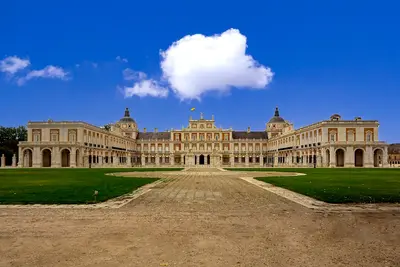
    Aranjuez, south of Madrid, is a UNESCO Cultural Landscape brimming with royal splendor and expansive gardens. Visit the Palacio Real de Aranjuez, summer residence of the Bourbons, with its opulent halls. The gardens, such as the Jardín del Príncipe, invite you to stroll amidst fountains and sculptures. At the Museo de las Falúas Reales, you'll see royal barges from the Tagus River. Visit Aranjuez in spring or autumn; explore the grounds on foot or by bike for the best experience.
    Consuegra

    Consuegra

    The hills of Consuegra are dotted with an iconic row of windmills and a castle that seem to come straight from Cervantes' 'Don Quijote'.
    Madrid Centro

    Madrid Centro

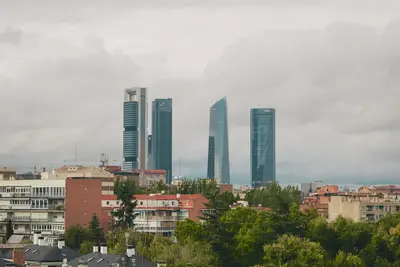
    Madrid Centro forms the historical and cultural heart of the Spanish capital, uniting royal splendor with vibrant everyday life. Here you'll find significant landmarks such as the Puerta del Sol, Spain's central reference point, and the magnificent Plaza Mayor with its arcades, bearing witness to the Habsburg monarchy. The majestic Palacio Real, Europe's largest royal palace, reveals the rich history of the Bourbons. Along the bustling Gran Vía, historical buildings, theaters, and shopping opportunities line up, while the Mercado de San Miguel offers authentic Spanish gastronomy. To optimally experience the atmosphere, you best explore the alleys on foot. Ideally, plan your visits to the Royal Palace in the morning to avoid crowds; spring and autumn are ideal for pleasant city strolls.
    Comunidad de Madrid

    Comunidad de Madrid

    Die Comunidad de Madrid ist das pulsierende Herz Spaniens und vereint die lebendige Energie der Hauptstadt Madrid mit einer reichen Geschichte, prächtigen Königspalästen und einer beeindruckenden Naturlandschaft. Sie ist ein Schmelztiegel der Kulturen, bekannt für ihre erstklassigen Museen, mitreißenden Flamenco-Shows und eine unvergleichliche Gastronomieszene.