Fernweh
    ExploreTravel GuidesMy Trips
    de|en
    About FernwehImprintFAQPrivacy Policy
    ExploreTravel GuidesMy Trips
    Andalusia

    Andalusia

    Region
    1. Home
    2. Destinations
    3. Spain
    4. Andalusia
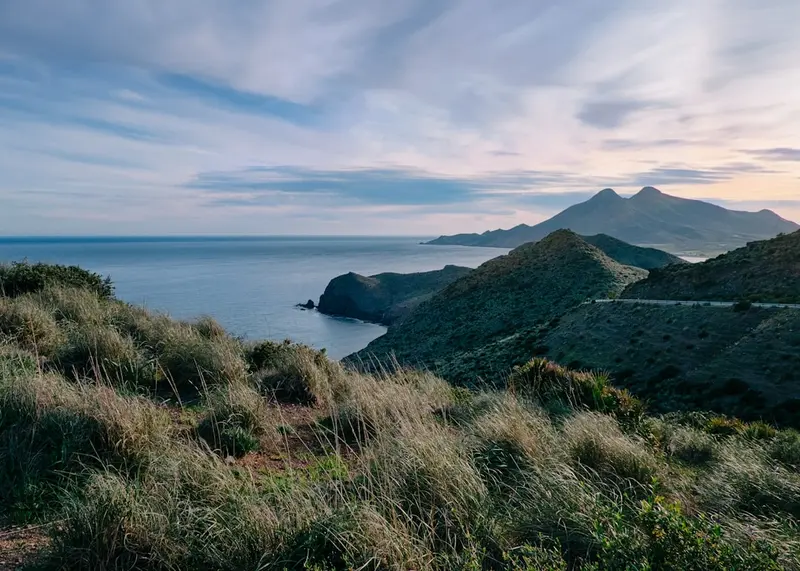
    Andalucía, located in southern Spain, is a region brimming with passion, history, and breathtaking beauty. From Moorish palaces to endless beaches, from fiery Flamenco to exquisite gastronomy – this autonomous community promises unforgettable experiences and immerses visitors deep into the soul of Spain.
    • Overview
    • Places in the region
    • Eat & drink
    • Culture
    • Nearby
    • Overview
    • Places in the region
    • Eat & drink
    • Culture
    • Nearby
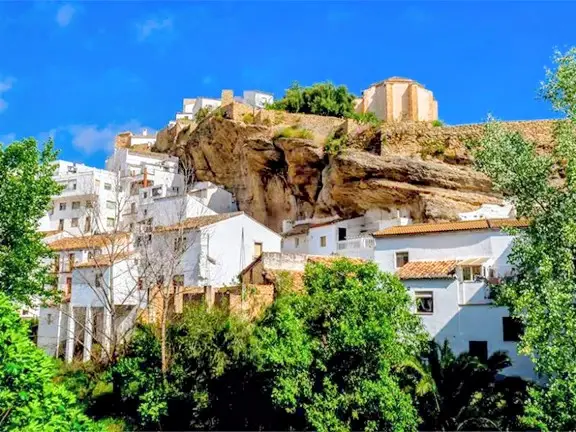
    Andalucía, located in southern Spain, is a region rich in cultural heritage and diverse landscapes. Its Moorish past profoundly shapes cities like Granada with the Alhambra, Córdoba with the Mezquita, and Seville with the Alcázar. In Seville, you'll also discover the vibrant district of Triana and the majestic Giralda, while "white villages" like Ronda offer a completely different rural aesthetic. The region is the birthplace of Flamenco and renowned for its exquisite gastronomy, from tapas to Sherry from Jerez. For a relaxed exploration of its historical sites and cities, visiting in spring or autumn is recommended to avoid the intense summer heat. Seize the opportunity to experience authentic tapas culture in local bars, especially in the old towns of Seville or Granada.

    Places in Andalusia

    Córdoba

    Córdoba

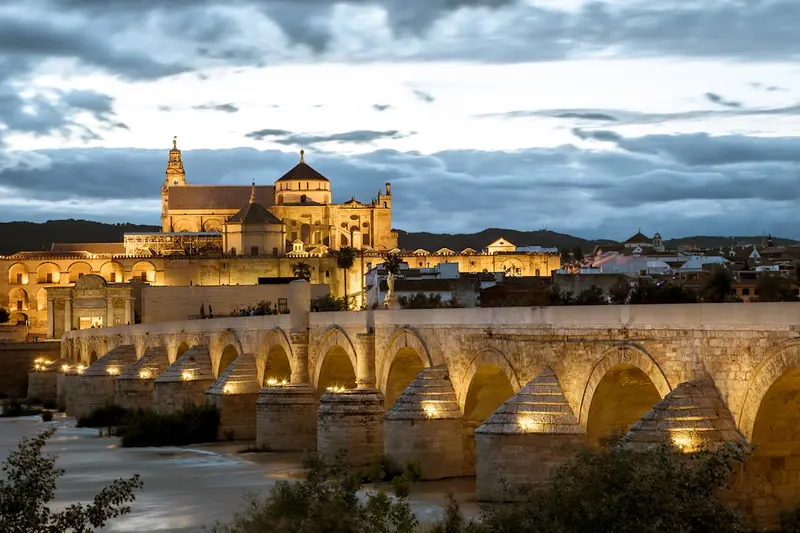
    Córdoba, former capital of Al-Andalus, captivates with its rich cultural heritage. The Mezquita-Cathedral, a UNESCO World Heritage site, blends Islamic and Christian architecture. In the Judería, you'll discover narrow alleys and flower-filled patios. The Alcázar de los Reyes Cristianos with its gardens and the Puente Romana are further highlights. Experience the distinctive Patio culture during the Fiesta de los Patios in May. Visit in spring or autumn to avoid the summer heat and enjoy the blossoms.
    Granada

    Granada

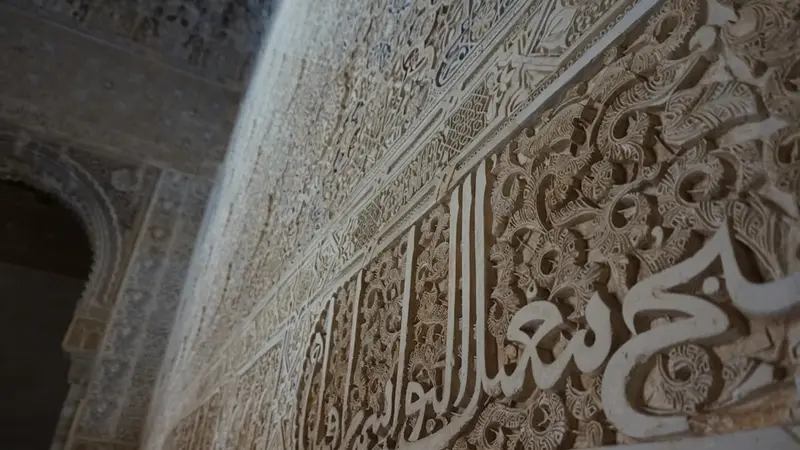
    Granada, nestled at the foot of the Sierra Nevada, is a city of historical significance and unique Moorish character. Here you'll find the Alhambra, a UNESCO World Heritage site, whose palaces, Generalife gardens, and Alcazaba fortress reflect the heyday of the Nasrid Dynasty. Explore the charming Albaicín quarter with its narrow streets, tea houses, and miradores, offering breathtaking views of the Alhambra. In the adjacent Sacromonte, you can immerse yourself in Gitano culture and experience traditional flamenco performances in cave dwellings. The Cathedral and Royal Chapel in the city center commemorate the Christian Reconquista and house the tombs of the Catholic Monarchs. To visit the Alhambra, it's best to book tickets online well in advance, especially during high season. Spring or autumn also offer more pleasant temperatures for your explorations than the peak summer.
    Jerez de la Frontera

    Jerez de la Frontera

    Jerez de la Frontera, the heart of the Sherry Triangle, is deeply rooted in Andalusian culture. Here you discover not only the famous Bodegas, but also the cradle of Flamenco and the elegance of Andalusian equestrian culture. A visit to the Alcázar de Jerez, a Moorish fortress, and the imposing Cathedral offers insights into the city's rich history. Particularly impressive is the Real Escuela Andaluza del Arte Ecuestre, where the art of dressage can be experienced firsthand. In the traditional districts of Santiago and San Miguel, you can feel the origin of Flamenco, often in small Peñas. Definitely plan a tour through one of the historic Bodegas to understand and taste the production of Sherry. The best travel time is spring or autumn, to explore the city at pleasant temperatures and without the summer heat.
    Málaga

    Málaga

    Als pulsierende Hafenstadt an der Costa del Sol bietet Málaga eine Mischung aus historischen Festungen, lebendiger Kunstszene und sonnenverwöhnten Stränden.
    Ronda

    Ronda

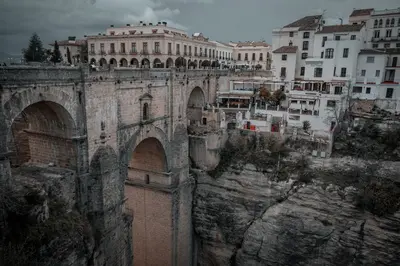
    Spektakulär auf einem Felsplateau gelegen, fasziniert Ronda mit seiner atemberaubenden Puente Nuevo und einer reichen Geschichte.
    Seville

    Seville

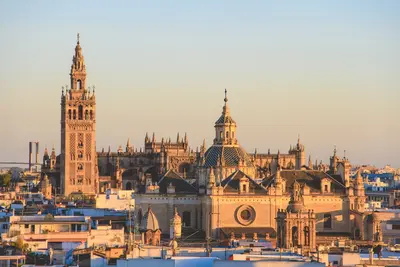
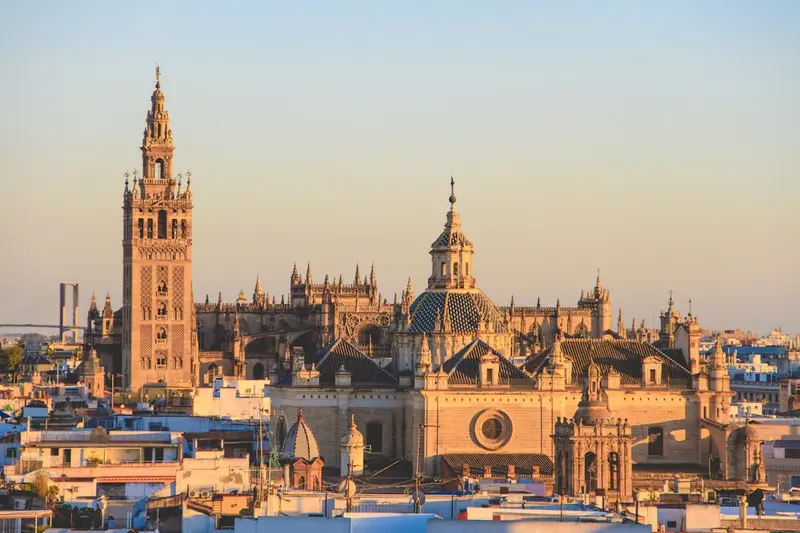
    Seville, the vibrant capital of Andalusia, captivates with a unique blend of Moorish heritage and Spanish passion. You should definitely visit the majestic Seville Cathedral with its imposing bell tower La Giralda and the magnificent Real Alcázar, a UNESCO World Heritage site. Stroll through the winding alleys of the former Jewish quarter Barrio de Santa Cruz, where orange trees provide shade and hidden patios invite discovery. The expansive Plaza de España in María Luisa Park is an architectural highlight, commemorating the Ibero-American Exposition of 1929. In the evening, experience an authentic flamenco show in the Triana district to feel the city's soul. The best time to visit is spring (March to May) or autumn (September to October) to avoid the extreme summer heat. Book tickets for major attractions online in advance to minimize waiting times.

    Sights in Andalusia

    Discover the most important sights and attractions

    Alcázar

    The Alcázar of Seville, a UNESCO World Heritage site, represents Andalusia's rich history as a royal palace. Originally built as a Moorish fortress in the 10th century, it was transformed into a magnificent royal palace after the Christian Reconquista. Here, you'll find a unique synthesis of Islamic, Gothic, and Renaissance architectural styles, developed over centuries. Particularly noteworthy are the Patio de las Doncellas with its reflective pools and the opulent Salón de Embajadores with its impressive dome. The intricate stucco work and the colorful Azulejos attest to supreme craftsmanship. Plan ample time for the expansive gardens, which invite relaxation with their orange trees, fountains, and labyrinths. Practical Tip: To avoid the largest crowds, visit the Alcázar right at opening in the morning or in the late afternoon. Be sure to book your tickets online in advance to minimize waiting times and secure your entry.
    Open in Google Maps

    Giralda

    The Giralda in Seville, once the minaret of the Great Mosque, is an outstanding example of 12th-century Almohad architecture. After the Reconquista, the tower was converted into the cathedral's bell tower in the 16th century, with a Renaissance spire added that blends the original Islamic style with Christian elements. You can climb the 34 ramps, which were once designed for horsemen to bring the muezzin to prayer. From the top, you'll enjoy an impressive 360-degree view over the city of Seville and its surroundings. This ascent is less strenuous than stairs and offers small windows for views along the way. Our Tip: Visit the Giralda early in the morning or late in the afternoon to avoid the biggest crowds and take advantage of the soft light for photos. An excellent photo spot is the Patio de los Naranjos or the opposite Plaza del Triunfo, to capture the tower's full splendor.
    Open in Google Maps

    Seville Museum of Fine Arts

    The Museum of Fine Arts of Seville, housed in the former Convento de la Merced Calzada, ranks among Spain's most significant art galleries. You'll find here an outstanding collection of Spanish art, spanning from the Middle Ages to the 20th century. The clear focus, however, is on the flourishing period of Sevillian painting of the Golden Age. Admire the masterpieces of Bartolomé Esteban Murillo, whose religious scenes and portraits shaped the Sevillian school. Also prominently featured are the powerful works of Francisco de Zurbarán, with their clear forms and strong contrasts, as well as the dynamic compositions of Juan de Valdés Leal. The building itself, an impressive example of Baroque architecture with its tranquil cloisters and courtyards, provides a fitting setting for this exquisite collection. It offers a deep insight into the cultural and artistic development of Andalusia. Our Tip: Visit the museum as soon as it opens in the morning or in the late afternoon to avoid the largest crowds and enjoy the artworks in peace. Pay special attention to the richly detailed depictions in Room V, which highlight Murillo's mastery. The central courtyard is also an ideal spot for a short, contemplative break.
    Open in Google Maps

    Real Parroquia de Señora Santa Ana

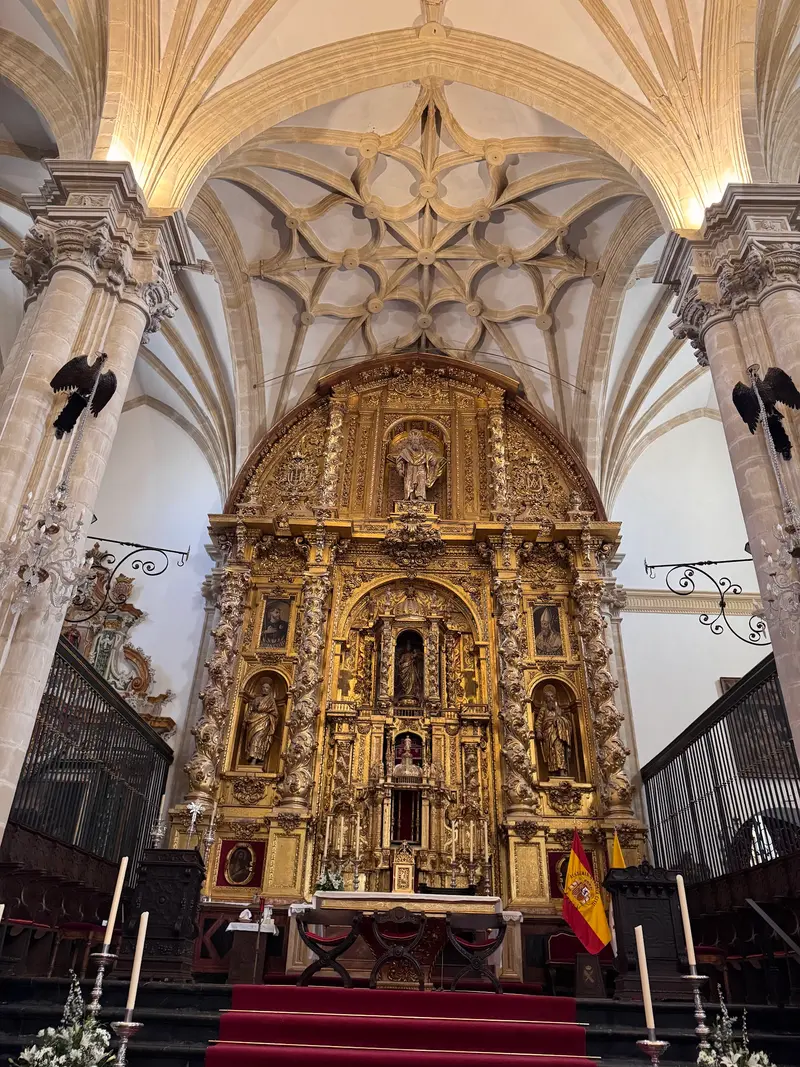
    The Real Parroquia de Señora Santa Ana in Triana, Seville, is one of the city's oldest churches and a significant testament to the Reconquista. King Alfonso X had it built after the reconquest of Seville in the 13th century, making it one of the first Christian places of worship after the Moorish era. Here you will find a fascinating mix of Gothic and Mudéjar elements, reflected in its architecture, especially in the bell tower.Upon entering the church, you will notice the tranquil atmosphere and its rich ornamentation. The various chapels house valuable artworks, including significant altarpieces and sculptures, which illustrate Andalusia's deep religious and artistic tradition. The church is closely connected to the Triana neighborhood and plays a central role in local community life.Our Tip: It is best to visit the church on weekday mornings to avoid crowds and peacefully admire the architectural details. For an atmospheric photo of the entire structure, the view from Plaza de Santa Ana is ideal, especially when the sun illuminates the tower.
    Open in Google Maps

    Torre del Oro

    The Torre del Oro, a striking watchtower on the bank of the Guadalquivir in Seville, was built in the early 13th century by the Almohads. Its primary function was to defend the port and control river traffic. Originally, it was part of the city walls and served as a strategic point to protect the city from invaders. Later, it was used as a storehouse for gold and silver from the American colonies, which likely gave it its shining name. Today, the tower houses a small maritime museum, documenting Seville's rich seafaring history. You can climb the various levels and enjoy impressive panoramic views of the river, the Triana district, and the Cathedral from the top platform. Our tip: Visit the tower in the morning to avoid the largest crowds and get the best light for photos. A stroll along the river after your visit also offers further beautiful perspectives of this historic structure.
    Open in Google Maps

    Essen & Trinken

    Culture, Art & History of Andalusia

    Die Kultur Andalusiens ist tief in ihrer komplexen Geschichte verwurzelt, geprägt durch die Jahrhunderte der maurischen Herrschaft von 711 bis 1492. Diese Epoche hinterließ ein außergewöhnliches architektonisches und künstlerisches Erbe, das in Meisterwerken wie der Alhambra in Granada oder der Mezquita in Córdoba gipfelt, wo islamische, christliche und barocke Stile harmonisch verschmelzen. Die Region ist zudem die Wiege des Flamenco, einem immateriellen UNESCO-Weltkulturerbe, das Leidenschaft und tiefes Gefühl durch Gesang, Tanz und Gitarrenspiel ausdrückt. Diese einzigartige Mischung aus orientalischen und okzidentalen Einflüssen, ergänzt durch römische und westgotische Spuren, bildet den unverwechselbaren kulturellen Charakter Andalusiens.

    Locations nearby

    These places are nearby — perfect for additional days or a day trip.

    Andalusia

    Andalusia

    Welcome to Andalusia, the sun-drenched soul of Spain, where centuries of Moorish history unite with passionate Flamenco and an unparalleled zest for life. Discover a region that will enchant you with its breathtaking cultural treasures, picturesque white villages, and a cuisine full of Mediterranean flavors – a journey that will delight all your senses.
    Seville

    Seville

    Seville, the vibrant capital of Andalusia, captivates with a unique blend of Moorish heritage and Spanish passion. You should definitely visit the majestic Seville Cathedral with its imposing bell tower La Giralda and the magnificent Real Alcázar, a UNESCO World Heritage site. Stroll through the winding alleys of the former Jewish quarter Barrio de Santa Cruz, where orange trees provide shade and hidden patios invite discovery. The expansive Plaza de España in María Luisa Park is an architectural highlight, commemorating the Ibero-American Exposition of 1929. In the evening, experience an authentic flamenco show in the Triana district to feel the city's soul. The best time to visit is spring (March to May) or autumn (September to October) to avoid the extreme summer heat. Book tickets for major attractions online in advance to minimize waiting times.
    Parque Nacional de Doñana

    Parque Nacional de Doñana

    Dieses UNESCO-Welterbe ist eines der wichtigsten Feuchtgebiete Europas und ein Refugium für Zugvögel und bedrohte Arten wie den Iberischen Luchs.
    Jerez de la Frontera

    Jerez de la Frontera

    Jerez de la Frontera, the heart of the Sherry Triangle, is deeply rooted in Andalusian culture. Here you discover not only the famous Bodegas, but also the cradle of Flamenco and the elegance of Andalusian equestrian culture. A visit to the Alcázar de Jerez, a Moorish fortress, and the imposing Cathedral offers insights into the city's rich history. Particularly impressive is the Real Escuela Andaluza del Arte Ecuestre, where the art of dressage can be experienced firsthand. In the traditional districts of Santiago and San Miguel, you can feel the origin of Flamenco, often in small Peñas. Definitely plan a tour through one of the historic Bodegas to understand and taste the production of Sherry. The best travel time is spring or autumn, to explore the city at pleasant temperatures and without the summer heat.
    Jerez de la Frontera

    Jerez de la Frontera

    In Jerez de la Frontera, you'll delve deep into Andalusian culture, shaped by sherry, flamenco, and horses. The city is world-famous for its Bodegas, where you can taste the various sherry types from Fino to Oloroso. A highlight is a visit to the Royal Andalusian School of Equestrian Art (Real Escuela Andaluza del Arte Ecuestre), which impresses with its show "How the Horses Dance". The historic center, with its Cathedral and Alcázar, invites you for walks. Jerez is also considered one of the birthplaces of flamenco; visit one of the Peñas Flamencas for an authentic experience. Plan your visit in spring to experience the Horse Fair (Feria del Caballo). For deeper insight into sherry production, a guided tour through a traditional Bodega is recommended.