Fernweh: Home
    ExploreTravel GuidesPlan a tripMy tripLast visited
    de|en
    All Places & RegionsAll highlightsAbout FernwehFAQPrivacy PolicyImprint
    ExploreTravel GuidesPlan a tripMy tripLast visited
    Doñana National Park

    Spain

    Doñana National Park

    National Park

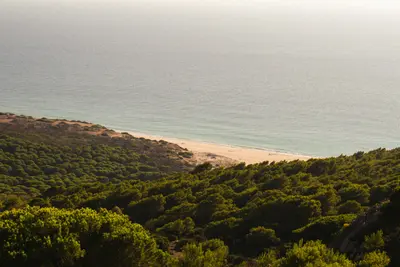
    The Doñana National Park at the mouth of the Guadalquivir is UNESCO World Heritage and a key European wetland. Marshes, dunes, and pine forests offer refuge to migratory birds and endangered species like the Iberian lynx.

    by Felix Gillen

    1. Home
    2. Destinations
    3. Spain
    4. Costa de la Luz
    5. Doñana National Park
    The Doñana National Park at the mouth of the Guadalquivir is UNESCO World Heritage and a key European wetland. Marshes, dunes, and pine forests offer refuge to migratory birds and endangered species like the Iberian lynx.

    Sehenswürdigkeiten

    Discover the most important sights and attractions

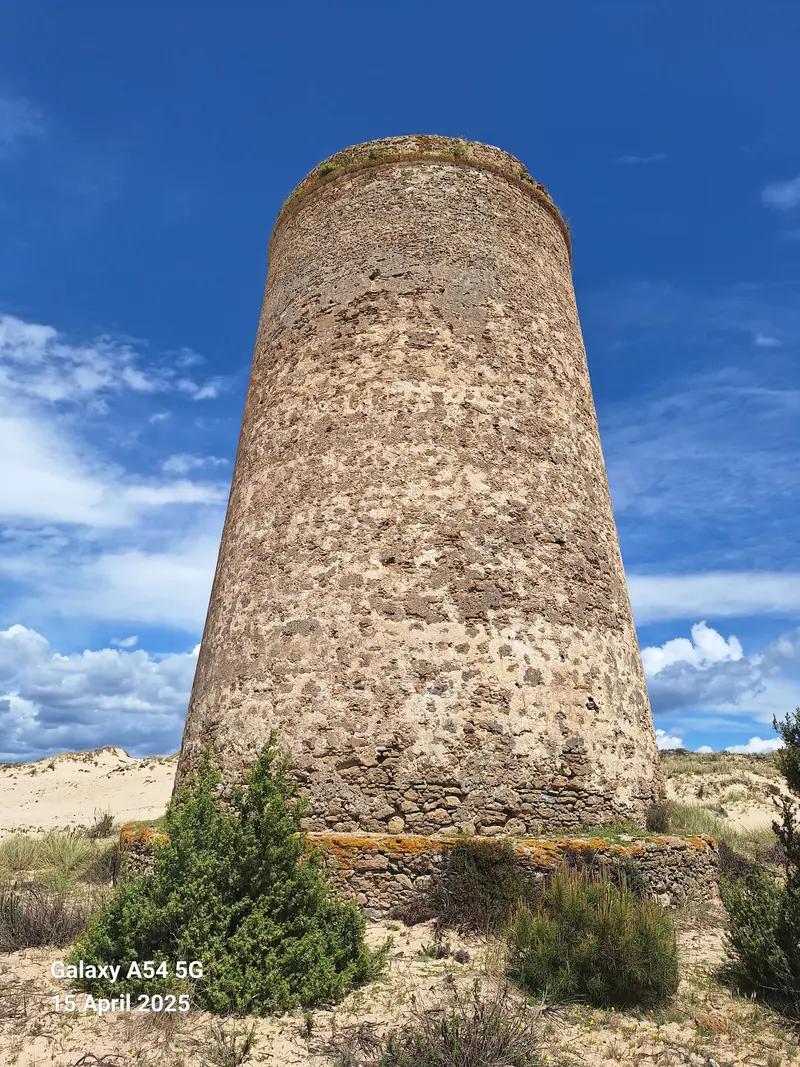
    Torre Carbonero

    1Torre Carbonero

    The watchtower on the Almonte coast dates from the 16th century, built under Philip II as part of a chain of coastal towers intended to warn of sea attacks. Due to its remote location, it is well preserved, with its only entrance on the side facing away from the sea.
    Open in Google Maps
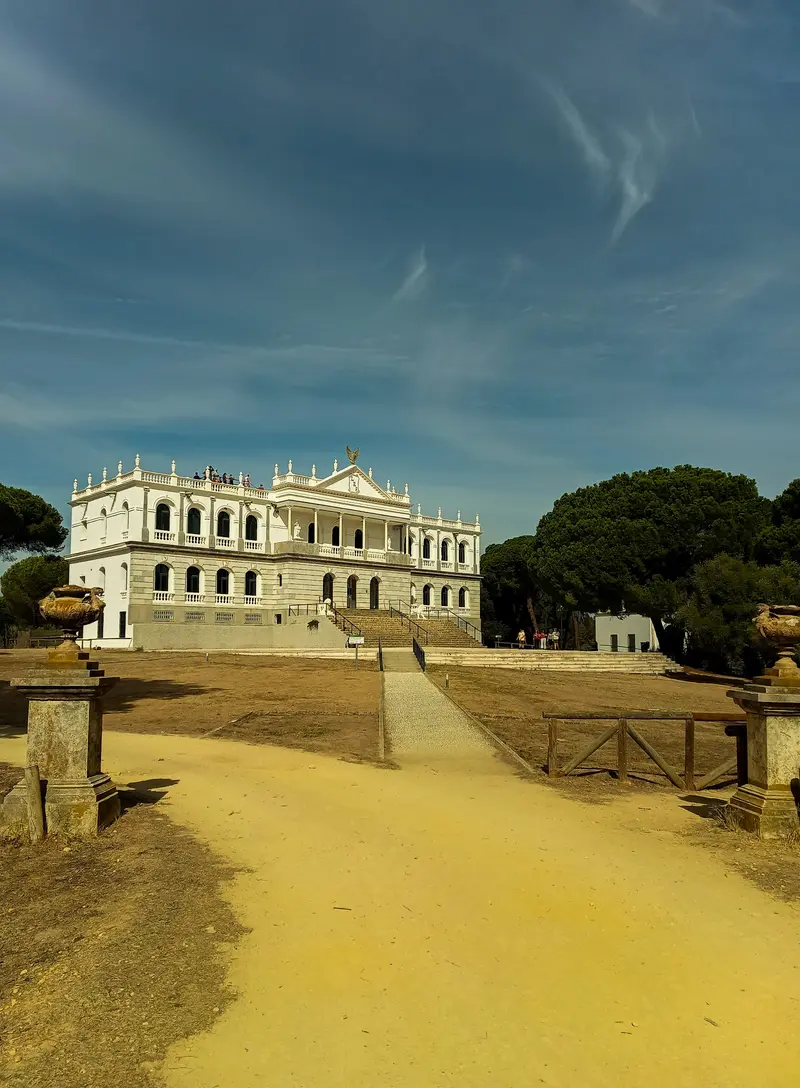
    Palacio del Acebrón
    Attraction

    2Palacio del Acebrón

    The manor house is located in the west of the park and is accessible from La Rocina via a path through riparian forest. Inside, a small exhibition showcases the lives of the area's former inhabitants; from the terrace, you overlook the park.
    Open in Google Maps
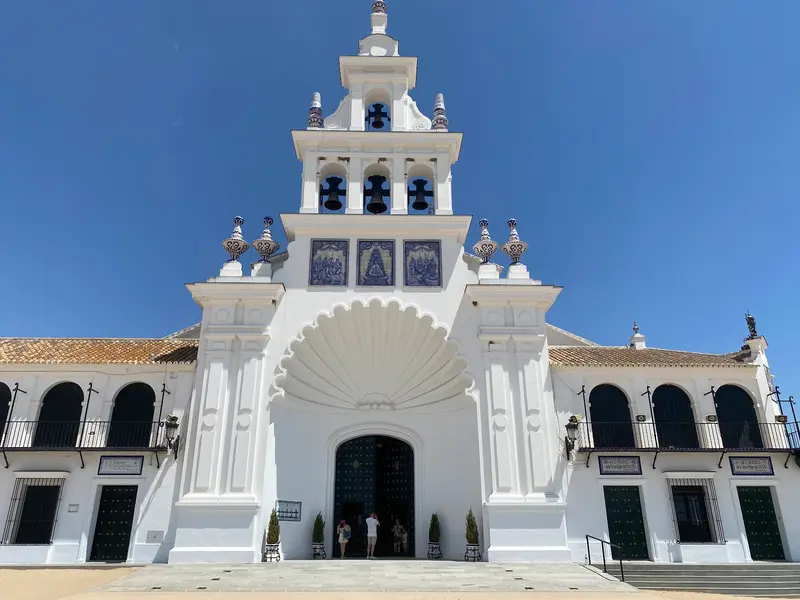
    El Rocío and Ermita del Rocío
    Church

    3El Rocío and Ermita del Rocío

    The village in the municipality of Almonte directly borders the Doñana marshes; most streets are sand and many residents are on horseback. Its focal point is the Ermita del Rocío, destroyed after the 1755 earthquake and rebuilt in the 1960s. At Pentecost, the pilgrimage to the Virgen del Rocío attracts large crowds.
    Open in Google Maps
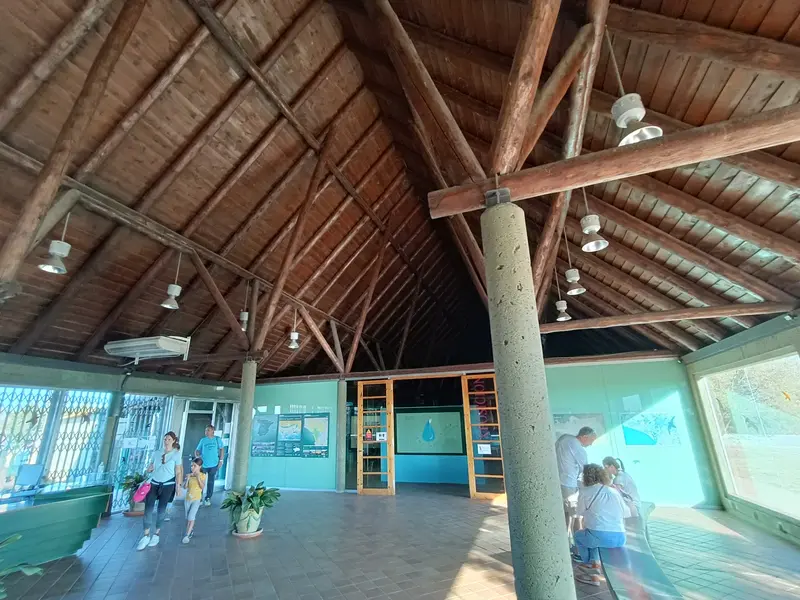
    José Antonio Valverde Visitor Center
    Attraction

    4José Antonio Valverde Visitor Center

    The visitor center lies in the northeast of the National Park, directly by the marshes, about 30 kilometers south of Villamanrique de la Condesa. Access is partly via a gravel track. Waterfowl and raptors can be observed here year-round, with spring and winter being the most rewarding. Binoculars or a spotting scope are helpful.
    Open in Google Maps

    Essen & Trinken

    1

    Cervecería D´dia

    Bar in Sector S.
    Show on Google Maps
    2

    Restaurante Marismas

    Restaurant in Sector D Segunda Fase.
    Show on Google Maps
    3

    Delito Smash

    Restaurant in Sector Somormujo.
    Show on Google Maps
    4

    RestauranteCasa Curro

    Restaurant in Sector T.
    Show on Google Maps

    Accommodations in Doñana National Park

    Find perfect stay in Doñana National Park

    Booking.com* (Affiliate link)
    Search Hotels
    Agoda* (Affiliate link)
    Search Hotels
    Airbnb
    Vacation Rentals

    * Affiliate link: if you book through it, we earn a small commission. The price stays the same for you.

    Campgrounds in Doñana National Park

    Find perfect campground in Doñana National Park

    Search via Google Maps
    Campgrounds nearby (15km)
    Camping.info
    Find Campgrounds
    Park4Night
    RV Parks & Camping

    Nearby

    Jerez de la Frontera

    Jerez de la Frontera

    In Jerez de la Frontera in the province of Cádiz, much revolves around sherry, flamenco, and horses. The city is known for its Bodegas, where you can taste the various sherry types from Fino to Oloroso. A highlight is the Royal Andalusian School of Equestrian Art (Real Escuela Andaluza del Arte Ecuestre) with its show “Cómo bailan los caballos andaluces”. The historic center, with the Cathedral and the Alcázar, an 11th-century Moorish fortress, invites you for strolls. Many famous flamenco artists hail from Jerez; the Centro Andaluz de Flamenco is located in Palacio Pemartín. In May, the Horse Fair (Feria del Caballo) takes place. For a deeper insight into sherry production, a guided tour through a traditional Bodega is worthwhile.
    Cádiz

    Cádiz

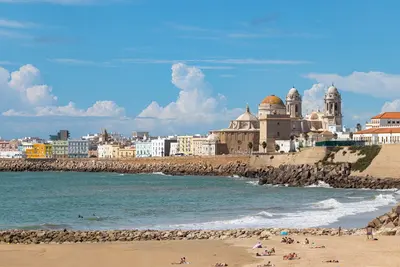
    The port city Cádiz is considered one of the oldest cities in Western Europe, founded by the Phoenicians as Gadir. Its old town, on a narrow spit, offers narrow streets, watchtowers and squares, with Atlantic beaches like La Caleta right beside it.
    Costa de la Luz

    Costa de la Luz

    The Costa de la Luz, the "Coast of Light", stretches along the Atlantic from the Portuguese border to Tarifa. It is characterized by long, wide sandy beaches and a particularly clear light, plus historic cities like Cádiz and Jerez, white villages like Vejer, excellent conditions for wind and kitesurfing, and a cuisine rich in fish and sherry.
    Andalusia

    Andalusia

    Andalucía in the south of Spain combines Moorish palaces, white villages, long beaches, Flamenco and a distinct tapas culture. The autonomous community is Spain's most populous and one of the country's most versatile travel regions.
    Seville

    Seville

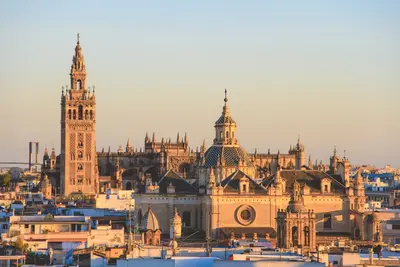
    Seville, the capital of Andalusia on the Guadalquivir River, blends Moorish heritage with vibrant street culture. Highlights include the Cathedral of Seville with its bell tower La Giralda and the Real Alcázar, which together with the Archivo de Indias have been UNESCO World Heritage Sites since 1987.Stroll through the winding alleys of the Barrio de Santa Cruz, once the Jewish quarter, where hidden patios await discovery. The expansive Plaza de España in Parque de María Luisa was built for the Ibero-American Exposition of 1929. In the evenings, experience flamenco, for example in the Triana district, considered one of flamenco's birthplaces. The best time to visit is spring (March to May) or autumn (September to October); in July and August, daily high temperatures regularly exceed 35 degrees Celsius. Tickets for major attractions are best booked online in advance.

    Sources & method

    • Photos: Unsplash, Google Maps. Each photo carries its credit.
    • Place data such as addresses and ratings comes from Google Maps.
    • The content is based on web research from public, traceable sources. How the content is made · The role of AI