Fernweh
    ExploreTravel GuidesMy Trips
    de|en
    About FernwehImprintFAQPrivacy Policy
    ExploreTravel GuidesMy Trips
    Barrio de Salamanca

    Barrio de Salamanca

    City
    1. Home
    2. Destinations
    3. Spain
    4. Comunidad de Madrid
    5. Barrio de Salamanca
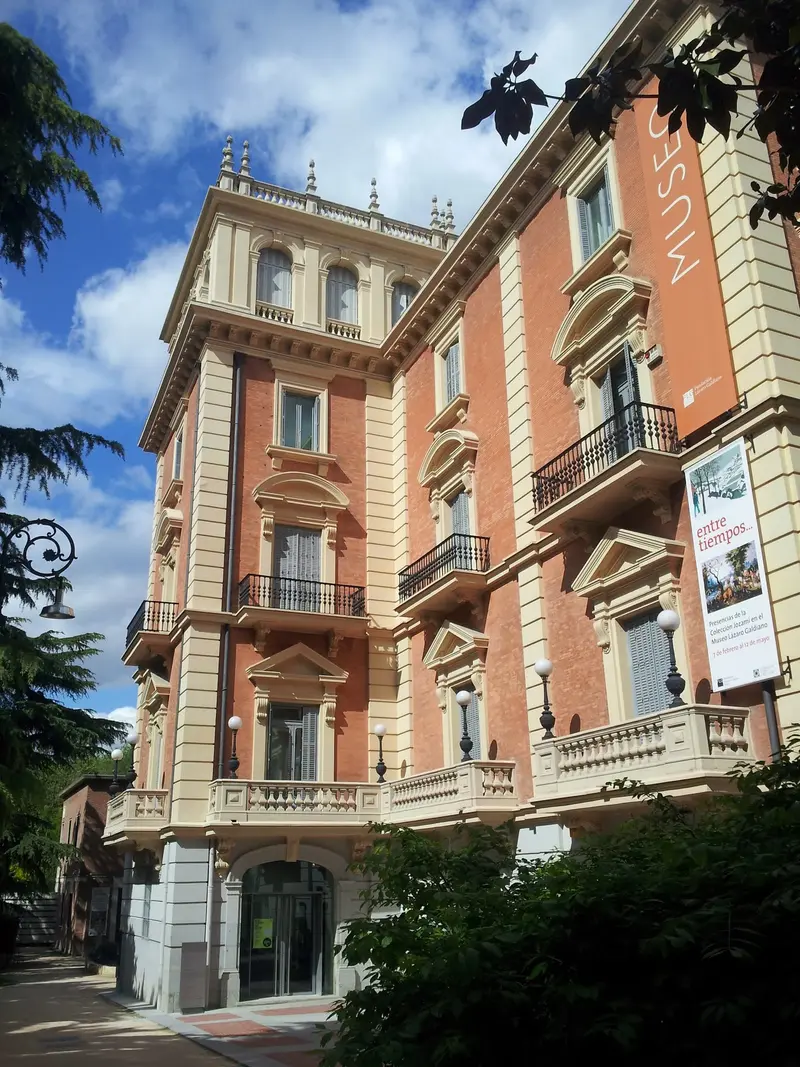
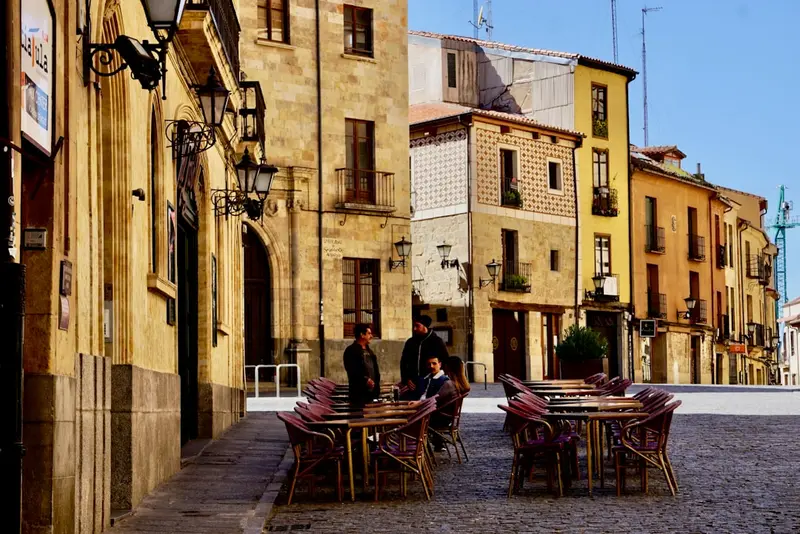
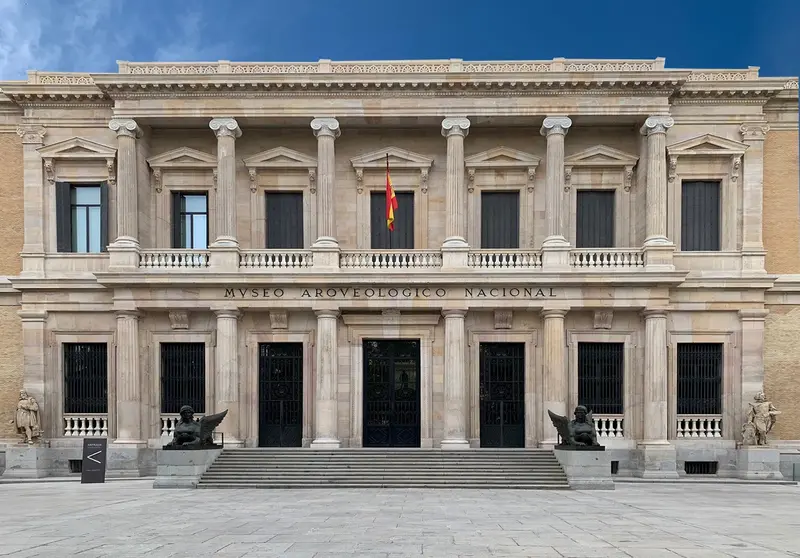
    The Barrio de Salamanca in Madrid, conceived in the 19th century for the bourgeoisie, captivates with its elegant atmosphere and magnificent architecture. Here you'll find luxurious shopping along **Calle de Serrano** and Ortega y Gasset, featuring international designer brands. Culturally, the Museo Arqueológico Nacional is well worth a visit. The adjacent **Parque del Retiro** invites you for strolls, and the district's upscale dining scene impresses with stylish restaurants. For an authentic experience off the main avenues, explore the charming side streets with their boutiques and cafés.
    • Neighborhoods & highlights
    • Walking tours
    • Eat & drink
    • Culture
    • Getting around
    • Accommodation
    • Plan trip
    • Nearby
    • Neighborhoods & highlights
    • Walking tours
    • Eat & drink
    • Culture
    • Getting around
    • Accommodation
    • Plan trip
    • Nearby

    Overview

    Das Barrio de Salamanca in Madrid, im 19. Jahrhundert als exklusives Viertel für die Bourgeoisie angelegt, besticht durch seine elegante Architektur und die charakteristischen breiten Alleen. Entlang der renommierten Calle de Serrano und Ortega y Gasset findest du eine Vielzahl luxuriöser Boutiquen internationaler Designermarken. Kulturell bietet sich der Besuch des Museo Arqueológico Nacional an, das einen umfassenden Einblick in die spanische Geschichte ermöglicht. Der angrenzende Parque del Retiro lädt zudem zu Spaziergängen und Erholung ein. Die gehobene Gastronomieszene des Viertels überzeugt mit stilvollen Restaurants und schicken Cafés. Für ein authentischeres Erlebnis abseits der Hauptachsen empfiehlt es sich, die charmanten Seitenstraßen mit ihren individuellen Boutiquen und Galerien zu erkunden. Um die exklusive Atmosphäre in Ruhe zu genießen, ist ein Besuch an einem Wochentag außerhalb der Stoßzeiten ratsam.

    Places in Barrio de Salamanca

    Discover the most important sights and attractions

    Sights in Barrio de Salamanca

    Retiro-Park

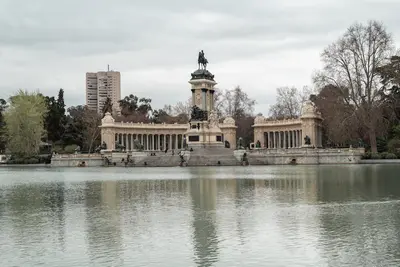
    The Retiro Park, once a royal retreat, is today one of Madrid's largest and most significant green spaces. Originally laid out in the 17th century as part of the Buen Retiro Palace for Philip IV, it was opened to the public in the 19th century and became the heart of urban recreation. Here you'll find expansive lawns, artful gardens like the Rosaleda, and impressive architectural elements. Particularly noteworthy is the Palacio de Cristal, a delicate glass structure that originally served as a greenhouse and is now used for exhibitions. At the large pond, you can rent rowing boats or admire the imposing monument to Alfonso XII. The park is a popular meeting point for locals and tourists alike, ideal for strolls, picnics, and sports activities. Our Tip: It's best to visit the park on a weekday morning to experience the greatest tranquility and avoid the crowds. For an atmospheric photo, consider the Palacio de Cristal in the morning light or the scene by the lake with the rowing boats.
    Open in Google Maps

    Palacio Real

    The Palacio Real in Madrid is the official residence of the Spanish Royal Family, who primarily use it today for state acts and official ceremonies. It is considered the largest royal palace in Western Europe and stands as an impressive testament to the Bourbon dynasty. It was built in the 18th century on the ruins of the old Alcázar, which was destroyed by fire in 1734.You can visit over 50 of the total 3,418 rooms, including the magnificent Throne Room, the Royal Armoury with one of Europe's most significant collections, and the historic Royal Kitchen. Its architecture combines Baroque and Neoclassical elements, impressing with its opulence and intricate details.Our Tip: To avoid the largest crowds, visit the palace right after opening in the morning or in the late afternoon hours. For a relaxed visit, you should plan at least two hours. Free admission is often possible on certain evenings for EU citizens; inquire in advance about the exact times.
    Open in Google Maps

    Museo Thyssen-Bornemisza

    The Museo Thyssen-Bornemisza in Madrid is an integral part of the so-called “Golden Triangle of Art,” uniquely complementing the collections of the Prado and Reina Sofía. Here you'll discover an impressive private art collection, amassed over generations by the Thyssen-Bornemisza family. The exhibits offer a comprehensive overview of Western art history from the 13th to the 20th century, featuring works by old masters like Duccio and Holbein, as well as Impressionists, Expressionists, and Pop Art artists such as Monet, Van Gogh, and Lichtenstein. The museum is housed in the elegant Palacio de Villahermosa, an 18th-century neoclassical building that is a sight worth seeing in itself. Our tip: To fully enjoy the artworks in peace, ideally visit the museum on a weekday morning. Allow ample time to truly absorb the diversity of epochs and styles. For a detailed exploration of the collection, the audio guide is recommended.
    Open in Google Maps

    Estadio Santiago Bernabéu

    The Santiago Bernabéu Stadium is Real Madrid's legendary home and a major draw for football fans worldwide. Named after former player, coach, and president Santiago Bernabéu Yeste, it opened in 1947 and has since witnessed countless historic moments in European football. On a visit, you can experience the impressive Bernabéu Tour, guiding you through the club's rich history. You'll gain access to the packed trophy collection, including countless Champions League cups, and can explore the presidential box, changing rooms, and pitchside. Our Tip: Book your tickets online in advance to avoid queues, and ideally visit on a weekday morning to bypass the largest crowds. For an unforgettable photo, the stands offer a panoramic view of the entire stadium.
    Open in Google Maps

    Matadero Madrid

    The Matadero Madrid, once a municipal slaughterhouse and livestock market, is now a prominent center for contemporary culture in Madrid. Built between 1911 and 1925 following the plans of architect Luis Bellido y González, the complex represents an impressive example of early 20th-century industrial architecture. You'll recognize it by its characteristic red brick facades and robust iron constructions, which reflect its original function.Following an extensive transformation, Matadero Madrid now houses a variety of cultural facilities. Here you'll find exhibition spaces, theater and concert stages, a cinema, and the Central de Diseño, dedicated to promoting design. Visitors can expect a diverse program of art exhibitions, live music, film screenings, and workshops. It is a vibrant place that highlights Madrid's commitment to urban regeneration and cultural innovation.Our Tip: Plan your visit ideally on a weekend to experience the full range of activities and events. For a quieter exploration of the architecture and current exhibitions, weekday mornings are ideal. Combine your visit with a stroll through the adjacent Parque Madrid Río, which lies directly on the Manzanares River and offers a relaxed atmosphere.
    Open in Google Maps

    City walks in Barrio de Salamanca

    Curated walking tours through the city's highlights — handpicked by experienced travel journalists.

    Eleganz und Luxus: Ein Spaziergang durch Madrids Barrio de Salamanca

    Entdecken Sie die mondäne Seite Madrids bei diesem eleganten Spaziergang durch das Barrio de Salamanca. Flanieren Sie entlang prachtvoller Boulevards, bestaunen Sie luxuriöse Boutiquen und bewundern Sie die beeindruckende Architektur, die diesen Stadtteil zu einem der exklusivsten Europas macht.

    ~2 Std.
    In Google Maps öffnen
    Stopps (7)

    Essen & Trinken

    Kulturelles Erbe und Architektur

    Das Barrio de Salamanca entstand Mitte des 19. Jahrhunderts im Zuge der Madrider Stadterweiterung, dem sogenannten Ensanche. Es wurde als repräsentatives Wohnviertel für die aufstrebende Bourgeoisie und Aristokratie konzipiert, maßgeblich gefördert durch den Marqués de Salamanca.Die Architektur des Viertels ist geprägt von einem eklektischen Stil mit starkem französischem Einfluss, oft als „Madrileña-Haussmann-Architektur“ bezeichnet. Charakteristisch sind elegante Palastbauten (Palacetes) und Mietshäuser mit prunkvollen Fassaden, verzierten Balkonen aus Schmiedeeisen und klassischen Elementen, die den Wohlstand seiner Bewohner widerspiegeln. Historisch war und ist es ein Zentrum der kulturellen Eliten, was sich auch in den zahlreichen Kunstgalerien und Auktionshäusern widerspiegelt, die es zu einem Anziehungspunkt für Kunstliebhaber machen. Hier verbinden sich historische Eleganz und ein gehobenes, anspruchsvolles Lebensgefühl.

    Unterwegs vor Ort

    Das Barrio de Salamanca lässt sich dank seiner hervorragenden Verkehrsanbindung und fußgängerfreundlichen Gestaltung mühelos erkunden. Die Metro Madrid ist mit mehreren Linien, die das Viertel durchqueren (z.B. Linie 4 mit Haltestellen wie Goya oder Velázquez), das Rückgrat der städtischen Mobilität. Ergänzt wird dies durch ein dichtes Netz von EMT-Bussen, die auch entlegenere Winkel erreichen.Für Touristen ist die aufladbare Tarjeta Multi die praktischste Option für Fahrten mit Metro und Bus, oft mit attraktiven 10-Fahrten-Tickets. Digitale Apps wie Moovit oder die offiziellen Apps von Metro und EMT helfen bei der Routenplanung und Echtzeitinformationen.Das Viertel ist ideal zum Spazierengehen, doch auch Fahrräder – etwa über das städtische E-Bike-Sharing-System BiciMAD – und private E-Scooter-Dienste sind beliebte Alternativen für kurze Distanzen. Taxis sind leicht verfügbar, und auch Ride-Sharing-Dienste wie Uber oder Cabify bieten bequeme Reisemöglichkeiten. Dank breiter Alleen und eleganter Plätze ist das Barrio de Salamanca zudem hervorragend zu Fuß zu entdecken.

    Accommodations in Barrio de Salamanca

    Accommodations in Barrio de Salamanca

    Find perfect stay in Barrio de Salamanca

    Booking.com
    Search Hotels
    Agoda
    Search Hotels
    Airbnb
    Vacation Rentals
    Hotels.com
    Hotels Worldwide
    Hostelworld
    Hostels

    Campgrounds in Barrio de Salamanca

    Find perfect campground in Barrio de Salamanca

    Search via Google Maps
    Campgrounds nearby (15km)
    Camping.info
    Find Campgrounds
    Park4Night
    RV Parks & Camping

    Plan your trip to Barrio de Salamanca

    Save places, build a route and plan your city trip — all in one place.

    Save places

    Bookmark sights, restaurants and neighborhoods you're interested in.

    Build your route

    Turn your bookmarks into a route — define order, days and budget.

    Refine with AI

    Let Mein Fernweh suggest experiences and put together a tailored daily plan.

    Start trip planningOpen bookmarks

    Locations nearby

    These places are nearby — perfect for additional days or a day trip.

    El Retiro

    El Retiro

    Eine weitläufige grüne Oase im Herzen Madrids, bekannt für seinen prächtigen Park, den Kristallpalast und die Nähe zu den bedeutendsten Kunstmuseen.
    Comunidad de Madrid

    Comunidad de Madrid

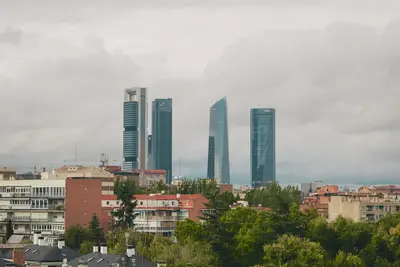
    Die Comunidad de Madrid ist das pulsierende Herz Spaniens und vereint die lebendige Energie der Hauptstadt Madrid mit einer reichen Geschichte, prächtigen Königspalästen und einer beeindruckenden Naturlandschaft. Sie ist ein Schmelztiegel der Kulturen, bekannt für ihre erstklassigen Museen, mitreißenden Flamenco-Shows und eine unvergleichliche Gastronomieszene.
    Madrid Centro

    Madrid Centro

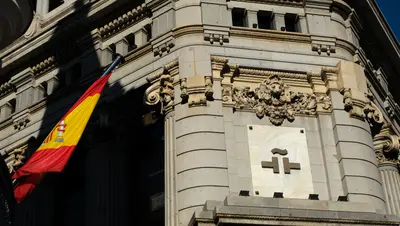
    Madrid Centro forms the historical and cultural heart of the Spanish capital, uniting royal splendor with vibrant everyday life. Here you'll find significant landmarks such as the Puerta del Sol, Spain's central reference point, and the magnificent Plaza Mayor with its arcades, bearing witness to the Habsburg monarchy. The majestic Palacio Real, Europe's largest royal palace, reveals the rich history of the Bourbons. Along the bustling Gran Vía, historical buildings, theaters, and shopping opportunities line up, while the Mercado de San Miguel offers authentic Spanish gastronomy. To optimally experience the atmosphere, you best explore the alleys on foot. Ideally, plan your visits to the Royal Palace in the morning to avoid crowds; spring and autumn are ideal for pleasant city strolls.
    San Lorenzo de El Escorial

    San Lorenzo de El Escorial

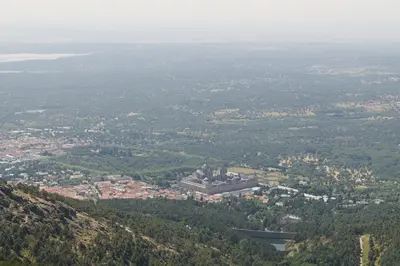
    Eine beeindruckende Klosteranlage und königlicher Palast, ein UNESCO-Welterbe und Symbol der spanischen Macht im 16. Jahrhundert.
    Aranjuez

    Aranjuez

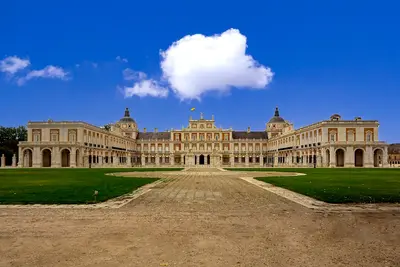
    Aranjuez, south of Madrid, is a UNESCO Cultural Landscape brimming with royal splendor and expansive gardens. Visit the Palacio Real de Aranjuez, summer residence of the Bourbons, with its opulent halls. The gardens, such as the Jardín del Príncipe, invite you to stroll amidst fountains and sculptures. At the Museo de las Falúas Reales, you'll see royal barges from the Tagus River. Visit Aranjuez in spring or autumn; explore the grounds on foot or by bike for the best experience.