Fernweh: Home
    ExploreTravel GuidesPlan a tripMy tripLast visited
    de|en
    All Places & RegionsAll highlightsAbout FernwehFAQPrivacy PolicyImprint
    ExploreTravel GuidesPlan a tripMy tripLast visited
    Picos de Europa Nationalpark (Cangas de Onís)

    Spain

    Picos de Europa Nationalpark (Cangas de Onís)

    National ParkCulture

    As a gateway to the Picos de Europa National Park, the region around Cangas de Onís offers high mountain landscapes, the pilgrimage site of Covadonga, and many opportunities for outdoor activities.

    by Felix Gillen

    1. Home
    2. Destinations
    3. Spain
    4. Asturias
    5. Picos de Europa Nationalpark (Cangas de Onís)
    As a gateway to the Picos de Europa National Park, the region around Cangas de Onís offers high mountain landscapes, the pilgrimage site of Covadonga, and many opportunities for outdoor activities.

    Sehenswürdigkeiten

    Discover the most important sights and attractions

    Puente Romano (Cangas de Onís)

    1Puente Romano (Cangas de Onís)

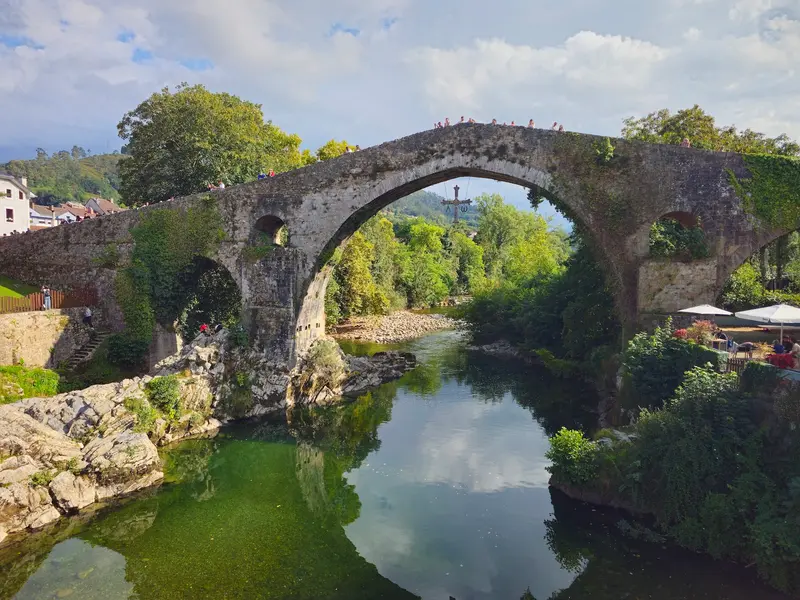
    The so-called Roman Bridge spans the Sella in Cangas de Onís. Despite its name, this arch bridge dates from the Middle Ages, likely from the late 13th century. Beneath the main arch hangs a replica of the Cruz de la Victoria, the symbol of Asturias, whose original is kept in Oviedo Cathedral.
    Open in Google Maps
    Santa Cueva de Covadonga
    Place of Worship

    2Santa Cueva de Covadonga

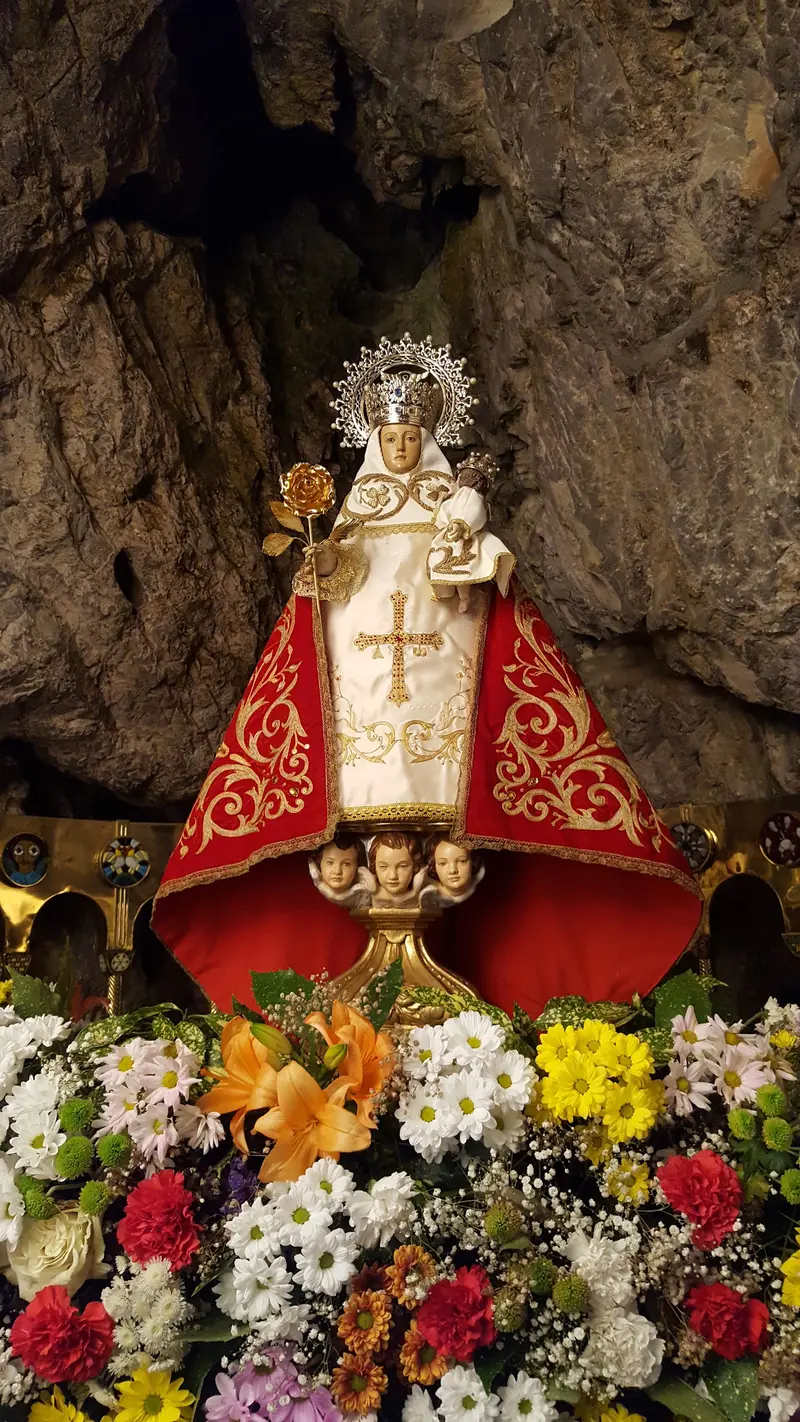
    The grotto in the rock face above the valley is the heart of the Sanctuary of Covadonga, Asturias' most visited monumental ensemble. Inside, it houses a small chapel with the image of the Virgen de Covadonga and the tomb of Don Pelayo. According to tradition, Pelayo and his men found refuge here during the Battle of Covadonga.
    Open in Google Maps
    Basilica of Covadonga
    Church

    3Basilica of Covadonga

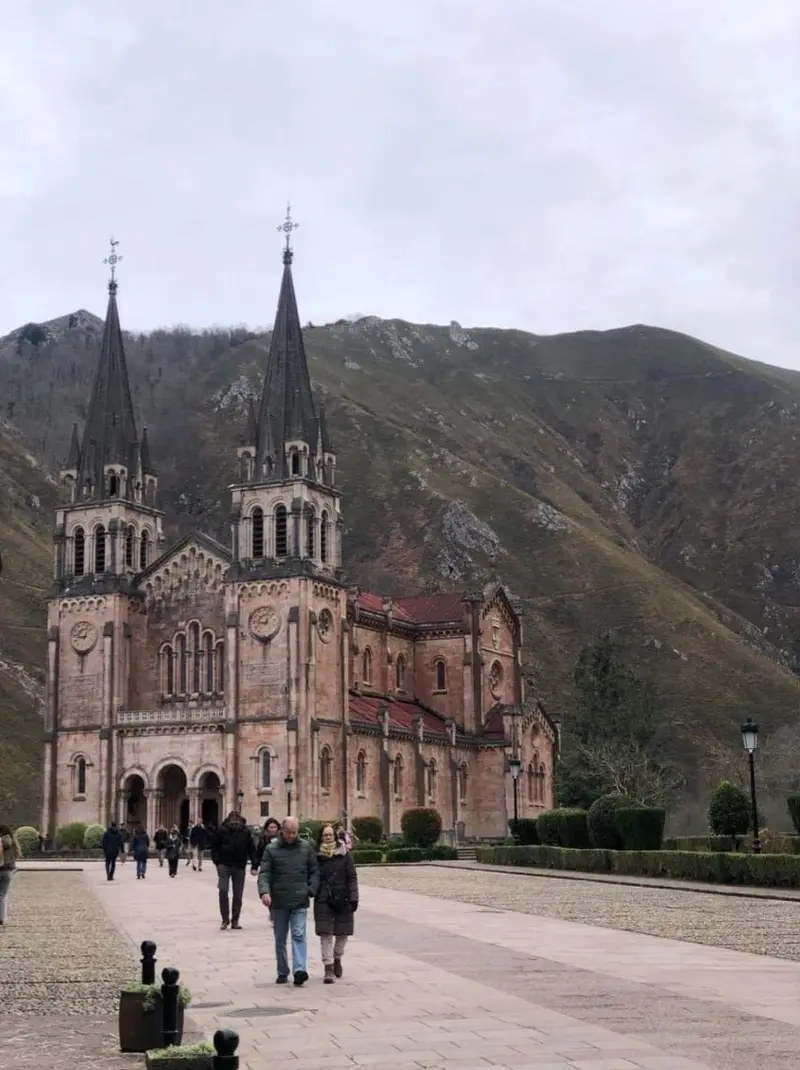
    The Basílica de Santa María la Real was built between 1877 and 1901, designed by Roberto Frassinelli, with Federico Aparici overseeing its construction. It is built entirely of pink limestone in the Neo-Romanesque style and belongs to the sanctuary of Real Sitio de Covadonga.
    Open in Google Maps
    Ruta del Cares
    Attraction

    4Ruta del Cares

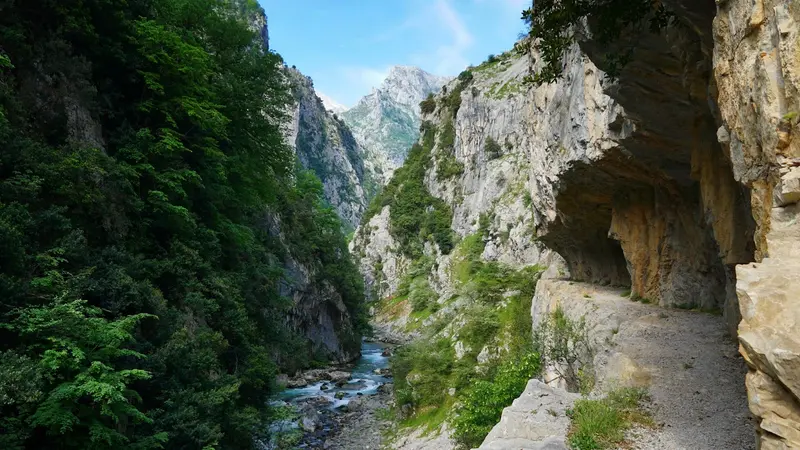
    The most popular hiking route in the Cantabrian Mountains leads about 12 kilometers from Poncebos in Asturias to Caín in León through the Cares Gorge, also known as Garganta Divina. The path was created from 1915 as a maintenance path for a water channel to the Poncebos power plant and often runs unsecured above deep abysses. Along the way, there is little shade and no refreshments, bring water and provisions.
    Open in Google Maps
    Lagos de Covadonga
    Natural Feature

    5Lagos de Covadonga

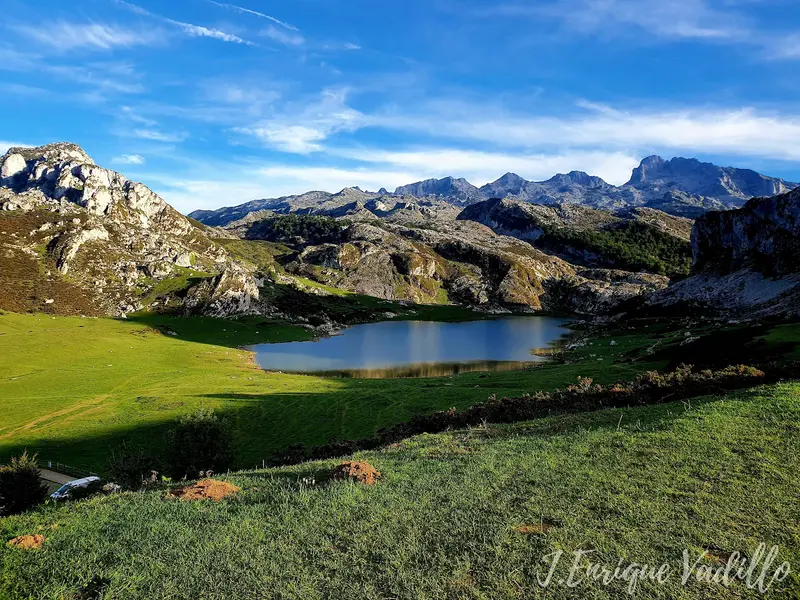
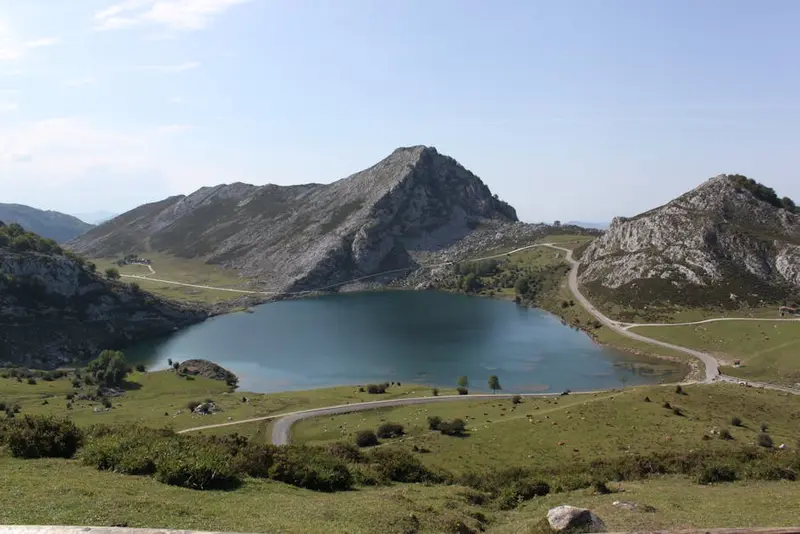
    The glacial lakes Enol and Ercina lie in the Asturian Picos de Europa National Park; a 14.5 km mountain road ascends from Covadonga Sanctuary. The road is closed to private cars in high season; buses run from Cangas de Onís. Near Lake Ercina, ore was mined in the Buferrera mines until 1979.
    Open in Google Maps

    Essen & Trinken

    1

    La sifoneria

    Bar in C. San Pelayo.
    Show on Google Maps
    2

    Casa Pedro - Restaurante y Alojamiento Rural

    Bar in sin número.
    Show on Google Maps
    3

    El Campanu | FINCA VILLA MARÍA

    Restaurant in Av. Contranquil.
    Show on Google Maps
    4

    La Madreñeria

    Restaurant in C. Calz. de Ponga.
    Show on Google Maps
    5

    Sidreria Vega Redonda

    Bar in P.º del Río Güeña.
    Show on Google Maps

    Accommodations in Picos de Europa Nationalpark (Cangas de Onís)

    Find perfect stay in Picos de Europa Nationalpark (Cangas de Onís)

    Booking.com* (Affiliate link)
    Search Hotels
    Agoda* (Affiliate link)
    Search Hotels
    Airbnb
    Vacation Rentals

    * Affiliate link: if you book through it, we earn a small commission. The price stays the same for you.

    Campgrounds in Picos de Europa Nationalpark (Cangas de Onís)

    Find perfect campground in Picos de Europa Nationalpark (Cangas de Onís)

    Search via Google Maps
    Campgrounds nearby (15km)
    Camping.info
    Find Campgrounds
    Park4Night
    RV Parks & Camping

    Nearby

    Lastres and Tazones

    Lastres and Tazones

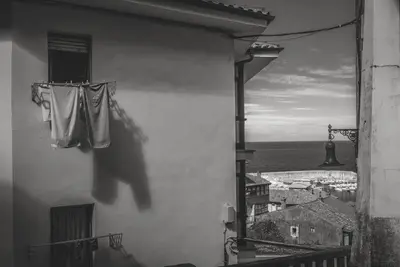
    The fishing villages of Lastres and Tazones on the Asturian coast feature colourful houses, steep streets, and small harbours, offering a glimpse into Asturias' traditional coastal life.
    Llanes

    Llanes

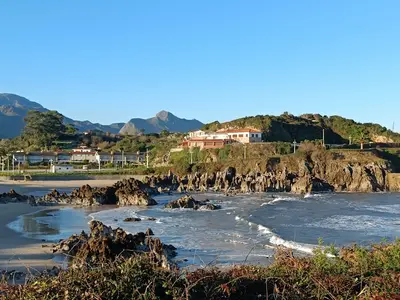
    Llanes is a coastal town in eastern Asturias that combines maritime history with nature. Here you will find a well-preserved old town with the largest surviving section of medieval town wall in Asturias and a round 13th-century torreón. In the harbour, between 2001 and 2006 Agustín Ibarrola painted the concrete blocks of the breakwater into the colourful installation Cubos de la Memoria. Along the coast lie special beaches such as Playa de Toró with its pointed rocks and Playa de Gulpiyuri, a small beach about 100 metres inland that the sea fills with water through underground passages in the karst. The Paseo de San Pedro above the town offers wide views of the harbour, the coast and the Sierra del Cuera. In late spring or early autumn it is mild and less crowded. On a stroll through the old town you will see traditional architecture, buildings by returnees from the Americas such as the 1910 Casino, and sidrerías (cider houses).
    Gijón

    Gijón

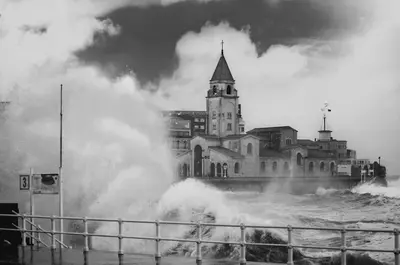
    Gijón is Asturias' largest city, blending maritime heritage with history and urban life. In the historic core of Cimavilla on Cerro de Santa Catalina, you'll find narrow streets; atop the hill stands Chillida's sculpture "Elogio del Horizonte" since 1990.The city beach San Lorenzo defines its image; the Roman baths at Campo Valdés, dating from the 1st to 2nd centuries, bear witness to its ancient past. The monumental former Universidad Laboral, whose construction began in the 1940s, now houses the cultural center Laboral Ciudad de la Cultura.In a Sidrería, try Asturian cider and regional specialties. Spring and autumn offer a pleasant climate for your visit.
    Asturias

    Asturias

    Asturias is located between the Cantabrian Sea and the Cantabrian Mountains, combining green landscapes, rugged coastlines, and a long cultural history. The region is known for its Pre-Romanesque architecture, the Picos de Europa, and its cuisine. It is ideal for both nature and cultural travel.
    Oviedo

    Oviedo

    The capital of Asturias has a well-preserved Old Town with a Gothic cathedral, whose 9th-century Cámara Santa is a UNESCO World Heritage site. On Monte Naranco are the Pre-Romanesque buildings Santa María del Naranco and San Miguel de Lillo, also World Heritage sites.

    Sources & method

    • Photos: Wikimedia Commons, Unsplash, Google Maps. Each photo carries its credit.
    • Place data such as addresses and ratings comes from Google Maps.
    • The content is based on web research from public, traceable sources. How the content is made · The role of AI