Fernweh
    ExploreTravel GuidesMy Trips
    de|en
    About FernwehImprintFAQPrivacy Policy
    ExploreTravel GuidesMy Trips
    Asturias

    Asturias

    Region
    1. Home
    2. Destinations
    3. Spain
    4. Asturias
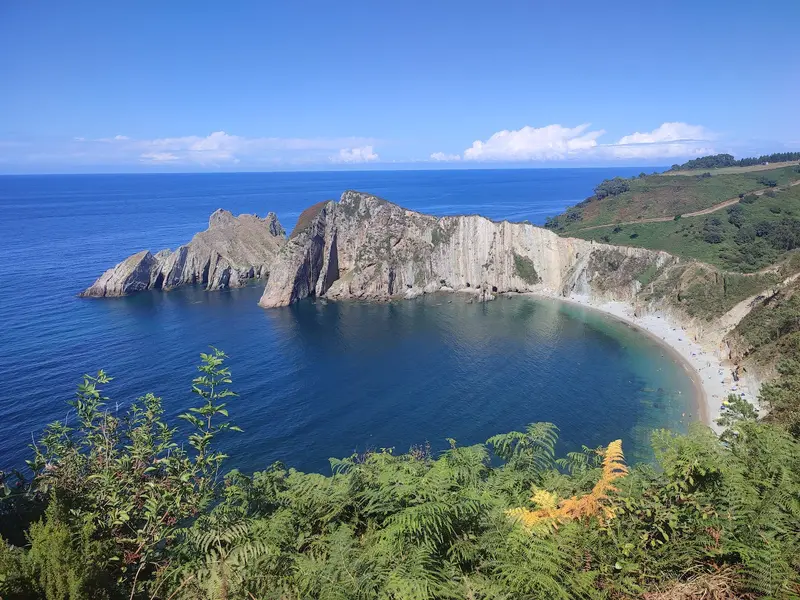
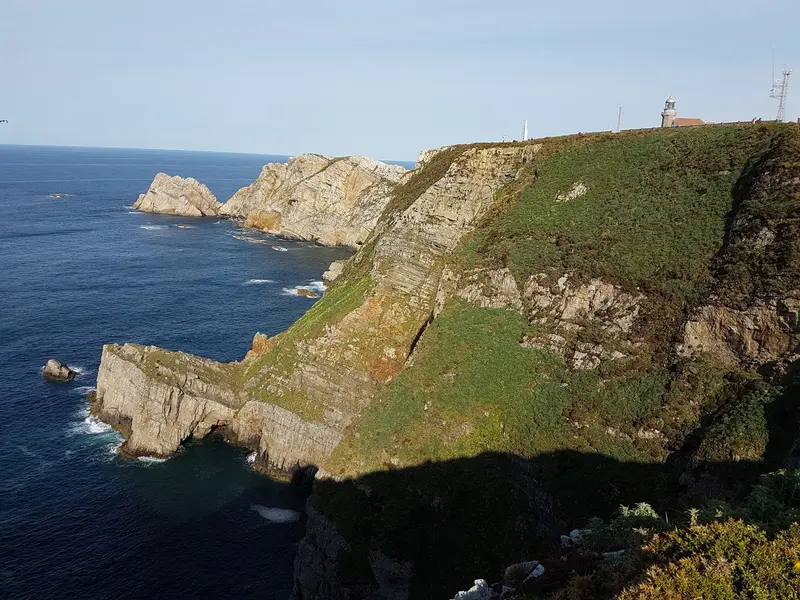
    The fascinating Asturias, nestled between the Cantabrian Sea and the majestic Cantabrian Mountains, enchants with a unique blend of green landscapes, rugged coastlines, and rich cultural history. Known for its Pre-Romanesque architecture, the Picos de Europa, and outstanding gastronomy, this region of Northern Spain offers unforgettable experiences for nature lovers and culture enthusiasts alike.
    • Overview
    • Places in the region
    • Eat & drink
    • Culture
    • Nearby
    • Overview
    • Places in the region
    • Eat & drink
    • Culture
    • Nearby
    Asturias in northern Spain offers a contrasting landscape: the green Costa Verde meets the alpine Picos de Europa. Pre-Romanesque architecture, with UNESCO sites like Santa María del Naranco near Oviedo, testifies to Asturias' rich history. The Sidra culture is culturally defining; visit a Sidrería to taste the cider. Discover the capital Oviedo, the coastal charm of Gijón, and charming fishing villages. The Picos de Europa invite you to go hiking. For a relaxed experience, a visit in spring or autumn is recommended.

    Places in Asturias

    Gijón

    Gijón

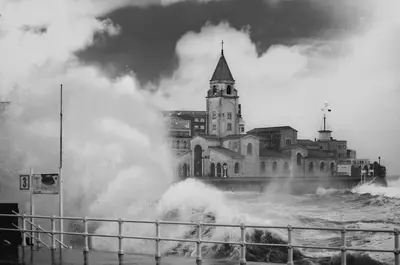
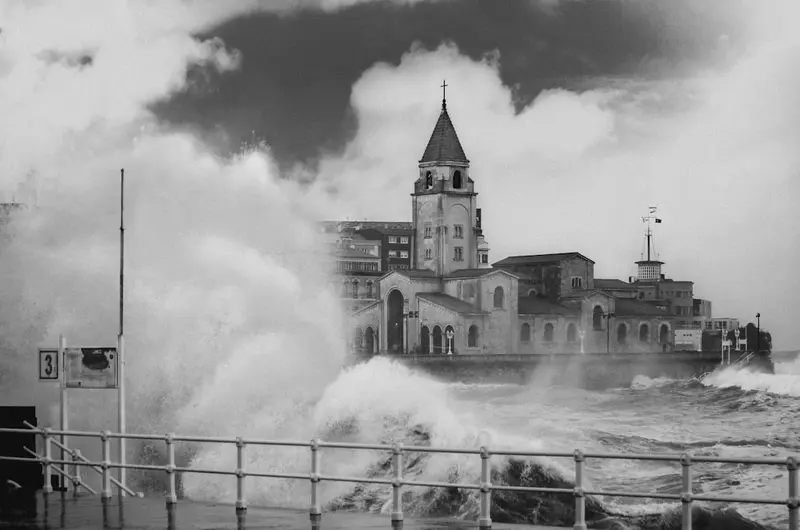
    Gijón, Asturias' largest coastal city, combines maritime heritage with rich history and urban flair.Historic Cimavilla features narrow streets and Chillida's "Elogio del Horizonte" on Cerro de Santa Catalina.The city beach San Lorenzo defines the image; Roman baths Campo Valdés bear witness to its ancient past.The Laboral Ciudad de la Cultura is a modern cultural center.Sample Asturian cider and specialties in a Sidrería. Spring or autumn offer the best climate for your visit.
    Lastres and Tazones

    Lastres and Tazones

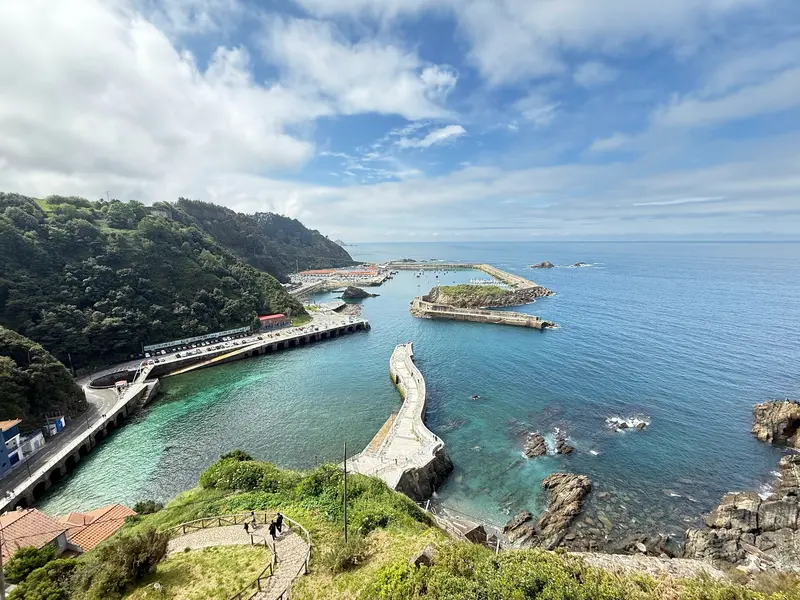
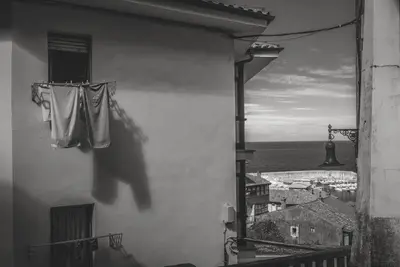
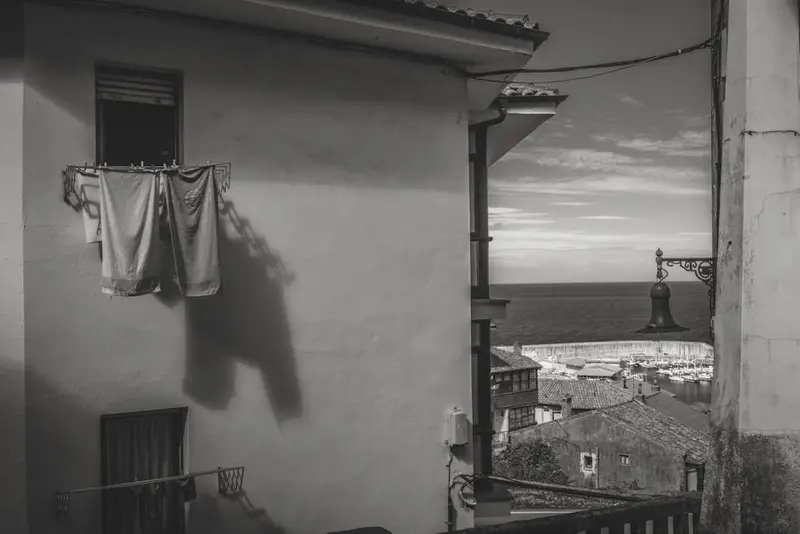
    The fishing villages Lastres and Tazones are among Spain's most beautiful, with their colorful houses, steep streets and traditional harbors, offering an authentic glimpse into Asturian coastal life.
    Llanes

    Llanes

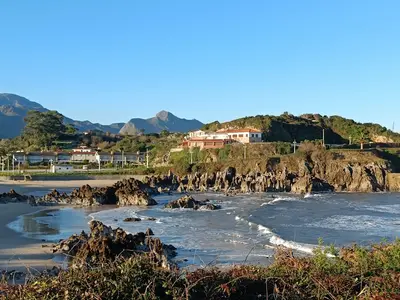
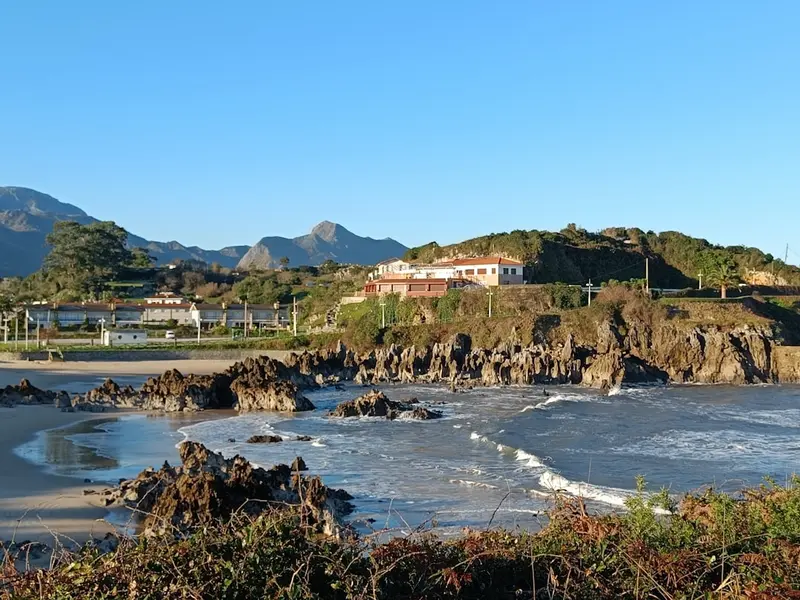
    Llanes, a charming coastal town in Asturias, combines maritime history with impressive nature. Here you'll find a well-preserved old town with medieval walls and the historic Torreón. The lively harbour is the heart of the town, where fishing boats and Agustín Ibarrola's colourful art installation Cubos de la Memoria define the scene. Along the coast, you'll discover unique beaches like Playa de Toró with its striking rock formations or the bizarre Playa de Gulpiyuri, a small saltwater inland lake. The Paseo de San Pedro offers spectacular views of the Cantabrian Sea and the Picos de Europa in the background. It's best to visit Llanes in late spring or early autumn to enjoy mild temperatures and fewer visitors. A stroll through the old town's alleys reveals traditional Asturian architecture and cozy Sidrerías.
    Oviedo

    Oviedo

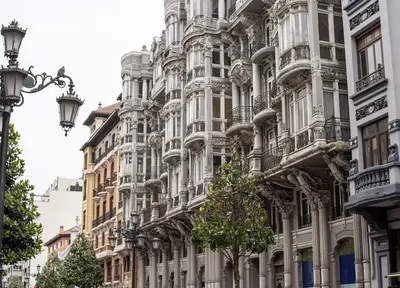
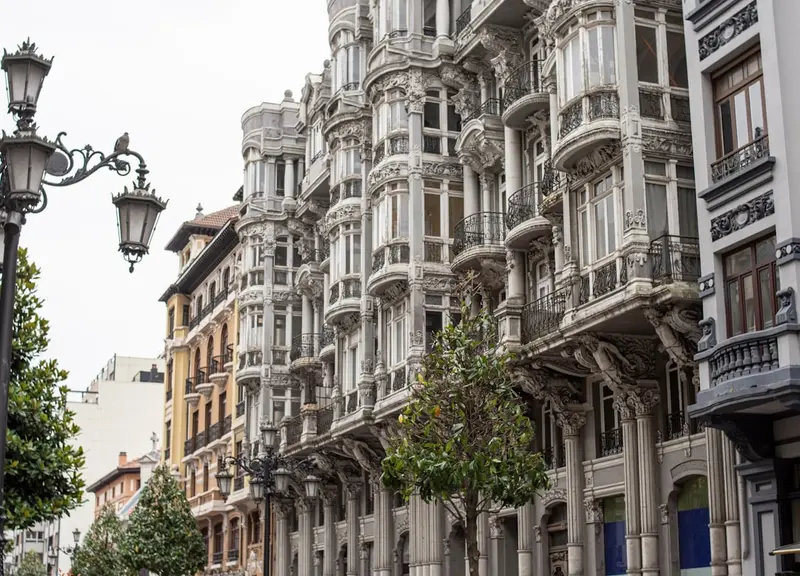
    Die elegante Hauptstadt Asturiens besticht mit einer wunderschönen Altstadt, der beeindruckenden Kathedrale und den zum UNESCO-Welterbe gehörenden präromanischen Kirchen am Monte Naranco.
    Picos de Europa Nationalpark (Cangas de Onís)

    Picos de Europa Nationalpark (Cangas de Onís)

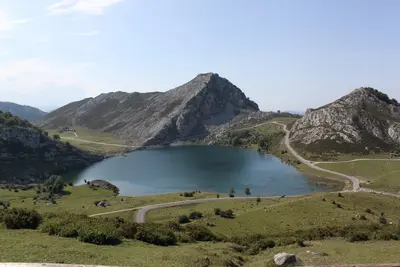
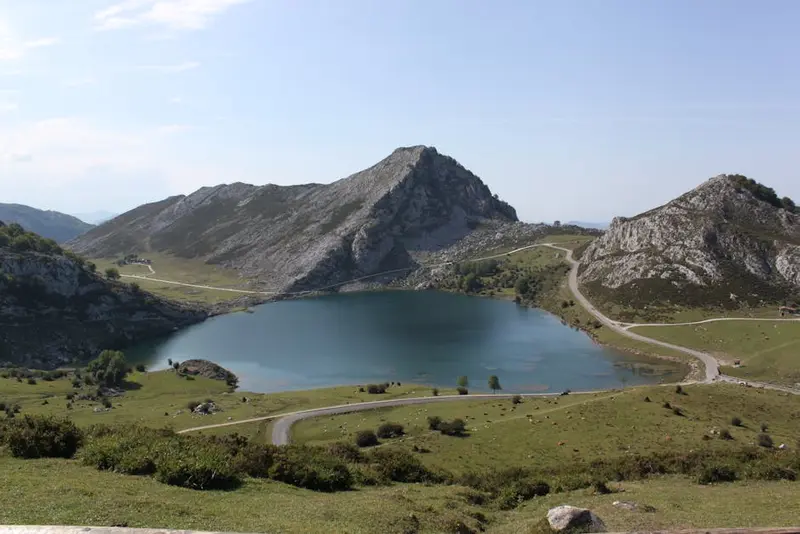
    Als Tor zum Picos de Europa Nationalpark bietet die Region um Cangas de Onís atemberaubende Berglandschaften, die heilige Stätte Covadonga und unzählige Möglichkeiten für Outdoor-Aktivitäten.

    Sights in Asturias

    Discover the most important sights and attractions

    Plaza de Riego

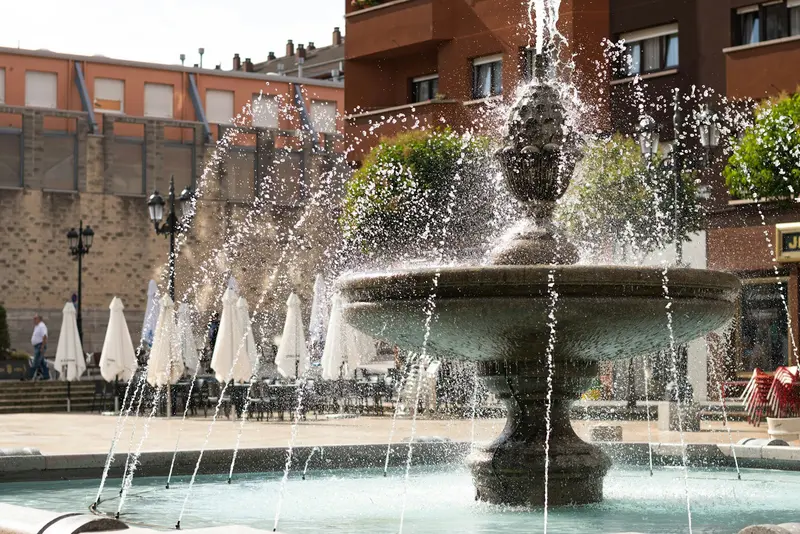
    The Plaza de Riego in Asturias is a central square named after the liberal General Rafael del Riego, a key figure in 19th-century Spanish constitutional history. This square serves as a living testament to the political upheavals of that era and is an important meeting point for locals. Here, you'll often find traditional buildings with characteristic arcades, offering shade and an invitation to linger. The architecture reflects typical Asturian elements, often with wrought-iron balconies and colorful facades, which lend the square a special atmosphere. By day, you can observe the bustling activity, while evenings invite a relaxed stroll. Our Tip: Visit the square in the late afternoon to capture the soft light for photos and experience the local atmosphere in the surrounding cafés. To avoid crowds, a weekday morning visit is recommended.
    Open in Google Maps

    Museo de Geología - Universidad de Oviedo

    The Museo de Geología of the University of Oviedo offers a deep insight into the geological history of Asturias and beyond. It is housed within the university's premises, an institution with a rich academic tradition dating back to the 17th century. Here you will find an impressive collection of minerals, rocks, and fossils, valuable for both specialists and interested amateurs alike. The exhibits highlight the formation of the Cantabrian mountain range, the region's rich mining history, and the evolution of life on Earth. Here you can marvel at rare specimens, often sourced from local finds, impressively documenting Asturias' geological diversity. Our tip: Plan your visit on a weekday to enjoy a quieter atmosphere and study the exhibits at your leisure. The museum is also an excellent starting point to explore the historic campus of the University of Oviedo, which is itself architecturally interesting. Look out for special exhibitions, which often present current research findings.
    Open in Google Maps

    Plaza de la Constitución

    The Plaza de la Constitución in Oviedo, the heart of Asturias, is a historically significant place that has been the center of urban life for centuries. Originally known as Plaza Mayor, it was the setting for important events and gatherings. Here you'll find the imposing Ayuntamiento (City Hall), a magnificent 17th-century Baroque building that dominates the west side of the square. Opposite stands the Church of San Isidoro el Real, whose origins date back to a Jesuit college and which lends the square an additional historical depth. Today, the Plaza is a lively meeting point, lined with cafés and terraces that invite you to linger and observe the bustling activity. It's an ideal spot to soak up the local atmosphere and perhaps enjoy a traditional Asturian sidra. Our tip: Visit the square in the late morning to peacefully explore the architectural details before the terraces become livelier in the afternoon. For a particularly atmospheric photo of the illuminated City Hall, early evening is recommended.
    Open in Google Maps

    Santa María del Naranco

    The Santa María del Naranco, located near Oviedo in Asturias, is an outstanding example of Spanish Pre-Romanesque architecture and a UNESCO World Heritage site. Originally built in the 9th century (around 842-848 AD) under King Ramiro I as a royal palace or aula regia, the building was later converted into a church. You'll see a unique two-story construction with striking buttresses and an innovative barrel vaulting system, which was remarkable for its time. The facades are adorned with fine reliefs depicting geometric patterns, animals, and human figures, offering deep insights into Asturian early medieval art. Our Tip: Visit the site early in the morning or late in the afternoon to enjoy the tranquility and make the most of the soft light for photos. From here, you also get beautiful views of the surrounding landscape.
    Open in Google Maps

    Museum of Fine Arts of Asturias

    The Museum of Fine Arts of Asturias in Oviedo is one of Northern Spain's most significant art institutions and a cultural anchor point for the region. It houses an extensive collection that depicts the art history of Asturias and beyond. Here you'll find works from the Middle Ages to the present day, spread across several historic buildings, including the impressive 18th-century Palacio de Velarde and the 17th-century Casa de Oviedo-Portal, which are architectural highlights themselves.The collection comprises over 15,000 exhibits, including paintings, sculptures, drawings, and prints. While the focus is on Asturian artists, you can also admire masterpieces by Spanish greats such as El Greco, Goya, Sorolla, and Joaquín Vaamonde. International artists are also represented, reflecting the diversity of European art history. The chronological arrangement allows you to trace the development of art styles and gain deep insights into various epochs.Our Tip: Plan your visit for a weekday morning to best enjoy the tranquility of the halls and view the artworks without large crowds. Look out for the rotating special exhibitions, which often offer new perspectives on the permanent collection and provide an additional incentive to visit.
    Open in Google Maps

    Essen & Trinken

    Asturias's Cultural Heritage

    Asturias boasts a distinct cultural identity, shaped by its historical isolation and its early medieval significance. As the cradle of the Kingdom of Asturias, which emerged in the 8th century during the Reconquista as a Christian stronghold, its history is deeply rooted.This era gave rise to a unique pre-Romanesque architectural style, known as „Arte Prerrománico Asturiano“. Significant examples include the UNESCO World Heritage churches of Santa María del Naranco and San Miguel de Lillo near Oviedo, which are distinguished by innovative vaulting systems and decorative elements.Beyond architecture, deeply rooted traditions shape Asturian culture, including Celtic-influenced folk music with bagpipes (gaita) and traditional dances. The region also preserves ancient languages and dialects that contribute to its rich linguistic diversity.Gastronomy plays a central role, embodying centuries-old customs with dishes like Fabada Asturiana and the famous Sidra (cider), which is often ritually served as „escanciado,“ representing a unique social characteristic.

    Locations nearby

    These places are nearby — perfect for additional days or a day trip.

    Oviedo

    Oviedo

    Die elegante Hauptstadt Asturiens besticht mit einer wunderschönen Altstadt, der beeindruckenden Kathedrale und den zum UNESCO-Welterbe gehörenden präromanischen Kirchen am Monte Naranco.
    Gijón

    Gijón

    Gijón, Asturias' largest coastal city, combines maritime heritage with rich history and urban flair.Historic Cimavilla features narrow streets and Chillida's "Elogio del Horizonte" on Cerro de Santa Catalina.The city beach San Lorenzo defines the image; Roman baths Campo Valdés bear witness to its ancient past.The Laboral Ciudad de la Cultura is a modern cultural center.Sample Asturian cider and specialties in a Sidrería. Spring or autumn offer the best climate for your visit.
    Lastres and Tazones

    Lastres and Tazones

    The fishing villages Lastres and Tazones are among Spain's most beautiful, with their colorful houses, steep streets and traditional harbors, offering an authentic glimpse into Asturian coastal life.
    Picos de Europa Nationalpark (Cangas de Onís)

    Picos de Europa Nationalpark (Cangas de Onís)

    Als Tor zum Picos de Europa Nationalpark bietet die Region um Cangas de Onís atemberaubende Berglandschaften, die heilige Stätte Covadonga und unzählige Möglichkeiten für Outdoor-Aktivitäten.
    Llanes

    Llanes

    Llanes, a charming coastal town in Asturias, combines maritime history with impressive nature. Here you'll find a well-preserved old town with medieval walls and the historic Torreón. The lively harbour is the heart of the town, where fishing boats and Agustín Ibarrola's colourful art installation Cubos de la Memoria define the scene. Along the coast, you'll discover unique beaches like Playa de Toró with its striking rock formations or the bizarre Playa de Gulpiyuri, a small saltwater inland lake. The Paseo de San Pedro offers spectacular views of the Cantabrian Sea and the Picos de Europa in the background. It's best to visit Llanes in late spring or early autumn to enjoy mild temperatures and fewer visitors. A stroll through the old town's alleys reveals traditional Asturian architecture and cozy Sidrerías.