South Africa
Kruger National Park
Region
At nearly 20,000 square kilometers, Kruger National Park in northeastern South Africa is the country's largest wildlife sanctuary, roughly the size of Rhineland-Palatinate.
by Felix Gillen
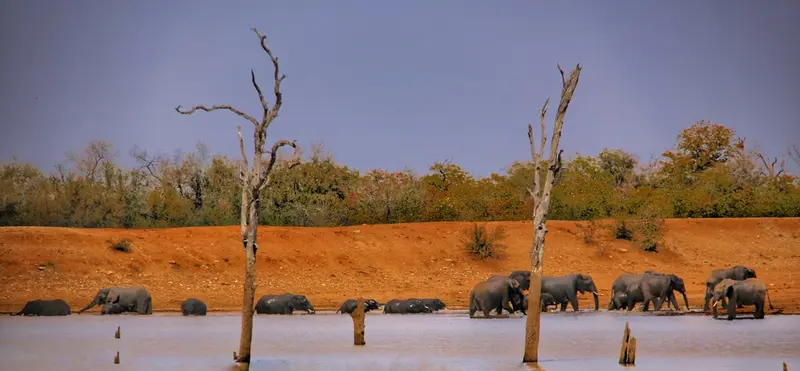
At nearly 20,000 square kilometers, Kruger National Park in northeastern South Africa is the country's largest wildlife sanctuary, roughly the size of Rhineland-Palatinate. It's home to the Big Five, plus giraffes, zebras, wild dogs, and over 500 bird species. The best part: You can explore the park on paved and gravel roads with your own rental car.
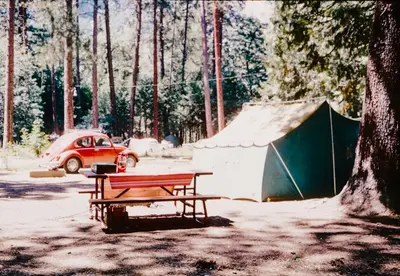
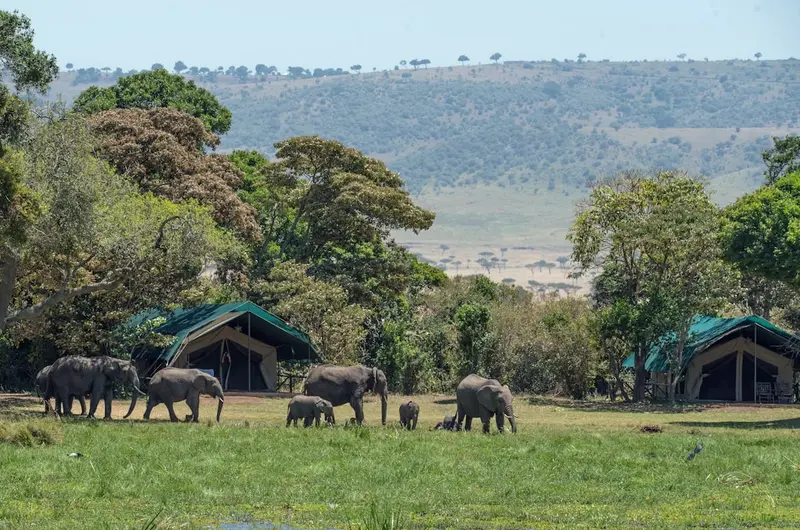
The park stretches about 350 kilometers from north to south along the border with Mozambique. Its core dates back to the Sabie Game Reserve, founded in 1898, becoming a National Park in 1926. The South, around Skukuza, Lower Sabie, and Crocodile Bridge, has the highest animal density and is reachable from Johannesburg in about five hours. The Center, around Satara and Olifants, is open savanna with many lions. The North, around Punda Maria, is quieter, with baobabs and abundant birdlife.At the state camps, you can stay in huts or on the campsite; bookings are made through SANParks, often months in advance for peak season. The gates open and close at fixed times; outside the camps, you may only exit your vehicle at marked spots. The best time for wildlife viewing is the dry season from May to September. The park is located in a malaria area; consult the travel and health advisories of the Federal Foreign Office (link on country page) and seek travel medical advice beforehand.
More places in Kruger National Park
Satara is Kruger National Park's second largest camp, situated in the open grass savanna of the park's central region. The plains attract large herds of zebras, wildebeest, and buffalo, and thus lions, which is why Satara is considered one of the best camps for big cats.
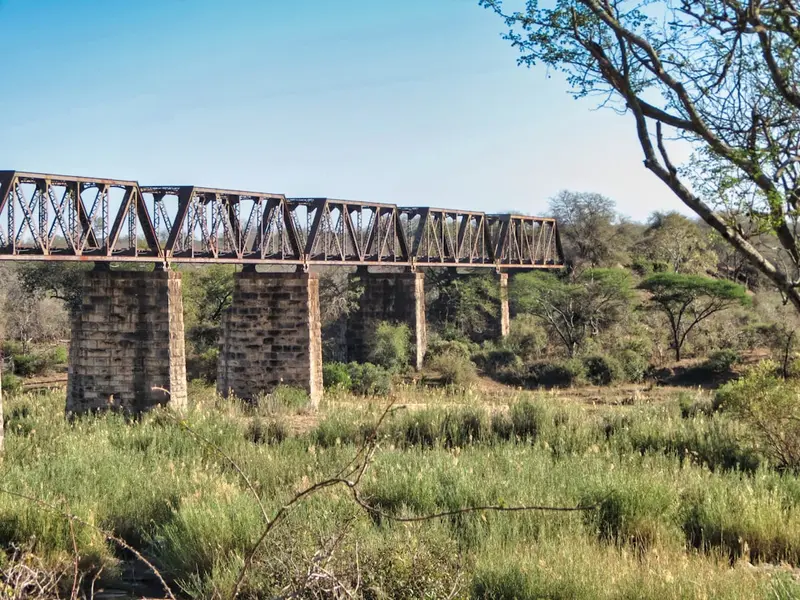
Skukuza is the largest camp and administrative headquarters of Kruger National Park, on the south bank of the Sabie River. With restaurants, a shop, a petrol station, an ATM, and its own airfield, it is more like a small village than a camp.
Dining in Kruger
Braai in Camp
In the camps, a grill is standard equipment; most accommodations have their own fire pit. Camp shops stock meat, charcoal, and Boerewors. After sunset, with gates closed, the Braai is the gathering spot where self-drivers share their daily sightings.
Restaurants in the Camps
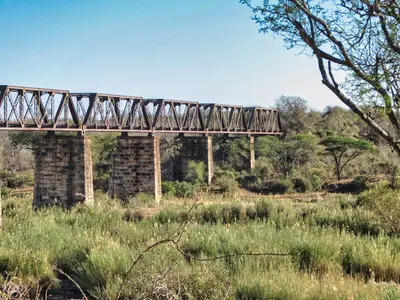
Skukuza has a restaurant in the old Selati railway station, plus a cafeteria. Larger camps like Letaba, Satara, and Olifants also have restaurants, while smaller ones often only have a shop. The menu usually features steaks, burgers, and South African classics.
Picnic spots on the way
Between the camps, there are picnic sites where you can get out, such as Tshokwane, Nkuhlu, or Afsaal. At many, you can rent gas grills. Because the drives between two camps can take half a day, you usually eat lunch on the way.
Self-catering
If you plan to cook, it's best to shop before arrival in Mbombela (Nelspruit), Hazyview or Phalaborwa. Camp shops stock the essentials, but the selection is smaller and more expensive.