Fernweh
    ExploreTravel GuidesMy Trips
    de|en
    About FernwehImprintFAQPrivacy Policy
    ExploreTravel GuidesMy Trips
    Springbok

    Springbok

    CityCulture
    1. Home
    2. Destinations
    3. South Africa
    4. Namaqualand
    5. Springbok
    As the regional hub of Namaqualand, Springbok serves as an important junction on the N7 in South Africa. The town is particularly known for its spectacular spring wildflower bloom, which transforms the otherwise barren landscape into a sea of colours. In the Goegap Nature Reserve, east of the town, you can experience this natural splendour and the unique flora of the Succulent Karoo. Springbok's history, closely linked to copper mining, becomes tangible in the Namaqualand Museum and through old mine workings. The strategically important Koppie, a hill in the town centre, bears witness to its role in the Anglo-Boer War. The best time to visit for the bloom is between August and September; outside this period, Springbok serves as a practical stopover en route to Namibia.
    • Neighborhoods & highlights
    • Eat & drink
    • Culture
    • Getting around
    • Accommodation
    • Plan trip
    • Nearby
    • Neighborhoods & highlights
    • Eat & drink
    • Culture
    • Getting around
    • Accommodation
    • Plan trip
    • Nearby

    Overview

    Springbok, the regional center of Namaqualand, is an important transport hub on the N7 in South Africa. The town is internationally known for its spectacular spring wildflower bloom, which transforms the semi-arid landscape into a temporary sea of flowers. In the Goegap Nature Reserve, east of the town center, you can discover this impressive natural phenomenon and the unique Succulent Karoo flora. Springbok's history is closely linked to copper mining, which is vividly portrayed in the Namaqualand Museum and through the remains of old mining facilities. The central Koppie, a distinctive hill in the town center, served as a strategic point during the Anglo-Boer War and now offers panoramic views of the surrounding area. The optimal travel time for the wildflower spectacle is between mid-August and late September. Outside this period, Springbok serves as a practical and well-equipped stopover on the way to Namibia or the coastal towns.

    Places in Springbok

    Discover the most important sights and attractions

    Sights in Springbok

    Botes & Kennedy (Edms) BPK

    107 Voortrekker St, Springbok, 8240, Südafrika
    Open in Google Maps

    Undulata Country Lodge

    3 Soetdoring Cres, Doringpoort, Springbok, 8240, Südafrika
    Open in Google Maps

    Kliprand Guest House (merged with Elkoweru)

    1 King St, Springbok, 8240, Südafrika
    Open in Google Maps

    Desert Rose Guest House

    40 Republiek St, Simonsig, Springbok, 8240, Südafrika
    Open in Google Maps

    Goegap Nature Reserve

    Park in S29.6833627.
    Open in Google Maps

    Essen & Trinken

    Cultural Heritage and Springbok History

    Springbok, the heart of Namaqualand, boasts a rich history and a unique cultural heritage deeply rooted in the landscape and its people. The town serves as an interface between early European settlement and the indigenous Nama culture.Springbok was founded in 1862 amidst the copper mining boom, which significantly shaped the entire region's development. Historically, the town is closely tied to early mining activities and their associated infrastructure, a fact also reflected in its architecture. Buildings such as the Dutch Reformed Church, built in 1921, and former mining administration buildings bear witness to this era and the influence of the early settlers.A key aspect of the local culture is the presence of the Nama, an indigenous South African people. Their traditions, language, and deep understanding of the desert landscape continue to shape the cultural fabric. Springbok was also the scene of battles during the Second Boer War, underscoring the town's strategic importance and contributing to its multifaceted historical context.Springbok's cultural identity is a blend of its mining past, the Nama heritage, and robust adaptability to the arid environment. Local narratives and an appreciation for the unique flora and fauna of the semi-desert are an integral part of daily life, even if formal art galleries or theaters are less common in this small town. The region is better known for its natural "artworks" – the annual wildflower bloom – which symbolizes a deep cultural connection to nature.

    Getting Around Here

    Getting around Springbok primarily relies on individual solutions, as the city lacks a metro or tram system. Traditional public bus services are also scarce; instead, informal mini-bus taxis dominate the local transport scene, offering a cost-effective, yet less predictable option. For short distances within the city center, Springbok is quite pedestrian-friendly, but for exploring the wider surroundings or longer journeys, a rental car is highly recommended. While ride-sharing services like Uber or Bolt might have limited availability in Springbok, taxis can be booked by phone through local providers. Cycling is an option for the active, though there are no dedicated bike paths or e-scooter rental systems. Plan your trips outside the center in advance and inquire with your accommodation about reliable transport options to ensure a smooth travel experience.

    Accommodations in Springbok

    Accommodations in Springbok

    Find perfect stay in Springbok

    Booking.com
    Search Hotels
    Agoda
    Search Hotels
    Airbnb
    Vacation Rentals
    Hotels.com
    Hotels Worldwide
    Hostelworld
    Hostels

    Plan your trip to Springbok

    Save places, build a route and plan your city trip — all in one place.

    Save places

    Bookmark sights, restaurants and neighborhoods you're interested in.

    Build your route

    Turn your bookmarks into a route — define order, days and budget.

    Refine with AI

    Let Mein Fernweh suggest experiences and put together a tailored daily plan.

    Start trip planningOpen bookmarks

    Locations nearby

    These places are nearby — perfect for additional days or a day trip.

    Namaqualand

    Namaqualand

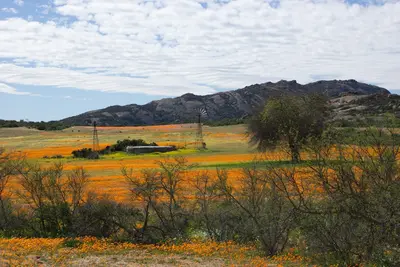
    The Namaqualand is a unique semi-desert region in South Africa, which once a year transforms into a breathtaking sea of flowers.Famous for its spectacular wildflower display in spring, it offers an unparalleled nature experience and insights into a rugged, yet beautiful landscape.
    Port Nolloth

    Port Nolloth

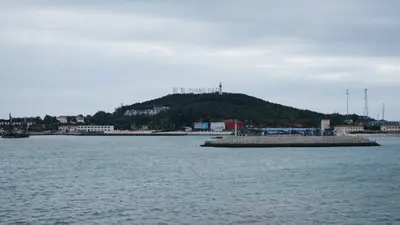
    Port Nolloth, a remote coastal town in South Africa, is deeply connected to the history of diamond mining and fishing. Here you'll find a unique atmosphere, shaped by the rugged beauty of the Namaqualand Desert and the Atlantic Ocean. The Port Nolloth Museum offers detailed insights into the region's former diamond industry and maritime heritage. A stroll along the harbour allows you to observe local fishermen at work and purchase fresh fish directly from the boat. The surrounding coastal landscape invites you to explore untouched beaches, where you can discover the unique flora of Namaqualand. Ideally, plan your visit during the South African spring (August to October) to experience the spectacular wildflower bloom that transforms the desert into a sea of colours.
    Augrabies Falls

    Augrabies Falls

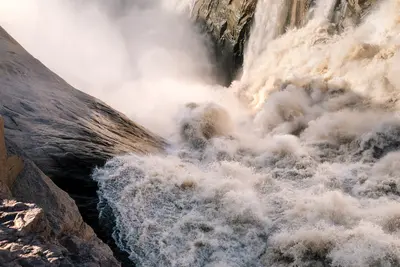
    Prepare yourself for an unforgettable natural spectacle: The Augrabies Falls in South Africa are a majestic wonder, where the mighty Orange River tumbles thunderously into a 56-meter-deep granite gorge. Surrounded by a rugged, primeval landscape of granite formations and aloe forests, you'll discover here not only the untamed power of the water, but also a unique flora and fauna that makes this place a true highlight of your journey through the Northern Cape Province.
    Paternoster

    Paternoster

    The charming fishing village of Paternoster enchants with its whitewashed houses, the rugged Atlantic, and is considered a mecca for lovers of fresh seafood.
    Upington

    Upington

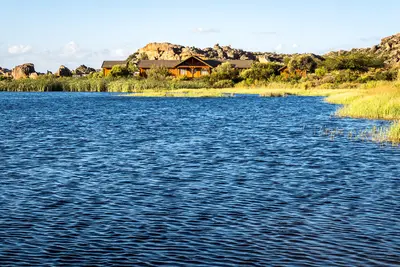
    Welcome to Upington, the vibrant heart of South Africa's Northern Cape Province and the gateway to the captivating "Green Kalahari"! Nestled directly on the majestic Orange River, this city is a true oasis which, with its fertile surroundings and vast, dry landscapes, creates a unique backdrop.Here you can experience the rich history of the region, feel the life-giving power of the river firsthand, and let yourself be enchanted by the warm hospitality of the people, while discovering the agricultural wonders such as the famous wine and raisin growing areas.