Fernweh: Home
    ExploreTravel GuidesPlan a tripMy tripLast visited
    de|en
    All Places & RegionsAll highlightsAbout FernwehFAQPrivacy PolicyImprint
    ExploreTravel GuidesPlan a tripMy tripLast visited
    • Overview
    • Places in the region
    • Round trips
    • Nearby
    Colombo & West Coast

    Sri Lanka

    Colombo & West Coast

    Region

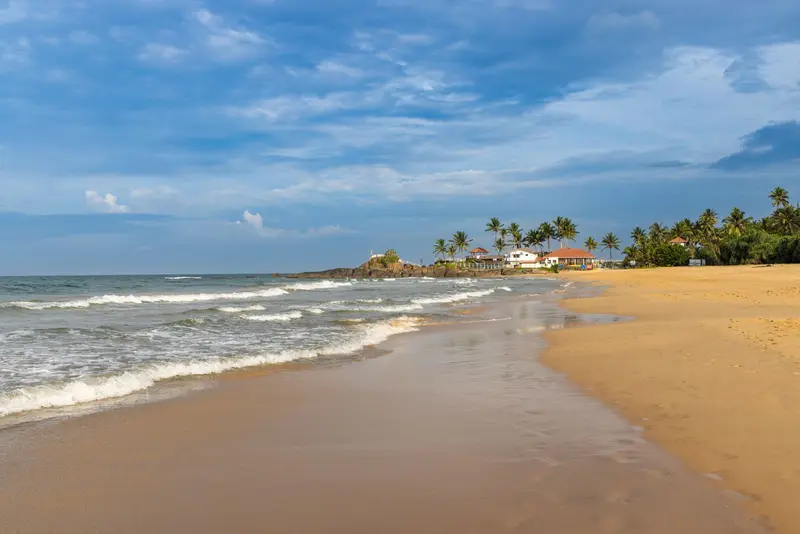
    Sri Lanka's west coast extends from Negombo near the international airport, through the capital metropolis Colombo, to the beaches and lagoons around Bentota, about 65 kilometers further south.

    by Felix Gillen

    1. Home
    2. Destinations
    3. Sri Lanka
    4. Colombo & West Coast
    Sri Lanka's west coast extends from Negombo near the international airport, through the capital metropolis Colombo, to the beaches and lagoons around Bentota, about 65 kilometers further south. For most travelers, it marks the first and last section of a tour, and it offers more than just an overnight stay between a flight and the highlands.Colombo blends colonial architecture from Portuguese, Dutch, and British eras with markets, temples, and a vibrant restaurant and bar scene. Along the coast, fishing villages, colonial-era canals, and the gardens of brothers Geoffrey and Bevis Bawa define the scenery.
    Colombo is the country's economic hub. Since 1978, Parliament has been located in neighboring Sri Jayawardenepura Kotte, but most embassies and businesses remained in Colombo. Worth seeing in the city are especially the Fort with the Old Dutch Hospital, the Pettah bazaar district, the Galle Face Green promenade with the Gangaramaya Temple inland, and the beach suburb of Mount Lavinia to the south.Negombo lies about 38 kilometers north of Colombo and only 9 kilometers from Bandaranaike Airport. The town is shaped by fishing, Catholic churches, and the Dutch Hamilton Canal, making it ideal for the first or last night of a trip.Bentota, at the mouth of the Bentota River, is a seaside resort offering water sports. Inland are Lunuganga, the country estate of architect Geoffrey Bawa, and his brother Bevis's Brief Garden. A little further south, the Madu Ganga lagoon, a Ramsar wetland since 2003, invites visitors to boat tours.
    Colombo

    Place 1 of 3

    Colombo

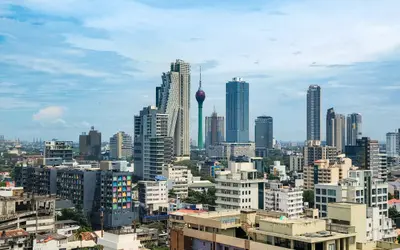
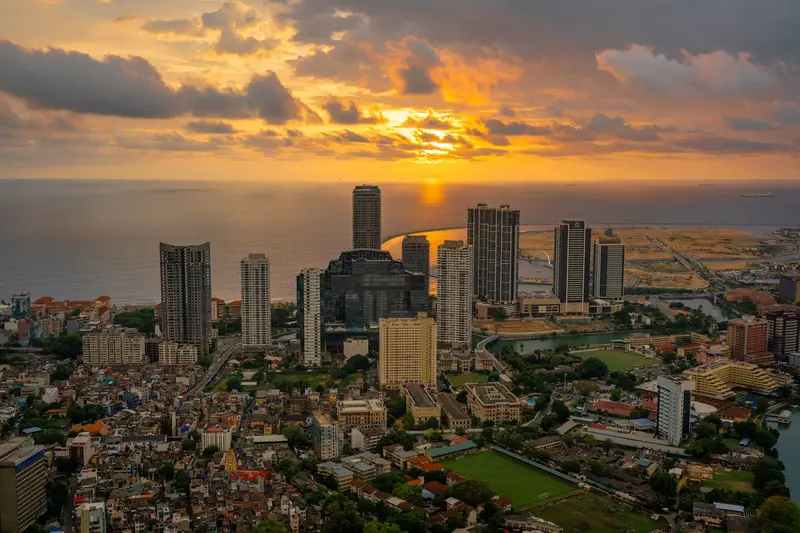
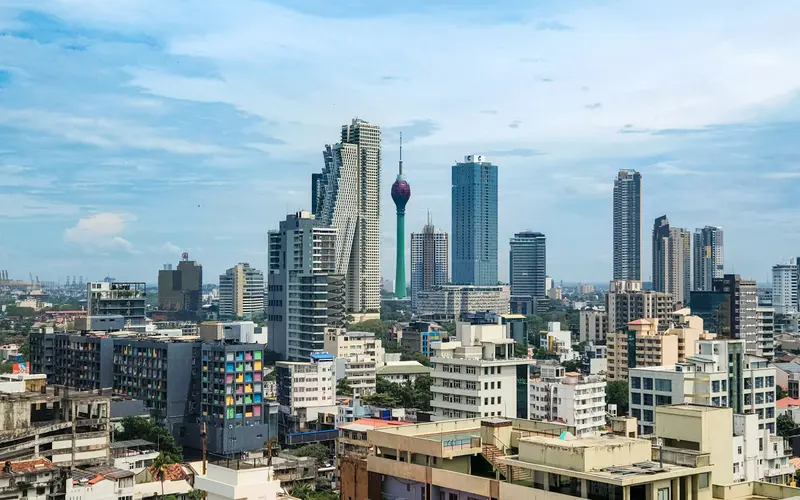
    Colombo, on the west coast, is Sri Lanka's largest city and its economic hub.

    Discover
    Bentota

    Place 2 of 3

    Bentota

    Bentota is located at the mouth of the Bentota River, approximately 65 kilometers south of Colombo and 56 kilometers north of Galle.

    Discover
    Negombo

    Place 3 of 3

    Negombo

    Negombo, on the west coast, is about 38 kilometers north of Colombo and just 9 kilometers from Bandaranaike International Airport.

    Discover

    Round trips through this region

    Classic Tour: Culture Triangle, Highlands and South Coast

    Classic Tour: Culture Triangle, Highlands and South Coast

    The classic route connects the old royal cities in the north of the island's center with Kandy, the tea mountains around Nuwara Eliya and Ella, a national park in the south, and the beaches between Mirissa and Galle. It is best suited from December to March.

    15 Days
    9 stops
    East Coast and North: Trincomalee, Jaffna and Arugam Bay

    East Coast and North: Trincomalee, Jaffna and Arugam Bay

    This route takes you to the island's rain shadow during the southwest monsoon: to the bays around Trincomalee, to Tamil-influenced Jaffna and the surf coast of Arugam Bay. It's ideal for May to September.

    15 Days
    7 stops

    Nearby

    Colombo

    Colombo

    Colombo, on the west coast, is Sri Lanka's largest city and its economic hub. Visitors to the island almost always arrive here, and the city is worth one or two days for its colonial architecture, markets, temples, and a wide selection of restaurants and rooftop bars.The Portuguese reached the coast in 1505 and began building a fort in 1517; the Dutch took over in 1656, followed by the British in 1796. Since 1978, Parliament has met in neighbouring Sri Jayawardenepura Kotte, and Colombo has since officially been regarded as the commercial capital. At the 2011 census, around 753,000 people lived in the urban area, with an estimated 5.6 million in the greater metropolitan area.The city districts are assigned postal codes: Colombo 1 is the Fort, the business district with colonial buildings; Colombo 11 is the bazaar district of Pettah. South of these are Kollupitiya (Colombo 3) with the Galle Face Green promenade, Bambalapitiya (Colombo 4), Wellawatte (Colombo 6), and the green villa quarter Cinnamon Gardens (Colombo 7) with the National Museum and Viharamahadevi Park. The beach resort of Mount Lavinia lies just south of the city limits.
    Fort & Pettah

    Fort & Pettah

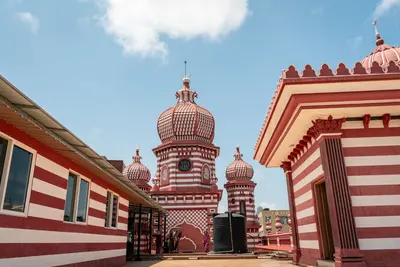
    Fort and Pettah form the historic heart of Colombo at the northern end of Galle Road. Here you'll find Dutch and British colonial buildings, the Red Mosque, and narrow market alleys, which together make up the city's most concentrated walking tour.The Fort (Colombo 1) was built on the site where the Portuguese landed in the early 16th century. In 1656, the Dutch East India Company conquered the fortress and rebuilt it; the British largely demolished the walls between 1869 and 1871. Today, the Fort is a business district, home to the President's Palace, the Old Parliament, and the World Trade Centre.Pettah (Colombo 11) lies to its east; the name originates from the Tamil "Pettai" and the Sinhalese "pita-kotuwa," both meaning "outside the Fort." The alleys are sorted by goods and are among the country's most bustling commercial districts.
    Galle Face & Kollupitiya

    Galle Face & Kollupitiya

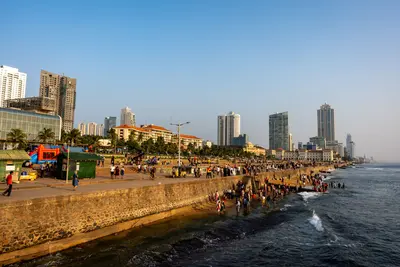
    Galle Face and Kollupitiya lie south of the Fort and, together with Beira Lake and Cinnamon Gardens, form Colombo's green heart. Home to the promenade, Gangaramaya Temple, the city's largest park, and the National Museum.Galle Face Green stretches about 500 meters along the sea and is a popular evening gathering spot. Inland, Kollupitiya (Colombo 3, also Colpetty) is a business district with shopping centers, embassies, and the Prime Minister's residence. By Beira Lake stand the Gangaramaya Temple and the Geoffrey Bawa-designed Seema Malakaya; further east, Cinnamon Gardens (Colombo 7) begins, featuring Viharamahadevi Park and the National Museum.
    Mount Lavinia

    Mount Lavinia

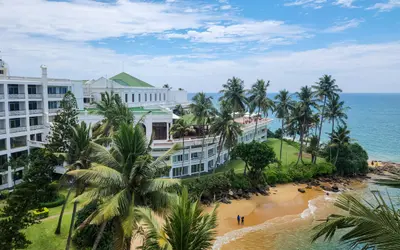
    Mount Lavinia is the coastal suburb south of Colombo, about 14 kilometers from Colombo Fort railway station. Its beach and the historic Mount Lavinia Hotel make it a popular destination for an afternoon by the sea or a sunset dinner.The town borders the urban area of Colombo beyond the Dehiwala Canal, and the coastal railway line towards Matara runs directly along the beach. A legend links its name to Governor Thomas Maitland and the dancer Lovina, though it is not historically proven.
    Negombo

    Negombo

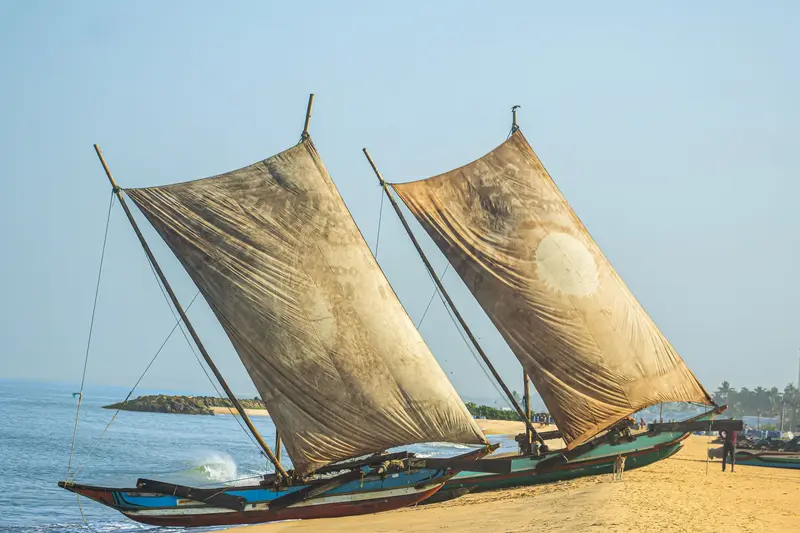
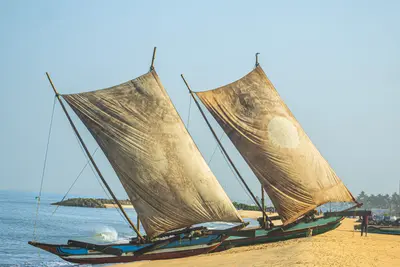
    Negombo, on the west coast, is about 38 kilometers north of Colombo and just 9 kilometers from Bandaranaike International Airport. This makes it the most practical spot for your first or last night, yet with its fish market, canals, and lagoon, it offers plenty for a full day.With its large Catholic population, almost two-thirds of residents, Negombo is known as Punchi Romaya, or Little Rome. Fishermen still venture out in outrigger canoes (Oruvas) and large catamarans, and the Dutch-built Hamilton Canal cuts right through town. Beach hotels and restaurants are mostly found north of the center along the coast, while the old center, with its fort and churches, sits at the lagoon's exit.

    Sources & method

    • Photos: Pexels. Each photo carries its credit.
    • The content is based on web research from public, traceable sources. How the content is made · The role of AI