Fernweh: Home
ExploreGuideDestinationsMy tripsMy trip
de|en
  • Why go
  • Highlights
  • Regions
  • Round trips
  • Local food
  • Good to know
  • Best time to visit
  • Travel advice
The Dominican Republic

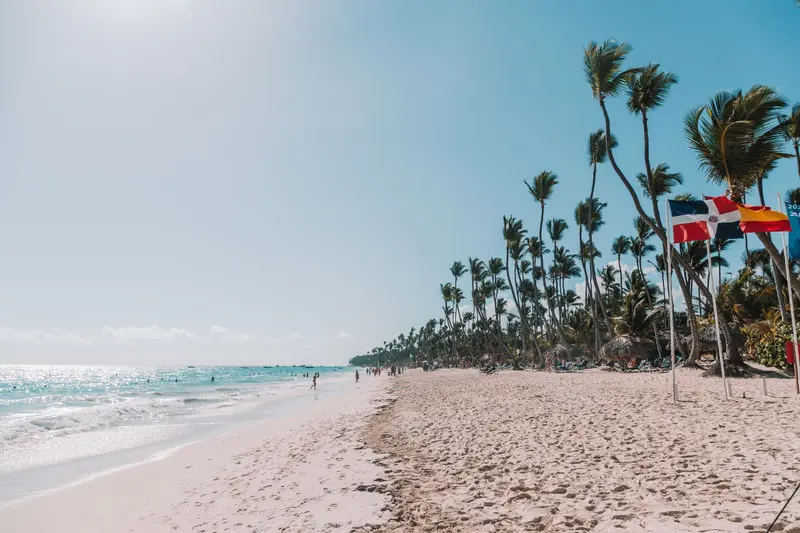
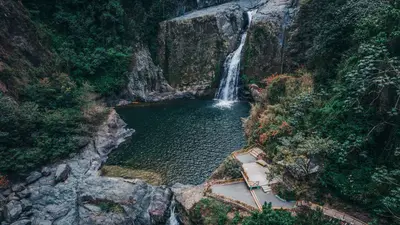
Photo by Joaquin Reyes Ramos on Pexels

Travel Guide The Dominican Republic

For current and binding travel and safety advice, see the UK FCDO travel advice at gov. uk/foreign-travel-advice/dominican-republic.

by Felix Gillen

Why Go To The Dominican Republic?

The Dominican Republic combines long Caribbean beaches with the oldest continuously inhabited European city in the Americas: Santo Domingo's Zona Colonial, UNESCO World Heritage since 1990. From mid-Jan to late Mar, humpback whales visit Samaná Bay; the north coast's trade winds attract kitesurfers; and Jarabacoa's mountains get cool enough for night frost at Pico Duarte.

Contents

  • Highlights
  • Regions
  • Round trips
  • Local food
  • Good to know
  • Best time to visit
  • Travel advice

Where in The Dominican Republic?

Search for places, sights, restaurants and round trips in The Dominican Republic.

Highlights in The Dominican Republic

What you should have seen
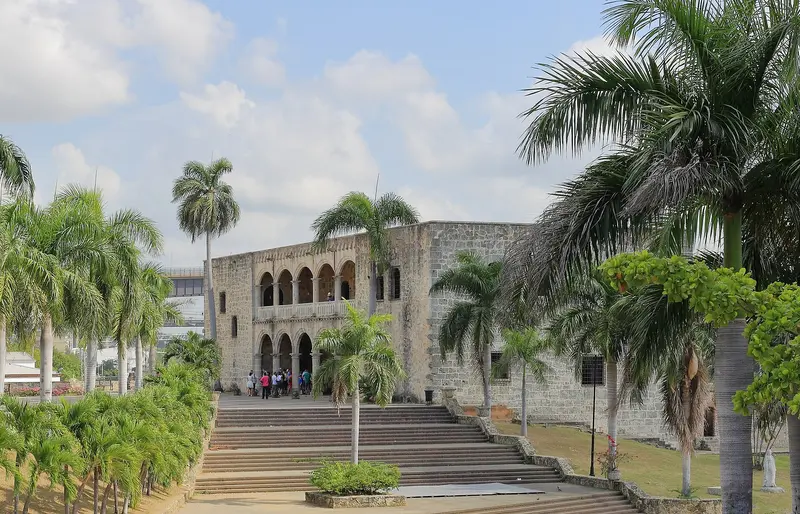
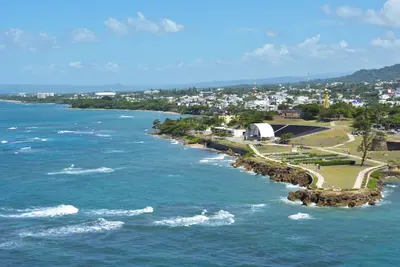
Santo Domingo

Martin Falbisoner / Wikimedia Commons / CC BY-SA 4.0, mod.
Highlight 1 of 4

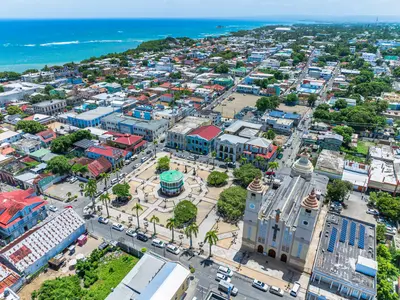
Santo Domingo

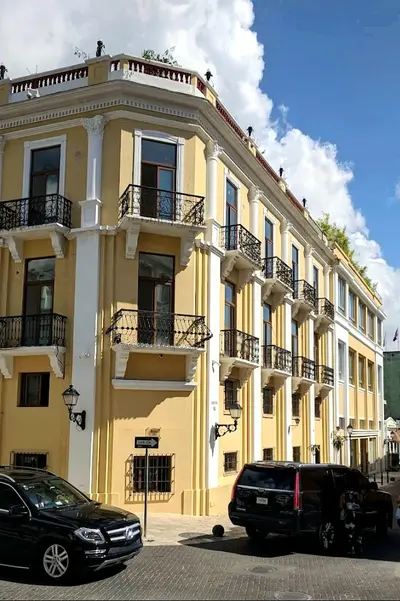
Santo Domingo, founded in 1496 and relocated to the west bank of the Río Ozama in 1502, is the oldest continuously inhabited European city in the Americas.

Discover
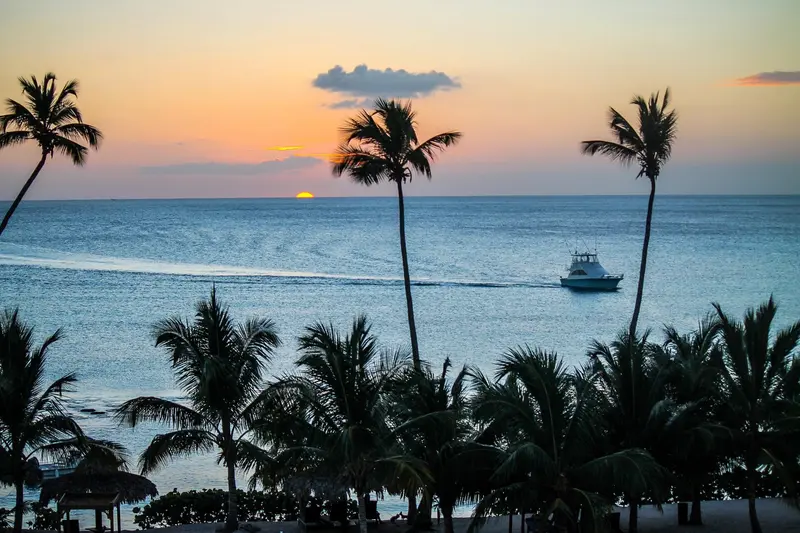
La Romana and Bayahibe

Cochoncarlos / Wikimedia Commons / CC BY-SA 4.0, mod.
Highlight 2 of 4

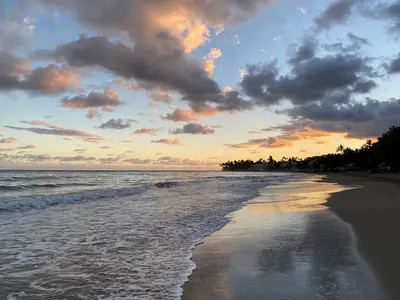
La Romana and Bayahibe

The port city of La Romana and the former fishing village of Bayahibe are the starting point for Isla Saona and Cotubanamá National Park.

Discover
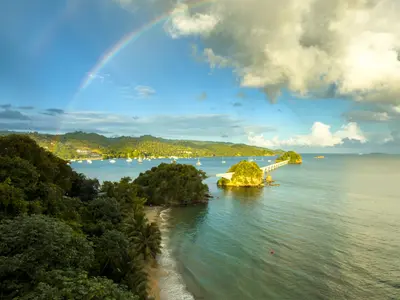
Isla Saona

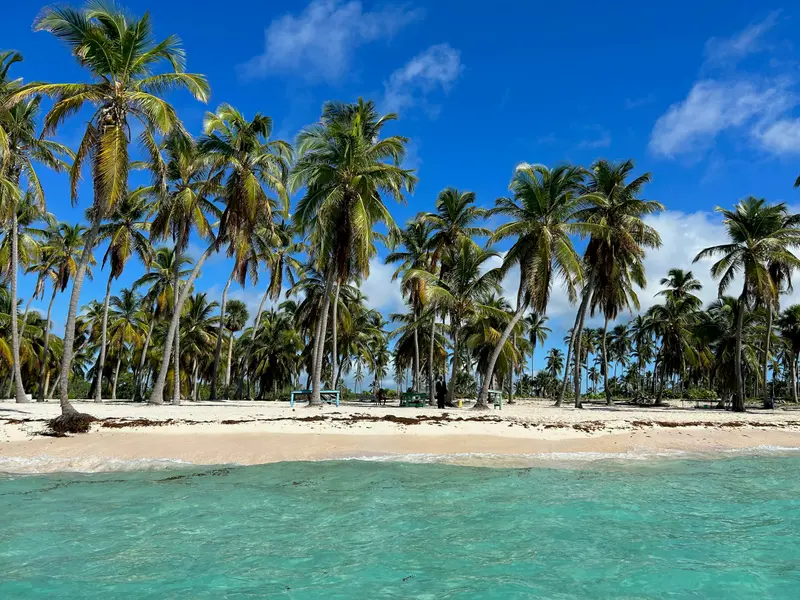
Photo by Stefan Hale on Unsplash

Highlight 3 of 4

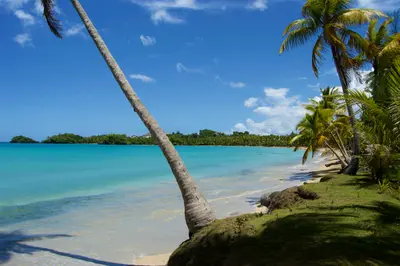
Isla Saona

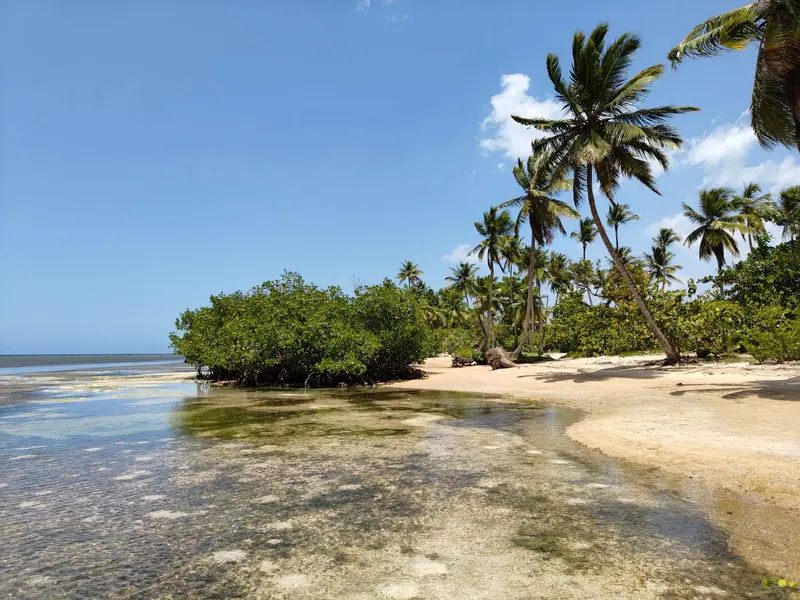
Isla Saona, off the southeast coast, is part of Cotubanamá National Park, formerly Del Este National Park, the country's most visited protected area with almost a million visitors annually.

Discover
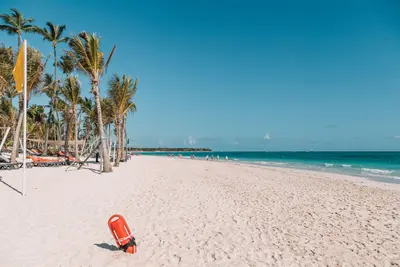
Punta Cana and Bávaro

Photo by Leonardo Rossatti on Pexels

Highlight 4 of 4

Punta Cana and Bávaro

Punta Cana and Bávaro, on the island's east tip, are the DR's largest resort hub: Most vacation flights land at PUJ airport, and large all-inclusive resorts line the long beaches.

Discover

More highlights in The Dominican Republic
Los Haitises National Park

Parque Nacional Los Haitises, on Samaná Bay's south side, is a karst landscape of forested limestone cones, mangrove estuaries, and caves. Cueva de la Línea and Cueva de San Gabriel preserve Taíno rock paintings: birds, dolphins, human figures, and masks. Park access is by boat and licensed guide only. Tours depart from Samaná, Sánchez, and Sabana de la Mar; the peninsula crossing takes about 30 minutes.
Samaná

Samaná

Santa Bárbara de Samaná, usually just called Samaná, is the peninsula's main town and the hub for whale watching: From mid-January to late March, boats depart from the Malecón to see the humpback whales that give birth to their calves in the Bay of Samaná and the marine mammal sanctuary of Banco de la Plata y Navidad. The town itself has no public swimming beaches; for swimming, take a boat to Cayo Levantado or further to Las Galeras.

Laslovarga·CC BY-SA 4.0

Las Terrenas

Las Terrenas

Las Terrenas, on Samaná Peninsula's north coast, is the region's liveliest beach resort, featuring small hotels, beachfront restaurants, and long palm-lined beaches. West of town lie Playa Bonita, with an offshore reef for snorkeling, and the long, nearly white Playa Cosón. From here, access El Limón waterfall in the hills and, in season, whale watching tours in Samaná. From Santo Domingo, it's a good two hours via the Autopista del Nordeste.

Daniel Bernal·Unsplash

Cabarete and Sosúa

Cabarete and Sosúa

Cabarete, east of Puerto Plata, is the water sports hub of the North Coast: According to the Ministry of Tourism, sufficient wind for kiting blows here 250 to 300 days a year. At Kite Beach, you'll find almost flat water inside, and waves at the outer reef; the bay in front of town is shared by kiters and windsurfers, while at the mouth of the Río Yásica in La Boca, there's flat water among mangroves. Playa Encuentro, west of town, is considered the country's best surf spot. In the neighboring town of Sosúa, small restaurants line the water.

Aneudy Caceres·Pexels

Puerto Plata

Puerto Plata

Puerto Plata is the largest city on the north coast and has its own international airport. At the harbor stands the 16th-century Fortaleza San Felipe; in a restored Victorian villa, the Museo del Ámbar Dominicano displays amber with preserved animals. Above the city rises Pico Isabel de Torres, featuring a Christ statue and a botanical garden; the cable car ascending it has been closed since June 2024 and is expected to be renovated until 2028. In the hinterland lie the cascades of the 27 Charcos de Damajagua.

Carlos Corporan·Pexels

Jarabacoa

Jarabacoa

Jarabacoa, situated at around 530 m in the Cordillera Central, is called the "City of Eternal Spring" due to its mild climate. Pine forests, coffee fields, and rivers define the surroundings: A path through the forest leads to Salto de Baiguate, rafting takes place on the Río Yaque del Norte, and hikers depart from here for Pico Duarte. The neighboring town of Constanza, gateway to Valle Nuevo National Park, lies at around 1,200 m.

Alberto Guzman·Pexels

How to plan your trip to The Dominican Republic

From the guide to the road: here is what comes next.

  1. 1
    Sunrise over alpine peaks and a sea of clouds
    1234

    Round trip

    12 days · 4 stops

    Saved

    Pick a route

    Pick a ready-made one or save places and plan your own.

    Browse routes
  2. 2

    Trip to The Dominican Republic

    Live
    • 1Santo Domingo3 days
    • 2La Romana and Bayahibe4 days
    • 3Isla Saona5 days
    Budget

    Plan your trip

    The planner sorts stops, days and budget. Plan together in real time.

    Go to My Trips
  3. 3
    9:41 No signal
    The Dominican Republic
    Available offline

    Photo by Joaquin Reyes Ramos on Pexels

    Use it on the road

    Download the guide to your phone and use it on site, even offline.

Regions to Discover

Explore the diverse regions of The Dominican Republic.
Cibao and Cordillera Central

Cibao and Cordillera Central

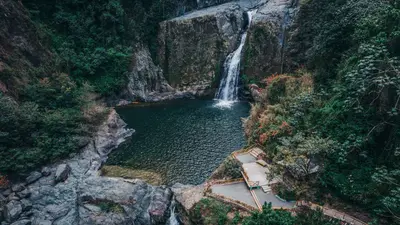
The interior is the green counterpart to the coast: In the fertile Cibao Valley lie Santiago de los Caballeros and La Vega, the strongholds of carnival, south of which the Cordillera Central rises. Jarabacoa at around 530 m is the starting point for waterfalls and rafting tours on the Río Yaque del Norte, from La Ciénaga, a multi-day trail leads to Pico Duarte, the Caribbean's highest peak.

Alberto Guzman·Pexels

Northcoast

Northcoast

The Atlantic north coast stretches from Puerto Plata, with its Spanish fortress and Amber Museum, through Sosúa, to Cabarete, one of the most famous kitesurfing spots in the Caribbean. Inland, visitors climb the cascades of the 27 Charcos de Damajagua. West of Puerto Plata lie the remains of La Isabela, founded by Columbus in 1493.

William Finn·Pexels

The East: Punta Cana and La Romana

The East: Punta Cana and La Romana

The eastern provinces of La Altagracia and La Romana are the country's beach hub: Around Punta Cana and Bávaro, resorts line up one after another, and most holiday flights land here. To the south lie the diving village of Bayahibe, Cotubanamá National Park with Isla Saona, and the artists' village of Altos de Chavón. Inland, Higüey features the Basilica of the National Patron Saint Altagracia, while between San Pedro de Macorís and La Romana lies the Cueva de las Maravillas with Taíno rock carvings.

Leonardo Rossatti·Pexels

Samaná Peninsula

Samaná Peninsula

The green peninsula in the northeast is primarily known for its humpback whales, which come into Samaná Bay from mid-January to late March. In addition, it features palm-fringed beaches around Las Terrenas and Las Galeras, the El Limón waterfall in the hills, and, on the other side of the bay, the karst islands and mangroves of Los Haitises National Park.

Girish Nayyar·Pexels

Santo Domingo and South Coast

Santo Domingo and South Coast

The capital region on the south coast is the cultural highlight for most travelers. At its heart lies Santo Domingo with the Zona Colonial, a UNESCO World Heritage site since 1990, boasting its Cathedral, Viceroy's Palace, and the oldest European fortress in the Americas. East of the city lie Las Américas Airport and the Los Tres Ojos Cave Park.

ElRicoBlanco·CC0

Recommended Itineraries

Discover the best routes through The Dominican Republic.

Santo Domingo, Saona and Punta Cana in nine days

A journey from the colonial city of Santo Domingo to the southeast coast: three days in the Old Town with cathedral, Alcázar and Fortaleza, then via La Romana to Bayahibe with an excursion to Isla Saona and Altos de Chavón, finally beach days in Punta Cana and Bávaro with a detour to the Basilica of Higüey. Travel times are short: Santo Domingo to La Romana around 1 hour 40 minutes, La Romana to Punta Cana Airport around 40 minutes.

10 Days
Open jaw
Stops at a glance
  1. 1.Santo Domingo
  2. 2.La Romana and Bayahibe
  3. 3.Punta Cana and Bávaro
View Route Details →

What you eat in The Dominican Republic
The Dominican Flag

Rice, Beans and Meat

The typical lunch: white rice, stewed beans, and beef, pork, or chicken, often with salad, avocado, and tostones. The name alludes to the colors of the national flag. In simple comedores, it's the affordable daily special.

Mangú con Los Tres Golpes

Plantain puree for breakfast

Mash of green plantains with vinegar-fried red onions. The 'three blows' that accompany it are fried salami, fried cheese, and egg. The classic Dominican breakfast.
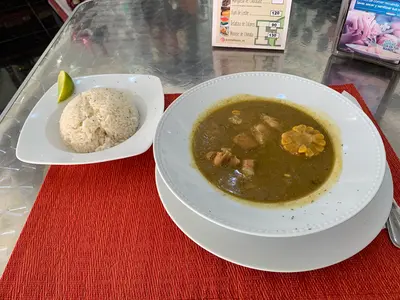
Sancocho

LittleT889·CC BY-SA 4.0

Sancocho

Stew for Celebrations

Thick stew of meat, root vegetables, and plantain, served with white rice and avocado. The elaborate version Sancocho de siete carnes contains seven meats and is cooked for celebrations like New Year's Eve.

Locrio

Rice Dish

Rice dish with vegetables and meat, such as Locrio de pollo with chicken, often colored reddish with tomato sauce or achiote. A simple everyday meal of Dominican cuisine.
Habichuelas con dulce

LittleT889·CC BY-SA 4.0

Habichuelas con dulce

Sweet Bean Cream

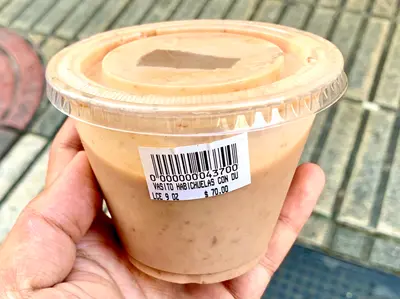
Red bean dessert with condensed or coconut milk, cinnamon, cloves, nutmeg, and raisins. It is cooked in large pots during Lent and at Easter and shared with neighbors.
Mamajuana

Russoale·CC BY-SA 4.0

Mamajuana

Herb Liqueur

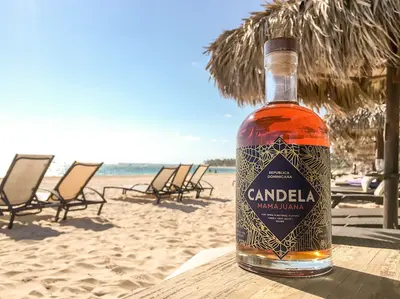
A steeped liqueur of rum, red wine, and honey, infused with barks, roots, and herbs. It's been the national drink of the Dominican Republic for a century.

Good to Know

Essential info for your trip planning.

Key facts

Santo Domingo · 10.8 million (2022) · 48,670 km²

Land & People

Land and PopulationThe Dominican Republic occupies the eastern part of Hispaniola island; Haiti forms the west.

History & Society

Columbus and the First Colonial CityIn 1493, Columbus founded La Isabela on the north coast, the New World's first…

Food & Drink

What's on the TableThe classic lunch is La Bandera: white rice, stewed beans, and meat, often with salad and Tostones.

Practical Info

For current and binding travel, safety and health advice, see the UK Foreign, Commonwealth & Development Office…

Getting Around

Getting ThereInternational airports are located in Punta Cana (PUJ), Santo Domingo Las Américas (SDQ), Puerto Plata…

Traveling with Kids

Family destinationsIsla Saona has a shallow sandbank in the sea, the Piscina Natural, where many excursion boats stop.

Best Time to Visit

When is the best time for your trip?

December
January
February
March
April
25–26°C·55–85 mm(moderate rain)
December to April is dry season and high season, with pleasant temperatures and little rain on the south coast. From mid-January to late March, humpback whales come to Samaná Bay. May to November is rainy season; the hurricane season, according to the Foreign Office, also runs from May to November.
Monthly stats for Santo Domingo (south coast). On the north coast around Puerto Plata and Samaná Peninsula, most rain falls in winter with the northeast trade winds; Samaná has virtually no true dry season. The Cordillera Central is much cooler, Jarabacoa is around 530 m, Constanza around 1,200 m, and winter frost is possible on the peaks.

Seasons

Jan
Feb
Mar
Apr
May
Jun
Jul
Aug
Sep
Oct
Nov
Dec
Dry season and Peak season
Wet season, Hurricane season
Best Time to Visit
▶Show detailed monthly data
MonthTemp (°C)Rain (mm)Sun (h)
January25.0658.0
February24.5558.0
March25.5558.0
April26.0708.0
May26.51908.0
June27.51408.0
July28.01457.0
August28.01757.0
September28.01807.0
October27.51857.0
November26.51008.0
December26.0857.0

Travel advice

Safety, entry requirements and health: the official, up-to-date advice for The Dominican Republic is published by the UK government on GOV.UK.

Go to GOV.UK

Sources & method

  • Photos: Wikimedia Commons, Unsplash, Pexels. Each photo carries its credit.
  • The content is based on web research from public, traceable sources. How the content is made · The role of AI
Felix at Kuirau Park in Rotorua, New Zealand

Who's behind Fernweh?

Hi, I'm Felix.

I love to travel, and I love planning even more. Fernweh.guide is my attempt at building a really good online travel guide.

About Fernweh

All places in The Dominican Republic

  • Cabarete and Sosúa
  • Cibao and Cordillera Central
  • Isla Saona
  • Jarabacoa
  • La Romana and Bayahibe
  • Las Galeras
  • Las Terrenas
  • Los Haitises National Park
  • Northcoast
  • Pico Duarte
  • Puerto Plata
  • Punta Cana and Bávaro
  • Samaná
  • Samaná Peninsula
  • Santiago de los Caballeros
  • Santo Domingo
  • Santo Domingo and South Coast
  • The East: Punta Cana and La Romana
  • Zona Colonial

More about The Dominican Republic

  • Best Time to Visit The Dominican Republic
  • The Dominican Republic with Kids
All Places & RegionsRound tripsNight trains in EuropeAll highlightsAbout FernwehFAQPrivacy PolicyImprint
Download on the App StoreGet it on Google Play
ExploreGuideDestinationsMy tripsMy trip