The motorhome route leads from Bilbao on the Bay of Biscay to Santiago de Compostela in Galicia, then through Castile to Salamanca and via Extremadura to Córdoba and Seville. Several stages are 400 to 600 kilometers long; plan full driving days or stopovers for these.
14 Days / 13 Nights
May–June & September–October
RV Friendly
5 stops
Why This Route?
For campers with time who want to cross Spain from its green North to Andalusia in one trip.
Hidden Gems
Funicular to Artxanda in Bilbao with views over the city and Guggenheim
Parque da Alameda in Santiago with views of the Cathedral's west facade
Huerto de Calixto y Melibea in Salamanca, a garden on the city wall above the Tormes
Itinerary
Stop 1 • 3 Nights
Bilbao
City
Perfect for an exciting city trip. Rich in culture and history and Culinary highlights.
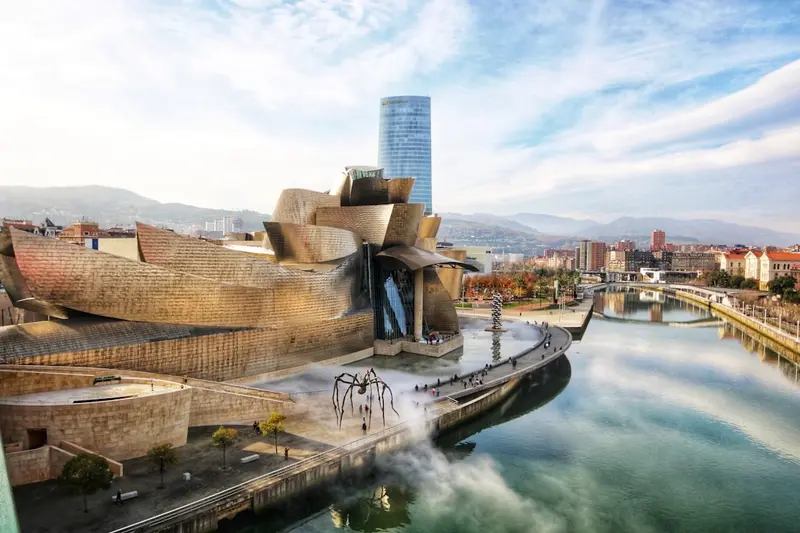
Bilbao is the largest city in the Basque Country and a prime example of successful urban regeneration. The Guggenheim Museum has transformed the former industrial city into a hub for art and culture.
8 Sights
5 Restaurants
Bilbao: Art, Culture and History
Bilbao, long a center of Basque industry, has transformed from a medieval trading port into a modern cultural city. Founded in 1300, the city experienced a boom through iron ore trade and shipbuilding, which significantly shaped its development. Its architecture speaks of tradition and modern design.The spectrum ranges from the winding Casco Viejo with the Gothic Santiago Cathedral to the stately townhouses on Gran Vía in Ensanche, the late 19th-century urban expansion. A turning point was the opening of Frank Gehry's Guggenheim Museum in 1997, which established Bilbao internationally as a destination for contemporary architecture and art. Structures like Santiago Calatrava's Zubizuri Bridge or César Pelli's Iberdrola Tower underscore this transformation.Culturally, Bilbao is rooted in Basque identity, evident in the preservation of the Euskera language and numerous traditions. The Pintxo culture is a central part of social life. Important cultural institutions alongside the Guggenheim include the Museo de Bellas Artes with an extensive collection of classical and modern art, as well as the Arriaga Theatre. The annual Aste Nagusia (Great Week) in August is a celebration of Basque culture with music, dance, and sports.
Rich in culture and history. Perfect for an exciting city trip and Route highlight.
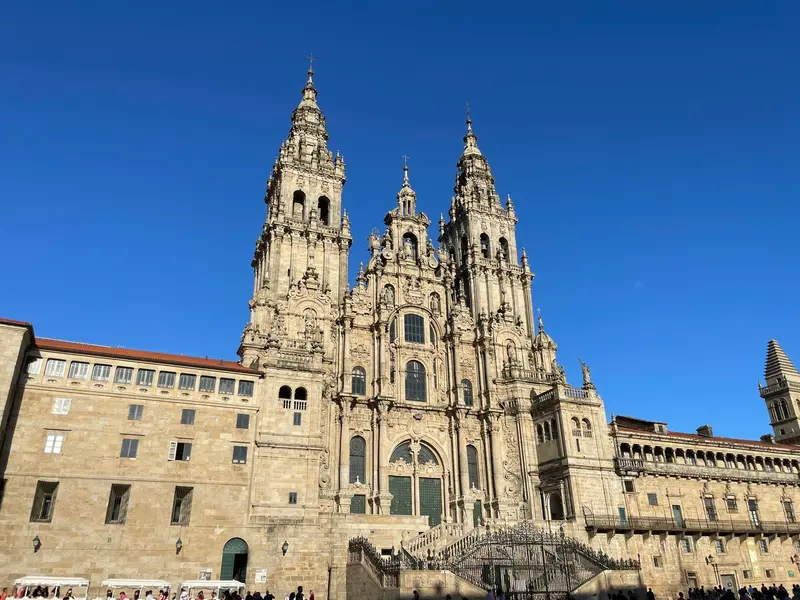
Santiago de Compostela, the capital of Galicia, is the destination of the Way of St. James and one of Europe's most famous pilgrimage sites. It's worth visiting for the Cathedral above the tomb of Apostle James, with its Romanesque Pórtico da Gloria, and for the Old Town, a UNESCO World Heritage site since 1985. In its alleys, pilgrims, students, and travelers mingle, and Romanesque, Gothic, and Baroque buildings stand close together.
Rich in culture and history. Perfect for an exciting city trip and Route highlight.
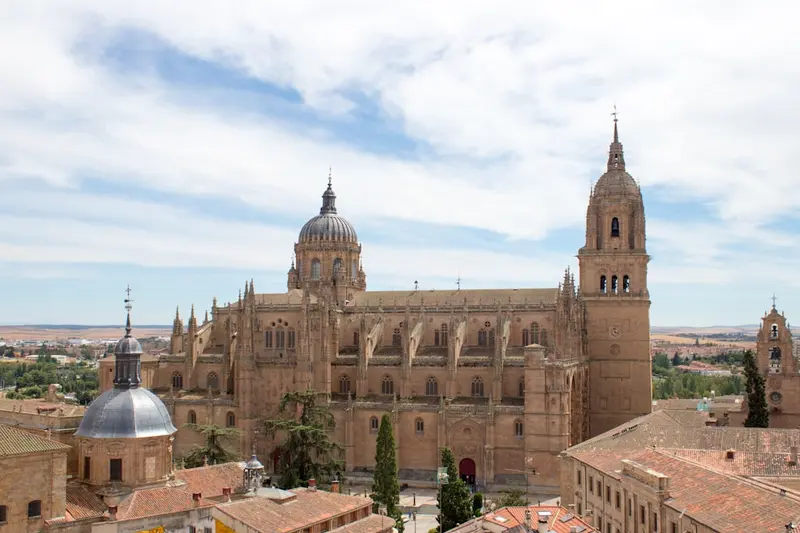
Salamanca is one of Europe's oldest university cities. The Old Town of golden-yellow sandstone, with the baroque Plaza Mayor, two cathedrals, and the university founded in 1218, is a UNESCO World Heritage site. Tens of thousands of students create a vibrant city life.
8 Sights
4 Restaurants
Spirit
University and Golden AgeAlfons IX. of León founded the University in 1218, where scholars like Fray Luis de León and Miguel de Unamuno later taught. Its Plateresque facade is covered in stonework; visitors traditionally look for the frog on a skull. The New Cathedral was built next to the Romanesque Old Cathedral starting in 1513, and restorers added an astronaut to its portal in 1992.The Plaza Mayor was built in the 18th century and is considered one of the finest examples of Spanish Baroque architecture. The Casa de las Conchas, dating from the late 15th century, is adorned with over 300 stone shells.
Rich in culture and history. Perfect for an exciting city trip and Route highlight.
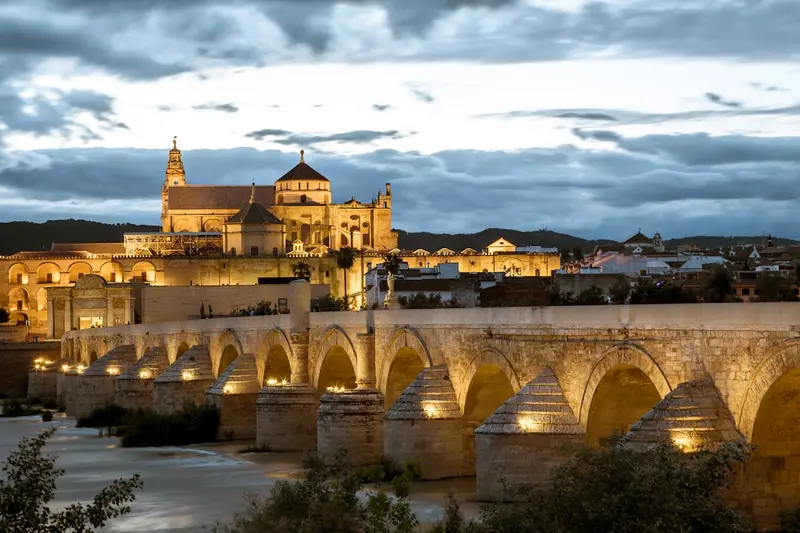
Córdoba is located on the Guadalquivir in Andalusia and was the capital of the Emirate and later the Caliphate of Córdoba, from which the Umayyads ruled Al-Andalus. You travel here primarily for the Mezquita-Cathedral, a former mosque in the middle of which a cathedral was built starting in 1523. It has been a UNESCO World Heritage site since 1984; in 1994, the designation was expanded to include the entire old town.In the Judería, the old Jewish quarter near the Mezquita, you'll discover narrow alleys, flower-filled patios, and a synagogue from 1315. The Alcázar de los Reyes Cristianos with its gardens and the Puente Romano with its 16 arches over the Guadalquivir are further highlights. You can experience the Patio culture during the Fiesta de los Patios in the second and third week of May, which is recognized as an intangible UNESCO Cultural Heritage. Spring and autumn are the most pleasant times to travel; in July and August, average daily highs are around 37 degrees Celsius.
Rich in culture and history. Perfect for an exciting city trip and Route highlight.
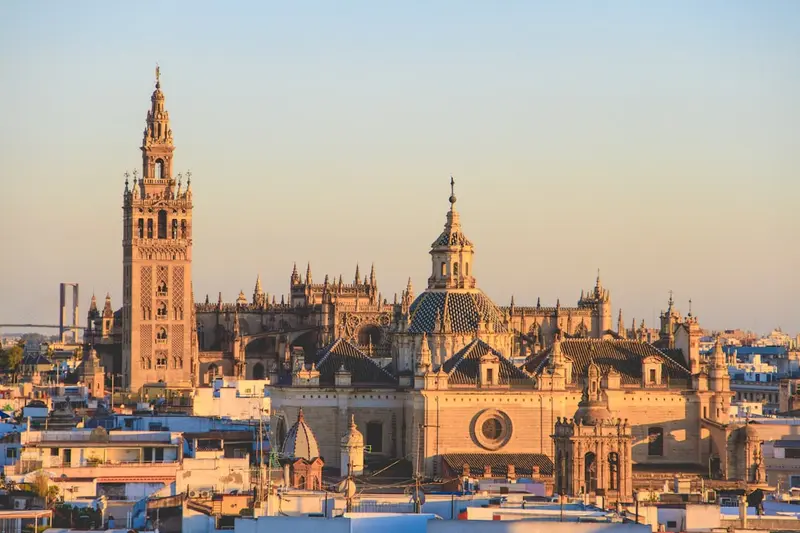
Seville, the capital of Andalusia on the Guadalquivir River, blends Moorish heritage with vibrant street culture. Highlights include the Cathedral of Seville with its bell tower La Giralda and the Real Alcázar, which together with the Archivo de Indias have been UNESCO World Heritage Sites since 1987.Stroll through the winding alleys of the Barrio de Santa Cruz, once the Jewish quarter, where hidden patios await discovery. The expansive Plaza de España in Parque de María Luisa was built for the Ibero-American Exposition of 1929. In the evenings, experience flamenco, for example in the Triana district, considered one of flamenco's birthplaces. The best time to visit is spring (March to May) or autumn (September to October); in July and August, daily high temperatures regularly exceed 35 degrees Celsius. Tickets for major attractions are best booked online in advance.