Fernweh
    ExploreTravel GuidesMy Trips
    de|en
    About FernwehImprintFAQPrivacy Policy
    ExploreTravel GuidesMy Trips
    Western Cape

    Western Cape

    Region
    1. Home
    2. Destinations
    3. South Africa
    4. Western Cape
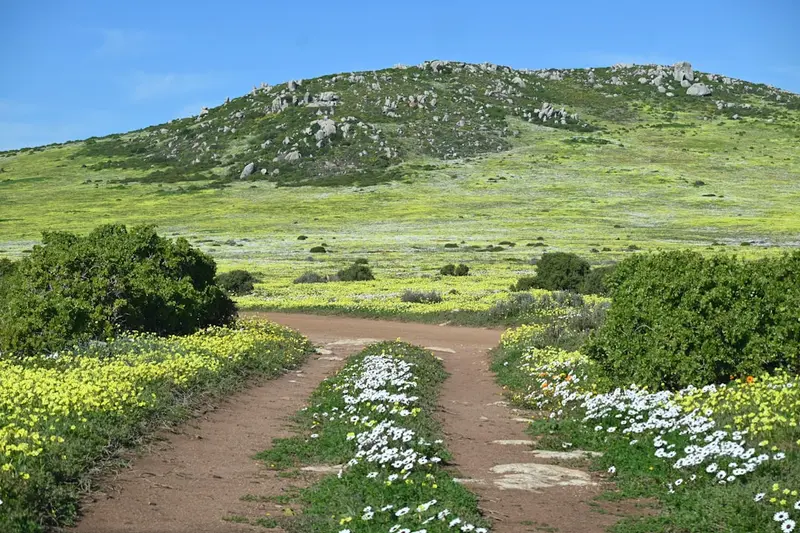
    The Western Cape is a region full of breathtaking contrasts, where majestic mountains meet rugged coastlines and world-renowned wineries nestle in picturesque valleys. Here, you'll not only discover the vibrant metropolis of Cape Town and the dramatic Cape Peninsula, but also an award-winning culinary scene and unparalleled nature experiences that will captivate you from the very first moments.
    • Overview
    • Places in the region
    • Eat & drink
    • Best travel time
    • Culture
    • Nearby
    • Overview
    • Places in the region
    • Eat & drink
    • Best travel time
    • Culture
    • Nearby
    The Western Cape in South Africa captivates with its exceptional geographical and cultural diversity. Here you'll find the metropolis of Cape Town, featuring Table Mountain and the V&A Waterfront, serving as an ideal base for explorations. The region is renowned for its Winelands around Stellenbosch and Franschhoek, where you can visit historic wineries and taste award-winning wines. Along the Cape Peninsula, dramatic coastal roads stretch, leading to the Cape of Good Hope and the penguin colonies at Boulders Beach. Culturally, various influences shape the cuisine and crafts here, reflected in a vibrant culinary scene. For hiking and nature experiences, the numerous national parks and the Cederberg Wilderness Area are ideal. The best time to visit is during the shoulder seasons of spring (September to November) and autumn (March to May) to experience mild weather and fewer crowds. Plan ample time for exploring the coastal roads and local markets.

    Places in Western Cape

    Cape Town

    Cape Town

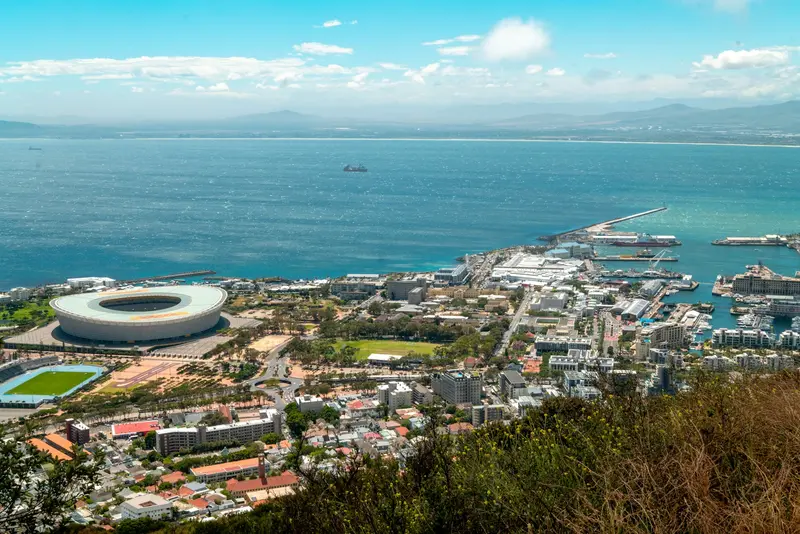
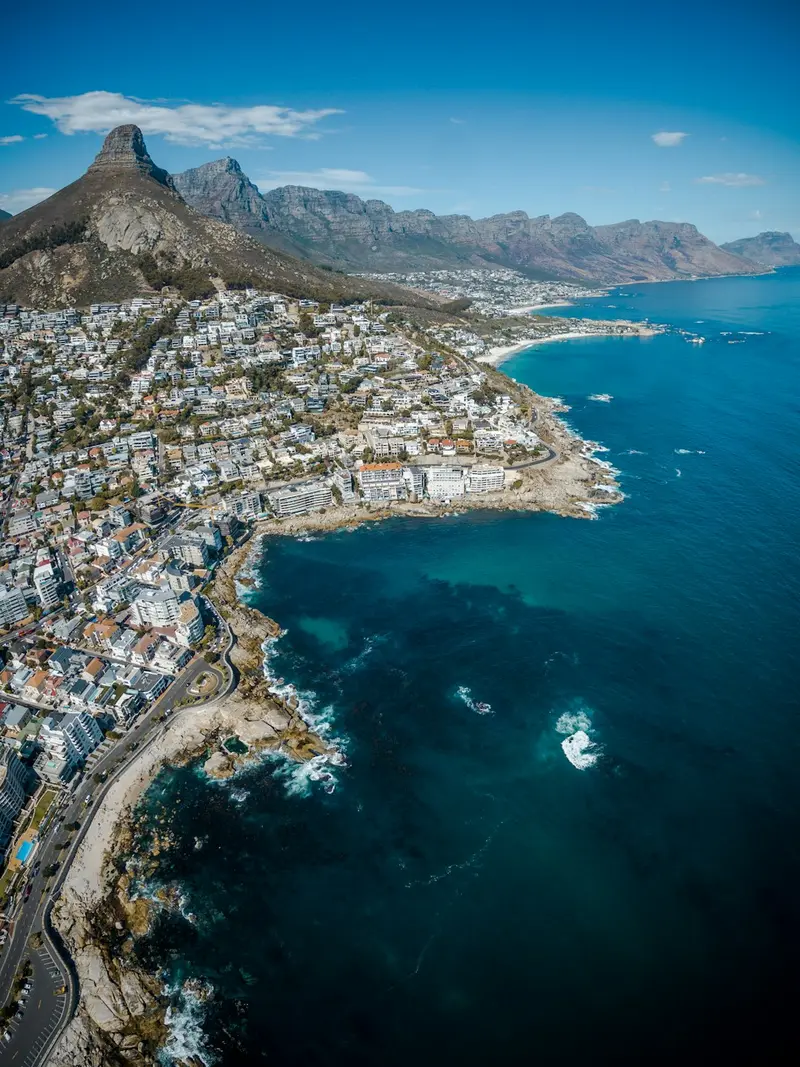
    Welcome to Cape Town, a city of breathtaking beauty where majestic mountains meet glittering oceans. This vibrant metropolis at the foot of the iconic Table Mountain offers you a unique blend of cosmopolitan flair, rich history, and unspoiled nature that will immediately captivate you. Immerse yourself in a world full of adventure, culinary delights, and cultural discoveries that will surprise you at every turn.
    Cape Agulhas

    Cape Agulhas

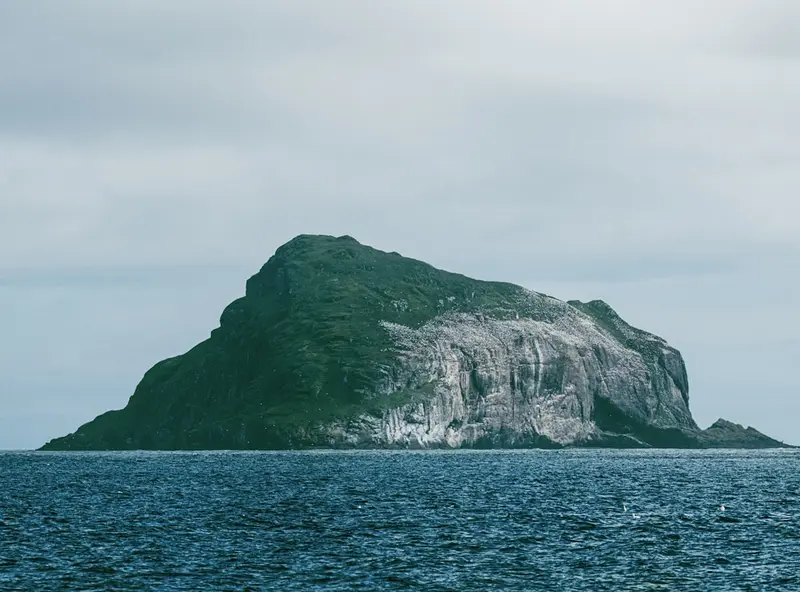
    Welcome to magical Cape Agulhas, the true southernmost tip of Africa! Here, where the Indian and Atlantic Oceans meet in a dramatic embrace, a landscape of rugged beauty and profound historical significance awaits you. Experience the captivating energy of this place, which has enchanted seafarers for centuries and offers you unforgettable vistas of the endless expanse of the oceans.

    Sights in Western Cape

    Discover the most important sights and attractions

    Tafelberg & Kapstadt

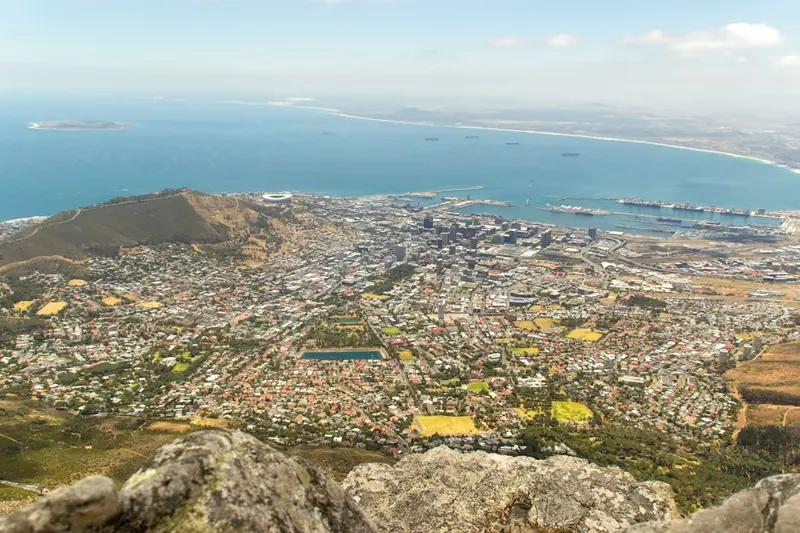
    Table Mountain is Cape Town's unmistakable landmark and a natural wonder that shapes the city's identity. Its striking, flat summit offers sweeping panoramic views over the metropolis, Robben Island, and the Atlantic Ocean. Geologically, it's a sandstone massif with unique Fynbos vegetation. You can comfortably reach the summit with the rotating cable car, which provides a 360-degree perspective. At the top, well-maintained paths lead to various viewpoints, allowing you to explore the endemic plant life.Cape Town itself, at the foot of the mountain, is a city of great historical significance. As one of South Africa's oldest European settlements, it served as an important supply station since the 17th century. This history shapes its multicultural heritage, visible in the colorful Bo-Kaap and the historic V&A Waterfront.Our Tip: Visit Table Mountain early in the morning to avoid crowds and enjoy the clearest views. Always check the weather and cableway operating status, as it closes in strong winds. For a classic photo of Table Mountain with the city, Signal Hill is recommended.
    Open in Google Maps

    Kap-Halbinsel (inkl. Kap der Guten Hoffnung & Boulders Beach)

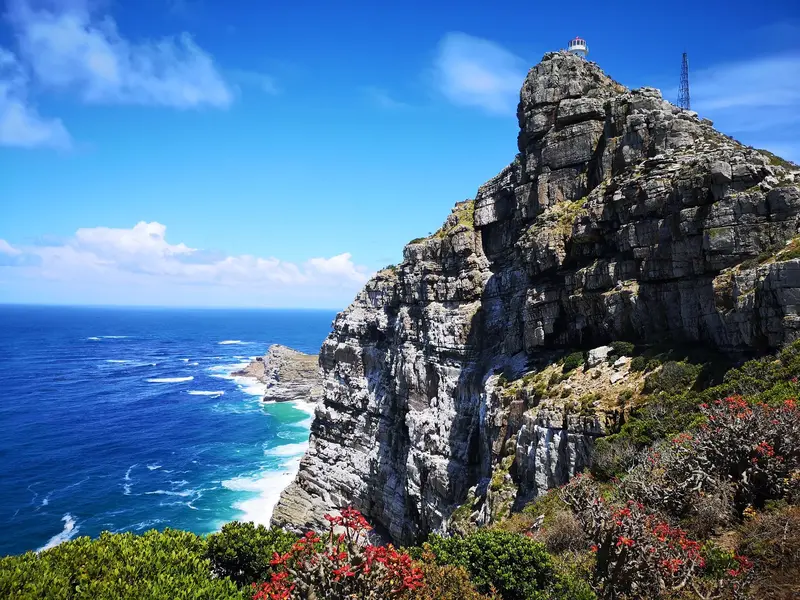
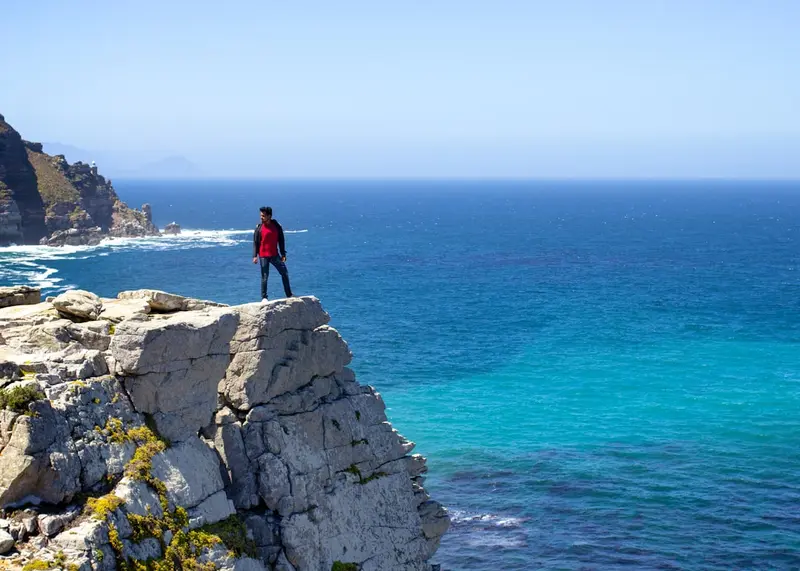
    The Cape Peninsula in the Western Cape is a region of remarkable natural beauty and history. At the Cape of Good Hope, one of Africa's southwesternmost points, a dramatic landscape of steep cliffs and pristine beaches awaits you. Historically, this spot was a crucial landmark for seafarers en route to India. From the lighthouse at Cape Point, you'll enjoy spectacular views over False Bay and the Atlantic, where two oceans symbolically meet. Another highlight is Boulders Beach near Simon's Town, home to a unique colony of African Penguins you can observe closely. To avoid large crowds, visit the Cape Peninsula early in the morning. For the best penguin photos, use the designated wooden walkways and plan your visit outside peak hours.
    Open in Google Maps

    Cape Winelands (Stellenbosch, Franschhoek)

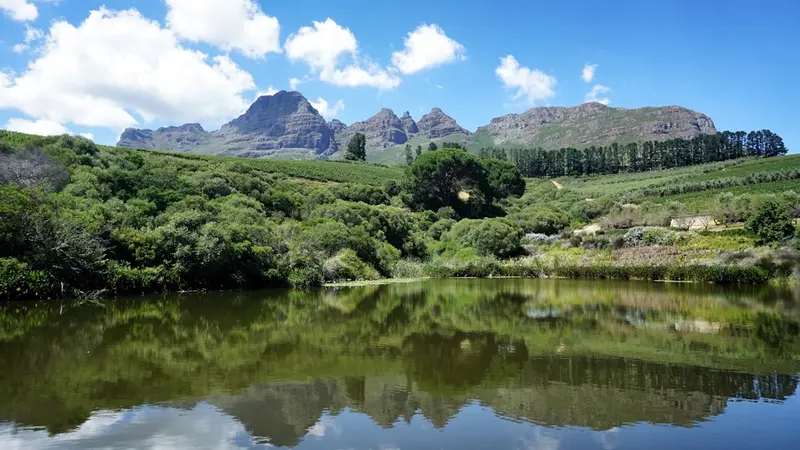
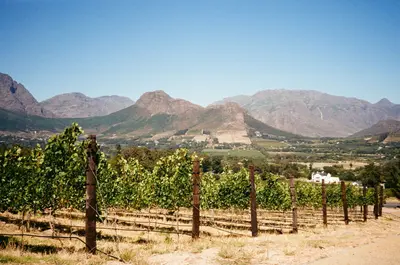
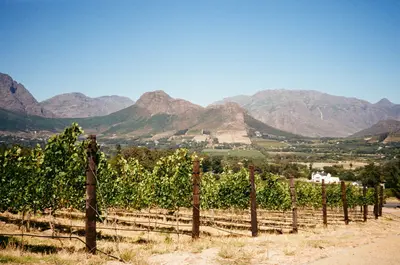
    The Cape Winelands, with main towns Stellenbosch and Franschhoek, form the historical and culinary heart of South African viticulture. The region was significantly shaped from the late 17th century by Dutch settlers and French Huguenots, who brought their winemaking expertise. This cultural fusion manifests in the characteristic Cape Dutch architecture, which you can admire at many wineries and in the charming towns.You can visit numerous wineries here, offering first-class wine tastings and cellar tours. Stellenbosch fascinates with its renowned university and a well-preserved historic old town, while Franschhoek honors its Huguenot roots with a monument and specialized museums. The landscape is characterized by rolling vineyards and majestic mountains.Our Tip: For an optimal experience avoiding the biggest tourist crowds and enjoying pleasant weather, plan your visit in spring (September to November) or autumn (March to May). It is advisable to book wine tastings and restaurant visits in advance, especially on weekends.
    Open in Google Maps

    Die Garden Route

    The Garden Route, one of South Africa's most famous coastal roads, stretches along the Western Cape, connecting Mossel Bay with the Tsitsikamma National Park. This region is characterized by exceptional biodiversity, ranging from dense, evergreen forests and unspoiled beaches to dramatic cliffs. Its significance lies primarily in its unique natural landscape, which has attracted travelers for centuries and today represents a vital ecosystem. Here you'll find a fascinating mix of lagoons, lakes, and mountains, enabling a wealth of outdoor activities.Expect picturesque towns like Knysna with its famous lagoon, and Plettenberg Bay, known for its beaches and marine wildlife viewing. The region offers opportunities for hiking in ancient forests, kayaking on tranquil waters, or spotting whales and dolphins (especially from June to November). Our tip: The best time to visit is spring (September to November) or autumn (March to May) to experience pleasant weather and fewer tourists. For breathtaking photos of the coastal landscape, we recommend the viewpoints along the Robberg Nature Reserve or the bridge over the Storms River Mouth in Tsitsikamma National Park.
    Open in Google Maps

    Tafelberg & Kapstadt

    Table Mountain is Cape Town's unmistakable landmark and a natural wonder that majestically towers over the city. It is part of the Table Mountain National Park, a UNESCO World Heritage Site, known for its unique Fynbos vegetation. From its flat summit, you can enjoy a breathtaking 360-degree view over the city, the Cape Peninsula, and the Atlantic Ocean. Cape Town itself, located at the foot of the mountain, is a city rich in history, shaped by its role as a supply station for the Dutch East India Company and later as a center of South African culture. The cable car conveniently takes you to the summit, but hiking trails also offer access for active visitors. Our tip: Visit Table Mountain early in the morning to avoid the crowds and enjoy the clearest views, as clouds often form in the afternoon. Always check the weather forecast before you set off. For an iconic photo of the mountain itself, a viewpoint from Signal Hill or Lion's Head is recommended.
    Open in Google Maps

    Kap-Halbinsel (inkl. Kap der Guten Hoffnung & Boulders Beach)

    The Cape Peninsula in the Western Cape is a region of breathtaking natural beauty and historical significance. Here, you'll experience a dramatic coastal landscape stretching to the Cape of Good Hope, a legendary landmark that has served sailors as a guide for centuries. Although not Africa's southernmost point, it marks the transition between the Atlantic and Indian Oceans, offering spectacular views from the cliffs and historic lighthouse. The drive along the coastal road is an experience in itself, passing picturesque bays and Fynbos vegetation. Another highlight is Boulders Beach in Simon's Town, where you can observe a unique colony of African Penguins in their natural habitat. This protected breeding ground allows you to experience the birds up close from wooden boardwalks. Our Tip: Visit Boulders Beach early in the morning to avoid the biggest crowds and watch the penguins start their day. For the Cape of Good Hope, early morning or late afternoon is also recommended to capture the dramatic landscape in the best light and enjoy the tranquility. Keep an eye out for the baboons that live in the area, and never feed them.
    Open in Google Maps

    Restaurants & Cafés

    Best Time to Visit

    When is the best time for your trip?

    March
    April
    September
    October
    17–23°C·20–50 mm(little rain)
    Diese Monate bieten milde und angenehme Temperaturen mit geringerem Niederschlag als im Winter und weniger starkem Wind als im Hochsommer. Es ist ideal für Outdoor-Aktivitäten und das Erkunden der Region ohne die großen Touristenmassen der Hauptsaison.
    Das Westkap ist bekannt für sein mediterranes Klima, insbesondere die Region um Kapstadt und die Winelands. Dies bedeutet heiße, trockene Sommer und milde, feuchte Winter.Regionale Unterschiede: Die Klimadaten oben spiegeln primär die Verhältnisse an der Atlantikküste (z.B. Kapstadt) wider.Atlantikküste (z.B. Kapstadt): Typisches Mittelmeerklima mit Winterregen. Die Wassertemperaturen sind hier aufgrund des kalten Benguela-Stroms ganzjährig kühl (14-18°C).Garden Route (Indischer Ozean-Küste): Östlichere Küstenabschnitte, wie entlang der Garden Route, weisen ein gemäßigteres Klima mit mehr ganzjährigem Niederschlag und wärmeren Wassertemperaturen (18-22°C) auf.Winelands (z.B. Stellenbosch, Franschhoek): Ähnlich der Küste, aber oft mit extremeren Temperaturen – heißere Sommer und kühlere Winter.Kleines und Großes Karoo (Inland): Diese semi-ariden Gebiete im Landesinneren sind deutlich trockener und erleben extremere Temperaturen mit sehr heißen Sommern (oft über 35°C) und kalten Wintern, teilweise mit Frost.Wind: Im Sommer (Dezember bis Februar) kann der sogenannte „Cape Doctor“, ein starker Südostwind, auftreten. Dieser Wind sorgt zwar für klare Sicht, kann aber für Strandbesuche oder Wanderungen störend sein.Für eine Reise ist es wichtig, die spezifische Region innerhalb des Westkaps zu berücksichtigen, da die klimatischen Bedingungen stark variieren können.

    Seasons

    Jan
    Feb
    Mär
    Apr
    Mai
    Jun
    Jul
    Aug
    Sep
    Okt
    Nov
    Dez
    Trockenzeit
    Regenzeit
    Best Time to Visit
    ▶Show detailed monthly data
    MonthTemp (°C)Rain (mm)Sun (h)
    January25.01510.5
    February25.0129.5
    March23.0208.5
    April20.0407.5
    May17.0656.5
    June15.0855.5
    July14.0805.5
    August15.0706.0
    September17.0507.0
    October19.0358.0
    November22.0259.0
    December24.01810.0

    Culture, Art & History of the Western Cape

    South Africa's Western Cape holds a rich and complex heritage, spanning millennia of indigenous settlement, its shaping by European colonial powers, and the challenges of Apartheid. This history has forged a unique cultural landscape, reflected in its art, architecture, and diverse traditions. It is a region where past and present intertwine, creating a vibrant identity.The cultural origins of the Western Cape trace back to the San and Khoi, whose legacy is documented in rock art and archaeological sites. The arrival of the Dutch East India Company in the 17th century marked the dawn of a new era, manifesting in the distinctive Cape Dutch architecture with its characteristic gables and whitewashed facades. This period also gave rise to the diverse Cape Malay traditions, reflected in their unique cuisine, music, and colorful neighborhoods like Bo-Kaap, shaped by influences from Asia and Africa.Significant epochs such as the colonial period, British rule, and the Apartheid era profoundly impacted the region's social fabric and cultural identity. Places like Robben Island serve as powerful historical memorials. Today, the Western Cape is a melting pot of cultures, uniting Xhosa traditions, European influences, and a thriving contemporary art scene. The region's wine culture is world-renowned, and local festivals and markets bear witness to a deeply rooted community and pride in its multicultural heritage.

    Locations nearby

    These places are nearby — perfect for additional days or a day trip.

    Paarl

    Paarl

    Paarl, nestled in the heart of South Africa's picturesque Cape Winelands, is renowned for its unique granite rocks and excellent wines. The town combines historical charm with a vibrant wine culture that stretches along its impressive main street. You can visit numerous award-winning wineries, ranging from traditional estates to modern boutique operations, offering diverse tastings. A prominent landmark is the Paarl Rock, a massive granite dome that offers hiking trails and spectacular views over the entire valley. Culturally significant is also the Afrikaans Language Monument, which commemorates the history and development of the Afrikaans language. For leisurely hikes on Paarl Rock, early morning or late afternoon is recommended to avoid the midday heat. The months from April to October are ideal for wine tastings, as the climate is milder and the wineries are often less crowded.
    Stellenbosch

    Stellenbosch

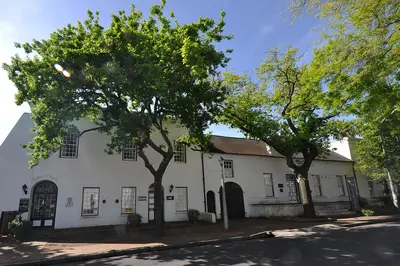
    Stellenbosch, the second-oldest European settlement in the Western Cape, combines historic Cape Dutch architecture with a vibrant university culture and a reputation as the heart of South African winemaking. Here you'll find a town whose streets are lined with ancient oak trees, offering a unique blend of student ambiance and rich history. Dorp Street is famous for its well-preserved 18th and 19th-century buildings, which now house galleries and cafés. Explore the surrounding vineyards, which encompass hundreds of wine estates, many offering tastings and tours, such as the historic Spier Wine Farm. Visit the Stellenbosch University Botanical Garden or the Rupert Museum for South African art. The best time to visit for wine tasting and pleasant weather is spring (September to November) or autumn (March to May). For an authentic experience, a cycling tour through the vineyards is highly recommended to fully immerse yourself in the landscape.
    Cape Wineland

    Cape Wineland

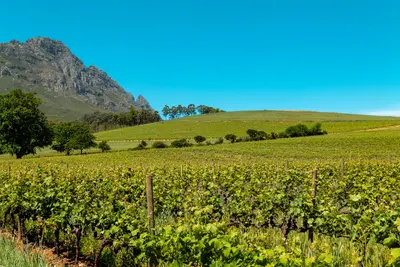
    The Cape Winelands is one of the most picturesque and renowned wine regions in the world, famous for its world-class wineries, breathtaking landscapes, and charming historic towns. Here, excellent cuisine, rich Cape Dutch architecture, and a relaxed way of life merge into an unforgettable travel experience.
    Hermanus

    Hermanus

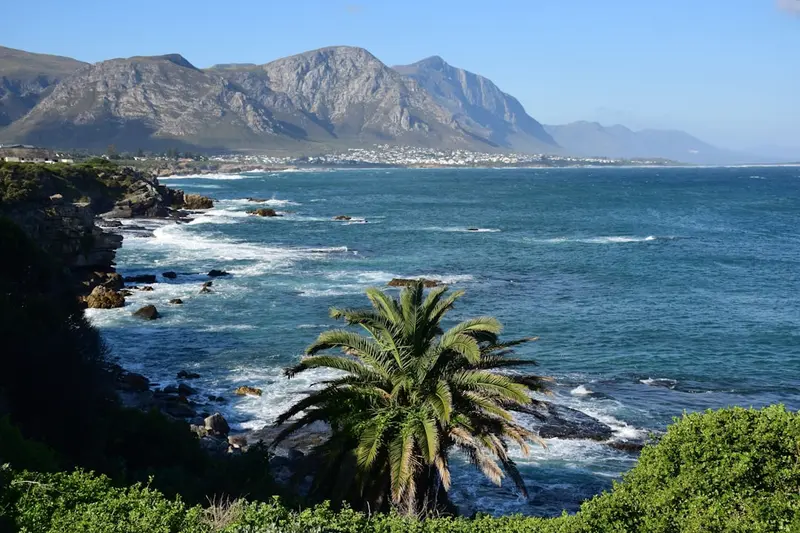
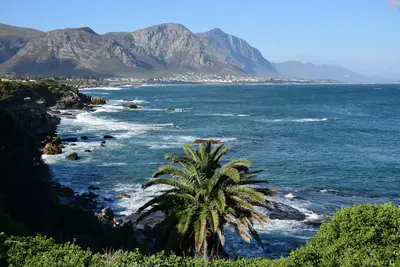
    Hermanus, a picturesque coastal town in South Africa, is considered the world's leading destination for land-based whale watching. Here, you can excellently observe Southern Right Whales from numerous vantage points along the 12-kilometre-long Cliff Path. The historic Old Harbour, now an open-air museum, tells the story of past whaling and offers insights into its maritime history. A visit to Gearing's Point often provides the most spectacular views of the majestic marine mammals as they linger in the sheltered bays. Unique is the Whale Crier, who announces the presence of whales with his kelp horn. The best time for whale watching is from July to November when the Southern Right Whales visit the coast for mating and calving. Additionally, a trip to the nearby Hemel-en-Aarde Valley, known for its first-class wines, is worthwhile.
    V&A Waterfront

    V&A Waterfront

    Cape Town's vibrant heart offers a mix of maritime flair, excellent restaurants, boutiques, and entertainment right on the harbor.