Lagunas Altiplánicas
Immerse yourself in the surreal beauty of the Altiplanic Lagoons, a breathtaking natural wonder located in the Chilean…
Immerse yourself in the surreal beauty of the Altiplanic Lagoons, a breathtaking natural wonder located in the Chilean Altiplano. These high-altitude lagoons, surrounded by majestic volcanoes and vast expanses, captivate with their intense colors and unique wildlife.
A visit here is a journey into another world, enchanting you with its serene grandeur and unforgettable panoramas that you won't find anywhere else. Prepare for spectacular photo opportunities and a deep connection with unspoiled nature.
Sights
Discover the most important sights and attractions
Miscanti Lagoon
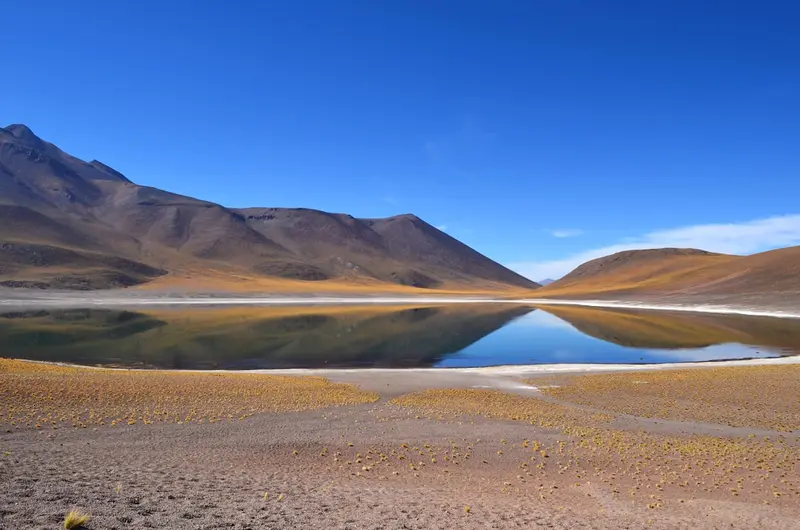
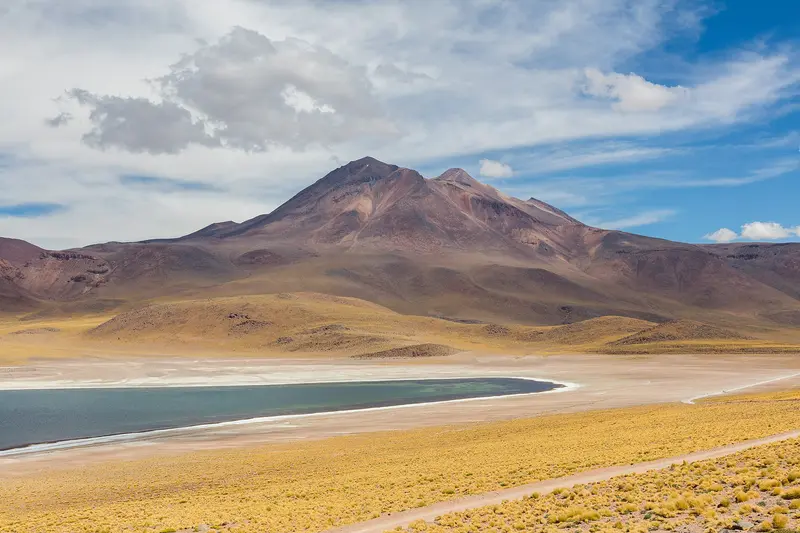
Miscanti Lagoon is undoubtedly a highlight of the Altiplanic Lagoons, captivating with its distinctive heart shape and deep blue waters that contrast magically with the reddish shores. Surrounded by the towering peaks of Cerro Miscanti and Miñiques, this place offers a backdrop of unforgettable beauty and serenity. Look out for the numerous flamingos, vicuñas, and other Altiplano animals that inhabit this pristine environment. The thin air and vastness of the landscape heighten the feeling of being at the end of the world, inviting you to fully embrace nature's grandeur. The colors shift with the sun's position, making this sight a photographer's paradise.
Miñiques Lagoon
Located right next to Miscanti Lagoon and often considered its twin, Miñiques Lagoon offers equally fascinating yet unique beauty. Its emerald waters reflect the surrounding volcanoes, creating a picturesque panorama that invites contemplation. Here too, with a bit of luck, you can observe flamingos gracefully foraging in the shallow waters. Access is usually via a short walk from a viewpoint, which opens up further perspectives on this remarkable landscape. The peaceful atmosphere and crisp mountain air make a visit to Miñiques Lagoon a moment of pure relaxation and connection with nature, far from the hustle and bustle of civilization.
Talar Salt Flat and Red Stones
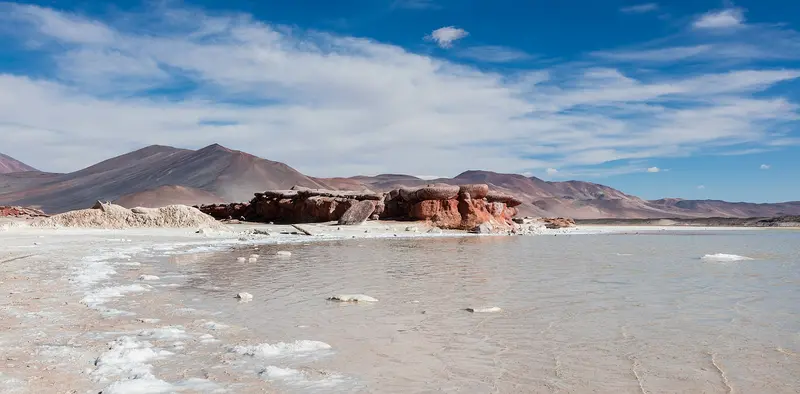
Although not directly an Altiplanic Lagoon, the Talar Salt Flat with its famous Piedras Rojas (Red Stones) is a must-see, often visited as part of the same excursion. This geological wonder presents a surreal landscape where reddish rock formations rest upon a white salt flat, which in turn is surrounded by deep blue lagoons and snow-capped volcanoes. The intense colors – the red of the rocks, the white of the salt, and the turquoise of the water – create a unique visual spectacle. The scenery here is more dramatic and vibrant than at the lagoons themselves, offering a completely different yet equally impressive natural experience that will captivate your senses.
High Lagoons Viewpoint
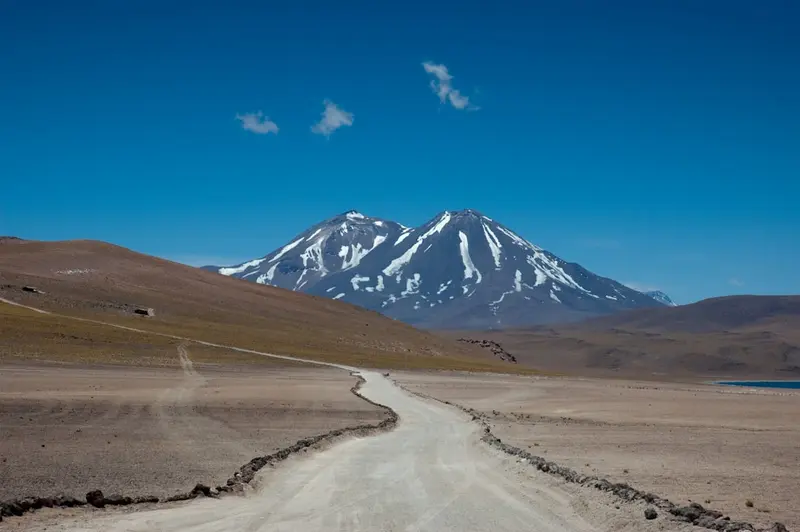
This generic name refers to various viewpoints along the route that offer spectacular panoramic views over the entire Altiplano region. From these elevated positions, you can grasp the vastness of the landscape, spot various lagoons in the distance, and admire the majestic chain of Andean volcanoes stretching across the horizon. It's the perfect spot to comprehend the sheer scale of this breathtaking natural landscape and absorb the tranquility and pristine beauty of the highlands. Take a moment to breathe in the cool, crisp mountain air and let the unparalleled vistas wash over you.
Restaurants & Cafés
Kultur & Geschichte
Die Wurzeln des Altiplano
Die Lagunas Altiplánicas, eingebettet in der majestätischen Landschaft der chilenischen Atacama-Region, sind seit Jahrtausenden von indigenen Kulturen besiedelt oder durchquert worden. Du befindest dich hier im Herzen des Altiplano, einer Region, die eine reiche Geschichte und eine tiefe kulturelle Verbindung zu den Andenvölkern aufweist. Die wichtigste indigene Gruppe in diesem Gebiet sind die Lickanantay (auch bekannt als Atacameños), deren Vorfahren die trockene Wüstenlandschaft und die extremen Höhenlagen seit Tausenden von Jahren meistern.
Archäologische Funde in der weiteren Region, insbesondere rund um San Pedro de Atacama, belegen eine kontinuierliche Besiedlung und Nutzung dieser Hochlandgebiete. Die Kulturen entwickelten komplexe Bewässerungssysteme und Anbaumethoden, um in dieser unwirtlichen Umgebung zu überleben. Auch die Inka dehnten ihren Einfluss bis in diese Region aus und integrierten die lokalen Gemeinschaften in ihr weitreichendes Reich, was sich in Handelsrouten und einigen architektonischen Spuren widerspiegelt.
Spirituelle Bedeutung und Traditionen
Für die heutigen indigenen Gemeinschaften besitzen die Lagunas Altiplánicas eine tiefgreifende spirituelle Bedeutung. Sie sind nicht nur Quellen des Lebens und der Nahrung für die Tierwelt, sondern auch heilige Orte, die in alten Mythen und Ritualen verankert sind. Du wirst feststellen, dass diese Orte oft als Pachamama (Mutter Erde) oder als Wohnstätten von Berggöttern (Apus) verehrt werden.
- Die Lagunen, insbesondere Miscanti und Miñiques, gelten als Augen der Anden, die den Himmel widerspiegeln und eine Verbindung zwischen der irdischen und der spirituellen Welt herstellen.
- Rituale und Opfergaben, wie die Darbringung von Coca-Blättern oder kleinen Gaben an die Natur, finden auch heute noch statt, um die Harmonie mit der Umwelt zu bewahren und um gute Ernten oder Regen zu bitten.
- Die traditionelle Lebensweise ist stark an den Zyklen der Natur und den Bergen ausgerichtet, was sich in der Bewirtschaftung von Alpakas und Lamas sowie dem Anbau von quinoaartigen Pflanzen zeigt.
Begegnungen mit der lokalen Kultur
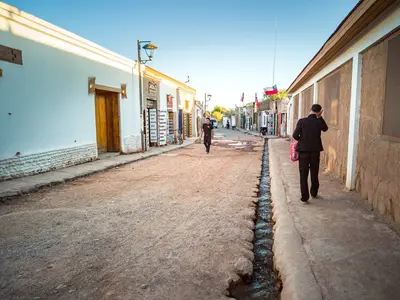
Dein Besuch in den Lagunas Altiplánicas bietet dir die Möglichkeit, die tiefe Verbundenheit der Lickanantay-Kultur mit ihrer Umgebung zu erkennen. Auch wenn direkte Interaktionen mit indigenen Gemeinschaften an den abgelegenen Lagunen selbst seltener sind, kannst du in den umliegenden Dörfern, wie Socaire oder Toconao, einen Einblick in das lokale Leben gewinnen.
- In diesen Dörfern werden traditionelle Handwerkstechniken, wie Weberei aus Alpaka-Wolle oder Keramik, noch gepflegt und zum Verkauf angeboten.
- Lokale Märkte bieten Produkte aus traditionellem Anbau und geben dir eine Vorstellung von der Selbstversorgung der Gemeinden.
- Die Architektur der Kirchen in den Dörfern, oft aus Adobe (Lehmziegel) gefertigt, zeugt von der kolonialen Geschichte und der Vermischung indigener und spanischer Einflüsse. Achte auf die kunstvollen Holzschnitzereien, die oft lokale Motive aufgreifen.
Respektvolles Verhalten ist entscheidend, besonders wenn du auf lokale Bewohner triffst. Fotografiere Personen nur nach vorheriger Erlaubnis und achte auf die Bewahrung der Natur und kulturellen Stätten.
Accommodations in Lagunas Altiplánicas
Find perfect stay in Lagunas Altiplánicas