Fernweh: Home
    ExploreTravel GuidesPlan a tripMy tripLast visited
    de|en
    All Places & RegionsAll highlightsAbout FernwehFAQPrivacy PolicyImprint
    ExploreTravel GuidesPlan a tripMy tripLast visited
    • Overview
    • Places in the region
    • Getting around
    • Round trips
    • Nearby
    Lima and Central Coast

    Peru

    Lima and Central Coast

    Region

    The region around the capital is located on the central Pacific coast. Lima, founded in 1535 by Francisco Pizarro, is the main arrival point for international flights; its historic center has been a UNESCO World Heritage site since 1988.

    by Felix Gillen

    1. Home
    2. Destinations
    3. Peru
    4. Lima and Central Coast
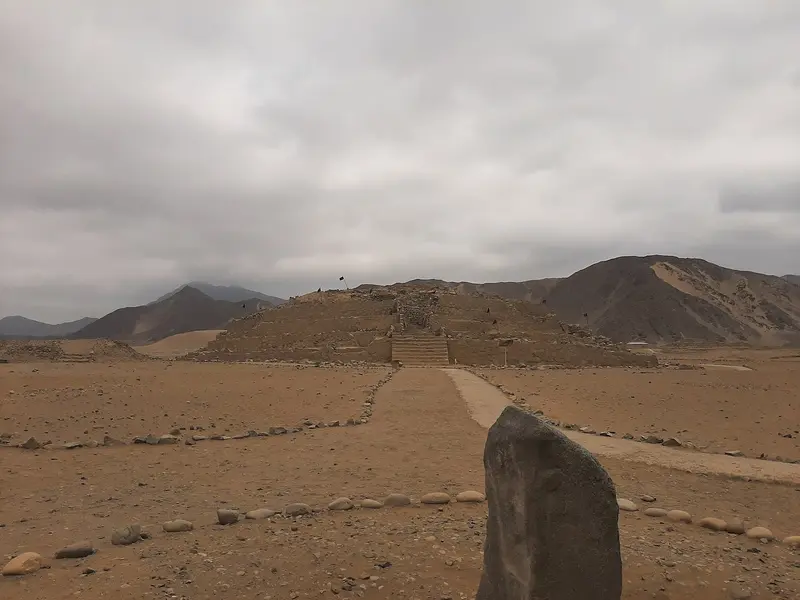
    The region around the capital is located on the central Pacific coast. Lima, founded in 1535 by Francisco Pizarro, is the main arrival point for international flights; its historic center has been a UNESCO World Heritage site since 1988. Approximately 200 kilometers to the north, in the Supe Valley, lies the Sacred City of Caral, considered by UNESCO to be the oldest center of a civilization in the Americas.
    Arriving on the PacificAlmost every trip to Peru begins in Lima. The capital is located in a desert on the Pacific; from May to October, a grey coastal fog, the Garua, often hangs over the city. In summer, from December to March, the sun usually shines.Three Neighborhoods, Three FacesThe colonial Old Town, the well-maintained Miraflores above the cliffs, and the creative Barranco show you three very different sides of Lima. Two or three days are enough for a good first impression, especially if you enjoy eating.Excursion into Early HistoryAbout 180 kilometers north lies Caral in the Supe Valley, one of the oldest cities in the Americas and a UNESCO World Heritage site. For this day trip, you need a car or a tour, as the journey takes several hours.
    Lima

    Place 1 of 2

    Lima

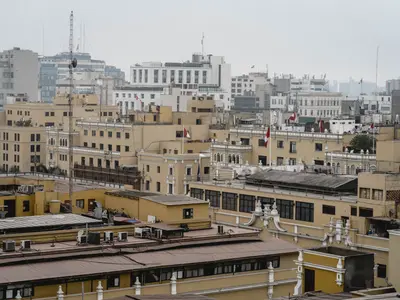
    Peru's capital lies on the Pacific coast and is the first stop for most travelers. Francisco Pizarro founded it in 1535; as the seat of the Viceroyalty, it became Spanish South America's most important city.

    Discover
    Caral
    Ariana zafra / Wikimedia Commons / CC BY-SA 4.0

    Place 2 of 2

    Caral

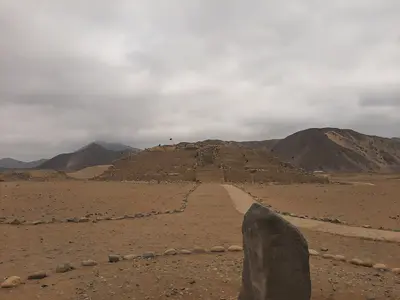
    The Sacred City of Caral is located in the dry Supe Valley, approximately 180 kilometers north of Lima and a good 20 kilometers from the coast. According to radiocarbon dating, it was utilized between approximately 3000 and 1800 BCE.

    Discover

    Exploring locally

    In LimaIn the city, the best way to get around is with the Metropolitano express bus and ride-hailing apps. Factor in time for traffic jams with every journey.Along the CoastLong-distance buses run north and south along the Panamericana. There's no direct bus to Caral; a guided day tour or a rental car with a driver is recommended here.
    Round trips through this region

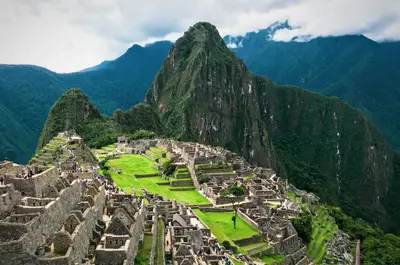
    Peru's South: From the Coast to Machu Picchu

    Peru's South: From the Coast to Machu Picchu

    Eighteen days from Lima via Paracas, Huacachina, and Nazca to Arequipa and the Colca Canyon, then on to Lake Titicaca, and finally to Cusco, the Sacred Valley, and Machu Picchu. You travel to Cusco comfortably by long-distance bus; return to Lima by plane.

    17 Days
    11 stops
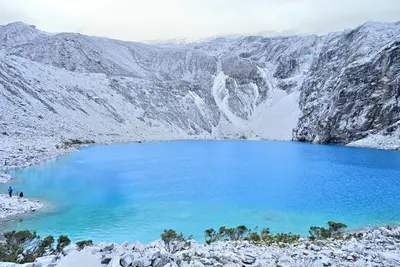
    Glaciers and Clay Pyramids: Huaraz and the North Coast

    Glaciers and Clay Pyramids: Huaraz and the North Coast

    Twelve days from Lima to the Cordillera Blanca in Huaraz and on to the North Coast in Trujillo. Between Lima, Huaraz, and Trujillo, you travel by long-distance buses, returning to Lima by plane.

    12 Days
    5 stops

    Nearby

    Lima

    Lima

    Peru's capital lies on the Pacific coast and is the first stop for most travelers. Francisco Pizarro founded it in 1535; as the seat of the Viceroyalty, it became Spanish South America's most important city. Its historic center, with its cathedral, monasteries, and wooden balconies, has been a UNESCO World Heritage site since 1988.For travelers, three districts are particularly important: the Centro Histórico with Plaza Mayor and the San Francisco Monastery, Miraflores with the Malecón along the cliffs and the adobe pyramid Huaca Pucllana, and Barranco, the bohemian district with galleries, murals, and the Puente de los Suspiros. In the Pueblo Libre district, the Museo Larco displays one of the country's great collections of pre-Columbian art.
    Centro Histórico (Lima)

    Centro Histórico (Lima)

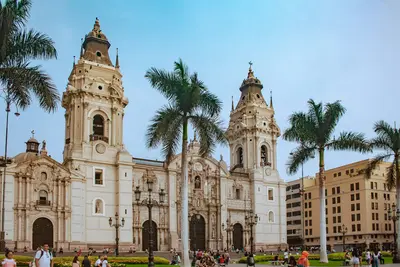
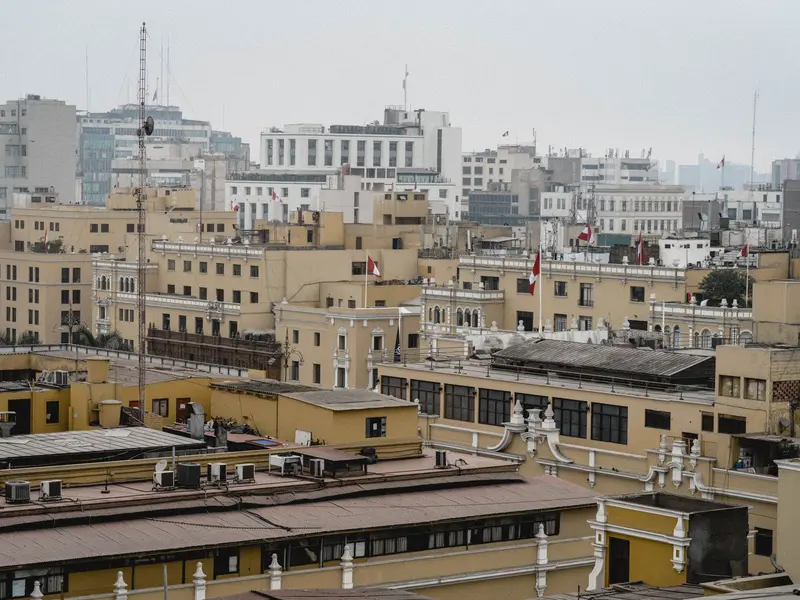
    The historic center of Lima is located in the districts of Lima and Rímac, on the Río Rímac. Its focal point is the Plaza Mayor, where Pizarro founded the city in 1535, bordered by the Cathedral, the Archbishop's Palace with its wooden balconies, and the Government Palace. UNESCO initially added the Monastery of San Francisco to its World Heritage List in 1988 and extended the entry in 1991 to include the entire old town.Two blocks from the Plaza lies the Basilica of San Francisco, featuring a library and catacombs that served as a burial site until the early 19th century. Visit the district during the day; the Foreign Office advises particular caution in the city center in the evenings.
    Miraflores

    Miraflores

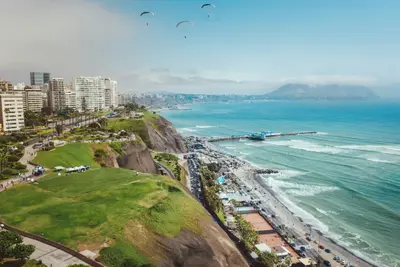
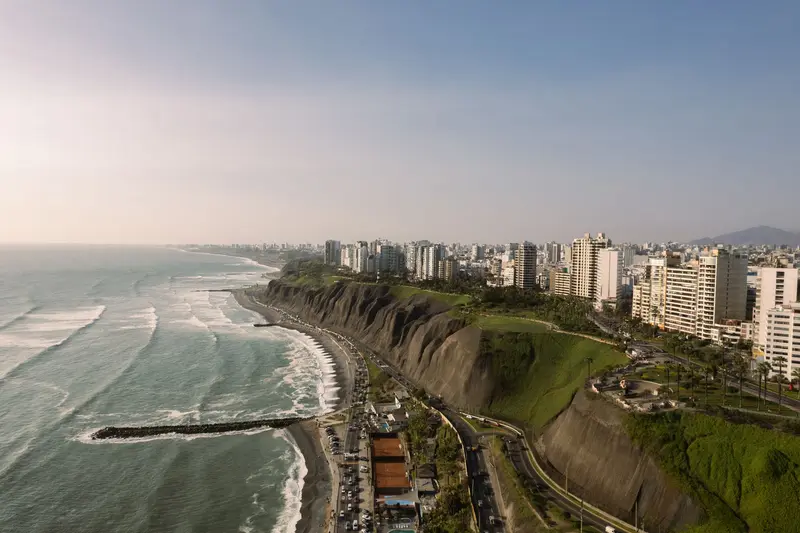
    Miraflores is the district where most travelers in Lima stay. It is located on the steep cliffs above the Pacific: Along the Malecón, parks and pathways stretch, and on the cliff, the Larcomar shopping center is built into the rock. The heart of the neighborhood is Parque Kennedy.Amidst residential blocks stands Huaca Pucllana, a seven-tiered adobe pyramid, which the Lima culture used as a ceremonial and administrative center between approximately 200 and 700 AD. You can visit it with a guided tour, and a small museum is included.
    Barranco

    Barranco

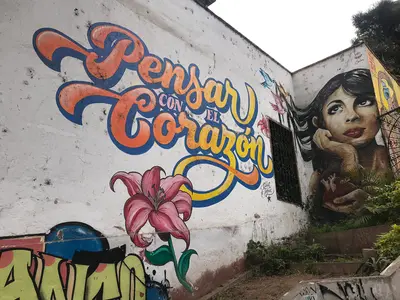
    Barranco is located south of Miraflores on the coastal cliffs and was once a seaside resort for wealthy Limeños. In the early 20th century, writers and artists moved here; today, colorful houses, murals, galleries, cafes, and bars define the district. Barranco is Lima's nightlife district.Its landmark is the wooden Puente de los Suspiros, beneath which the cobbled Bajada de los Baños leads down to the sea. Barranco also houses the MATE photography museum by Mario Testino and the Museo de Arte Contemporáneo (MAC). The Auswärtige Amt names Barranco, alongside Miraflores, as a district where evening thefts occur.
    Caral

    Caral

    The Sacred City of Caral is located in the dry Supe Valley, approximately 180 kilometers north of Lima and a good 20 kilometers from the coast. According to radiocarbon dating, it was utilized between approximately 3000 and 1800 BCE. Since 2009, UNESCO has listed it as a World Heritage site and the oldest center of a civilization in the Americas. Visible are step pyramids, plazas, sunken circular courts, and residential areas.It is open daily from approximately 9 AM to 4 PM.Without a car, you can reach Caral by bus to Supe on the Panamericana Norte and from there by Colectivo or taxi. The Colectivos only return until approximately 4 PM.There is little shade on the site, so bring sun protection and water.

    Sources & method

    • Photos: Pexels. Each photo carries its credit.
    • The content is based on web research from public, traceable sources. How the content is made · The role of AI