Fernweh: Home
ExploreGuideDestinationsMy tripsMy trip
de|en
All Places & RegionsRound tripsNight trains in EuropeAll highlightsAbout FernwehFAQPrivacy PolicyImprint
Download on the App StoreGet it on Google Play
ExploreGuideDestinationsMy tripsMy trip
    • Neighborhoods & highlights
    • Eat & drink
    • Culture
    • Getting around
    • Accommodation
    • Plan trip
    • Nearby
    Coca (Puerto Francisco de Orellana)

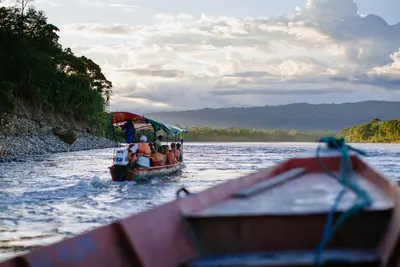
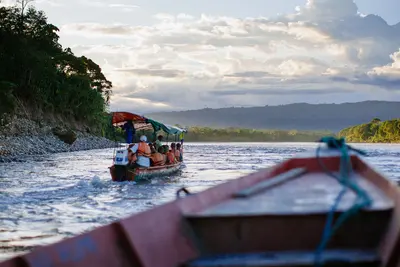
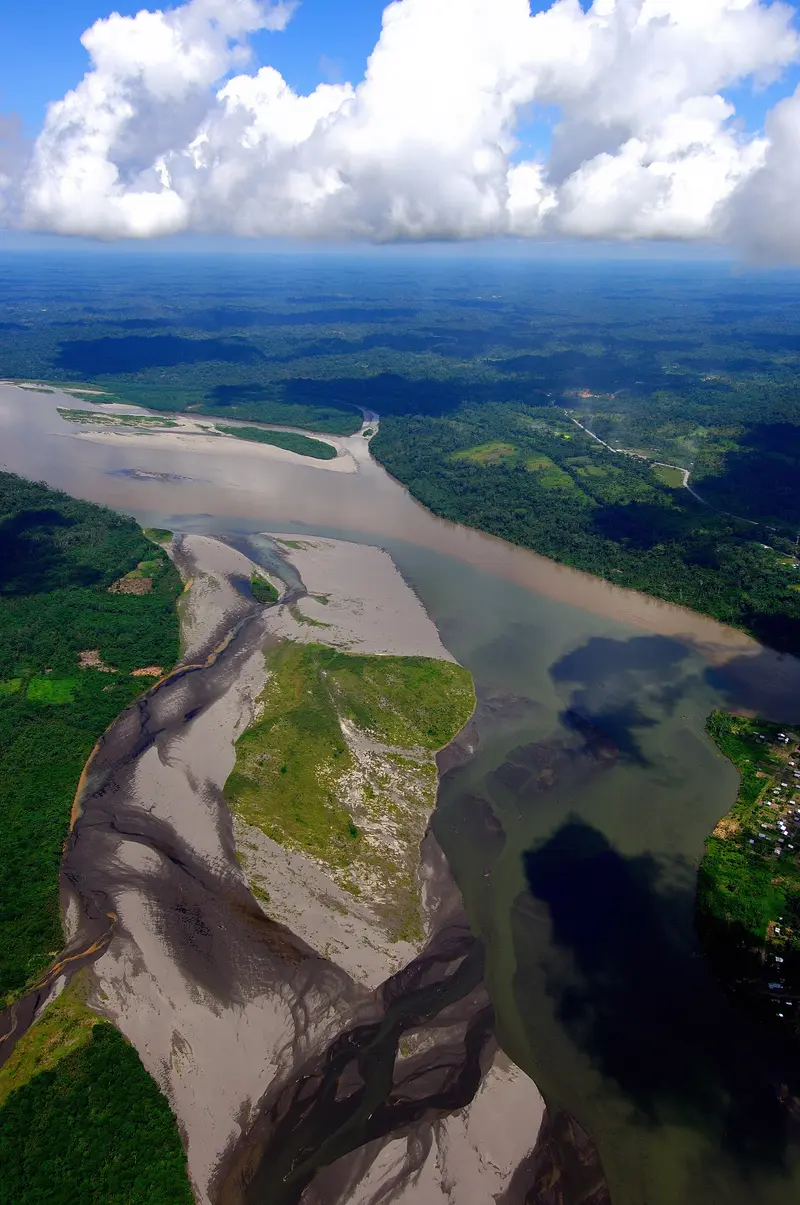
    “Ama la Vida - Flickr - Río NAPO Amazonía 1 (8227374732)” by amalavida.tv / Wikimedia Commons / CC BY-SA 2.0, mod.

    Ecuador

    Coca (Puerto Francisco de Orellana)

    City

    For current travel, safety and health advice, including any state of emergency, check the UK FCDO travel advice, linked on the country page.

    by Felix Gillen

    1. Home
    2. Destinations
    3. Ecuador
    4. Amazonian Lowlands
    5. Coca (Puerto Francisco de Orellana)
    For current travel, safety and health advice, including any state of emergency, check the UK FCDO travel advice, linked on the country page.Coca, officially Puerto Francisco de Orellana, is the capital of Orellana province and lies at the confluence of the Napo and Payamino rivers. Boats leave from the Malecón for Yasuní National Park and the lodges on the lower Napo. The oil town makes a useful stopover before heading on into the rainforest.
    Ecuador travel guideRound trips in EcuadorPlan a trip with Coca (Puerto Francisco de Orellana)

    Contents

    • Neighborhoods & highlights
    • Eat & drink
    • Culture
    • Getting around
    • Accommodation
    • Nearby

    Sights in Coca (Puerto Francisco de Orellana)

    Discover the most important sights and attractions

    Park

    1Malecón of Coca

    The Río Napo waterfront promenade is the departure point for boats to Yasuní and belongs to the 2025 'Rincón Mágico' zone. From here, you'll see the suspension bridge over the Napo; the MACCO Museum is right on the promenade.
    Open in Google Maps
    Museum

    2Museo MACCO

    The Museo Arqueológico y Centro Cultural de Orellana, in a modern building on the Napo, showcases restored regional finds, especially ceramics, from burial vessels to ceremonial axes, with bilingual explanations. Temporary exhibits also feature today's peoples like the Waorani.
    Open in Google Maps

    Restaurants in Coca (Puerto Francisco de Orellana)

    Culture and History

    From Village to Oil CityUntil the 1970s, Coca was a secluded place on the Napo. Oil discoveries attracted workers and settlers, transforming the village into today's provincial capital.Gateway to YasuníIn 2025, the Ministry of Tourism designated Coca as a 'Rincón Mágico' under the name 'Coca entrada al Yasuní'; its attractions include the Malecón, the Paseo Napo, and the Calles Amazonas and Quito. The MACCO Museum by the river shows archaeological finds from the region.

    Getting Here & Around

    Getting ThereFlights from Quito to Coca take around 30 to 40 minutes.By bus from Quito via Loreto takes about nine hours.Getting Around and Into the RainforestA taxi ride within the city costs a maximum of around 2 US dollars.From the Malecón, boats depart down the Napo; the Kichwa community Añangu in Yasuní National Park is located around 66 kilometers downstream.

    Accommodations in Coca (Puerto Francisco de Orellana)

    Find perfect stay in Coca (Puerto Francisco de Orellana)

    Booking.com* (Affiliate link)
    Search Hotels
    Agoda* (Affiliate link)
    Search Hotels
    Airbnb
    Vacation Rentals

    * Affiliate link: if you book through it, we earn a small commission. The price stays the same for you.

    Plan your trip to Coca (Puerto Francisco de Orellana)

    Save places, build a route and plan your city trip, all in one place.

    1. 1
      Sunrise over alpine peaks and a sea of clouds
      1234

      Round trip

      12 days · 4 stops

      Saved

      Pick a route

      Pick a ready-made one or save places and plan your own.

      Open bookmarks
    2. 2

      Trip to Coca (Puerto Francisco de Orellana)

      Live
      • 1Malecón of Coca3 days
      • 2Museo MACCO4 days
      Budget

      Plan your trip

      The planner sorts stops, days and budget. Plan together in real time.

      Start trip planning
    3. 3
      9:41 No signal
      Coca (Puerto Francisco de Orellana)
      Available offline

      “Ama la Vida - Flickr - Río NAPO Amazonía 1 (8227374732)” by amalavida.tv / Wikimedia Commons / CC BY-SA 2.0, mod.

      Use it on the road

      Download the guide to your phone and use it on site, even offline.

    Nearby

    Yasuní National Park

    Yasuní National Park

    For current travel, safety and health advice, including any state of emergency, check the UK FCDO travel advice, linked on the country page.Yasuní National Park in Orellana and Pastaza provinces has protected around one million hectares of Amazon rainforest since 1979 and, together with Waorani territory, has been a UNESCO biosphere reserve since 1989. It is reached via Coca and the Río Napo; allow at least four to five days for the remoter parts.

    Tom Fisk·Pexels

    Amazonian Lowlands

    Amazonian Lowlands

    UK FCDO travel advice (updated 1 November 2026): the FCDO advises against all but essential travel to areas within 20 km of the border with Colombia, which includes parts of Sucumbíos province. Check the current FCDO travel and health advice, linked on the country page.East of the Andes lie the Amazon lowlands, the Oriente. The major protected areas are Yasuní National Park, a UNESCO biosphere reserve since 1989, and Cuyabeno Reserve with its blackwater lagoons. Gateway towns are Coca, around 30 minutes by air from Quito, Lago Agrio and Tena, Ecuador's centre for rafting and kayaking.

    Jeff Stapleton·Pexels

    Cuyabeno Reserve

    Cuyabeno Reserve

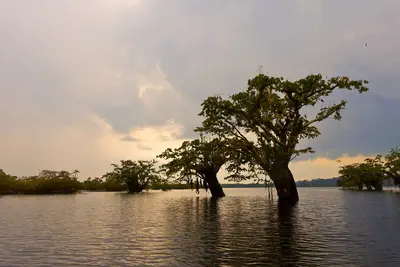
    UK FCDO travel advice (updated 1 November 2026): the FCDO advises against all but essential travel to areas within 20 km of the border with Colombia, which includes parts of Sucumbíos province. Check the current FCDO travel advice, linked on the country page.Cuyabeno Reserve in north-eastern Ecuador is an Amazon protected area with a system of interconnected lakes and blackwater lagoons, including Laguna Grande. The gateway town is Lago Agrio in Sucumbíos province; from the Puente de Cuyabeno you continue by boat.

    Fährtenleser·CC BY-SA 4.0

    Tena

    Tena

    For current and binding travel, safety and health advice, check the UK FCDO travel advice, linked on the country page.Tena is the capital of Napo province and lies at the confluence of the Río Tena and Río Pano. The town is one of Ecuador's main bases for rafting and kayaking on the rivers of the upper Napo. By the river you'll find a small Malecón, bathing spots and the Parque Amazónico La Isla.

    Jeff Stapleton·Pexels

    Otavalo

    Otavalo

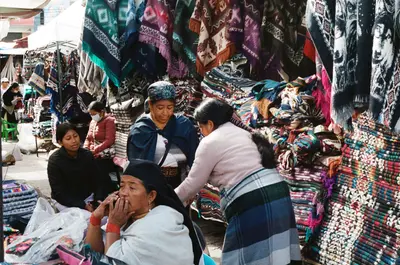
    Otavalo is located at around 2,500 meters in the province of Imbabura, about two bus hours north of Quito, and is known for its market at the Plaza de Ponchos. Around the city, weaving villages, the Peguche Waterfall, Lago San Pablo, and the Cuicocha crater lake invite visitors for excursions.

    Mar Ahumada·Pexels

    Your next steps

    Coca (Puerto Francisco de Orellana) is in Ecuador. Ways to carry on from here.

    • More in Ecuador

      Highlights, areas, routes and the best time to travel for all of Ecuador.

      Ecuador travel guide
    • Round trips in Ecuador

      Ready-made routes through Ecuador, with stops, nights and a map.

      See the routes

    Sources & method

    • Photos: Wikimedia Commons. Each photo carries its credit.
    • Place data such as addresses and ratings comes from Google Maps.
    • The content is based on web research from public, traceable sources. How the content is made · The role of AI