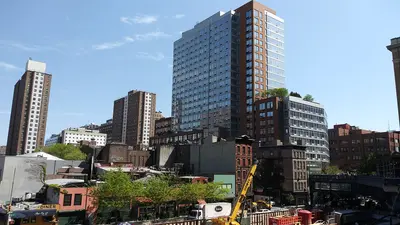
Nestled between New York and Washington, Pennsylvania is the state where the USA declared its independence in 1776 and wrote its constitution in 1787.
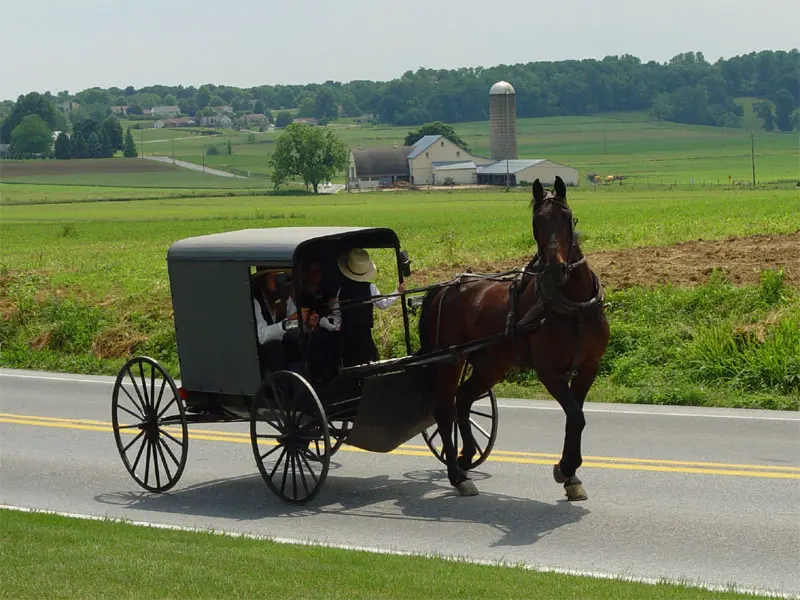
Nestled between New York and Washington, Pennsylvania is the state where the USA declared its independence in 1776 and wrote its constitution in 1787. You come here for Philadelphia, the battlefields of Gettysburg and Valley Forge, and the Amish farms in Lancaster County.From Philadelphia, Valley Forge and Lancaster County are close enough for day trips, while Gettysburg makes a good stop on the way to Washington. In the far southwest, in the Laurel Highlands, you'll find Fallingwater, one of the most famous houses in architectural history.The Quaker William Penn founded the colony in the 17th century as a place of religious tolerance. This later attracted German-speaking Anabaptists, whose descendants, the Amish and Mennonites, still drive horse-drawn buggies on the country roads today.
Pennsylvania is home to about 13 million residents (2020 Census) and covers a land area of approximately 116,000 km², almost a third of Germany's area. In the east, Philadelphia serves as the starting point, with Pittsburgh in the west. Between them lie rolling farmland and the forested Appalachians. The classic route takes you from Philadelphia to the Amish Country around Lancaster, continuing to Hershey and Gettysburg, and finally via the Laurel Highlands to Pittsburgh. For this loop, you'll need a car and should allow a good week.
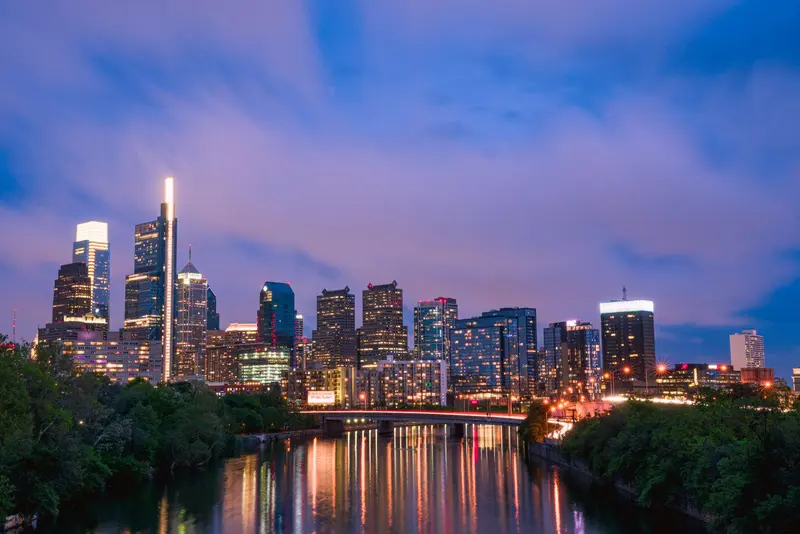
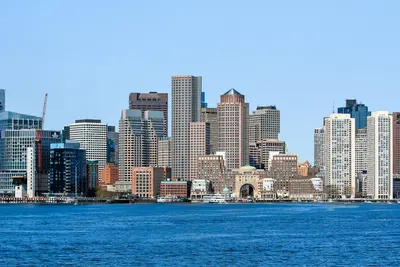
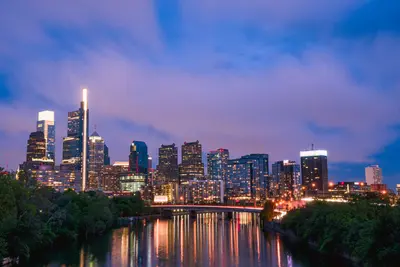
Philadelphia is Pennsylvania's largest city, approximately 150 km southwest of New York, and the birthplace of the Declaration of Independence in 1776 and the U.S. Constitution in 1787. You'll visit because Independence Hall and the Liberty Bell are located here, but also for its markets, murals, and one of the country's best sandwich cultures.The Old City, surrounding Independence National Historical Park, can be explored on foot in a single day. Afterward, the Art Museum with its Rocky Steps, the old prison Eastern State Penitentiary, and neighborhoods like Society Hill or Fishtown are well worth a visit.Located between New York and Washington, Philadelphia makes for an ideal stop on any East Coast trip.
Sights in Pennsylvania
Discover the most important sights and attractions
Museum
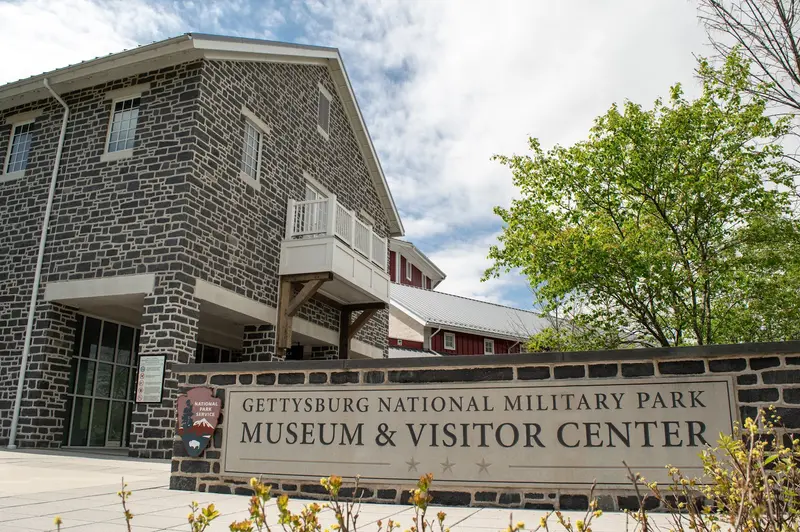
Gettysburg National Military Park
From July 1 to 3, 1863, the bloodiest battle of the Civil War raged here. On November 19, 1863, Abraham Lincoln delivered his Gettysburg Address at the Soldiers' Cemetery. Start at the Museum and Visitor Center with the Cyclorama and then tour the sites by car.
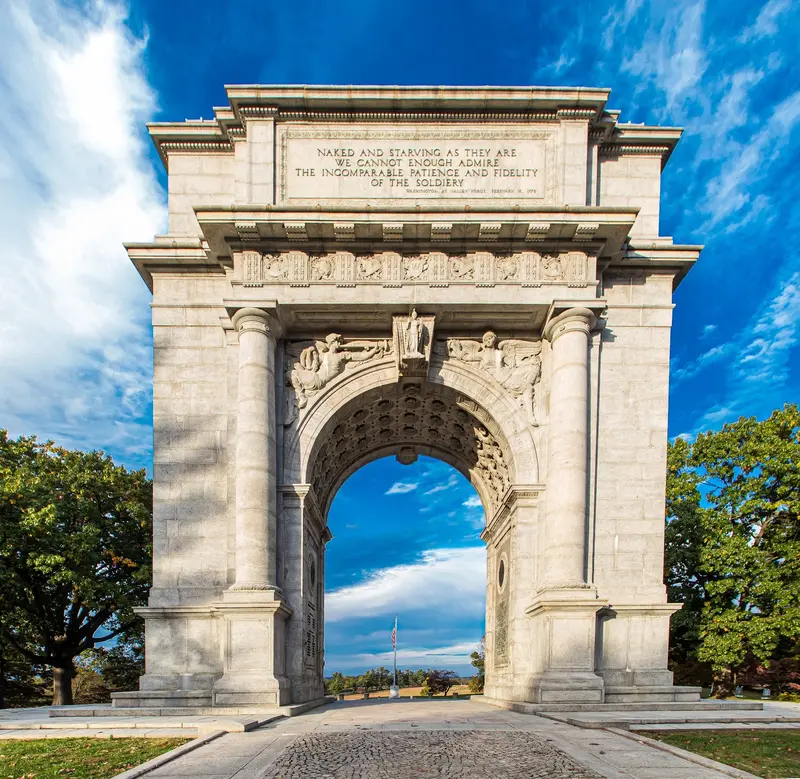
In winter 1777/78, George Washington's Continental Army camped here. This ~3,500-acre park northwest of Philadelphia features meadows, reconstructed huts, Washington's Headquarters, and numerous bike and hiking paths.
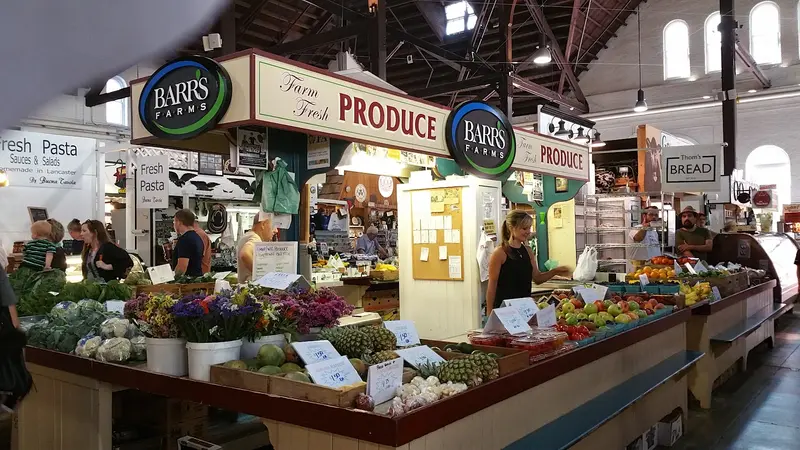
In Lancaster's most popular downtown market hall, locals buy vegetables, baked goods, and Pennsylvania-Dutch specialties. A great starting point for a day in Amish Country.
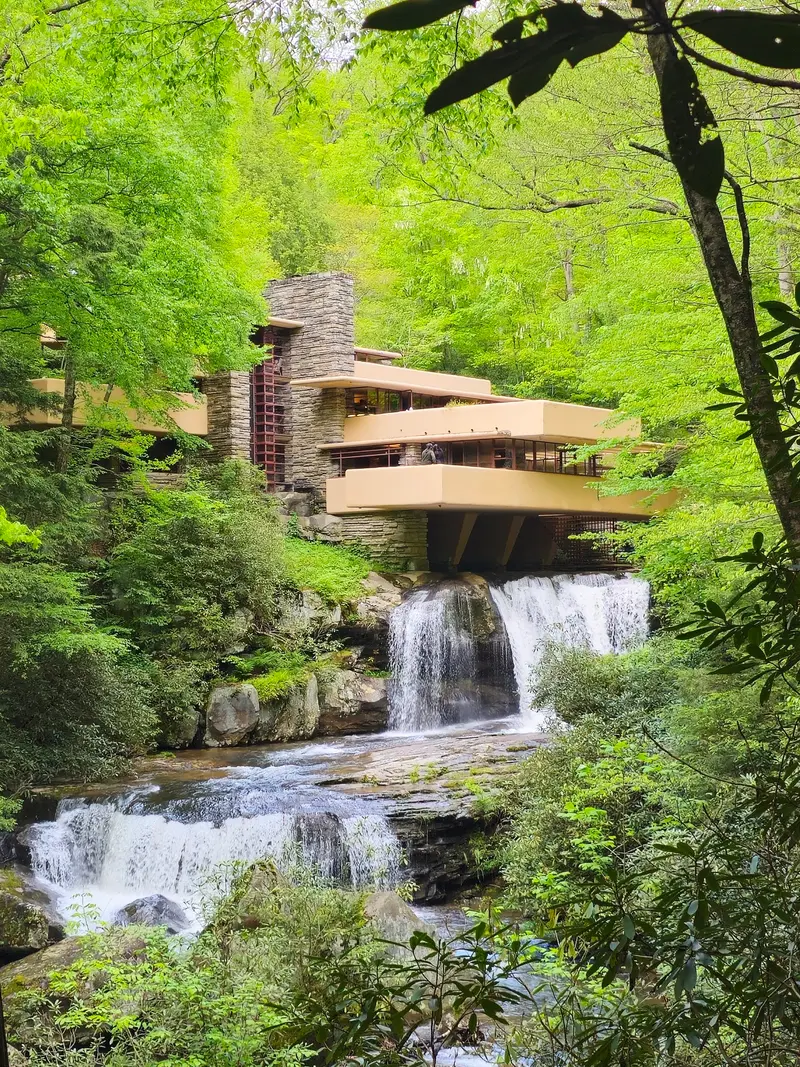
Frank Lloyd Wright built the house from 1936 to 1937 directly over a waterfall in the Laurel Highlands, approximately 116 km southeast of Pittsburgh. Since 2019, it has been a UNESCO World Heritage site. Check tours and tickets in advance on the website.
In the countryside, you'll enjoy hearty and sweet Pennsylvania German cuisine; in the west, Eastern European immigrants have influenced the cuisine.
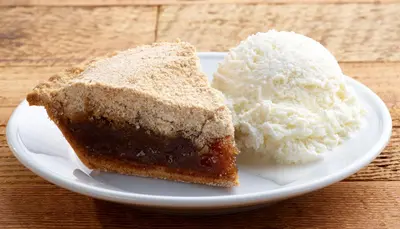
Shoofly Pie
A molasses cake with streusel, known since the 1880s. More popular is the “Wet Bottom” variant with a sticky-soft layer at the bottom; the “Dry Bottom” version is more cake-like.
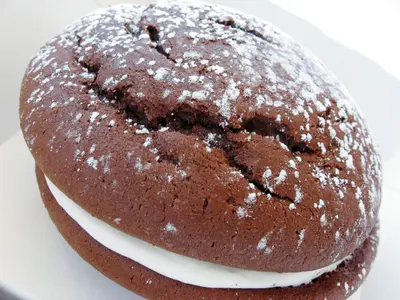
Whoopie Pie
Two soft, cake-like cookies with a sweet cream filling, classically chocolate, but also with pumpkin or Red Velvet. According to legend, farmers and children would exclaim 'Whoopie!' when they found one in their lunchbox.
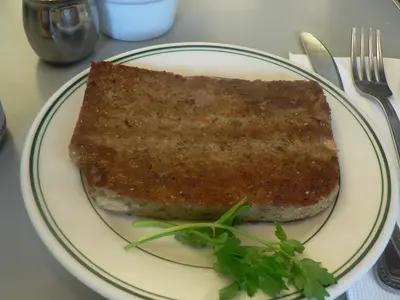
Scrapple
A breakfast classic made from pork and spices, sliced and fried. Served with ketchup or maple syrup.
Chicken Pot Pie
Unlike its name suggests, the Pennsylvania-Dutch version comes without a pastry lid: a stew of broth, slow-cooked chicken, carrots, potatoes, and square noodles. It pairs well with Chow-Chow, sweet and sour pickled vegetables.
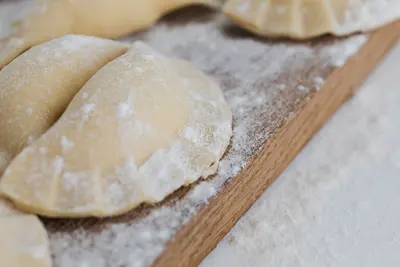
Pierogi in Pittsburgh
Stuffed dumplings brought by Polish and Eastern European immigrants in the late 19th and early 20th centuries. In Pittsburgh, they are a staple at family gatherings and church bazaars, and at Pirates home games, costumed pierogi race against each other in the Great Pittsburgh Pierogy Race.
Lenape, Penn and the Pennsylvania Germans
Before the arrival of Europeans, the Algonquian-speaking Lenape lived in the Delaware Valley, and the Iroquoian-speaking Susquehannock on the Susquehanna. The Susquehannock were destroyed as a people by wars and introduced diseases by 1675, while the Lenape continually moved further west due to settlement pressure. Their descendants live today in Oklahoma and Ontario. The first European settlers were Swedes, who established their colonial capital in 1643 on Tinicum Island in present-day Pennsylvania.On March 4, 1681, King Charles II signed the charter for William Penn and named the colony after Penn's father. Religious freedom primarily attracted Germans from the Rhineland; by the time of the Revolution, they constituted about a third of the population. They settled particularly in Lancaster, Berks, Lehigh, and Northampton counties, and their descendants, the Pennsylvania Germans, continue to shape the cuisine and landscape to this day.You can see how much industry shaped the state in Hershey: Milton S. Hershey built an entire city around his chocolate factory, complete with houses, schools, parks, and a streetcar for his workers. The streetlights on Chocolate Avenue are still shaped like Hershey's Kisses today.
Getting There and Around
AirportPhiladelphia International Airport is the main airport for connections to Europe. For the west of the state, Pittsburgh is the better choice.TrainAmtrak connects Philadelphia via the Northeast Corridor to New York, Boston, and Washington.CarFor Gettysburg, the Amish Country, and Fallingwater, you'll need a car. On country roads in Lancaster County, drive slowly, keep your distance from horse-drawn carriages, and only overtake with your indicator on and clear visibility.