Fernweh: Home
    ExploreTravel GuidesPlan a tripMy tripLast visited
    de|en
    All Places & RegionsAll highlightsAbout FernwehFAQPrivacy PolicyImprint
    ExploreTravel GuidesPlan a tripMy tripLast visited
    • Overview
    • Places in the region
    • Round trips
    • Nearby
    Culture Triad

    Sri Lanka

    Culture Triad

    Region

    The Cultural Triangle in the dry central north of the island brings together Sri Lanka's most significant ancient cities and sanctuaries, nestled between Anuradhapura, Polonnaruwa, and Dambulla.

    by Felix Gillen

    1. Home
    2. Destinations
    3. Sri Lanka
    4. Culture Triad
    The Cultural Triangle in the dry central north of the island brings together Sri Lanka's most significant ancient cities and sanctuaries, nestled between Anuradhapura, Polonnaruwa, and Dambulla. Those interested in early Sinhalese history will find several UNESCO World Heritage Sites here in a compact area, alongside national parks featuring large elephant herds.The region lies north of Kandy, with Anuradhapura approximately 205 kilometres north of Colombo. Sigiriya and Dambulla, owing to their central position, serve as convenient starting points for day trips.
    Three historic capitals define the Cultural Triangle: Anuradhapura was the seat of Sinhalese kings from the 4th century BCE to the 10th century CE, after which Polonnaruwa took over this role. Both ruined cities have been on the UNESCO World Heritage List since 1982, as has the rock fortress of Sigiriya. The Dambulla cave temple followed in 1991.Alongside monasteries, dagobas, and palace ruins, the ancient reservoirs form part of the region's landscape. At the 3rd-century Minneriya Reservoir, elephants gather in large numbers during the dry season, a natural spectacle that shifts to the neighboring parks of Kaudulla and Hurulu depending on the month.For the major sites, the Central Cultural Fund charges admission in US dollars, payable in rupees. Prices are comparatively high and change occasionally, so it's worth checking the official ticket portal before your trip.
    Dambulla

    Place 1 of 4

    Dambulla

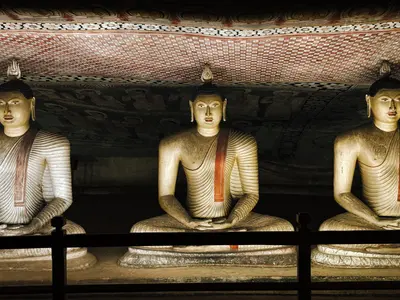
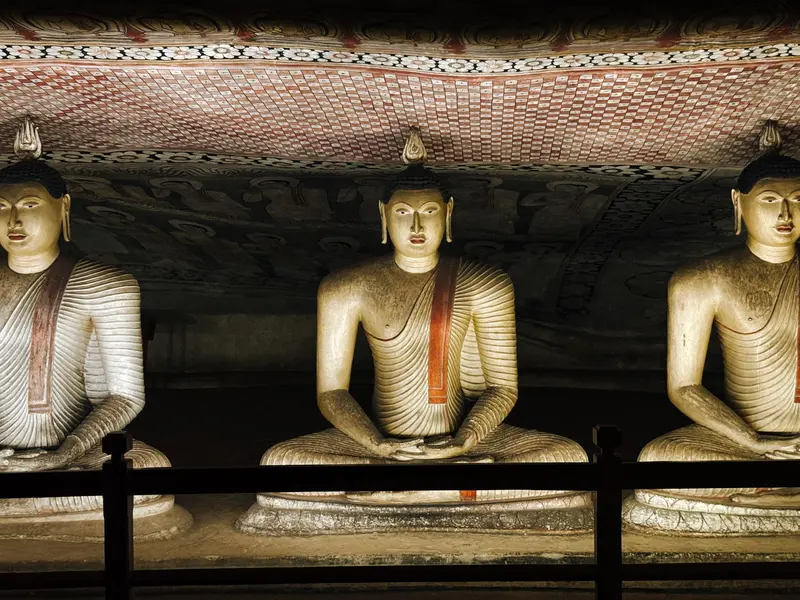
    Dambulla is a market town in the heart of the Cultural Triangle, renowned for its cave temple featuring 153 Buddha statues and approximately 2,100 square meters of wall paintings.

    Discover
    Polonnaruwa

    Place 2 of 4

    Polonnaruwa

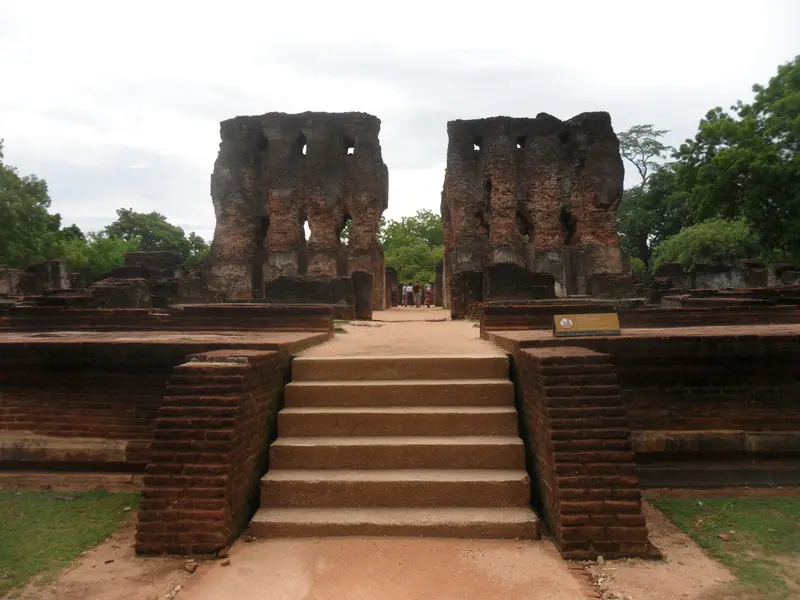
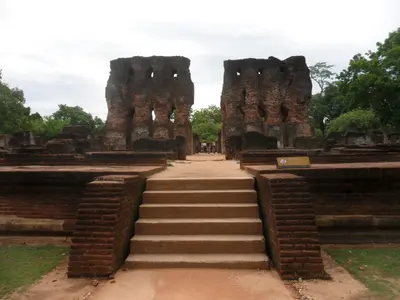
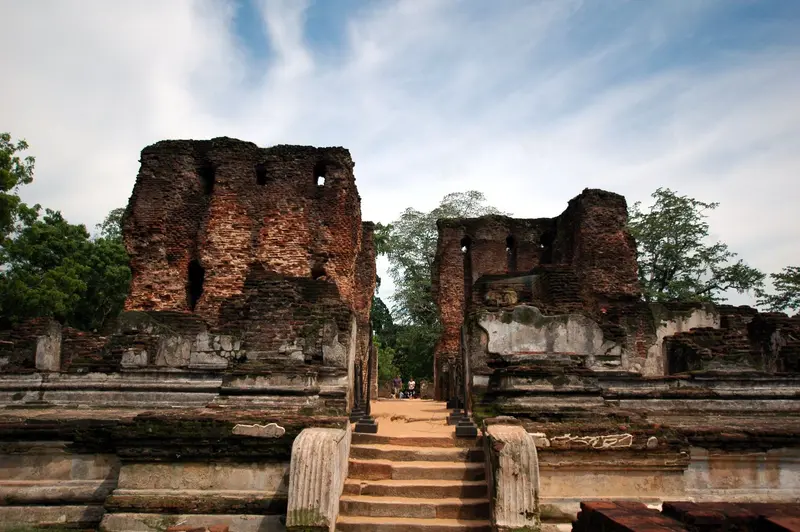
    Polonnaruwa, Sri Lanka's second great royal city after Anuradhapura, boasts an extensive ruined city, a UNESCO World Heritage site since 1982. Palace complexes, temples, and the rock sculptures of Gal Vihara can be easily explored by bike in a day.

    Discover
    Minneriya National Park
    Eli Solidum / Wikimedia Commons / CC BY-SA 4.0

    Place 3 of 4

    Minneriya National Park

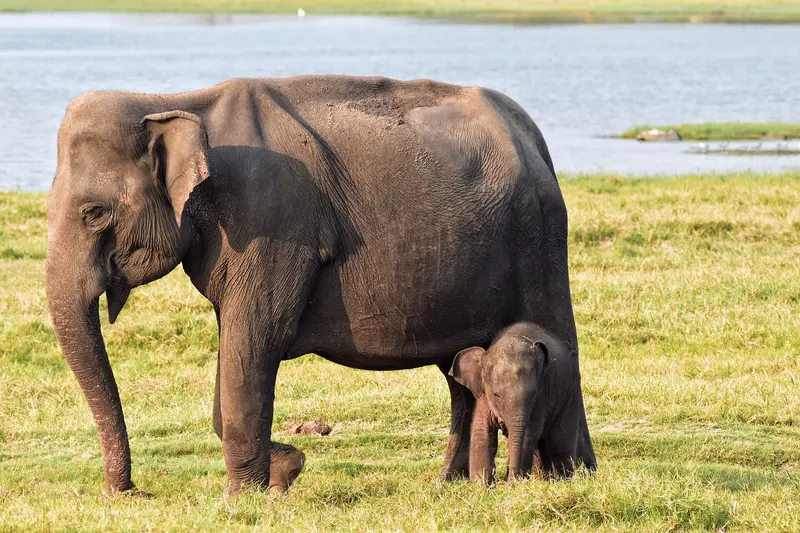
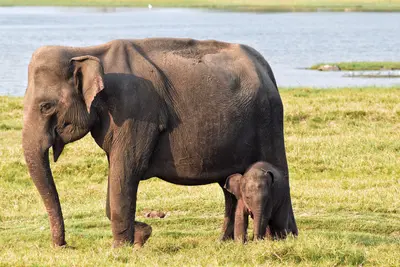
    Minneriya National Park, located in the Cultural Triangle, protects the catchment area of an ancient reservoir and is famous for the so-called Gathering: during the dry season, large numbers of elephants gather on its banks.

    Discover
    Anuradhapura

    Place 4 of 4

    Anuradhapura

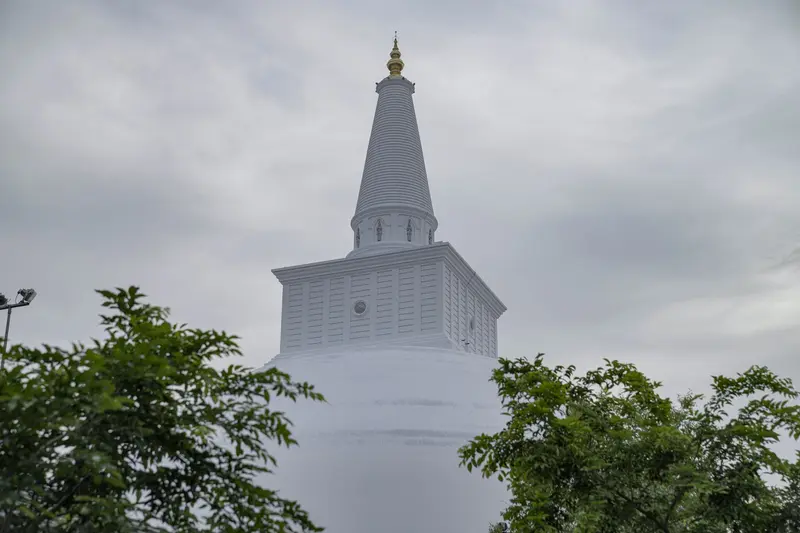
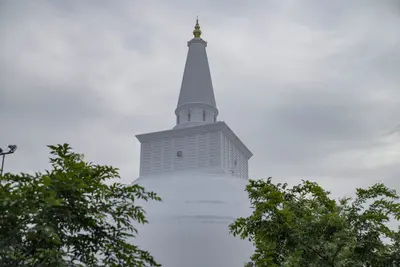
    Anuradhapura was the capital of the Sinhalese kings for over a millennium and remains to this day one of the holiest cities of Buddhism in Sri Lanka.

    Discover

    More places in Culture Triad

    Sigiriya

    Sigiriya

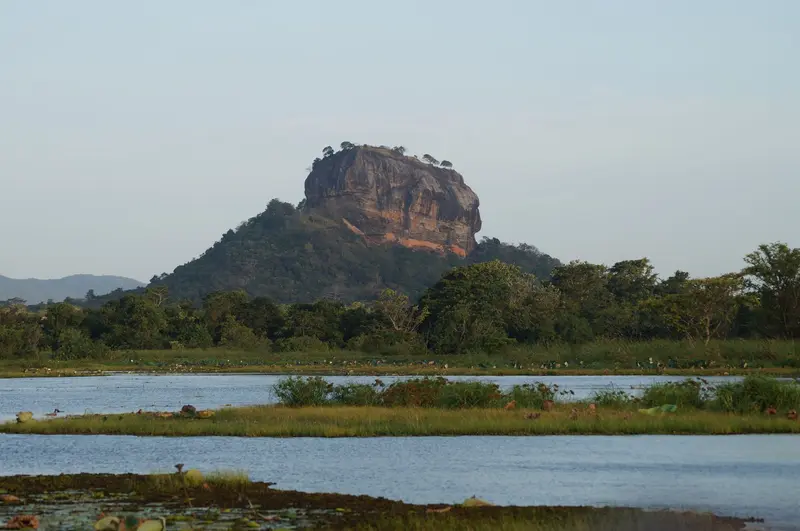
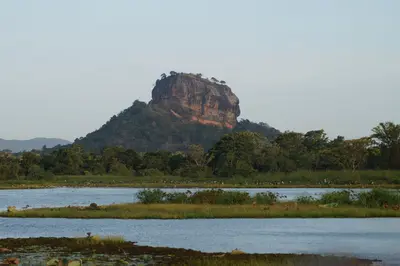
    Sigiriya is an approximately 180-meter-high granite rock in the Cultural Triangle, on whose summit plateau King Kashyapa had his palace built in the 5th century. The rock fortress, with water gardens, frescoes, and the Lion Gate, is one of Sri Lanka's most famous archaeological sites and has been on the UNESCO World Heritage List since 1982.The rock is located near the city of Dambulla. At the foot of the complex lies Sigiriya village, with accommodations and restaurants along a main road. Just under a kilometer north rises Pidurangala Rock, from which you can look out over Sigiriya.Kashyapa reigned, according to common dating, from 477 to 495 and made the rock both his palace and capital. The ascent leads through garden and terrace complexes, past the Mirror Wall and the Fresco Gallery to the Lion Gate, and from there up stairs to the plateau.
    Round trips through this region

    Classic Tour: Culture Triangle, Highlands and South Coast

    Classic Tour: Culture Triangle, Highlands and South Coast

    The classic route connects the old royal cities in the north of the island's center with Kandy, the tea mountains around Nuwara Eliya and Ella, a national park in the south, and the beaches between Mirissa and Galle. It is best suited from December to March.

    15 Days
    9 stops

    Nearby

    Sigiriya

    Sigiriya

    Sigiriya is an approximately 180-meter-high granite rock in the Cultural Triangle, on whose summit plateau King Kashyapa had his palace built in the 5th century. The rock fortress, with water gardens, frescoes, and the Lion Gate, is one of Sri Lanka's most famous archaeological sites and has been on the UNESCO World Heritage List since 1982.The rock is located near the city of Dambulla. At the foot of the complex lies Sigiriya village, with accommodations and restaurants along a main road. Just under a kilometer north rises Pidurangala Rock, from which you can look out over Sigiriya.Kashyapa reigned, according to common dating, from 477 to 495 and made the rock both his palace and capital. The ascent leads through garden and terrace complexes, past the Mirror Wall and the Fresco Gallery to the Lion Gate, and from there up stairs to the plateau.
    Minneriya National Park

    Minneriya National Park

    Minneriya National Park, located in the Cultural Triangle, protects the catchment area of an ancient reservoir and is famous for the so-called Gathering: during the dry season, large numbers of elephants gather on its banks. Estimates range from 150 to 200 animals, with some reports mentioning up to 700.The park is situated approximately 182 kilometres from Colombo, between Sigiriya and Polonnaruwa, and covers nearly 8,900 hectares. King Mahasena commissioned the Minneriya Reservoir in the 3rd century.Declared a protected area in 1938, Minneriya became a National Park in 1997. Besides elephants, Sambar deer, White-bearded langurs, Toque macaques, and rarely leopards live here; additionally, around 160 bird species are recorded, including Grey Pelicans and Painted Storks.
    Dambulla

    Dambulla

    Dambulla is a market town in the heart of the Cultural Triangle, renowned for its cave temple featuring 153 Buddha statues and approximately 2,100 square meters of wall paintings. Situated on the main road to Anuradhapura and close to Sigiriya, the town also serves as a convenient transport hub for the region.The cave temple is located at the foot and on the flank of a rock that rises 150 to 160 meters above the plain. Below it stands the golden Buddha statue of the newer temple and museum complex, separate from the historic site. The town center, with its bus station and shops, stretches along the main thoroughfares, while to the southwest, on the road to Kurunegala, lie the megalithic tombs of Ibbankatuwa.According to tradition, King Valagamba found refuge in the caves for 15 years in the 1st century BCE and later had them converted into a temple. Since 1991, the complex has been a UNESCO World Heritage site.
    Polonnaruwa

    Polonnaruwa

    Polonnaruwa, Sri Lanka's second great royal city after Anuradhapura, boasts an extensive ruined city, a UNESCO World Heritage site since 1982. Palace complexes, temples, and the rock sculptures of Gal Vihara can be easily explored by bike in a day.The city lies east of the Cultural Triangle, by the Parakrama Samudra reservoir. Its archaeological zone stretches north of the current city, while the modern center with train and bus stations is about three kilometers south in the Kaduruwela district.After Vijayabahu I captured the city in 1070, it flourished under Parakramabahu I in the 12th century. From this era derive the Royal Palace, the Sacred Quadrangle with the Vatadage, and irrigation systems surpassing those of the Anuradhapura period.
    Anuradhapura

    Anuradhapura

    Anuradhapura was the capital of the Sinhalese kings for over a millennium and remains to this day one of the holiest cities of Buddhism in Sri Lanka. Huge dagobas, monastery ruins, and the Sri Maha Bodhi, considered the oldest human-planted tree with a known planting date, attract pilgrims and travelers alike.The city lies about 205 kilometers north of Colombo, at the northern edge of the Cultural Triangle. Since the 1949 protection plan, the sacred Old Town with its ruins and the New Town to its east, with government offices, the railway station, and most accommodations, have been separated.The city was the royal seat from the 4th century BC until the end of the 10th century. Since 1982, the Sacred City of Anuradhapura is on the UNESCO World Heritage List. East of the city lies the pilgrim mountain Mihintale.

    Sources & method

    • Photos: Pexels. Each photo carries its credit.
    • The content is based on web research from public, traceable sources. How the content is made · The role of AI