Massachusetts is the Northeastern U.S. state where American history began multiple times: In 1620, the Mayflower Pilgrims landed in Plymouth, and on April 19, 1775, the first shots of the American Revolution were fired in Lexington and Concord. Travelers on the East Coast come here for Boston, the dune coast of Cape Cod, and the many historical sites packed into a small area.Distances are short: Salem, Concord, and Plymouth are easily reached from Boston as a day trip, while Cape Cod, with its long Atlantic beaches, is better suited for an overnight stay. In between lie small towns with white wooden churches, lobster shacks, and lighthouses.The 1692 Salem Witch Trials, the Pilgrim Colony, and the Revolution continue to shape the state's narrative. At the same time, Massachusetts, with Harvard and the greater Boston area, is one of the country's most important university and research centers.
Massachusetts, with approximately 20,200 km² of land area, is almost as large as Hessen and has around 7 million inhabitants (2020 Census). Most trips start in Boston, which is accessible by direct flight from Europe. From there, you travel southeast to the Cape Cod peninsula and the islands of Martha's Vineyard and Nantucket, north to the fishing villages on Cape Ann, and west into the forested hills of the Berkshires. Because distances are short, much can be experienced on day trips, but a few nights on Cape Cod and the islands are worthwhile.
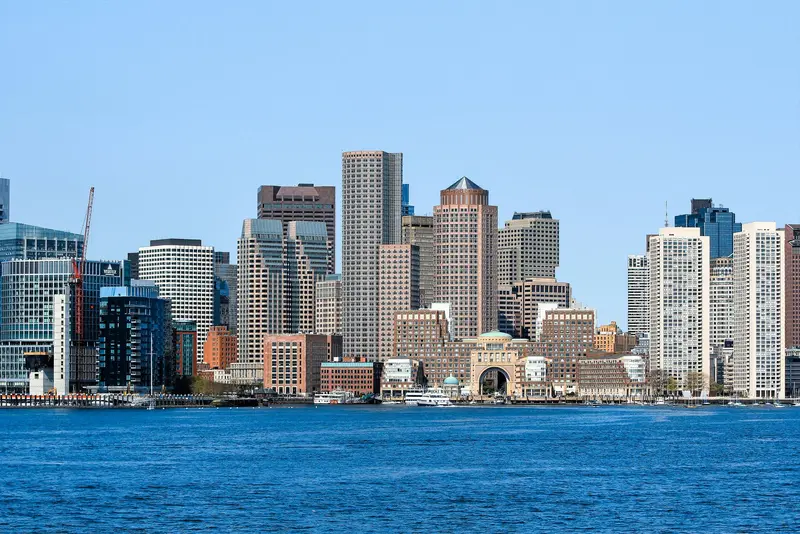
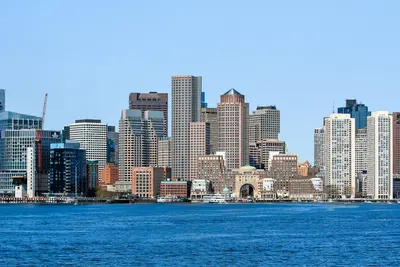
Boston is the capital of Massachusetts and one of the oldest cities in the USA, founded in 1630 by English Puritans. You go there because, within a few kilometers, you can trace the history of the American Revolution, from Boston Common to Bunker Hill.Added to this are brick neighborhoods like Beacon Hill and the Italian North End, world-class museums, the university city of Cambridge on the other side of the Charles River, and Fenway Park, the oldest still-used Major League baseball stadium.Boston is compact and easy to explore on foot. From here, you can reach Salem, Concord, and Plymouth as a day trip, and with Amtrak, you're quickly in New York.
Sights in Massachusetts
Discover the most important sights and attractions
Attraction
Cape Cod National Seashore
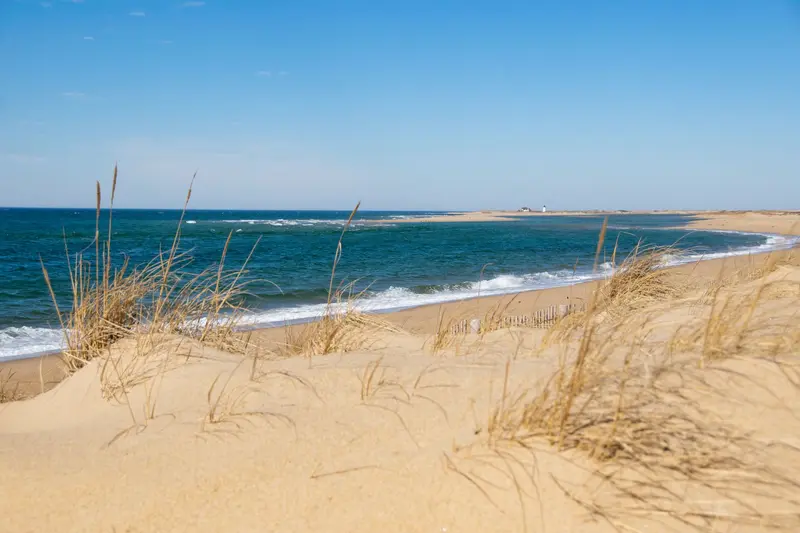
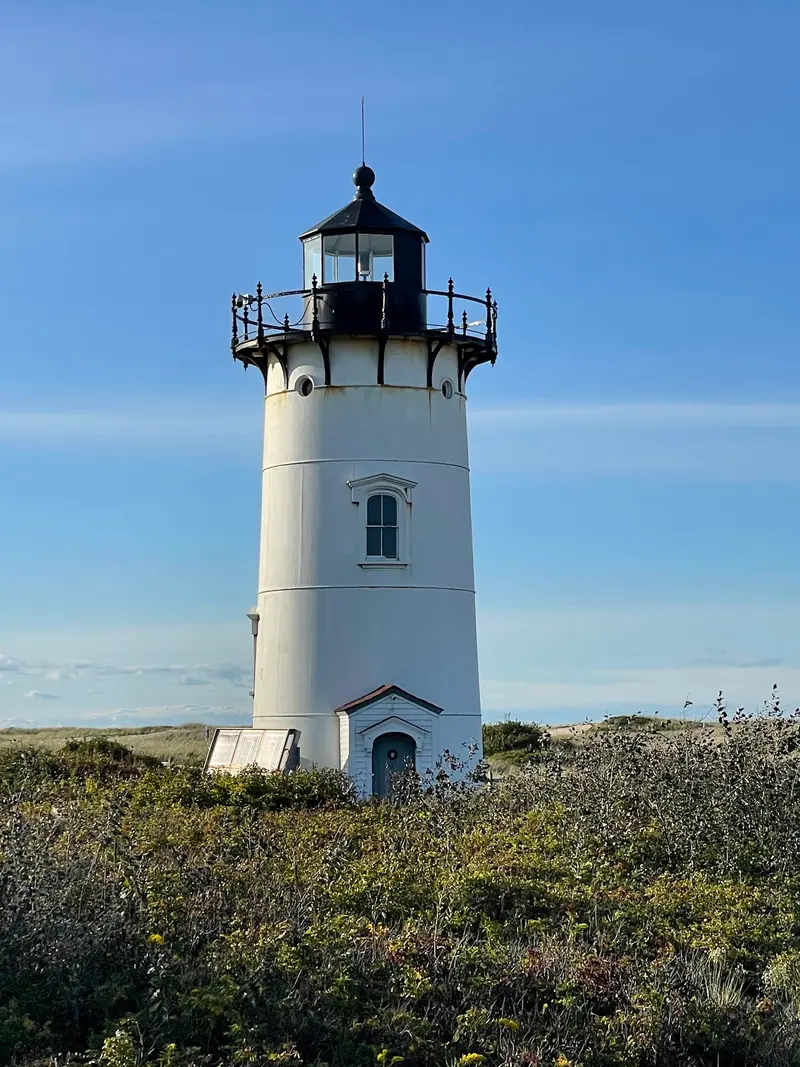
President John F. Kennedy signed the law establishing the protected area in 1961, which encompasses almost 64 km of Atlantic coastline on Cape Cod. It includes dunes, lighthouses like Highland Light, and beaches such as Race Point or Coast Guard Beach. Get information at the year-round Salt Pond Visitor Center in Eastham.
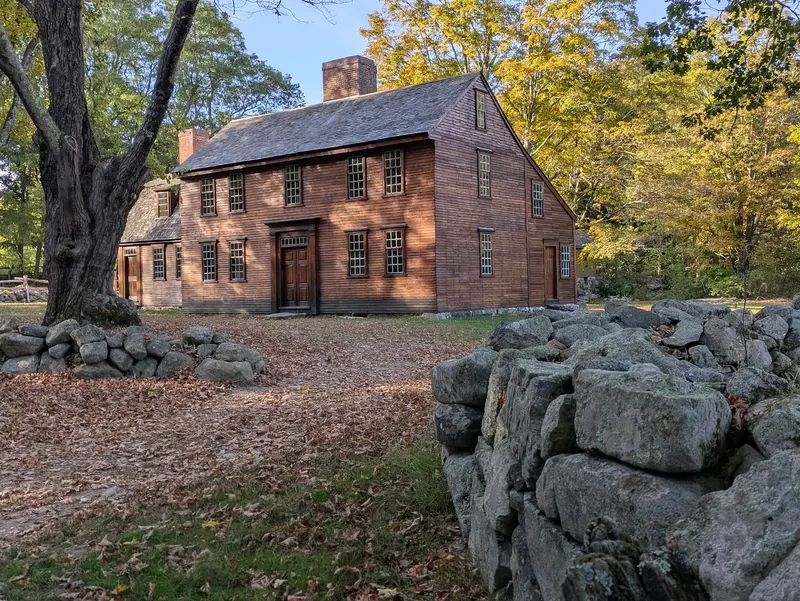
Here, between Lexington and Concord, the American Revolution began its first battles on April 19, 1775. Start at Concord's North Bridge Visitor Center to explore the bridge and Battle Road sites.
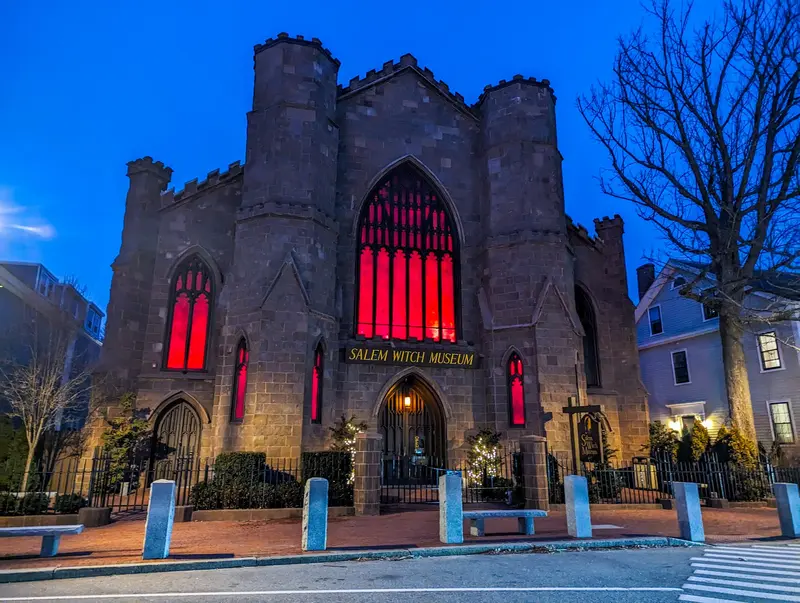
The Museum at Washington Square tells the story of the 1692 witch trials, where 19 people were hanged, with an audiovisual presentation. It's open year-round, but Salem gets very crowded in October, so secure your tickets early.
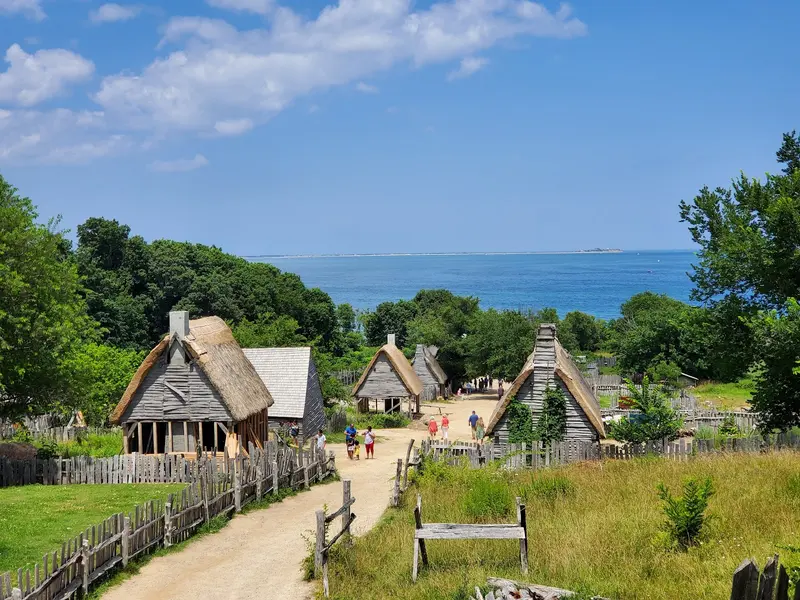
The open-air museum in Plymouth showcases a recreated 17th-century English village and a Wampanoag homesite. At the harbor lies the Mayflower II, a full-scale replica of the 1620 Pilgrim ship.
Chowder and Lobster Rolls are ubiquitous, but beyond Boston, it's worth discovering the coastal towns' classics and some sweet creations from Massachusetts.
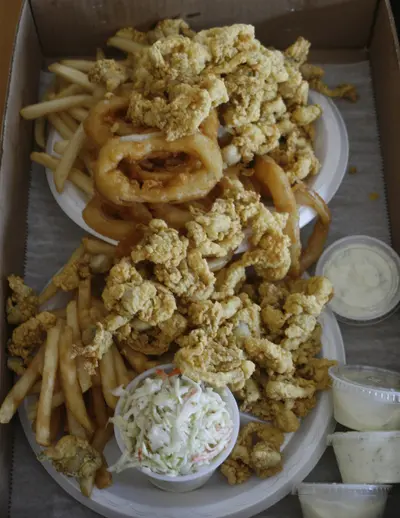
Fried Clams
Breaded, fried clams, ideally from a Clam Shack on the coast. The Woodman family claims the invention: On July 3, 1916, Lawrence “Chubby” Woodman and his wife Bessie fried the first clams in Essex, and their establishment is still run by descendants today.
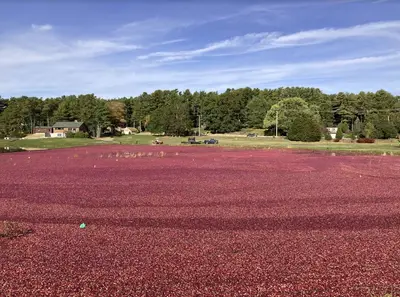
Cranberries
Even indigenous peoples harvested the tart cranberries. Today, over 200 farms cultivate more than 4,600 hectares of bogs. In autumn, fields are flooded, the berries float to the surface and are gathered – a sight worth a detour to the state's southeast.
Chocolate Chip Cookie
Ruth Wakefield, owner of the Toll House Inn in Whitman, published the recipe in her cookbook in 1938. In 1939, she sold the recipe and name to Nestlé. Since 1997, the cookie has been the official state cookie, inspired by a third-grade class from Somerset.
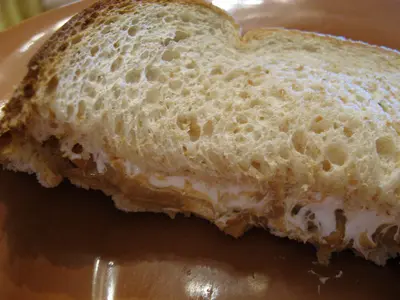
Fluffernutter
White bread with peanut butter and Marshmallow Fluff, a New England lunchbox classic. Archibald Query first stirred up this sweet spread in his kitchen on Union Square in Somerville in 1917, and it is still produced in Lynn today.
Wampanoag, Whaling and World Literature
Long before the Pilgrims, the Wampanoag lived on the coast. Their leader Massasoit came to Plymouth in the autumn of 1621 with about 90 men, where settlers and guests celebrated together for three days, an event later romanticized as the first Thanksgiving. Today, two tribes are federally recognized: the Mashpee Wampanoag Tribe on Cape Cod and the Wampanoag Tribe of Gay Head (Aquinnah) on Martha's Vineyard.In the 19th century, New Bedford was the whaling capital of the world. From here, Herman Melville set sail on the Acushnet on January 3, 1841; a decade later, he wrote "Moby-Dick" in Pittsfield. The Seamen's Bethel, featured in the novel, is now part of the New Bedford Whaling National Historical Park.Massachusetts is also a land of writers. In Concord, a replica of Henry David Thoreau's wooden cabin at Walden Pond commemorates his book "Walden." In Amherst, you can visit the house where Emily Dickinson was born and died, and where she wrote most of her poems.
Getting There and Around
AirportThe primary gateway is Boston Logan International Airport, with direct flights from Europe. From the airport, the Silver Line SL1 runs for free to South Station.Train and BusAmtrak connects Boston to New York, Philadelphia, and Washington via the Northeast Corridor. The MBTA Commuter Rail departs from North Station, serving destinations like Salem (Newburyport/Rockport Line, approx. 30 minutes).CarFor Cape Cod and its more rural areas, a rental car proves most practical. Route 6 extends across the entire peninsula all the way to Provincetown. Within Boston itself, a car is not necessary.