ExploreTravel GuidesPlan a trip
    de|en
    All Places & RegionsAbout FernwehFAQPrivacy PolicyImprint
    ExploreTravel GuidesPlan a trip
    • Neighborhoods & highlights
    • Eat & drink
    • Nightlife
    • Accommodation
    • Plan trip
    • Nearby
    Waldstraßenviertel & Rosental

    Germany

    Waldstraßenviertel & Rosental

    City

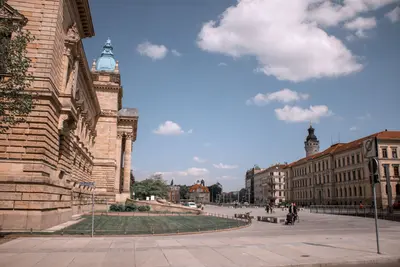
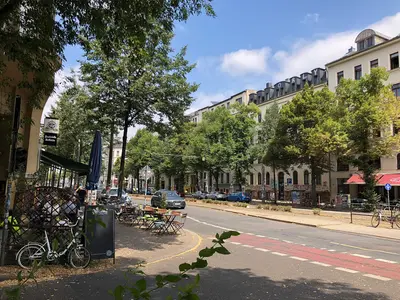
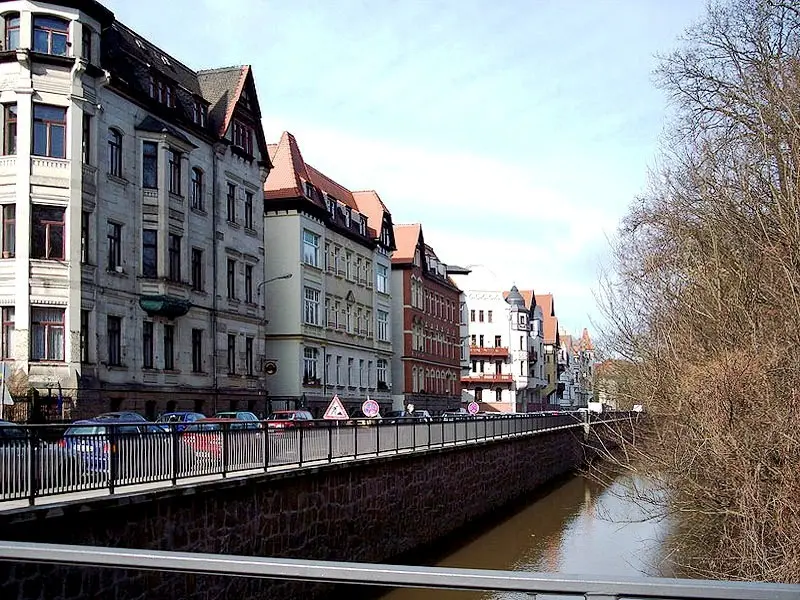
    The Waldstraßenviertel, northwest of the city center, is considered one of Europe's largest continuously preserved Gründerzeit districts and is protected as a heritage area.

    1. Home
    2. Destinations
    3. Germany
    4. Leipzig
    5. Waldstraßenviertel & Rosental
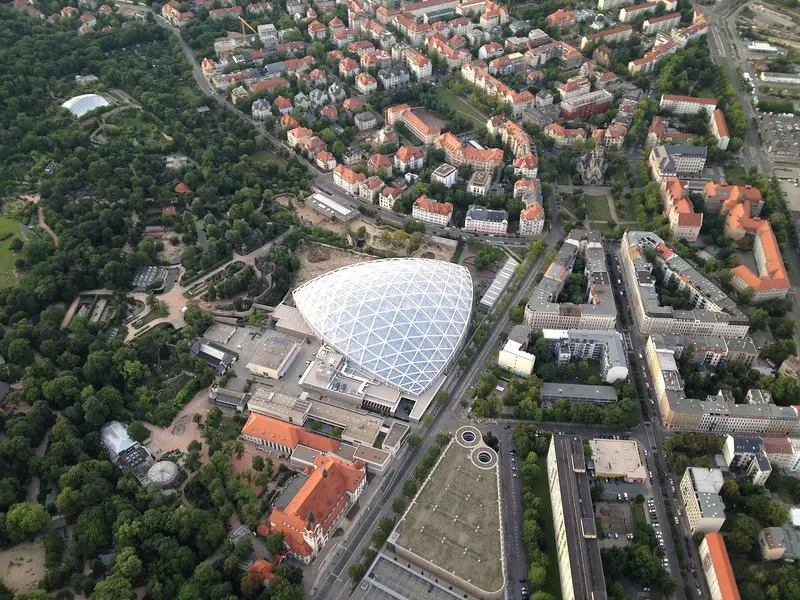
    The Waldstraßenviertel, northwest of the city center, is considered one of Europe's largest continuously preserved Gründerzeit districts and is protected as a heritage area. It was developed from around 1830, intensifying from 1860, and musicians such as Albert Lortzing, Gustav Mahler, and Heinrich Marschner lived here. By 1933, approximately 2,500 Jewish people lived in the district, many of whom worked in the fur trade on Brühl.To the northeast lies the 118-hectare Rosental, a park section of the Leipzig floodplain forest featuring a large meadow and observation tower. On its eastern side is Zoo Leipzig with the Gondwanaland tropical hall and the Pongoland great ape enclosure, while west of the district is the Sportforum with the Zentralstadion. Tram line 4 runs through Waldstraße, and lines 3, 7, 8, and 15 also stop at Waldplatz.
    The Waldstraßenviertel is a large Gründerzeit ensemble directly northwest of the city center. Nearby are the Rosental with its observation tower and Zoo Leipzig with Gondwanaland. Tram line 4 runs through Waldstraße, and other lines stop at Waldplatz.

    Sights in Waldstraßenviertel & Rosental

    Discover the most important sights and attractions

    Zoo Leipzig
    Zoo

    1Zoo Leipzig

    Ernst Pinkert founded the zoo on June 9, 1878. Today, it spans 26.3 hectares on the east side of Rosental. Highlights include the 34.5-meter-high Gondwanaland tropical hall, opened in 2011, and the Pongoland great ape enclosure, opened in 2001, featuring orangutans, gorillas, chimpanzees, and bonobos.
    Open in Google Maps
    Rosental
    Park

    2Rosental

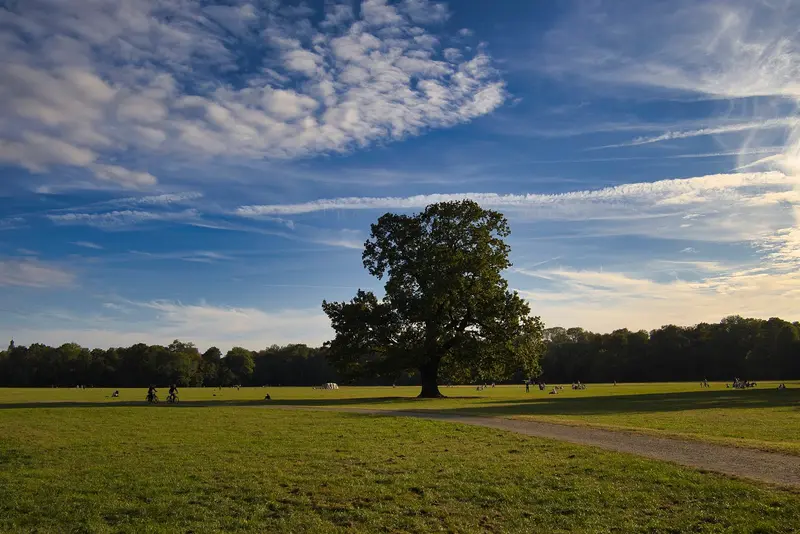
    Der 118 Hektar große Park im nördlichen Auwald erhielt ab 1707 seine große Wiese und die strahlenförmigen Sichtachsen. Auf einem 20 Meter hohen Hügel steht seit 1975 ein 20 Meter hoher Aussichtsturm aus Stahl, und am Zooschaufenster, einem breiten Graben, blickst du auf die Tiere des benachbarten Zoos.
    Open in Google Maps
    Red Bull Arena
    Stadium

    3Red Bull Arena

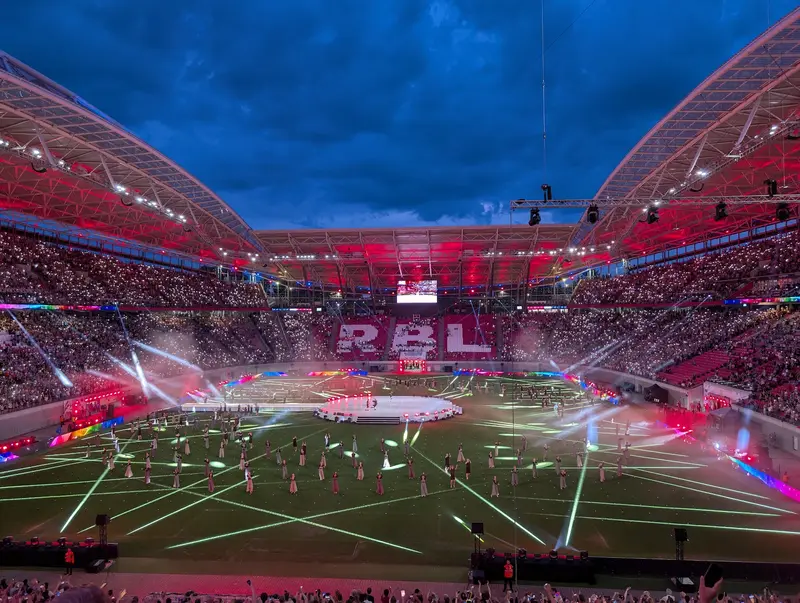
    Built for the 2006 FIFA World Cup, it was built into the old Zentralstadion's green embankment and opened in 2004. RB Leipzig has played its home games here since 2010; the arena offers 47,800 seats from August 2024.
    Open in Google Maps

    Restaurants in Waldstraßenviertel & Rosental

    1

    Mosquito Castle

    Guesthouse on the edge of Rosental, in an 1892 villa with garden, featuring hearty and Mediterranean cuisine, Sunday brunch, and cabaret dinner shows.
    Show on Google Maps
    2

    NORI Restaurant

    Asian restaurant on Waldstraße, in the heart of the Gründerzeit district.
    Show on Google Maps
    3

    Mai Kitchen

    Restaurant on Jahnallee at the southern edge of the Waldstraßenviertel.
    Show on Google Maps

    Nightlife

    1

    Cliff's Brewery

    A small brewery featuring its own brewpub on Leibnizstraße in Waldstraßenviertel.
    Show on Google Maps
    2

    Lion's Tank

    Gastropub on Jahnallee on the southern edge of Waldstraßenviertel.
    Show on Google Maps
    3

    Sky Pub

    Pub in Waldstraße, the main street of the Gründerzeit quarter.
    Show on Google Maps

    Accommodations in Waldstraßenviertel & Rosental

    Find perfect stay in Waldstraßenviertel & Rosental

    Booking.com* (Affiliate link)
    Search Hotels
    Agoda* (Affiliate link)
    Search Hotels
    Airbnb
    Vacation Rentals

    * Affiliate link: if you book through it, we earn a small commission. The price stays the same for you.

    Campgrounds in Waldstraßenviertel & Rosental

    Find perfect campground in Waldstraßenviertel & Rosental

    Search via Google Maps
    Campgrounds nearby (15km)
    Camping.info
    Find Campgrounds
    Park4Night
    RV Parks & Camping

    Plan your trip to Waldstraßenviertel & Rosental

    Save places, build a route and plan your city trip, all in one place.

    1. 1
      1234

      Round trip

      12 days · 4 stops

      Saved

      Pick a route

      Pick a ready-made one or save places and plan your own.

      Open bookmarks
    2. 2

      Trip to Waldstraßenviertel & Rosental

      Live
      • 1Zoo Leipzig3 days
      • 2Rosental4 days
      • 3Red Bull Arena5 days
      Budget

      Plan your trip

      The planner sorts stops, days and budget. Plan together in real time.

      Start trip planning
    3. 3
      9:41 No signal
      Available offline

      Use it on the road

      Download the guide to your phone and use it on site, even offline.

    Nearby

    Leipzig

    Leipzig

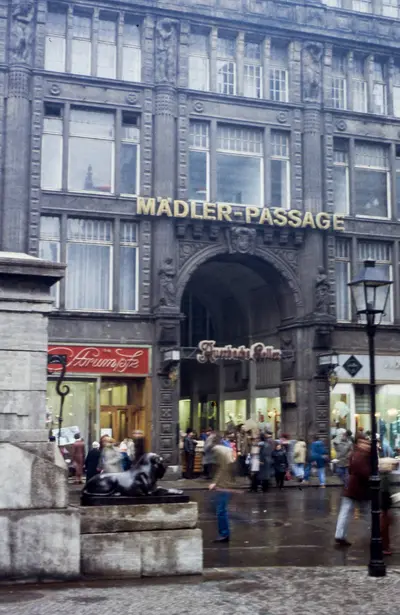
    Leipzig is Saxony's most populous city, a trade fair and university city with a trade fair tradition dating back to 1190. Musically, Johann Sebastian Bach, who served as Thomaskantor from 1723 to 1750, and Felix Mendelssohn Bartholdy have left their mark on the city, today upheld by the Gewandhaus Orchestra and the Thomanerchor.In 1989, peace prayers at Nikolaikirche led to the Monday Demonstrations, which, under the slogan "No Violence," helped bring about the end of the GDR. Today, Leipzig boasts a compact city center with arcades and churches, the art complex of the former Baumwollspinnerei in the west, and lively nightlife districts in the south.
    Center

    Center

    The center essentially comprises Leipzig's Old Town, once encircled by a city wall. Today, the Inner City Ring, with Tröndlinring, Georgiring, Augustusplatz, Martin-Luther-Ring, and Dittrichring, forms its boundary; beyond it lies the Promenadenring. Characteristic features are the trade fair buildings, which arose with the sample fairs from 1895, and the passages and courtyards, which run parallel to the streets like a second, car-free network of paths. Specks Hof is considered the city's oldest preserved shopping arcade, Barthels Hof the only preserved 18th-century passage courtyard.You can stroll from the market, with the Old Town Hall, through the passages to Augustusplatz, home to the Opera, Gewandhaus concert hall, and the University's Paulinum, and visit the Mendelssohn House on Goldschmidtstraße. In the evening, head to Drallewatsch, the vibrant pub mile around Barfußgäßchen. All tram lines serve the Inner City Ring; in the City Tunnel, S-Bahn trains stop at the underground stations Hauptbahnhof, Markt, and Wilhelm-Leuschner-Platz.
    Gohlis

    Gohlis

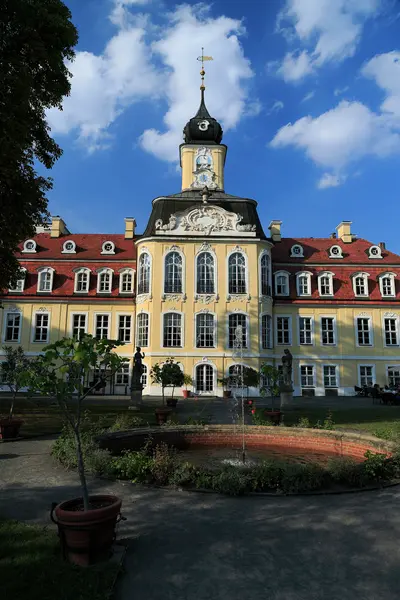
    Gohlis is located in northern Leipzig and borders Rosental to the south. In the 18th century, the village was a popular excursion destination for Leipzig's bourgeoisie. Dating from this period are the Rococo summer palace Gohliser Schlösschen from 1755/56 and the farmhouse where Friedrich Schiller resided in the summer of 1785. Gohlis was incorporated in 1890; large parts of the district were built during the Gründerzeit, complemented by modern structures such as the Krochsiedlung and the Versöhnungskirche.Here you can visit the Schillerhaus, Germany's oldest literary memorial with a farmhouse garden, stop at the Gohliser Schlösschen, and stroll through the Gründerzeit streets to Rosental. Tram lines 4 and 12 run from south to north through Gohlis, lines 10 and 11 intersect at Georg-Schumann-Straße, and S-Bahn lines S1, S3, and S10 stop at the Gohlis and Coppiplatz stations.
    Plagwitz & Lindenau

    Plagwitz & Lindenau

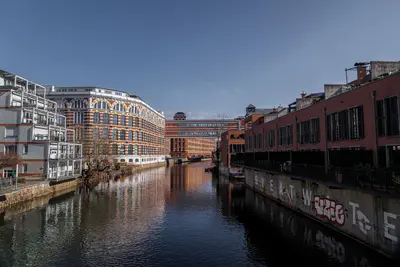
    Plagwitz and Lindenau are located about three kilometers west of the city center, with Karl-Heine-Straße forming the boundary between them. From 1854, entrepreneur Karl Heine bought land here, had canals and roads built, transforming the villages into industrial suburbs; in 1891, both were incorporated into Leipzig. After 1989, industry largely collapsed, but since around 2000, start-ups, galleries, and creative businesses have settled in the old factories. With the Spinnerei, Lindenau is considered the center of the New Leipzig School.You can stroll along Karl-Heine-Straße, walk or cycle on the towpath alongside the Karl-Heine-Kanal, which has been navigable for boats up to Lindenauer Hafen since 2015, and discover brick buildings like the Konsumzentrale. In the evenings, venues like the Schaubühne Lindenfels, as well as bars and clubs in old industrial buildings, beckon. You can get there with the S1 to Leipzig-Plagwitz or Leipzig-Lindenau, by tram line 14 via Karl-Heine-Straße, or with lines 7, 8, and 15 to Lindenauer Markt.
    Südvorstadt & Connewitz

    Südvorstadt & Connewitz

    Südvorstadt borders the city center to the south. After 1864, a grid of perimeter block development emerged here, which is why Gründerzeit and Jugendstil buildings characterize the district, now one of the city's best-renovated areas. Its main thoroughfare is Karl-Liebknecht-Straße, known as KarLi, offering numerous pubs, cafés, restaurants, small shops, and cabaret stages. To the south lies Connewitz, incorporated in 1891 and regionally renowned as a stronghold of the alternative scene, which emerged from squats in unrestored old buildings.More than half of Connewitz is forest: In Connewitzer Holz, part of the southern Auwald, a dense network of paths awaits, boats navigate the Pleiße and Floßgraben, and in the Wildpark, you can see native animals with free admission. The former Gasometer hosts the Panometer, showcasing panoramic images by Yadegar Asisi, and from Fockeberg, you can overlook the city. Tram lines 9, 10, and 11 run via KarLi and Bornaische Straße; all S-Bahn lines stop at Leipzig MDR station on the eastern edge of Südvorstadt, and Connewitz has its own S-Bahn station.