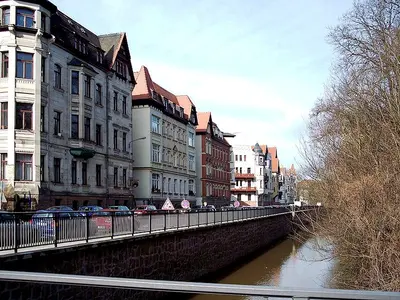
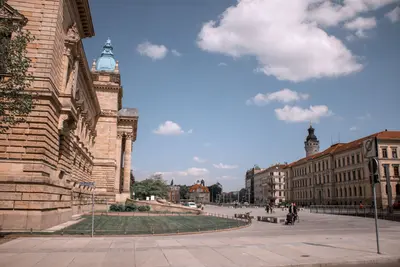
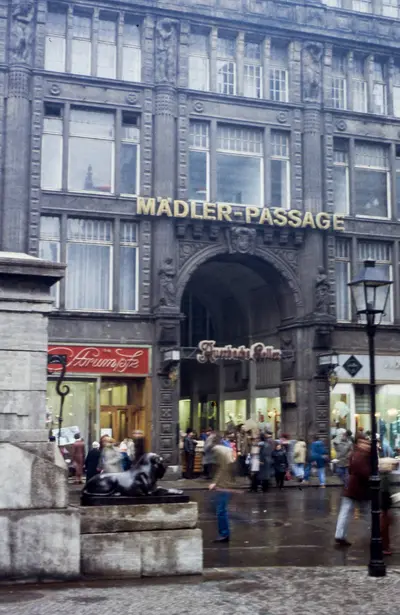
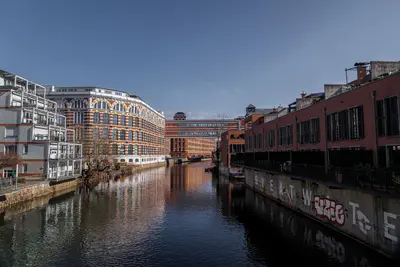
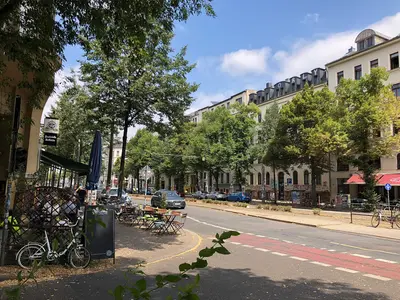
Gohlis is located in northern Leipzig and borders Rosental to the south. In the 18th century, the village was a popular excursion destination for Leipzig's bourgeoisie.
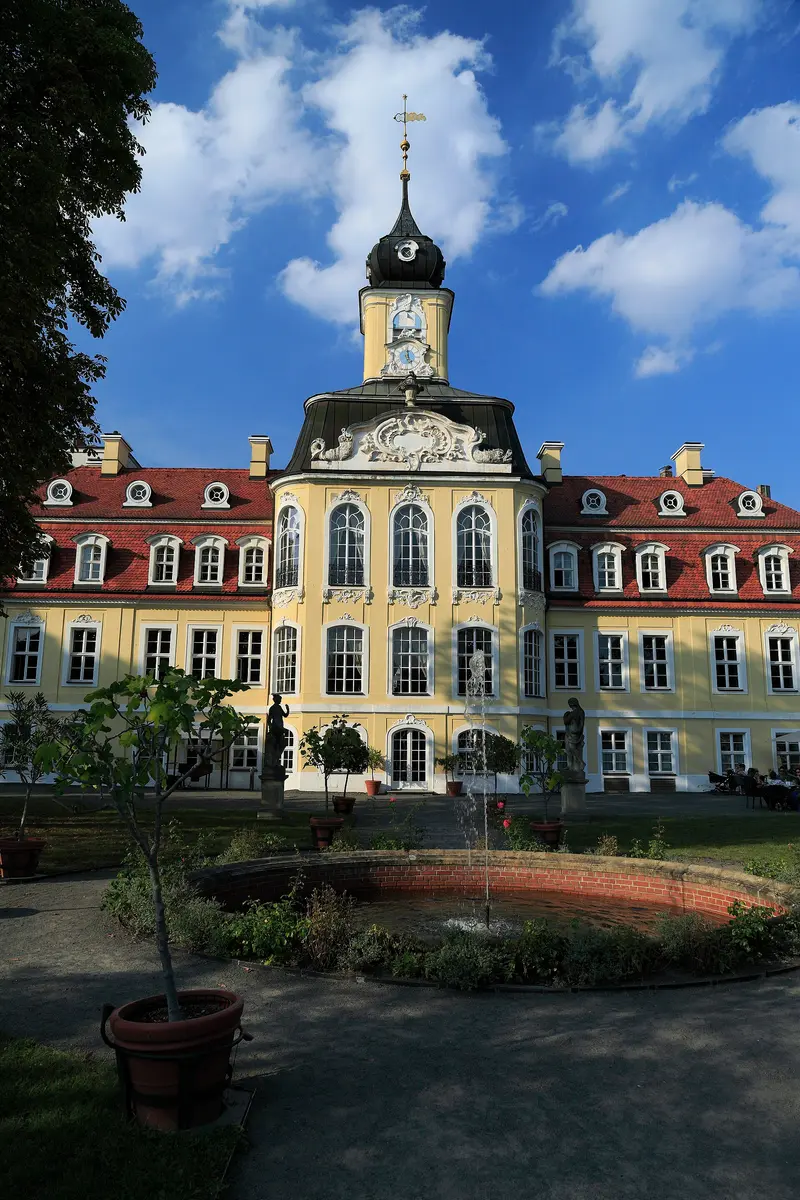
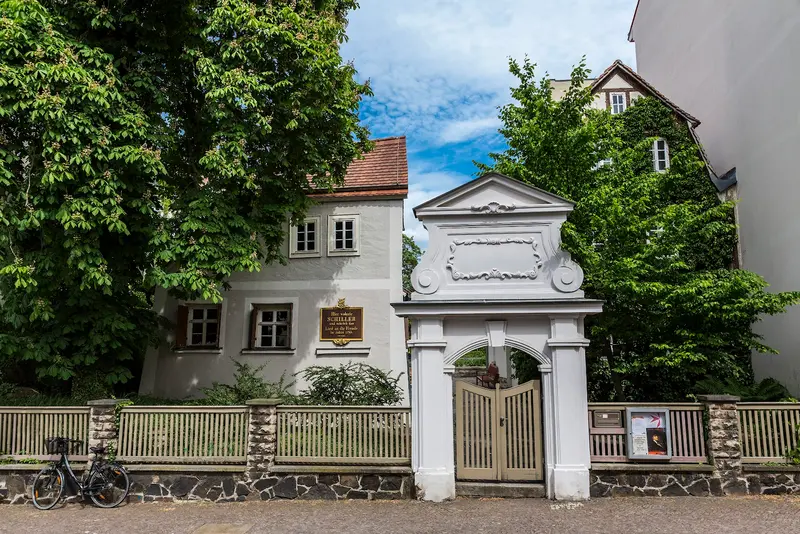
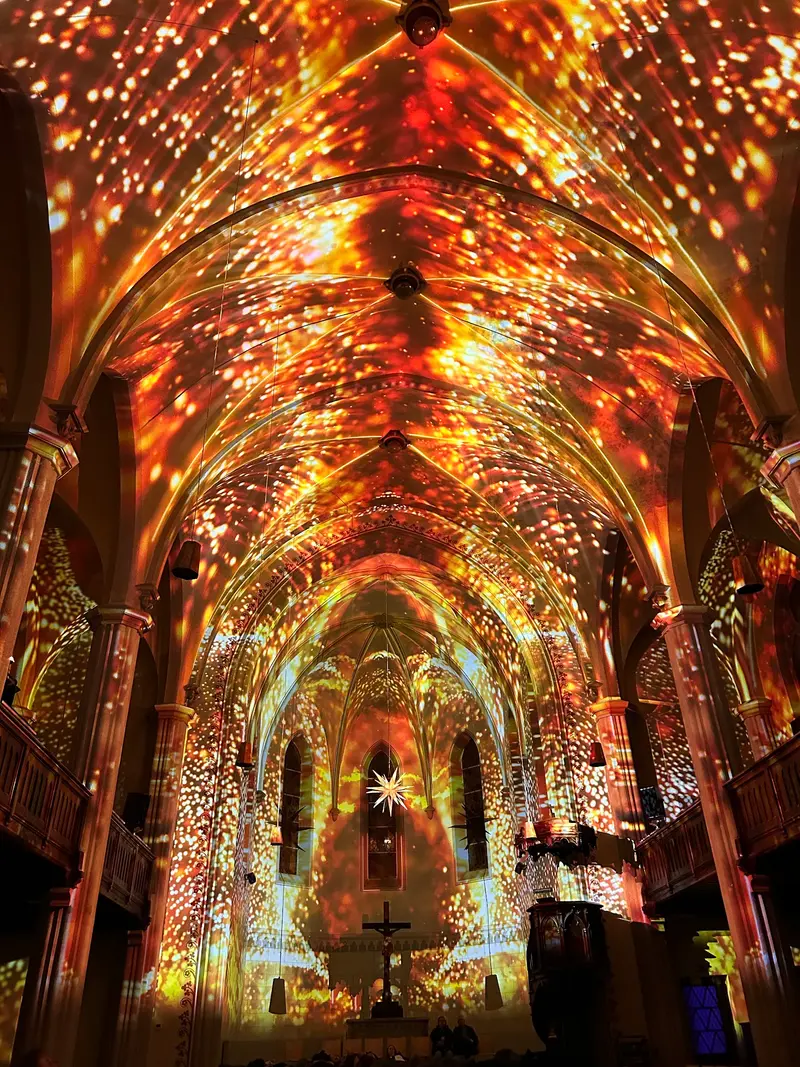
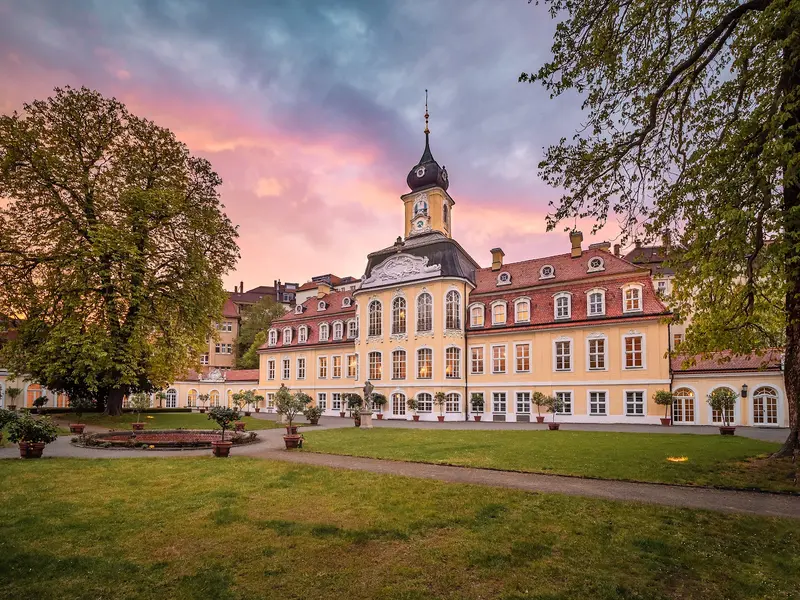
Gohlis is located in northern Leipzig and borders Rosental to the south. In the 18th century, the village was a popular excursion destination for Leipzig's bourgeoisie. Dating from this period are the Rococo summer palace Gohliser Schlösschen from 1755/56 and the farmhouse where Friedrich Schiller resided in the summer of 1785. Gohlis was incorporated in 1890; large parts of the district were built during the Gründerzeit, complemented by modern structures such as the Krochsiedlung and the Versöhnungskirche.Here you can visit the Schillerhaus, Germany's oldest literary memorial with a farmhouse garden, stop at the Gohliser Schlösschen, and stroll through the Gründerzeit streets to Rosental. Tram lines 4 and 12 run from south to north through Gohlis, lines 10 and 11 intersect at Georg-Schumann-Straße, and S-Bahn lines S1, S3, and S10 stop at the Gohlis and Coppiplatz stations.
Gohlis in the north is a large residential district with Gründerzeit streets and two 18th-century cultural gems: the Schiller House and Gohlis Palace. Rosental directly adjoins to its south. You can get here directly by tram lines 4 and 12 or the S-Bahn.
Sights in Gohlis
Discover the most important sights and attractions
Museum
1Schillerhaus
The early 18th-century farmhouse at Menckestraße 42 is Gohlis's oldest surviving house. Friedrich Schiller resided here in summer 1785, composing his poem "Ode to Joy." Now Germany's oldest literary memorial, its exhibition and farmhouse garden are open March to October with free admission.
The Neo-Gothic gallery hall with brick exterior, designed by Hugo Altendorff, was inaugurated on October 31, 1873. It is located near the historic village green at Menckestraße.
Master Builder Johann Caspar Richter built the Rococo summer palace in 1755/56. In the upstairs ballroom, Adam Friedrich Oeser's ceiling painting depicts Psyche's journey. Today, it hosts concerts, theatre, exhibitions, a café, and a Baroque garden with ornate fountains.