Fernweh: Home
    ExploreTravel GuidesPlan a tripMy tripLast visited
    de|en
    All Places & RegionsAll highlightsAbout FernwehFAQPrivacy PolicyImprint
    ExploreTravel GuidesPlan a tripMy tripLast visited
    • Neighborhoods & highlights
    • Videos
    • Eat & drink
    • Food culture
    • Culture
    • Nightlife
    • Getting around
    • Accommodation
    • Plan trip
    • Nearby
    Thorn (Toruń)

    Poland

    Thorn (Toruń)

    City

    Thorn (Toruń) is on the Vistula River in north-central Poland, sharing the capital role of the Kuyavian-Pomeranian Voivodeship with Bydgoszcz.

    by Felix Gillen

    1. Home
    2. Destinations
    3. Poland
    4. Kuyavian-Pomerania
    5. Thorn (Toruń)
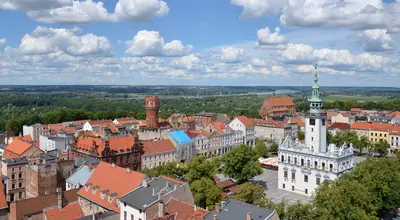
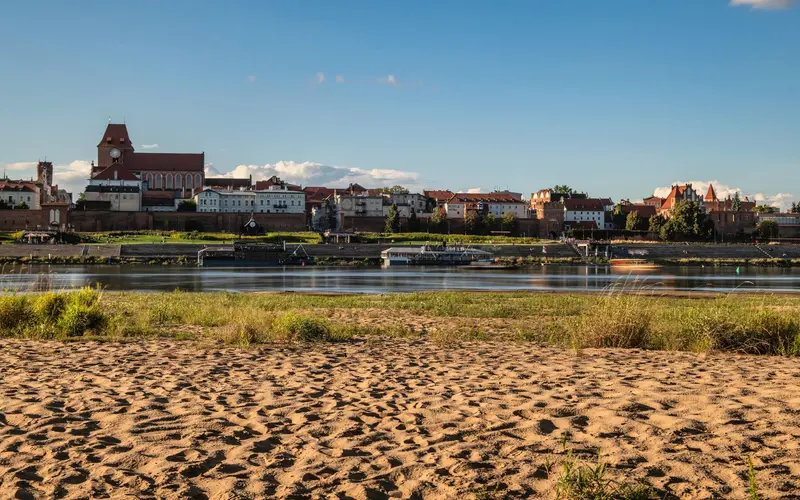
    Thorn (Toruń) is on the Vistula River in north-central Poland, sharing the capital role of the Kuyavian-Pomeranian Voivodeship with Bydgoszcz. The Teutonic Order founded the city in 1231; it received city rights in 1233 and later became an important member of the Hanseatic League. Nicolaus Copernicus was born here in 1473, lending his name to the university founded in 1945. The city has about 192,000 inhabitants. The medieval city, with its Brick Gothic, has been UNESCO World Heritage since 1997. It consists of three parts: the Old Town in the west with the Town Hall, St. John's Cathedral, and St. Mary's Church; the New Town in the east, established from 1264; and between them on the southern edge, the remains of the Teutonic Knights' Castle. The street network has largely remained unchanged since medieval times. In the evenings, you can meet up in the pubs and cellar bars around the Old Town Market. Toruń is also well-known for its gingerbread, the Toruński piernik.

    Sights in Thorn (Toruń)

    Discover the most important sights and attractions

    Old Town Hall (Ratusz Staromiejski)

    1Old Town Hall (Ratusz Staromiejski)

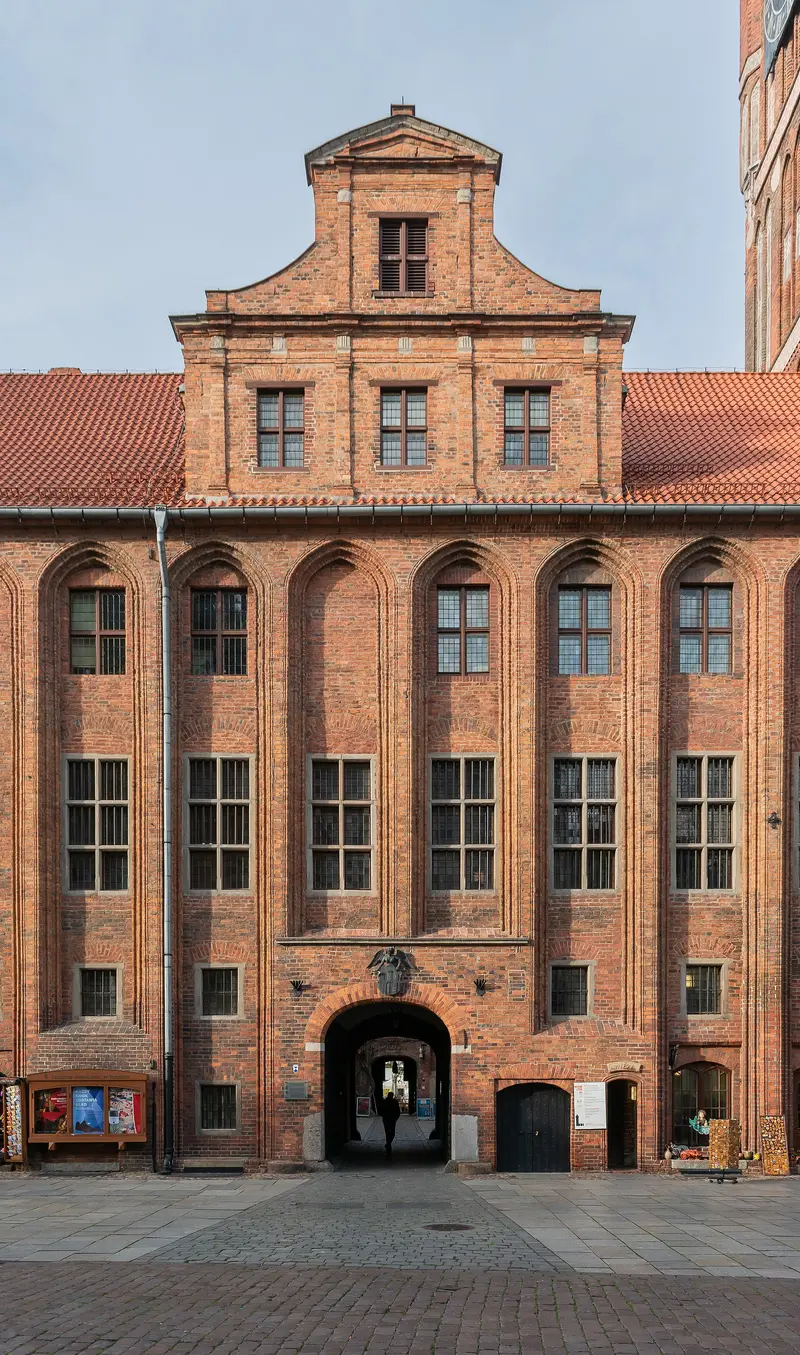
    The Gothic brick building in the middle of the Old Town Market is one of the main structures of the UNESCO World Heritage Site Medieval Town of Toruń. Today, it houses the headquarters of the Regional Museum with an art collection featuring works by Jan Matejko, Jacek Malczewski, and Zdzisław Beksiński.
    Open in Google Maps
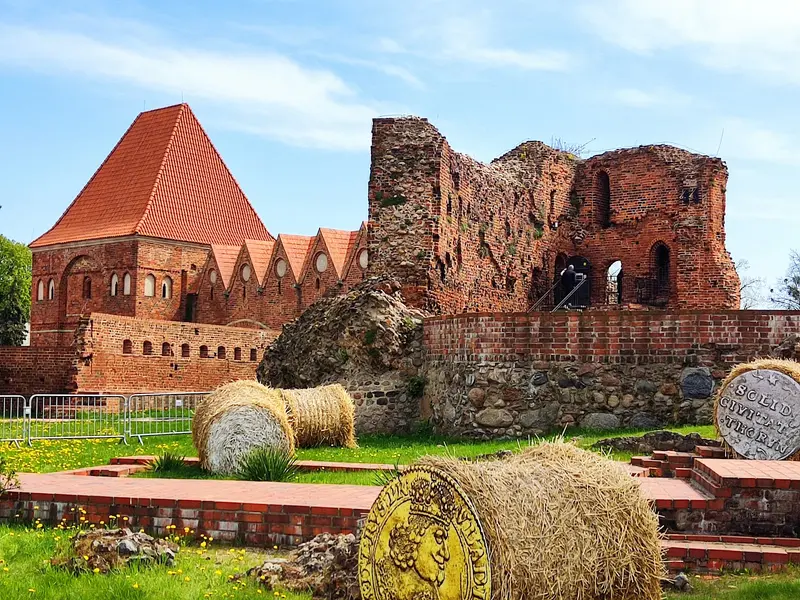
    Ruin of the Order Castle (Zamek Krzyżacki)
    Castle

    2Ruin of the Order Castle (Zamek Krzyżacki)

    The Teutonic Order castle, built 13th-14th century, stood on the southern edge between Old and New Towns. 1454 saw citizens rebel against the Order, capturing and demolishing it; today, ruins and cellar vaults remain.
    Open in Google Maps
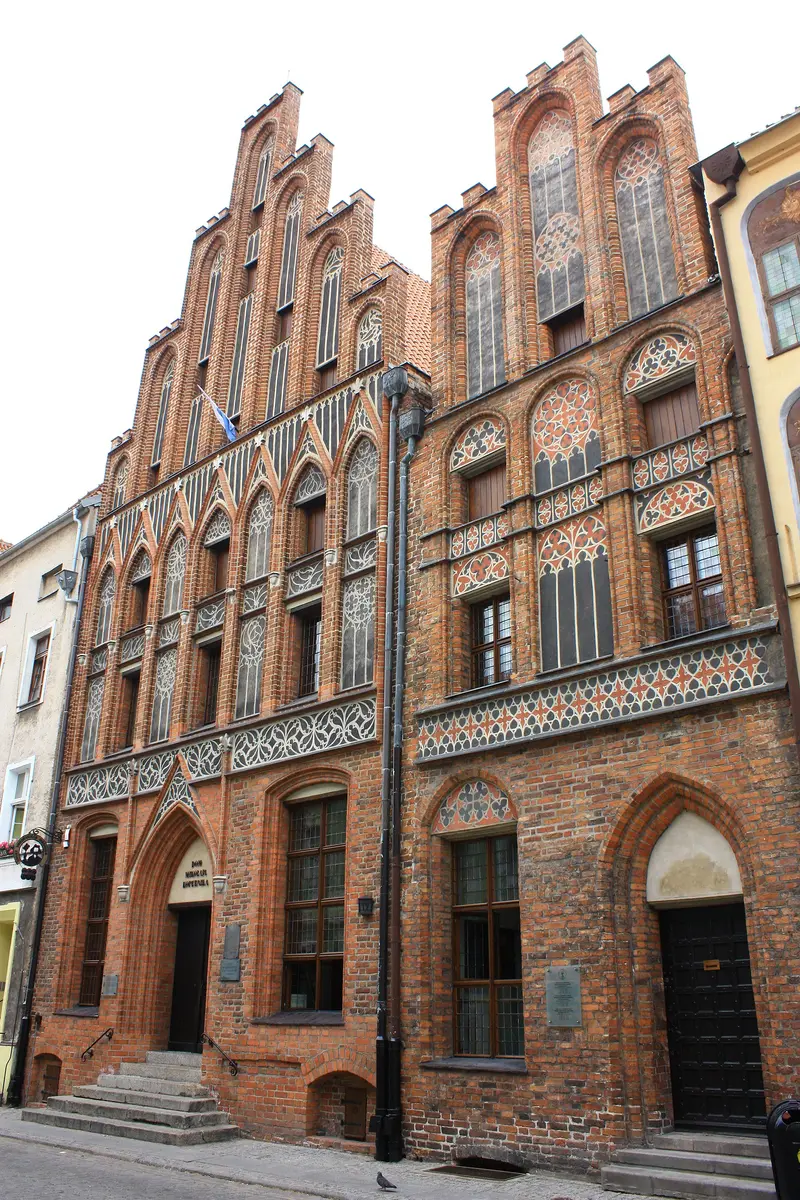
    Copernicus House (Dom Mikołaja Kopernika)
    Museum

    3Copernicus House (Dom Mikołaja Kopernika)

    Nicolaus Copernicus was born in Toruń in 1473. The 15th-century Gothic townhouse is now a branch of the Regional Museum, featuring exhibitions on the life and work of the astronomer and the daily life of a late medieval Hanseatic merchant.
    Open in Google Maps
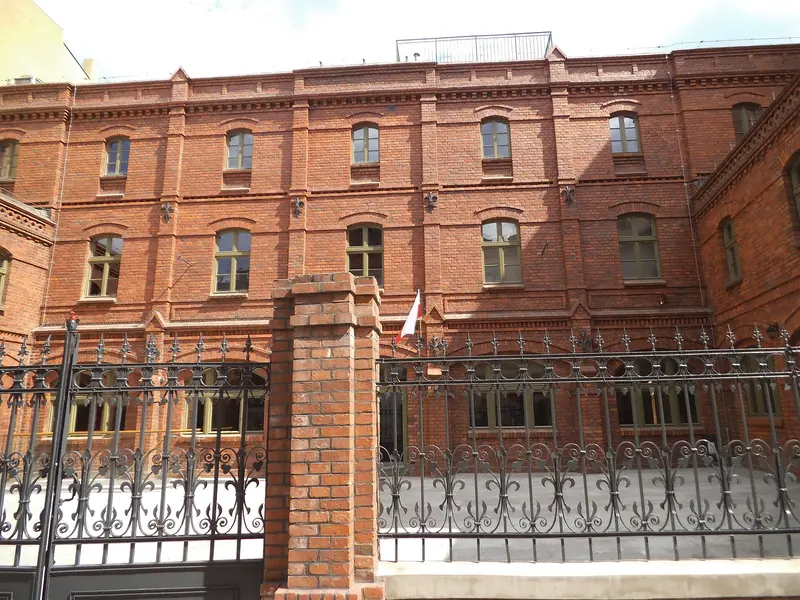
    Museum of Thorn Gingerbread (Muzeum Toruńskiego Piernika)
    Museum

    4Museum of Thorn Gingerbread (Muzeum Toruńskiego Piernika)

    Opened in 2015, the museum on Strumykowa is housed in the building of the former Weese family gingerbread factory. It showcases the history of Thorner Lebkuchen, and in a baking workshop, you can make gingerbread yourself.
    Open in Google Maps
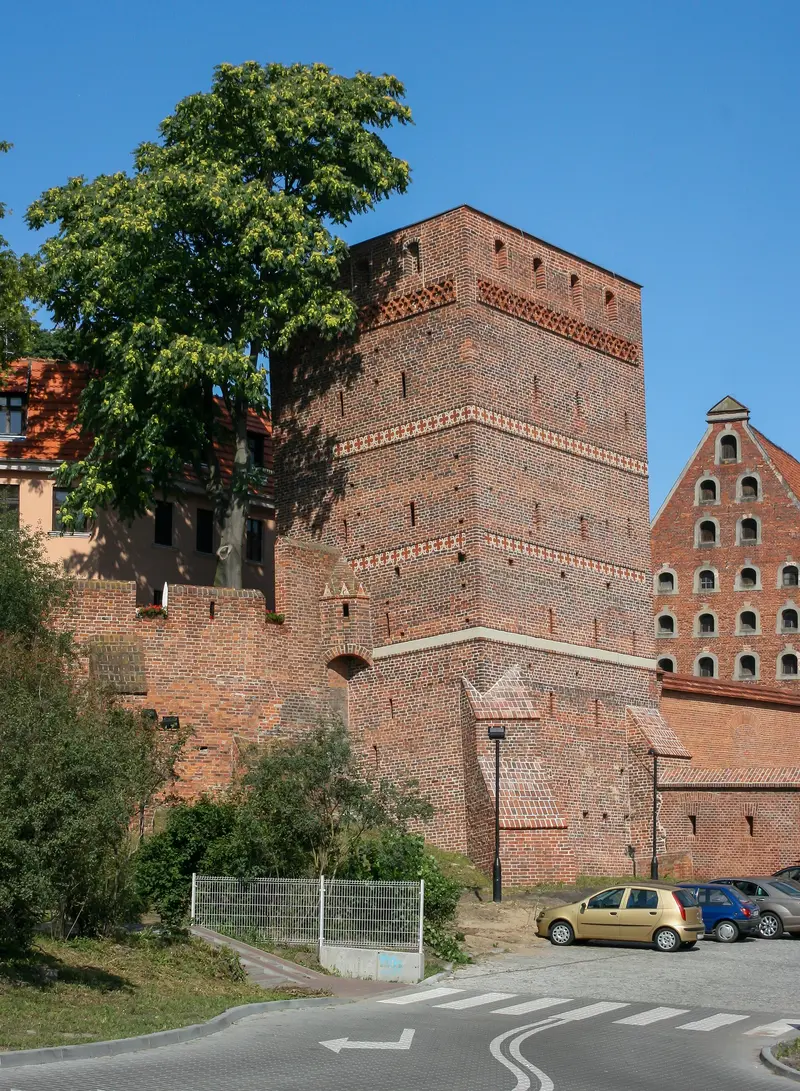
    Leaning Tower (Krzywa Wieża)
    Attraction

    5Leaning Tower (Krzywa Wieża)

    The defensive tower, dating from the first half of the 14th century, is one of the preserved parts of the medieval city fortifications. It leans nearly one and a half meters off vertical, and legends surround it, including that of the order knight who was compelled to build it as penance.
    Open in Google Maps

    Videos & Travel Reports

    Rick Steves' Europe: Poland

    An hour-long best-of-Poland special from the public television series Rick Steves' Europe. It starts in Kraków and the Auschwitz-Birkenau Memorial, continues to Warsaw, Toruń and Malbork Castle and…

    Restaurants in Thorn (Toruń)

    1

    Piernicova

    Restaurant on the edge of the Old Town with a terrace and views of the former city walls, inside with dark furniture, brick walls, and an open kitchen upstairs. Traditional Polish cuisine is served; the Guide Michelin highlights the Żurek and awards a Bib Gourmand.
    Show on Google Maps
    2

    Bistrot Miraux

    Small French bistro on Dominikańska on the edge of the Old Town, decorated with old French posters. The menu features classics like frog legs, duck confit and Crêpes Suzette. The Michelin Guide lists it with a recommendation.
    Show on Google Maps
    3

    Szeroka № 9

    A restaurant and café on Szeroka in the Old Town with elegant interiors. It has been mentioned several times in the Polish Gault&Millau and is known for its wine selection.
    Show on Google Maps

    Eating & Drinking in Toruń

    Toruń gingerbread

    Thorner Lebkuchen, the city's most famous specialty. The Lebkuchen craft in Toruń is first mentioned in 1380.

    Katarzynki

    Thorner Katharinchen, one of the city's classic gingerbread varieties. They were traditionally baked from St. Catherine's Day on November 25th.

    Żurek

    Sourdough-based sour flour soup, which restaurants like Piernicova in the Old Town serve as part of traditional Polish cuisine.

    Culture in Toruń

    Copernicus and Science The city's most famous son is omnipresent: His birthplace is a museum, a monument stands in the Old Town Market Square, and the university founded in 1945 bears his name. The Regional Museum in the Old Town Hall displays paintings by Jan Matejko, Jacek Malczewski, Stanisław Ignacy Witkiewicz and Zdzisław Beksiński. Gingerbread City Toruń gingerbread is the city's best-known product; the craft of gingerbread making was first mentioned here in 1380. Widely popular are the Katarzynki, the Toruń Catherine gingerbreads. Fabryka Cukiernicza Kopernik has been baking gingerbread in the city since the 18th century, and at the Toruń Gingerbread Museum, located in the former Weese family gingerbread factory, you can try making it yourself.

    Nightlife

    1

    imBEER Craft & Tapas

    Craft beer bar with tapas in the Old Town, featuring rotating taps, plenty of Polish craft beer in bottles, a bar on the ground floor, a cellar room, and outdoor seating in the warmer months.
    Show on Google Maps
    2

    Carpe Power

    Toruń's first craft beer bar is located in a two-room cellar near the theatre at the Old Town entrance, offering up to 17 taps and over 30 bottled beers.
    Show on Google Maps
    3

    Happy Drinkers Irish Pub

    Irish Pub in a brick vault at the Old Town Market, with Guinness on tap and a selection of Irish whiskeys.
    Show on Google Maps

    Getting There & Around

    Travel Toruń is on the A1 motorway. The main train stations are Toruń Główny and Toruń Miasto. The nearest international airport is in Bydgoszcz, about 45 km away. Getting Around the City Trams have run since 1891, supplemented by buses. The compact Old Town is best explored on foot. If you arrive by car, arrange parking with your accommodation in advance.
    Accommodations in Thorn (Toruń)

    Find perfect stay in Thorn (Toruń)

    Booking.com* (Affiliate link)
    Search Hotels
    Agoda* (Affiliate link)
    Search Hotels
    Airbnb
    Vacation Rentals

    * Affiliate link: if you book through it, we earn a small commission. The price stays the same for you.

    Campgrounds in Thorn (Toruń)

    Find perfect campground in Thorn (Toruń)

    Search via Google Maps
    Campgrounds nearby (15km)
    Camping.info
    Find Campgrounds
    Park4Night
    RV Parks & Camping

    Plan your trip to Thorn (Toruń)

    Save places, build a route and plan your city trip, all in one place.

    1. 1
      Sunrise over alpine peaks and a sea of clouds
      1234

      Round trip

      12 days · 4 stops

      Saved

      Pick a route

      Pick a ready-made one or save places and plan your own.

      Open bookmarks
    2. 2

      Trip to Thorn (Toruń)

      Live
      • 1Old Town Hall (Ratusz Staromiejski)3 days
      • 2Ruin of the Order Castle (Zamek Krzyżacki)4 days
      • 3Copernicus House (Dom Mikołaja Kopernika)5 days
      Budget

      Plan your trip

      The planner sorts stops, days and budget. Plan together in real time.

      Start trip planning
    3. 3
      9:41 No signal
      Thorn (Toruń)
      Available offline

      Use it on the road

      Download the guide to your phone and use it on site, even offline.

    Nearby

    Kuyavian-Pomerania

    Kuyavian-Pomerania

    Kuyavian-Pomeranian (Kujawsko-Pomorskie) is in north-central Poland, straddling the lower Vistula, with nearly 2 million residents. The voivodeship, formed in 1999, unites historic regions: Kuyavia, parts of Pomerelia, Chełmno Land, and Dobrzyń Land. Bydgoszcz is the Voivode's administrative seat; Parliament and Marshal's Office are in Toruń.The landscape includes numerous lakes like Gopło and vast forests, especially the Tuchola Forest (Bory Tucholskie). Culturally, Brick Gothic of Hanseatic towns on the Vistula and archaeological sites like Biskupin shape the region.
    Marienburg (Malbork)

    Marienburg (Malbork)

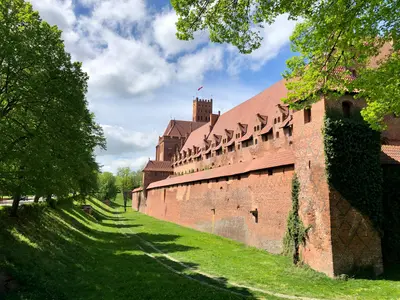
    Marienburg (Malbork), located on the Nogat, a distributary of the Vistula, is considered Europe's largest brick building: over 30 million bricks were used across approximately 21 hectares. The Teutonic Order constructed the complex between about 1270 and 1300; from 1309, it was the Grand Master's seat. A UNESCO World Heritage site since 1997, it attracts around 500,000 visitors each year. The castle has three sections: the Upper Castle (with St. Mary's Church), the Middle Castle (Grand Master's Palace, Great Refectory), and the Outer Bailey (housing service buildings). Plan half a day for the interiors; an excursion from Danzig is easily manageable by train or car.
    Great Poland

    Great Poland

    Greater Poland (Wielkopolska) in the west of the country is considered the cradle of Poland: Posen (Poznań) and Gnesen (Gniezno) were home to the first Piast rulers, and Kalisch (Kalisz) is known as Poland's oldest city. With approximately 29,800 km², the voivodeship is the country's second largest, and about 3.5 million people live here.The landscape is flat and characterized by the Greater Poland Lake District, with almost nine-tenths of the region draining via the Warthe. Amid fields and forests lie churches, castles, and manor houses, many of them just a short drive from Posen.
    Posen (Poznań)

    Posen (Poznań)

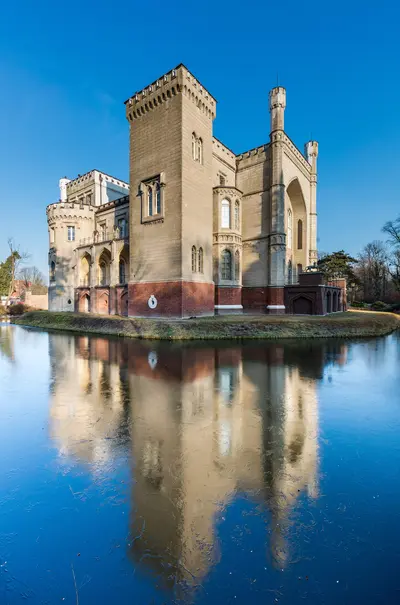
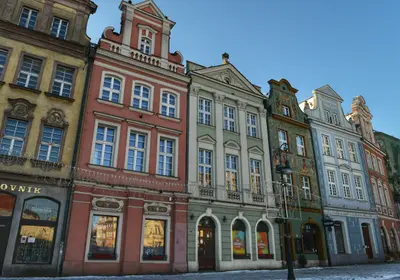
    Poznań (Posen), located on the Warta River approximately halfway between Berlin and Warsaw, is Poland's fifth-largest city with around 534,000 inhabitants. On Cathedral Island, Poland's first bishopric was established in 968; opposite, a city was founded from 1253 under Magdeburg Law. A university, trade fair, and vibrant restaurant scene characterize daily life today.The city's heart is the Old Market Square (Stary Rynek) with its Renaissance Town Hall and narrow merchant houses. East of this, beyond the Warta, are Cathedral Island (Ostrów Tumski) and its cathedral, plus the small Śródka district, linked to the island by a footbridge over the Cybina. West of the Old Town, the Imperial Quarter encircles the Imperial Castle, with the Jeżyce residential district (cafés, restaurants) beyond it.Poznań can be easily explored on foot in two to three days. Those with more time can combine the city with excursions into the Greater Poland region, for example, to Gniezno (Gnesen) or Kórnik Castle.

    The Pomeranian Voivodeship (Pomorskie) stretches from Gdańsk Bay to the shifting dunes of Łeba and from the Vistula Delta to the forests of Kashubia. Spanning 18,324 square kilometers, it is home to approximately 2.36 million people, its capital and largest city being Danzig (Gdańsk). The current voivodeship was established with the administrative reform in 1999. Along the coast are the Tri-City of Danzig, Sopot, and Gdingen (Gdynia), the narrow Hel Peninsula, and the seaside resort of Łeba. In the hinterland lie the Kashubian Lakes, where Kashubian is an official language in four municipalities, and in the south, Malbork Castle on the Nogat river.

    Sources & method

    • Photos: Wikimedia Commons, Pexels, Google Maps. Each photo carries its credit.
    • Place data such as addresses and ratings comes from Google Maps.
    • Video reportages: Rick Steves' Europe: Poland
    • The content is based on web research from public, traceable sources. How the content is made · The role of AI