Poznań (Posen), located on the Warta River approximately halfway between Berlin and Warsaw, is Poland's fifth-largest city with around 534,000 inhabitants.
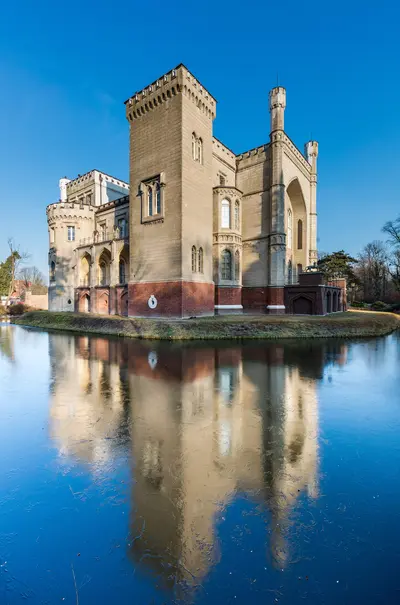
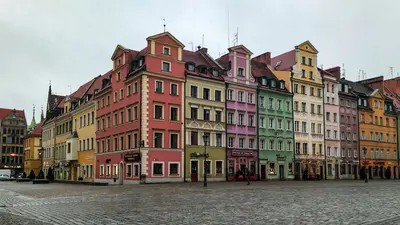
Poznań (Posen), located on the Warta River approximately halfway between Berlin and Warsaw, is Poland's fifth-largest city with around 534,000 inhabitants. On Cathedral Island, Poland's first bishopric was established in 968; opposite, a city was founded from 1253 under Magdeburg Law. A university, trade fair, and vibrant restaurant scene characterize daily life today.The city's heart is the Old Market Square (Stary Rynek) with its Renaissance Town Hall and narrow merchant houses. East of this, beyond the Warta, are Cathedral Island (Ostrów Tumski) and its cathedral, plus the small Śródka district, linked to the island by a footbridge over the Cybina. West of the Old Town, the Imperial Quarter encircles the Imperial Castle, with the Jeżyce residential district (cafés, restaurants) beyond it.Poznań can be easily explored on foot in two to three days. Those with more time can combine the city with excursions into the Greater Poland region, for example, to Gniezno (Gnesen) or Kórnik Castle.
Sights in Posen (Poznań)
Discover the most important sights and attractions
Attraction
1Old Market (Stary Rynek) and Town Hall
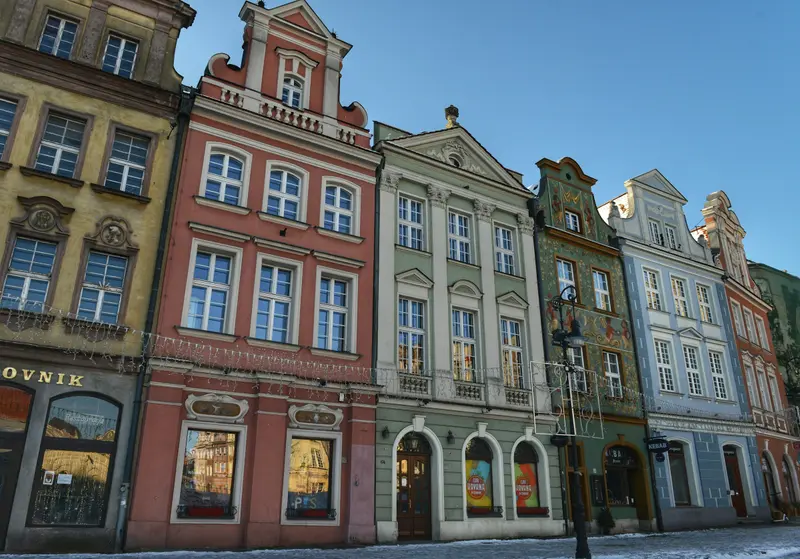
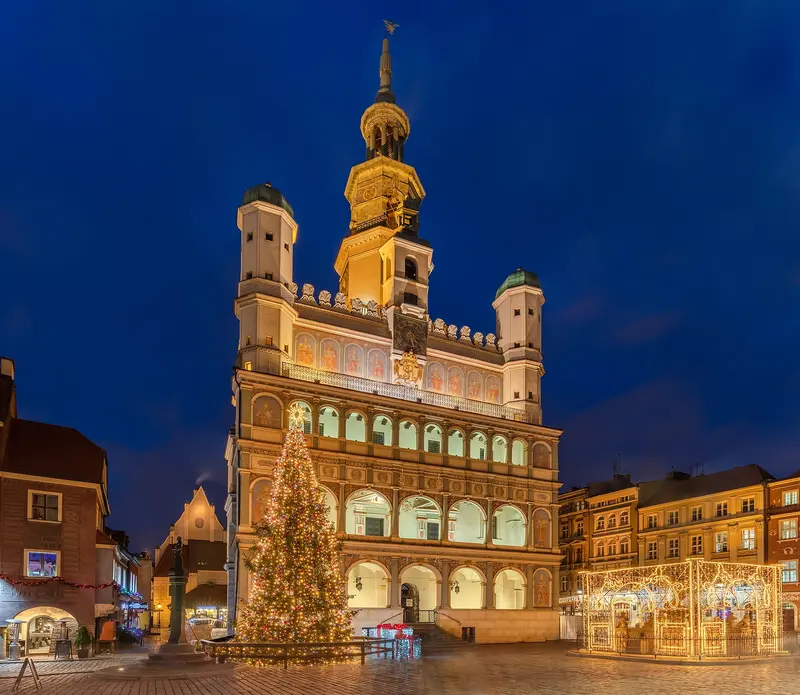
The Old Market Square is the heart of the city, founded in 1253. In its center stands the City Hall, which was rebuilt between 1550 and 1560 by Giovanni Battista di Quadro in the Renaissance style and received a three-story loggia. Daily at 12 PM, two mechanical billy goats butt their heads above the clock, preceded by a trumpet signal. Inside the City Hall, Poznań's Museum of City History displays its collection. Adjacent to it stand the narrow merchant houses.
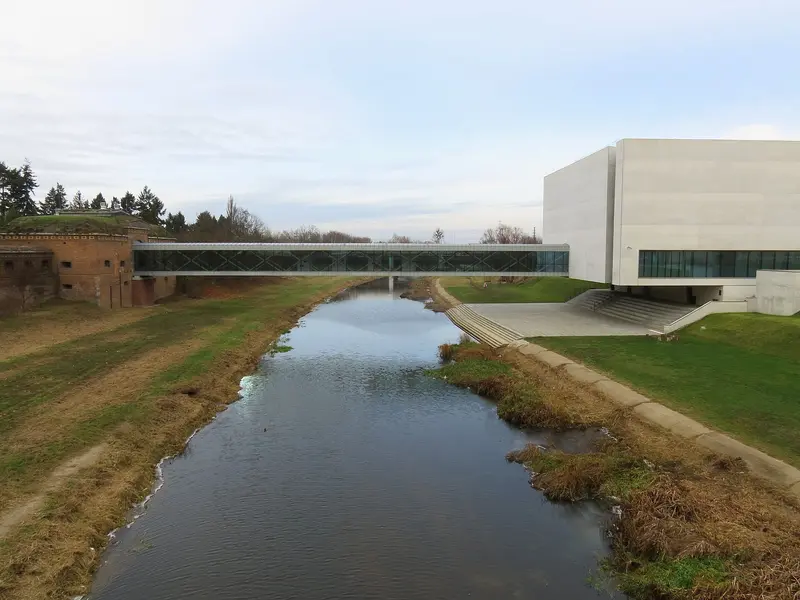
The visitor centre, opened in 2014, tells the story of Cathedral Island and the city from the Middle Ages to the present day, with audio guides and interactive stations. The main building is located in Śródka on the bank of the Cybina, with a covered footbridge leading to Cathedral Island at the end of the tour. It is open Tuesdays to Sundays.
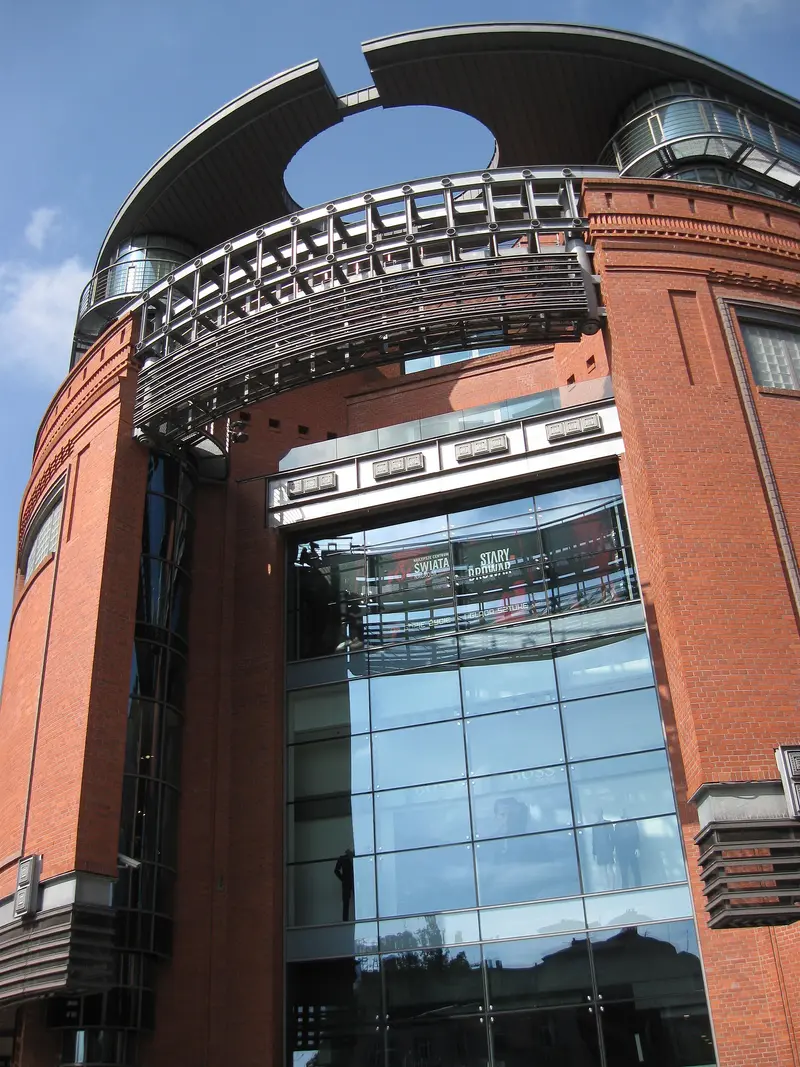
Opened in 2003 within the 19th-century brick buildings of a brewery, a cultural and business center features shops, restaurants, exhibition spaces, and sculptures. It lies south of the Old Town and borders a small park.
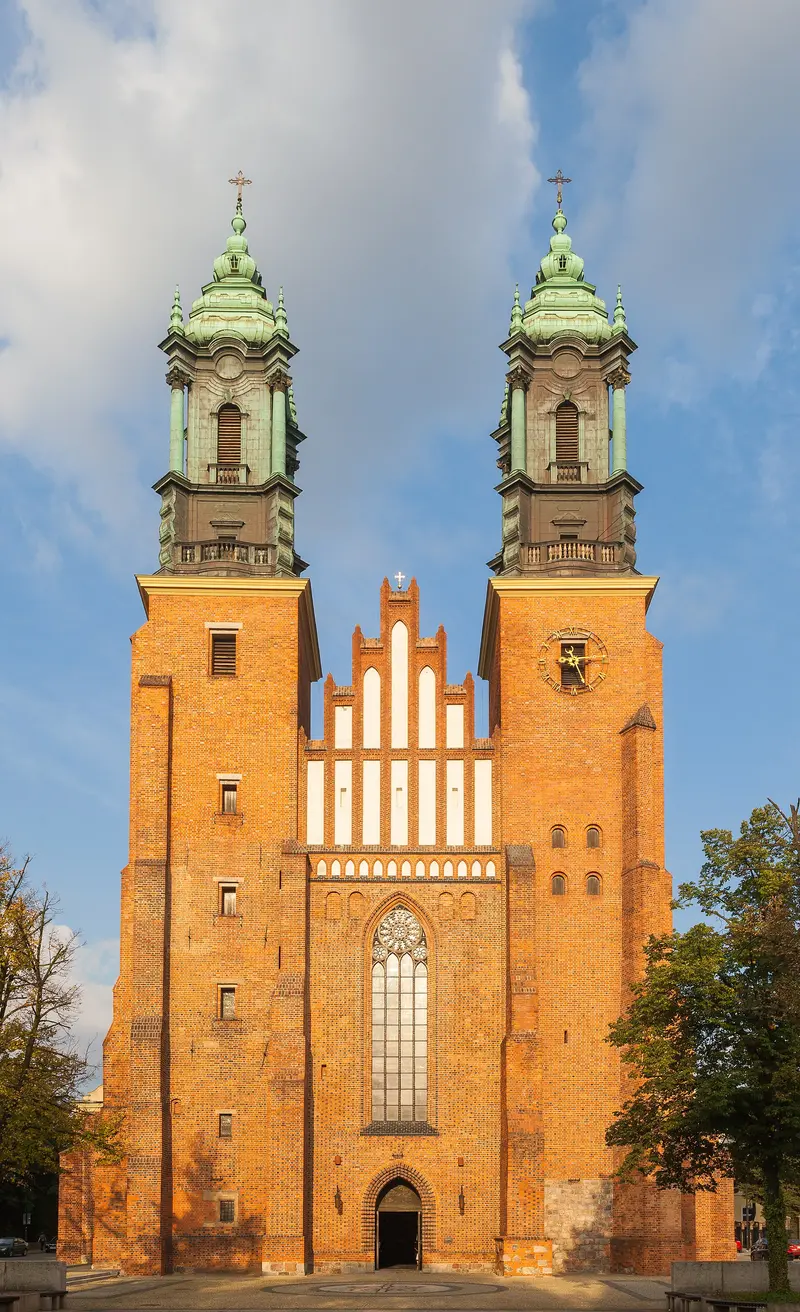
The Cathedral on Cathedral Island (Ostrów Tumski) is home to Poland's oldest diocese, founded in 968. Remains of the original church building can be seen in the crypts. Here rest, among others, Mieszko I and Bolesław the Brave; the Golden Chapel commemorates both rulers with a monument by Christian Daniel Rauch. After severe damage in February 1945, the Cathedral was restored in Gothic style and reopened on June 29, 1956. Opposite stands the Gothic St. Mary's Church from the 15th century.
The restaurant in the Jeżyce district debuted in the Guide Michelin in 2025, immediately receiving a Bib Gourmand. The cuisine focuses on traditional French gastronomy.
Crescent pastry with white poppy seed, nut, and dried fruit filling. The name is EU-registered since 2008 as a Protected Geographical Indication. Its traditional day is St. Martin's Day on Nov 11; the Rogalowe Muzeum at Old Market Square offers more.
Pyry z gzikiem
Jacket potatoes (pyry in the Poznań dialect) with Gzik, a seasoned quark cheese, often served with sour cream and linseed oil. This simple dish from Greater Poland cuisine can still be found on many menus in the region today.
House-brewed beer
Posen has an active beer scene: In the Old Town, the Brovaria brewpub brews its beer in-house, and there are craft beer bars like Ulotnie with many taps.
History and Culture
Cradle of the Polish StatePoznań is considered one of Poland's founding cities. St. Peter and Paul Cathedral on Cathedral Island is the country's oldest cathedral, where Mieszko I and Bolesław the Brave, among others, are buried. In 1295 and 1296, Przemysł II resided as king at the Royal Castle overlooking the Old Town. The Town Hall acquired its current appearance between 1550 and 1560, designed by master builder Giovanni Battista di Quadro.Prussian Era and UprisingsIn 1793, Poznań fell to Prussia, and from 1815, it served as the capital of the Grand Duchy of Posen. The Imperial Quarter dates from this period, featuring the Imperial Castle built by Franz Schwechten between 1905 and 1910. With the Greater Poland Uprising of 1918/19, the city rejoined Poland. In June 1956, workers in Poznań protested against the communist regime; the uprising was brutally suppressed and remains an important site of remembrance to this day.
Craft beer bar on ul. Ratajczaka with 14 taps and a large selection of bottled beers. Run by people from the Poznań craft beer scene, the walls feature regularly changing street art.
Neighborhood bar in Śródka with twelve taps, cocktails, and wine. It partners with the small brewery Browar Za Miastem west of Posen and has a large garden in summer.
Bar an der ul. Wrocławska in der Altstadt mit eigenem Birnenwodka, Craft Beer und Mixgetränken. Sie öffnet abends und hat am Wochenende bis in den frühen Morgen geöffnet.
Getting TherePoznań-Ławica International Airport is located west of the city centre. From Poznań Główny main station, trains run to destinations including Berlin and Warsaw. By car, you can reach Poznań via the A2 motorway, which connects Berlin with Warsaw.Within the CityThe public transport operator MPK Poznań runs a dense tram and bus network. The Old Town, Dominsel, and Śródka are close to each other and best explored on foot. If you arrive by car, the easiest option is to park it at your hotel or in a car park and then continue by tram and on foot.