Turkey
Aegean Coast
RegionCultureUNESCOBeach
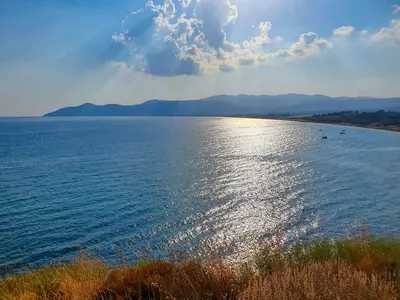
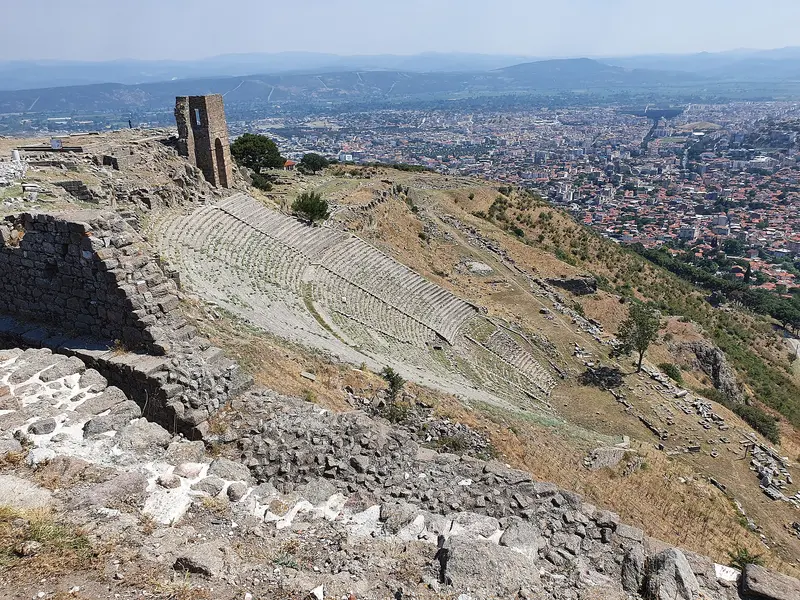
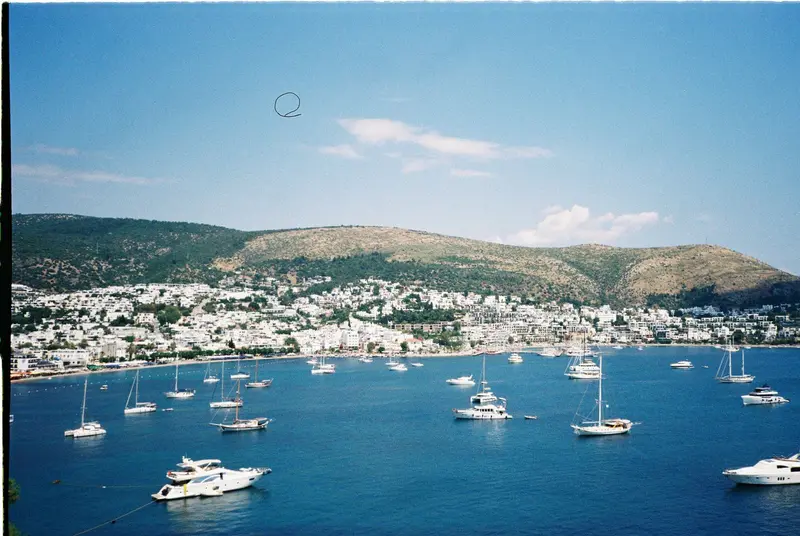
The Turkish Aegean coast stretches from Pergamon in the north to the Bodrum Peninsula in the south and is rich in ancient sites.
by Felix Gillen
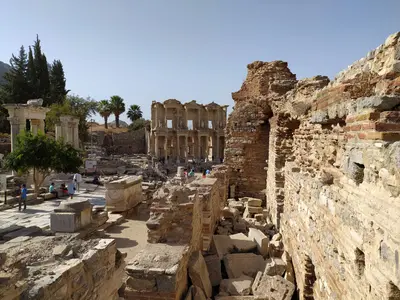
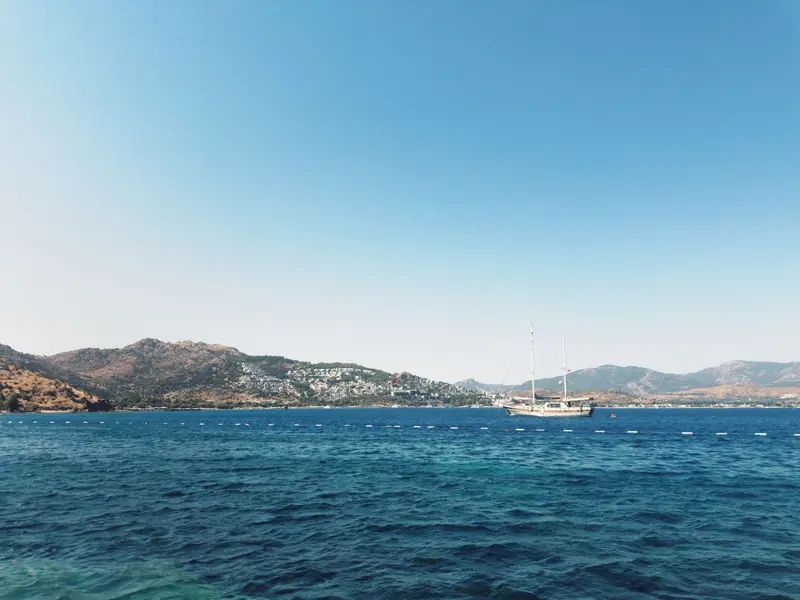
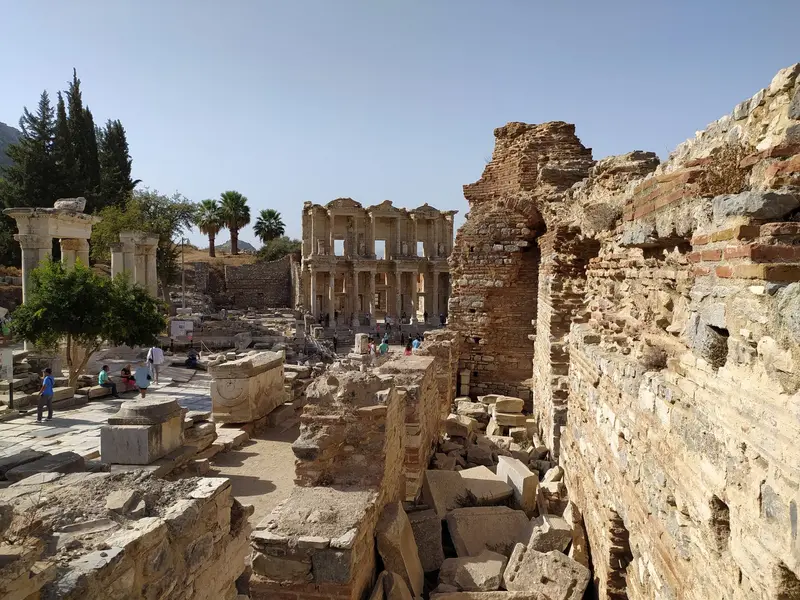
The Turkish Aegean coast stretches from Pergamon in the north to the Bodrum Peninsula in the south and is rich in ancient sites. Here are three World Heritage Sites: Ephesus, Pergamon, and Hierapolis-Pamukkale, plus seaside resorts like Alaçatı and Bodrum. İzmir, Turkey's third-largest city, is a hub with an airport and rail connections to the hinterland.
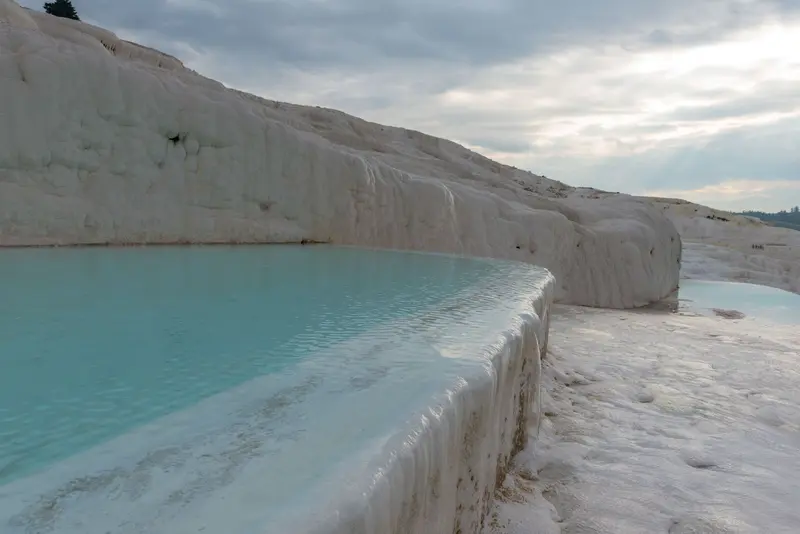
OverviewIn antiquity, the coast between Bergama and Bodrum was the heartland of Ionia and Caria. Roman cities, theaters, and sanctuaries are often only an hour's drive apart. Inland near Denizli, travertine terraces form the white landscape of Pamukkale.Best Travel TimeApril to May and mid-September to October are pleasant for sightseeing. In July and August, temperatures often rise above 30 °C; it's best to visit archaeological sites like Ephesos early in the morning then. You can swim from mid-May to mid-October.What to ExpectAntiquity: Ephesos, Pergamon, Hierapolis, and the Mausoleum at Halikarnassos in Bodrum.Coast: Windsurfing spots near Alaçatı, thermal waters at Ilıca beach, coves on the Bodrum Peninsula.City Life: İzmir with its Kemeraltı Bazaar Quarter and the Kordon waterfront promenade.
More places in Aegean Coast
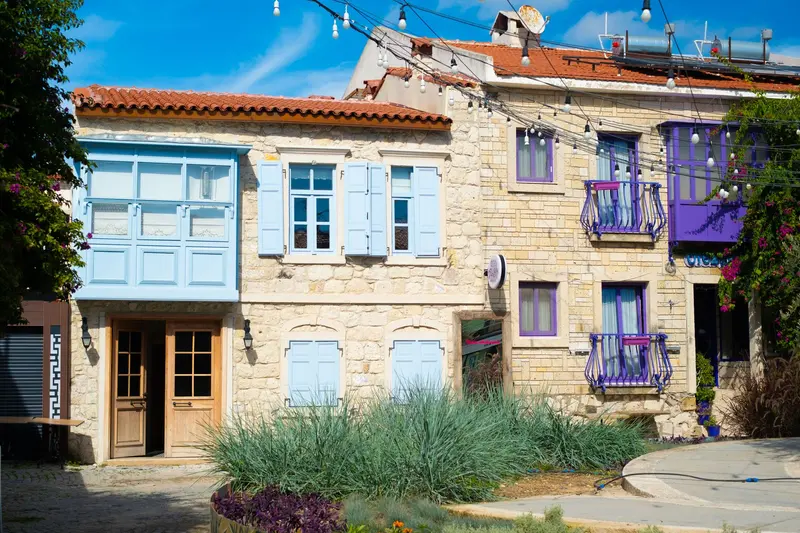
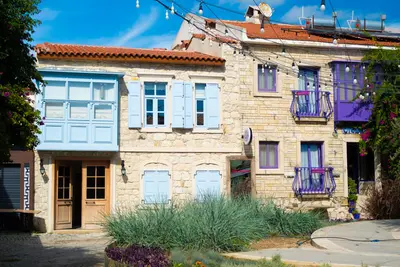
Alaçatı and Çeşme are located at the tip of the peninsula of the same name west of İzmir, about 75 kilometers from the airport. Alaçatı is known for its stone houses, windmills, and windsurfing area, Çeşme for its castle and harbor. North of it, the shallow sandy beach of Ilıca entices with warm thermal water in the sea.
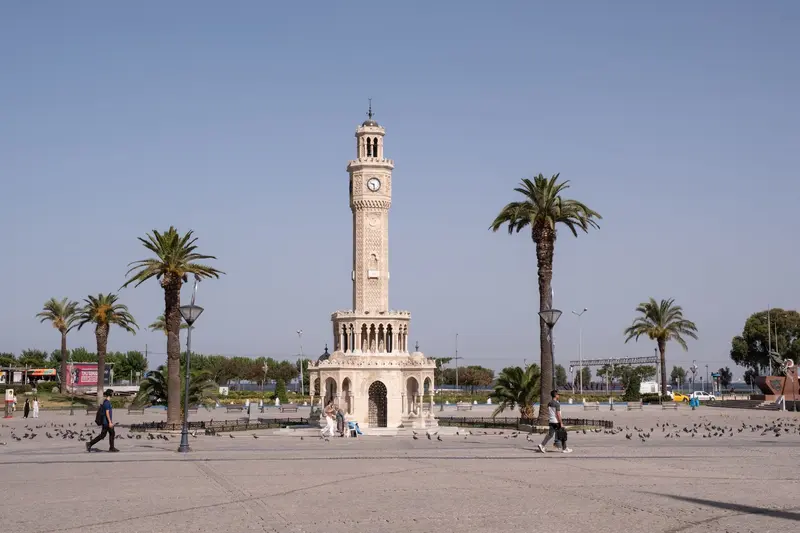
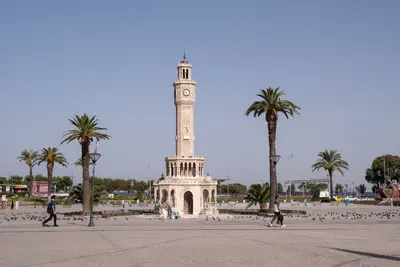
İzmir, with around 4.5 million inhabitants in its province, is Turkey's third-largest city and the gateway to the Aegean coast. You'll come for the Kemeraltı bazaar district, the Kordon promenade, and its cuisine featuring Boyoz, Kumru, and Meze. The historic center is around Konak Square, with the Alsancak entertainment district to its north, and Karşıyaka across the bay.
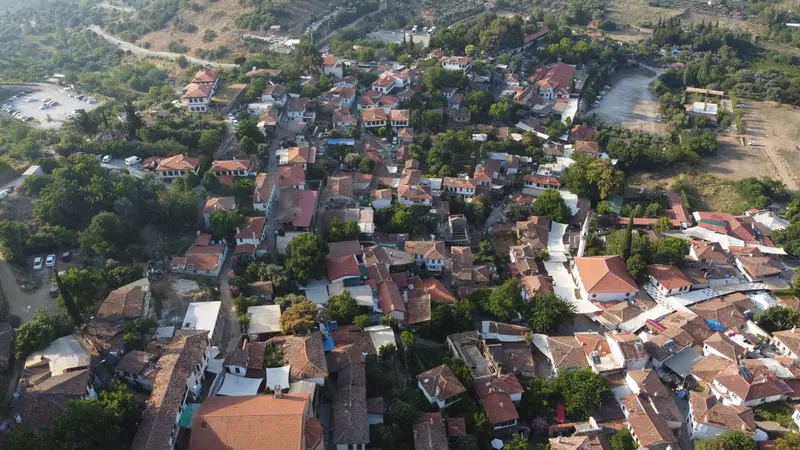
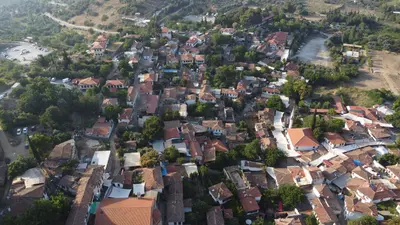
Selçuk is the small town right next to Ephesus, about an hour and a half by train south of İzmir, and the best base for the archaeological site. In the town are the Artemision, the İsa Bey Mosque, and the Ephesus Museum. About eight kilometers east, in the hills, lies the wine village of Şirince with its stone houses.
Food & Drink
Die Ägäisküche arbeitet viel mit Olivenöl, Wildkräutern und Gemüse. An der Küste stehen Fisch und Meze im Mittelpunkt.
Boyoz
Unleavened puff pastry from İzmir that came to the city with the Sephardic Jewish community. It is protected as a geographical indication.
Ot kavurma
Wild greens stewed in olive oil, typical of the Northern Aegean. Herbs like purslane or fennel appear in many dishes of the region.
Bergama köftesi
Grilled Bergama meatballs, served with Piyaz bean salad with onions, parsley and sumac, and an Ayran.
Çökertme kebabı
Bodrum specialty: thinly sliced meat on french fries with garlic yogurt and tomato sauce.
Culture & History
Ionia and CariaGreek cities such as Smyrna, Ephesus, and Halicarnassus shaped the coast for centuries. Pergamon was the capital of the Attalids from 281 to 133 BC and possessed one of the largest libraries of antiquity. The Mausoleum at Halicarnassus was counted among the Seven Wonders of the World.Byzantines, Beyliks, and OttomansIn the 14th century, Turkish principalities such as the Aydınoğulları dominated the region, as evidenced by the Isa Bey Mosque in Selçuk dating from 1374/75. The Knights Hospitaller built Bodrum Castle from 1404 onwards. Under the Ottomans, Smyrna, today's İzmir, became the most important trading port of the Aegean.Population ExchangePlaces like Alaçatı and Şirince were predominantly Greek-populated until the early 20th century. After the population exchange of 1923, Muslims from Crete, Thrace, and Macedonia moved into the abandoned houses. The stone houses in both places date back to this Greek period.
Travel & Getting Around
ArrivalThe main airport is İzmir Adnan Menderes, which has its own train station within the terminal. For the south, Milas-Bodrum Airport is closer, and for Pamukkale, Denizli-Çardak Airport.Train and BusTCDD regional trains connect İzmir Basmane via the airport to Selçuk; most continue to Denizli. You can reach Bergama, Çeşme, and Bodrum by intercity bus from İzmir Bus Terminal or with a rental car.TipLocation: Selçuk is suitable as a base for Ephesos; İzmir for Pergamon and Çeşme.Rental Car: For trips to smaller excavations and coves, you are significantly more flexible with a car.