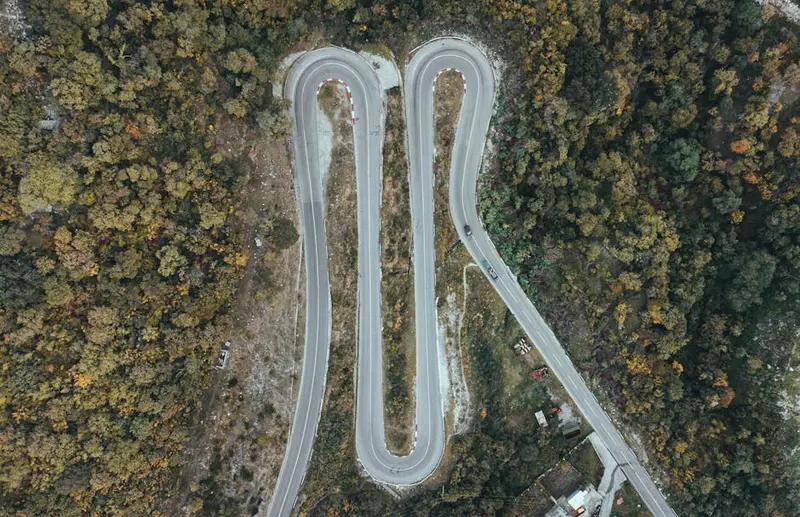
Mpumalanga means "place where the sun rises". The province connects the viewpoints of the Panorama Route with the southern part of the Kruger National Park.
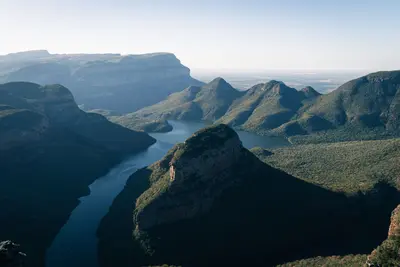
Mpumalanga is located in northeastern South Africa, bordering Mozambique and Eswatini. Along the edge of the Great Escarpment, the Panorama Route leads to God's Window, Bourke's Luck Potholes, and the Three Rondavels at Blyde River Canyon. Below lies the hot Lowveld with the southern Kruger National Park and many private reserves. The gold rush village of Pilgrim's Rest showcases the gold rush era. The capital is Mbombela (Nelspruit) with Kruger Mpumalanga Airport.
Place 1 of 2
Nelspruit
Nelspruit, officially Mbombela, is the capital of Mpumalanga and for many the gateway to the southern Kruger National Park. Nearby attractions include the Botanical Garden, the Sudwala Caves, and Chimp Eden.
Immerse yourself in a world of breathtaking natural wonders along South Africa's legendary Panorama Route.
The Panorama Route in South Africa stretches along the eastern escarpment of the Drakensberg in the Mpumalanga province, showcasing one of the country's most breathtaking natural landscapes.
Discover the most important sights and attractions
Panorama Route (God's Window)
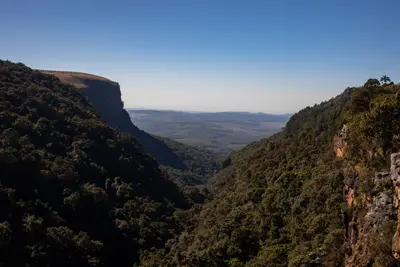
The Panorama Route in Mpumalanga, South Africa, is famous for its spectacular viewpoints, with God's Window undoubtedly one of the best known. From this point on the edge of the Drakensberg escarpment, you look out over the vast Lowveld, stretching for hundreds of kilometres. On clear days, the view extends to the Kruger National Park and beyond, giving the place its fitting name. Geologically, this point marks the dramatic drop from the high plateau into the lower-lying plains. A short walk through a lush, indigenous forest leads you to the various viewing platforms. Our Tip: Visit God's Window early in the morning to enjoy the clearest views and avoid the largest tourist crowds and frequent afternoon fog. Be aware of rapidly changing weather conditions, as fog can suddenly obscure the view.
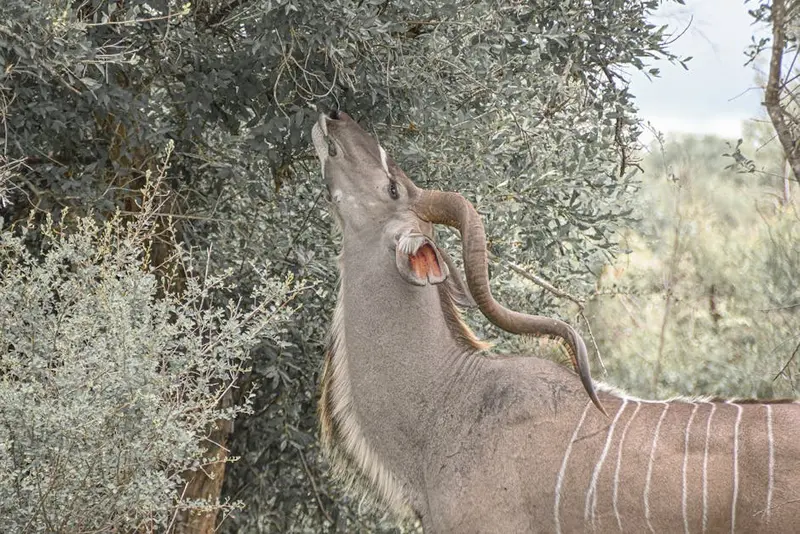
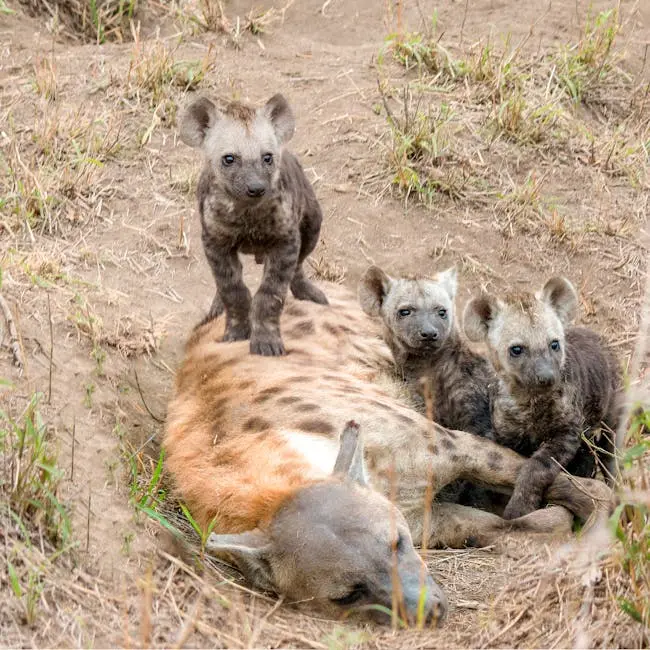
The Kruger National Park in Mpumalanga, South Africa, is one of Africa's largest and oldest wildlife reserves. It was founded in 1898 as the Sabie Game Reserve by Paul Kruger to protect dwindling wildlife populations and was declared a National Park in 1926. Today, covering an area of almost 20,000 square kilometers, it offers an unparalleled opportunity to experience African wildlife in its natural habitat. Here you can observe the 'Big Five' – lion, leopard, elephant, rhino, and buffalo – as well as numerous other mammals, reptiles, and over 500 bird species. The landscape varies from vast savannas to dense riverine forests. Our Tip: The dry season from May to October is ideal for wildlife viewing, as vegetation is sparser and animals gather at waterholes. For the best photos and to avoid crowds, start your game drives early in the morning and explore the less traveled side roads.
Pilgrim's Rest arose after gold discoveries in 1873 and is now an entire museum village. The corrugated iron houses on the main street house small museums, shops, and cafés. It's much quieter on weekdays than on weekends.
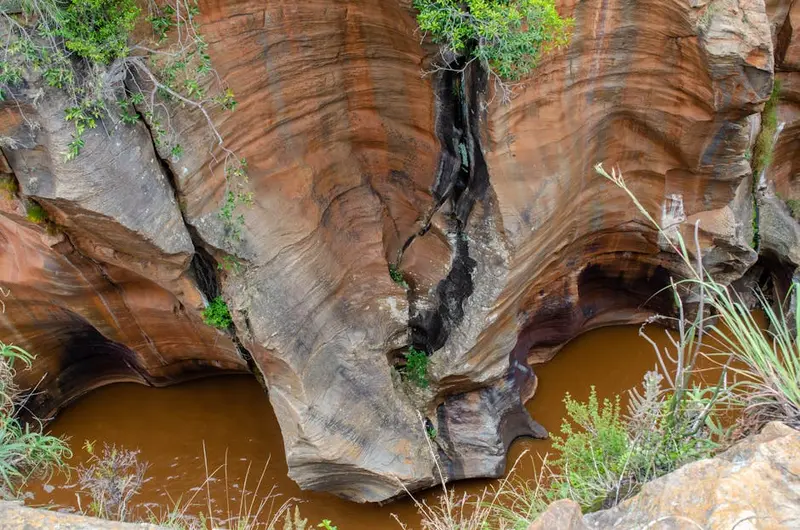
The Bourke's Luck Potholes in Mpumalanga are a fascinating natural phenomenon, located at the confluence of the Blyde and Treur rivers. Over millennia, swirling water and carried stones have sculpted cylindrical depressions into the rock, now resembling artistic sculptures. The name commemorates gold digger Tom Bourke, who, despite not striking it rich himself, popularized the area for its gold deposits. You can explore these unique rock formations via a system of bridges and walkways, offering various perspectives on the potholes and the surrounding gorge. The power of the water and the region's geological history are impressively showcased here. Our Tip: Visit the Potholes in the early morning to avoid crowds and utilize the soft light for photography. Follow the signage to locate the best viewpoints.
Pilgrim's Rest in Mpumalanga is a unique historical site that transports you back to South Africa's late 19th-century Gold Rush era. Founded in 1873 after gold discoveries, it quickly became a bustling hub for gold prospectors. Today, Pilgrim's Rest is a national monument that has preserved its original Victorian architecture and atmosphere.Strolling along the main street, you'll discover lovingly restored buildings such as the Royal Hotel, old shops, and former miners' homes. Many of these structures now house small museums, craft shops, and restaurants, offering an authentic glimpse into life back then. You can trace the history of gold mining and admire the sturdy construction methods of that era.Our Tip: To best experience the historical tranquility and avoid crowds, ideally visit Pilgrim's Rest on a weekday and early in the morning. For atmospheric photos of the unique architecture, the side streets are particularly suitable, as are the details of the wooden verandas and corrugated iron roofs that define the townscape.
Hier erwartet dich nicht nur ein fantastisches Essen, sondern auch eine spektakuläre Aussicht über die Graskop Schlucht. Genieße lokale Spezialitäten und internationale Gerichte in entspannter Atmosphäre, bevor oder nachdem du mit dem einzigartigen Aufzug in die Schlucht hinabfährst.
Ein Besuch in Graskop ist nicht komplett ohne einen Stopp in diesem legendären Restaurant. Ob süß oder herzhaft, die Pfannkuchen hier sind ein wahrer Genuss und perfekt für eine stärkende Mahlzeit oder einen Snack zwischendurch auf deiner Erkundungstour durch Mpumalanga.
Das Kuka Cafe in Hazyview ist eine beliebte Wahl für Reisende, die eine moderne und entspannte Atmosphäre schätzen. Hier findest du eine vielseitige Speisekarte mit frischen, lokalen Zutaten, leckeren Burgern, Salaten und excellentem Kaffee, ideal nach einem aufregenden Tag.
Für Liebhaber von Craft Beer und gutem Essen ist die Sabie Brewing Company ein Muss. Probiere die handwerklich gebrauten Biere und genieße dazu herzhafte Pub-Gerichte in einer lebhaften, freundlichen Umgebung. Ein perfekter Ort, um den Tag ausklingen zu lassen.
Mpumalanga is home mainly to Swazi, Ndebele, and Tsonga. San rock paintings show the ancient age of settlement. The late 19th century gold rush created towns like Pilgrim's Rest and Barberton, and their period buildings are still visible today.
Traveling
Most visitors fly to Mbombela (Kruger Mpumalanga International) or drive about four to five hours from Johannesburg via the N4. For the Panorama Route and Kruger, you'll need a rental car, as public transport to the viewpoints is scarce. Expect fog and potholes on the mountain roads.