Fernweh: Home
    ExploreTravel GuidesPlan a tripMy tripLast visited
    de|en
    All Places & RegionsAll highlightsAbout FernwehFAQPrivacy PolicyImprint
    ExploreTravel GuidesPlan a tripMy tripLast visited
    Ihlara Valley

    Turkey

    Ihlara Valley

    Point of InterestNatureCulture

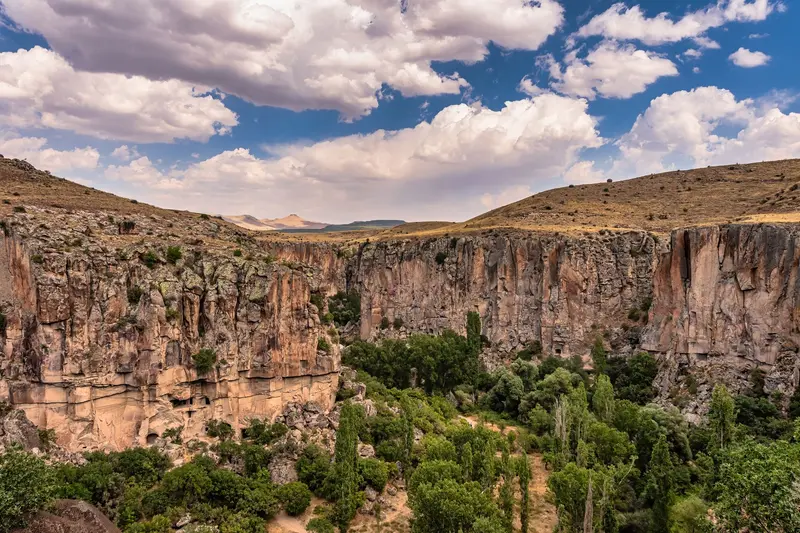
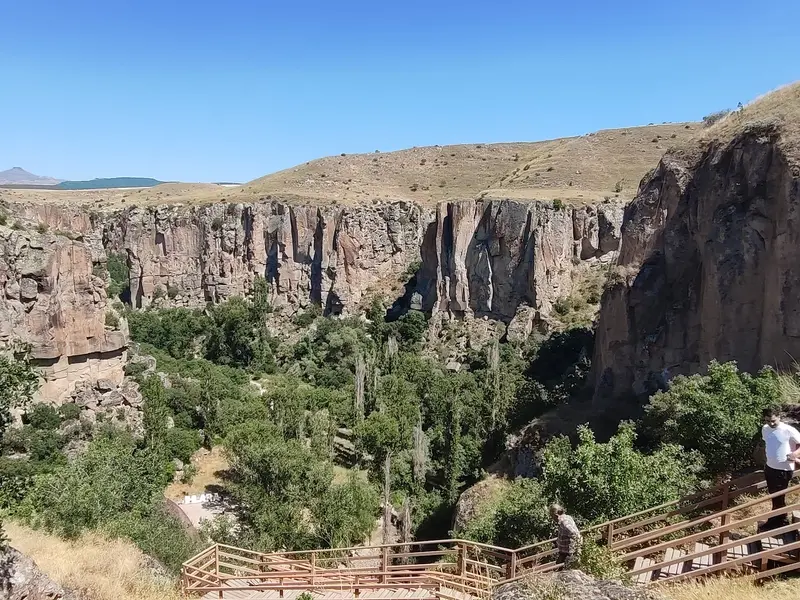
    The Ihlara Valley is a gorge up to 150 metres deep in the southwest of Cappadocia, about an hour and a half by car from Göreme.

    by Felix Gillen

    1. Home
    2. Destinations
    3. Turkey
    4. Cappadocia
    5. Ihlara Valley
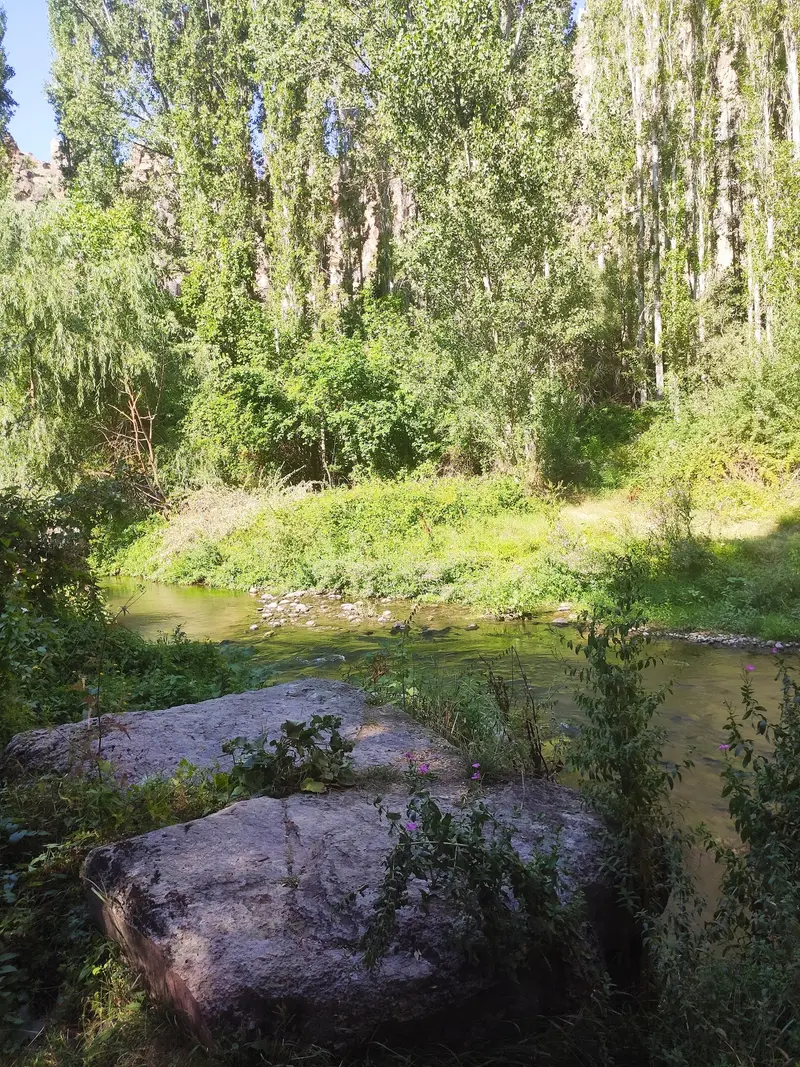
    The Ihlara Valley is a gorge up to 150 metres deep in the southwest of Cappadocia, about an hour and a half by car from Göreme. The Melendiz River carved it into the tuff of the Hasan Dağı volcano, and around 50 rock churches lie in its walls. A hiking trail follows the water for about 14 kilometres from Ihlara via Belisırma to the rock monastery of Selime.

    Sights in Ihlara Valley

    Discover the most important sights and attractions

    Belisırma

    1Belisırma

    The village is located roughly halfway between Ihlara and Selime, right by the river. Here, a second access to the valley begins, and several restaurants have seating directly over the water. Around the village are further rock churches such as the Direkli Kilise and the Ala Kilise.
    Open in Google Maps
    Ihlara Gorge with Rock Churches
    Attraction

    2Ihlara Gorge with Rock Churches

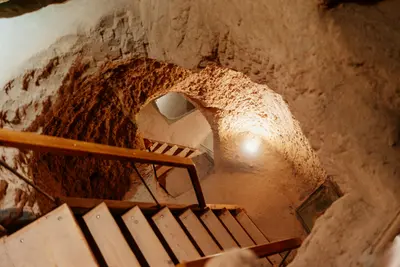
    At the main entrance, nearly 400 steps descend over 100 meters to the Melendiz. Immediately below are the most visited churches: Ağaçaltı Kilisesi (to the right of the stairs), plus Yılanlı, Sümbüllü, Kokar, and Pürenli Seki. The Eğritaş Kilisesi dates to before the Iconoclastic Controversy, ranking among the valley's early grand churches. The ruin site is open daily, with extended hours in summer.
    Open in Google Maps
    Selime Abbey

    3Selime Abbey

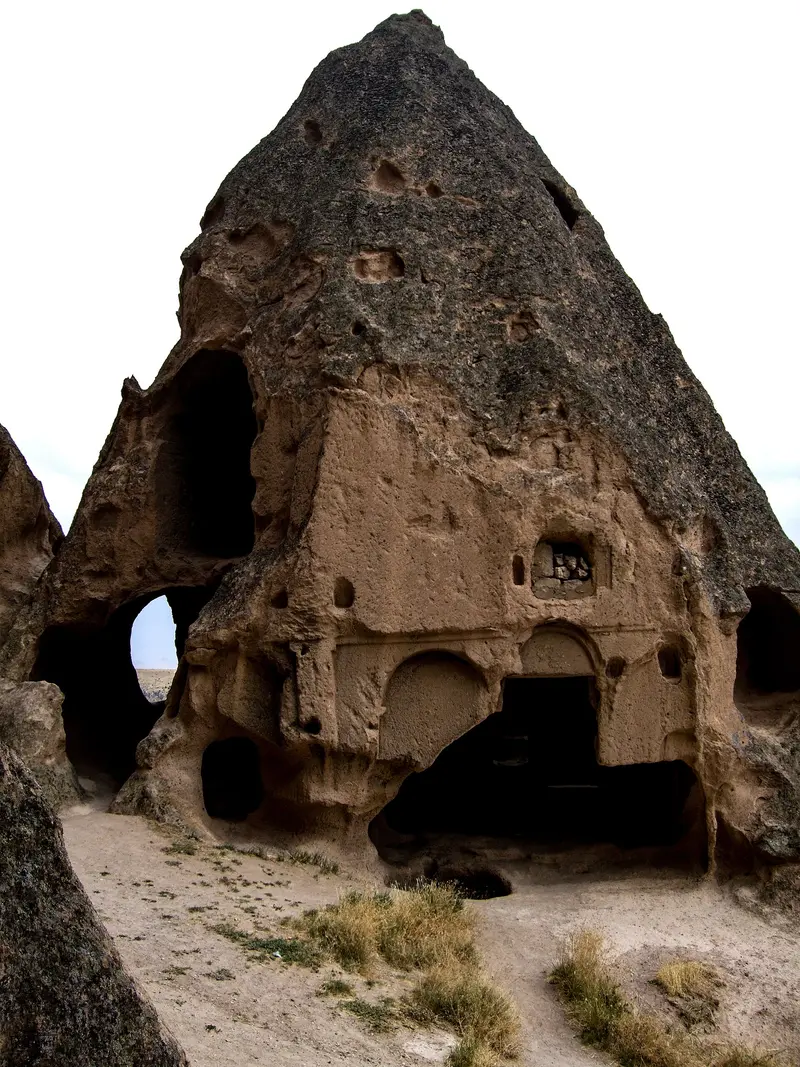
    The monastic complex at the northwestern end of the Ihlara Valley is carved into the soft tuff stone and is also known as Selime Kalesi (Selime Castle) or Selime Cathedral. The rooms are arranged around two courtyards, including a kitchen with a pyramidal roof and a smoke vent. The three-aisled monastic church features paintings blackened by fire, depicting scenes from the lives of Mary and Christ. The complex is usually dated to the 8th to 11th centuries.
    Open in Google Maps

    Restaurants in Ihlara Valley

    1

    Aslan Restaurant

    The eatery in Belisırma serves Turkish dishes on seating platforms over the Melendiz, in the shade of the riverside trees. For hikers, it is a typical lunch stop between Ihlara and Selime.
    Show on Google Maps
    2

    Belisırma View Restaurant

    The Turkish restaurant on the edge of the gorge is mainly praised for its valley view and friendly service. Prices, according to guests, tend to be above the local average.
    Show on Google Maps

    Food & Drink

    The valley belongs to Aksaray Province, whose cuisine focuses on grains and lamb. In Belisırma, you eat directly over the river.

    Aksaray Tava

    Lamb with tomatoes and peppers, slowly braised in a stone oven.

    Gelveri Ekmeği

    Bread from nearby Güzelyurt, baked by women in stone ovens in the courtyards of old Greek houses. It stays fresh for around two weeks.

    Sıkma

    Thin, hand-rolled flatbread, filled with butter, fresh Quark and cheese.

    Bamya Çorbası

    Soup from dried okra pods with lamb meat.

    Culture & History

    The Peristrema ValleyByzantine monks settled in the gorge from the 7th century onwards, carving dwellings and churches into the rock. The Greek name Peristrema means approximately 'winding' and comes from the village of Belisırma.Churches by the RiverNear Ihlara are the Ağaçaltı, Yılanlı, and Sümbüllü Churches; the Eğritaş Church is dated to the period before the Iconoclastic Controversy and is one of the valley's early large churches. Around Belisırma follow Direkli Church, Ala Church, and other chapels.Selime MonasteryAt the northern end of the valley lies a monastic complex from the 8th and 9th centuries, entirely carved into the rock. Visible are a cathedral-sized church, a kitchen with a high smoke vent, and stables with stone feeding troughs; the frescoes date from the late 10th and early 11th centuries.

    Getting There & Around

    Getting ThereBy car, it takes about one and a half hours from Göreme or Ürgüp. Without a car, take a bus to Aksaray and then a dolmuş to Ihlara; this takes considerably longer. Many day trips from Cappadocia combine the valley with Selime and an underground city.In the ValleyAccess Points: Main entrance at Ihlara with stairs, plus Belisırma, Selime, and Ilısu.Opening Hours: April to October 8:30 AM to 7 PM; in winter, until 5 PM.Short Route: From Ihlara to Belisırma, hike a few kilometers, have lunch by the river, and then take a taxi.TipStart early in the morning; it's cooler then, and the main entrance parking lot isn't full yet.

    Accommodations in Ihlara Valley

    Find perfect stay in Ihlara Valley

    Booking.com* (Affiliate link)
    Search Hotels
    Agoda* (Affiliate link)
    Search Hotels
    Airbnb
    Vacation Rentals

    * Affiliate link: if you book through it, we earn a small commission. The price stays the same for you.

    Campgrounds in Ihlara Valley

    Find perfect campground in Ihlara Valley

    Search via Google Maps
    Campgrounds nearby (15km)
    Camping.info
    Find Campgrounds
    Park4Night
    RV Parks & Camping

    Nearby

    Derinkuyu

    Derinkuyu

    Derinkuyu is located in southern Cappadocia on the road from Nevşehir to Niğde and is known for its underground city. Its passages, halls, and stables extend approximately 85 meters deep, where up to 20,000 people once found refuge. A few kilometers north lies the second major underground city, Kaymaklı; both belong to the UNESCO World Heritage Site of Göreme.
    Göreme

    Göreme

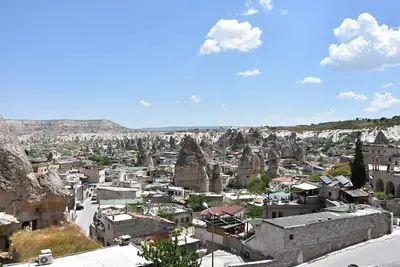
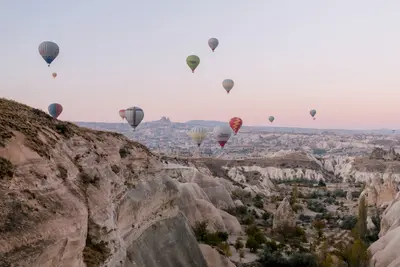
    Göreme is a town with around 2,000 inhabitants in the center of Cappadocia, surrounded by valleys full of fairy chimneys. Here you'll find the open-air museum with its rock-cut churches and hiking trails through Rose, Red, and Love Valley, above which hot-air balloons glide at sunrise. Many old cave houses are now hotels; Uçhisar and Çavuşin can be reached on foot through the valleys.
    Cappadocia

    Cappadocia

    Cappadocia lies in Anatolia's heart, about an hour's flight from Istanbul, on a high plateau over 1,000 meters. Fairy chimneys, rock-cut churches with Byzantine frescoes, and underground cities make it one of Turkey's most famous destinations. Göreme National Park and Cappadocia's Rock Sites are UNESCO World Heritage Sites since 1985.
    Ürgüp

    Ürgüp

    Ürgüp is a small town with just under 25,000 inhabitants in the heart of Cappadocia and is considered the main center for regional viticulture. Ottoman-era stone houses, cave hotels in the rock faces, and the Temenni Wish Hill define the center. At the western entrance to the town stand the Üç Güzeller Fairy Chimneys; a few kilometers south lies the village of Mustafapaşa with its Greek mansions.
    Konya

    Konya

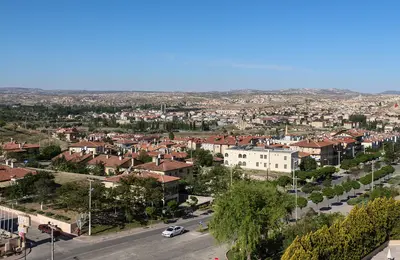
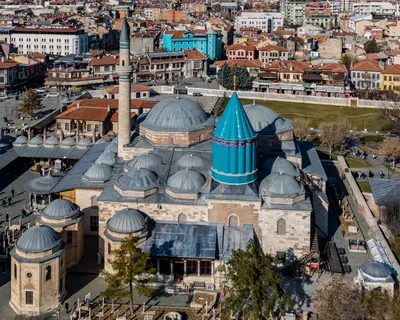
    In the Middle Ages Konya was the capital of the Seljuks of Rum, and it is the city of the Sufi mystic Mevlana Rumi, whose tomb in the Mevlana Museum draws pilgrims and travellers. The city of around 1.4 million inhabitants in its three central districts lies at just over 1,000 metres in the south of Central Anatolia, a little over two hours from Ankara by high-speed train. The sights are concentrated between the Mevlana Museum and Alaeddin Hill, and the Neolithic settlement of Çatalhöyük makes a worthwhile day trip.

    Sources & method

    • Photos: Wikimedia Commons, Pexels, Google Maps. Each photo carries its credit.
    • Place data such as addresses and ratings comes from Google Maps.
    • The content is based on web research from public, traceable sources. How the content is made · The role of AI