Fernweh: Home
    ExploreTravel GuidesPlan a tripMy tripLast visited
    de|en
    All Places & RegionsAll highlightsAbout FernwehFAQPrivacy PolicyImprint
    ExploreTravel GuidesPlan a tripMy tripLast visited
    The Wetlands of Yellow Water

    Australia

    The Wetlands of Yellow Water

    Natural Area

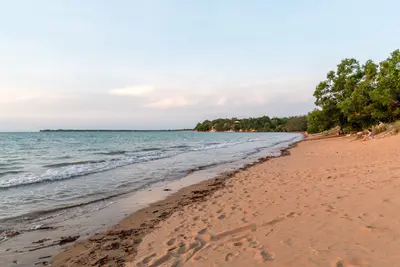
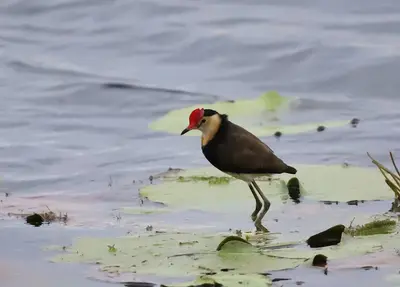
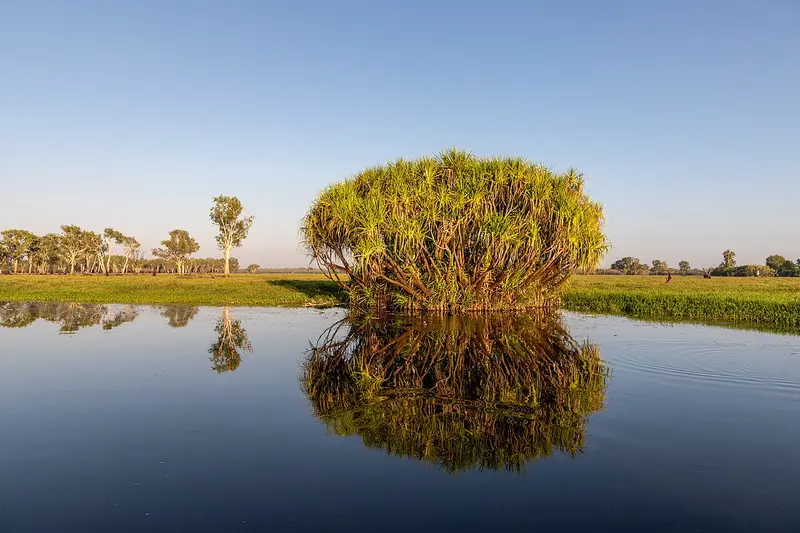
    Yellow Water, on Gundjeihmi Ngurrungurrudjba, is a billabong on the South Alligator River near Cooinda in the heart of Kakadu National Park. During the dry season, saltwater crocodiles, water buffalo, and thousands of waterfowl gather here.

    by Felix Gillen

    1. Home
    2. Destinations
    3. Australia
    4. Kakadu National Park
    5. The Wetlands of Yellow Water
    Yellow Water, on Gundjeihmi Ngurrungurrudjba, is a billabong on the South Alligator River near Cooinda in the heart of Kakadu National Park. During the dry season, saltwater crocodiles, water buffalo, and thousands of waterfowl gather here.The best way to experience the area is on one of the guided boat tours, which depart several times daily from Cooinda Lodge.

    Sehenswürdigkeiten

    Discover the most important sights and attractions

    Yellow Water Cruises

    1Yellow Water Cruises

    Boat trips on the Yellow Water Billabong last approximately one and a half to two hours depending on the time of day and pass through water lily fields and paperbark forests. Commonly seen are Saltwater crocodiles, Jabirus, Sea Eagles, and Magpie Geese. The sunrise tours book up quickly during the dry season.
    Open in Google Maps

    2Warradjan Aboriginal Cultural Centre

    Located just minutes from Cooinda, the Cultural Centre explains the languages, kinship, and six seasons of the Bininj/Mungguy. The building is shaped like a turtle. Entry is free, and the shop features local art.
    Open in Google Maps

    3Animal Tracks Safari

    Park in Cooinda Lodge.
    Open in Google Maps

    Essen & Trinken

    1

    Barra Bar and Bistro

    Cooinda Lodge Bistro with burgers, pizza and Barramundi, also open for campsite guests.
    Show on Google Maps

    Culture & Character

    NgurrungurrudjbaYellow Water is a billabong at the end of the South Alligator River, known as Ngurrungurrudjba in the land of the Bininj. In the wet season, the river overflows its banks and transforms the plain into a watery landscape; in the dry season, the water recedes, and what remains attracts animals from all over the surrounding area. This annual cycle shapes everything here – the Bininj distinguish six seasons, not two.CooindaThe small settlement of Cooinda on the edge of the billabong is the starting point for boat tours and home to the Warradjan Cultural Centre. The exhibition there explains kinship systems, language groups, and land management from the perspective of the traditional owners – best viewed before a boat trip, not after.

    Getting There & Around

    Getting ThereCooinda is located on the Kakadu Highway, about 50 kilometers southwest of Jabiru and a three-hour drive from Darwin. The access road is paved. A park pass is required; boat tours should be booked ahead – first light tours often sell out in the dry season.SafetyThe Billabong is home to saltwater crocodiles. Swimming is prohibited here, even at seemingly harmless shorelines, and you should not stand close to the edge. In Kakadu, swimming is only permitted in designated, inspected pools.

    Accommodations in The Wetlands of Yellow Water

    Find perfect stay in The Wetlands of Yellow Water

    Booking.com* (Affiliate link)
    Search Hotels
    Agoda* (Affiliate link)
    Search Hotels
    Airbnb
    Vacation Rentals

    * Affiliate link: if you book through it, we earn a small commission. The price stays the same for you.

    Nearby

    Kakadu National Park

    Kakadu National Park

    Kakadu National Park in the north of the Northern Territory is Australia's largest national park, spanning nearly 20,000 km². It stretches from tidal rivers on the coast across vast wetlands to the Arnhem Plateau escarpment with its waterfalls.The park is listed as a natural and cultural heritage site on the UNESCO World Heritage List. The Bininj/Mungguy have lived here for at least 65,000 years, and their rock art at Ubirr and Burrunggui is among the most significant in the world.
    Rock art of Nourlangie (Burrunggui)

    Rock art of Nourlangie (Burrunggui)

    Burrunggui, also known as Nourlangie Rock, is a sandstone rock on the edge of the Arnhem Plateau in Kakadu National Park. Beneath its overhangs lie some of Australia's most renowned rock art, including the Anbangbang Gallery featuring Namarrgon, the Lightning Man.An asphalted loop trail of about 1.5 km connects the galleries and a lookout point. The access road from the Kakadu Highway is passable by any car.
    Ubirr Rock Outcrop and Panoramic View

    Ubirr Rock Outcrop and Panoramic View

    Ubirr is located in the northeast of Kakadu National Park, near the East Alligator River, the border to Arnhem Land. Under the rock overhangs, X-ray style paintings depict fish, turtles, and wallabies, as well as Mimih spirit figures and a thylacine.A short climb leads to the Nadab Lookout with views over the floodplain. The sunset from here is one of the most visited moments in the park. The road to Ubirr can be flooded during the wet season.
    Darwin

    Darwin

    Darwin is the tropical capital of the Northern Territory and the gateway to Kakadu and Litchfield. A relaxed coastal town with night markets, sunsets, and rich war history.
    Kununurra

    Kununurra

    Kununurra, in the east of the Kimberley, was established in the 1960s as the heart of the Ord River Irrigation Scheme. Today, approximately 5,000 people reside here, surrounded by irrigated fields of mangos, melons, and sandalwood, Lake Kununurra, and the red rocks of Mirima National Park.The town is a starting point for Lake Argyle, the Bungle Bungles, and the eastern end of the Gibb River Road.

    Sources & method

    • Photos: Wikimedia Commons, Pexels. Each photo carries its credit.
    • Place data such as addresses and ratings comes from Google Maps.
    • The content is based on web research from public, traceable sources. How the content is made · The role of AI