Darwin
Darwin, the tropical capital of the Northern Territory, welcomes you with a laid-back atmosphere and a rich history…
Darwin, the tropical capital of the Northern Territory, welcomes you with a laid-back atmosphere and a rich history deeply rooted in Indigenous culture and World War II events. Here, you'll immerse yourself in a vibrant city that serves as both a gateway to the stunning natural wonders of the Top End and a pulsating hub for culinary experiences and spectacular sunsets.
Sights
Discover the most important sights and attractions
Mindil Beach Sunset Market
The Mindil Beach Sunset Market is an absolute must-see for every visitor to Darwin. Every Thursday and Sunday during the dry season, the beach transforms into a kaleidoscope of aromas, sounds, and colours. Here, you can sample exotic dishes from around the world, from Thai street food and Australian bush-tucker specialties to fresh seafood, all while browsing handmade artworks and souvenirs. The undisputed highlight is the spectacular sunset over the Timor Sea, painting the sky in vibrant reds and oranges – an unforgettable experience best enjoyed with a picnic on the beach.
Museum and Art Gallery of the Northern Territory (MAGNT)
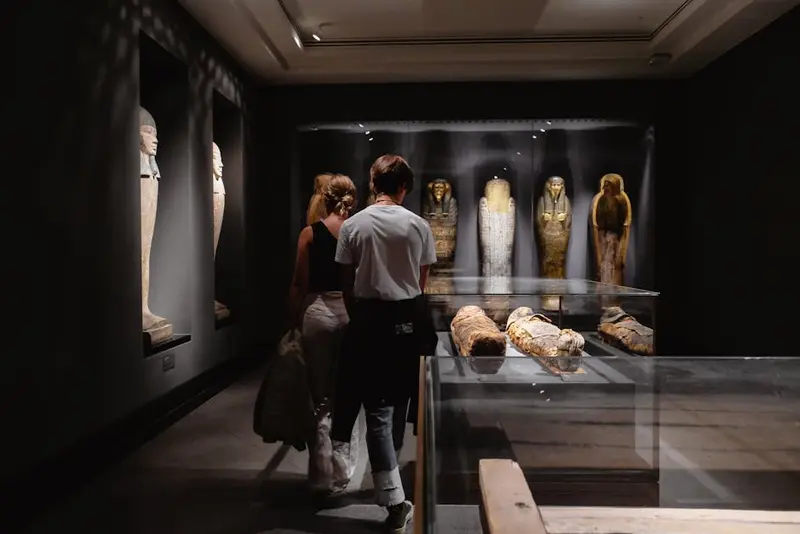
The Museum and Art Gallery of the Northern Territory (MAGNT) offers you a profound insight into the rich culture, art, and natural history of the region. You can admire impressive collections of Indigenous art, reflecting the spiritual and cultural depth of the Aboriginal peoples. A moving section is dedicated to the devastating Cyclone Tracy, which struck Darwin in 1974, documenting its impact on the city. Furthermore, the museum houses natural history exhibits, including "Sweetheart," a colossal saltwater crocodile. Beautifully situated by the sea in Fannie Bay, MAGNT is a place that uniquely combines knowledge and emotion.
Crocosaurus Cove
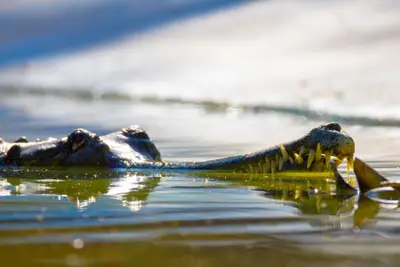
For an unforgettable and adrenaline-pumping experience right in the city centre, you should visit Crocosaurus Cove. Here, you'll get closer to the impressive saltwater crocodiles, the Top End's apex predators, than anywhere else. The main attraction is undoubtedly the "Cage of Death," where you are lowered into a crocodile enclosure in a transparent cage, coming face-to-face with these primeval creatures. But even without this thrill, there's much to explore: you can feed baby turtles, hold snakes and lizards, or marvel at the massive fish in the freshwater aquarium. A must-see for all wildlife enthusiasts!
WWII Oil Storage Tunnels
The WWII Oil Storage Tunnels offer you a fascinating and poignant journey into Darwin's crucial role during World War II. These massive tunnels were carved into the rock after the Japanese air raids on Darwin in 1942 to protect Allied fuel supplies. Today, you can explore these impressive structures, brought to life by informative displays and historical photographs. The cool, dark atmosphere inside provides a stark contrast to Darwin's tropical heat and conveys a deep sense of the hardships and engineering ingenuity of that era. A moving testament to history and a place for reflection.
George Brown Darwin Botanic Gardens
Escape the city's hustle and bustle and find serenity in the expansive George Brown Darwin Botanic Gardens. These beautifully landscaped gardens span over 42 hectares, housing an impressive variety of tropical plant species, both from Australia's Top End and other tropical regions worldwide. You can stroll through various themed areas, including a palm grove, a cycad garden, and a section dedicated to rainforest flora. It's the perfect spot for a relaxed walk, a picnic, or simply to enjoy the lush green surroundings and exotic birdlife. A true paradise for nature lovers right in the city.
Restaurants & Cafés
Kultur & Geschichte
Aboriginale Wurzeln und das Erbe der Larrakia
Darwins Geschichte reicht Zehntausende von Jahren zurück und ist tief in der Kultur der Larrakia verankert, den traditionellen Hütern des Landes, das heute als Darwin bekannt ist. Du begegnest hier einer der ältesten lebenden Kulturen der Welt. Die Larrakia pflegen bis heute ihre Verbindung zum Land und zum Meer, was sich in Geschichten, Liedern und traditionellen Bräuchen widerspiegelt.
- Besuche das Museum and Art Gallery of the Northern Territory (MAGNT), um mehr über die Kunst und Kultur der Aborigines zu erfahren und die tiefgreifende spirituelle Bedeutung der Dreamtime-Geschichten zu verstehen.
- Erwäge die Teilnahme an einer Kulturwanderung oder Bootstour mit lokalen Aborigine-Guides, um direkte Einblicke in ihre Traditionen, die Nutzung der Pflanzenwelt und die Geschichte der Stätten zu erhalten.
- Achte auf lokale Kunstgalerien wie die Mbantua Fine Art Gallery oder Märkte, die authentische Kunst der Aborigines anbieten, ein Ausdruck ihrer Geschichte und Spiritualität.
Koloniale Anfänge und der Schmelztiegel der Kulturen
Die europäische Besiedlung Darwins begann 1869, als die Siedlung Palmerston gegründet wurde, die später in Darwin umbenannt wurde. Die Stadt entwickelte sich schnell zu einem wichtigen strategischen Außenposten und einem Zentrum für die Perlentaucherindustrie. Dies führte zu einer frühen und vielfältigen Zuwanderungswelle, insbesondere aus Asien.
- Erkunde das Fannie Bay Gaol, ein historisches Gefängnis, das Einblicke in die frühen, oft rauen Bedingungen der Kolonialzeit gibt.
- Schlendere durch die Chinatown-Viertel der Stadt, die die langjährige Präsenz chinesischer Einwanderer und ihren Einfluss auf die Stadt widerspiegeln.
- Beachte die Architektur im Stadtzentrum, die Spuren des Wiederaufbaus nach dem Zweiten Weltkrieg und des Zyklons Tracy trägt, aber auch historische Gebäude wie das Government House zeigt, das Darwins Vergangenheit als Verwaltungszentrum des Northern Territory bezeugt.
Die Narben des Krieges und die Resilienz der Stadt
Der Zweite Weltkrieg hinterließ tiefe Spuren in Darwin. Die Stadt wurde 1942 von japanischen Streitkräften bombardiert, was sie zum einzigen australischen Schauplatz von Kampfhandlungen in diesem Krieg machte. Die Widerstandsfähigkeit der Bewohner wurde erneut auf die Probe gestellt, als 1974 der verheerende Zyklon Tracy die Stadt fast vollständig zerstörte.
- Besuche das Darwin Military Museum, um eine umfassende Darstellung der Bombardierung von Darwin und der Rolle der Stadt im Zweiten Weltkrieg zu erhalten. Hier findest du detaillierte Exponate, Originalaufnahmen und Artefakte.
- Mache einen Spaziergang entlang des Bicentennial Park und entdecke die verschiedenen Kriegsdenkmäler und Gedenkstätten, die an die Opfer der Bombardierungen erinnern.
- Die moderne Stadtarchitektur Darwins ist ein direktes Ergebnis des Wiederaufbaus nach Zyklon Tracy und zeugt von der bemerkenswerten Fähigkeit der Gemeinschaft, sich von Katastrophen zu erholen. Das Storms of War Museum bietet ebenfalls Einblicke in diese Ereignisse.
Accommodations in Darwin
Find perfect stay in Darwin