Fernweh
    ExploreTravel GuidesMy Trips
    de|en
    About FernwehImprintFAQPrivacy Policy
    ExploreTravel GuidesMy Trips
    Hook Island

    Hook Island

    City
    1. Home
    2. Destinations
    3. Australia
    4. Whitsunday Islands
    5. Hook Island
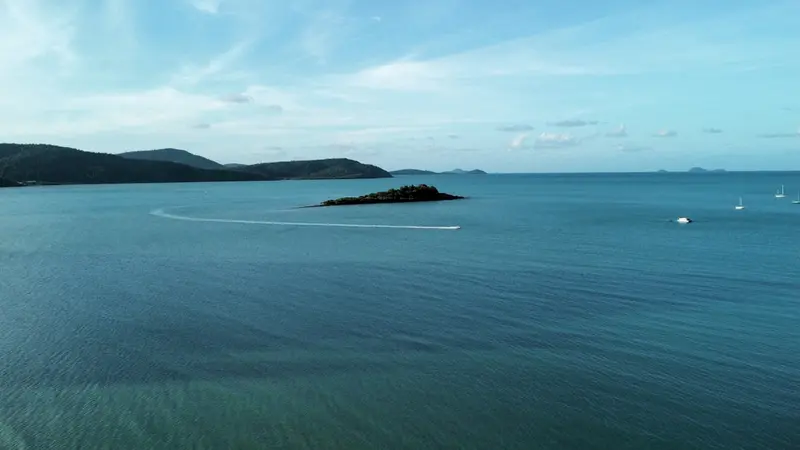
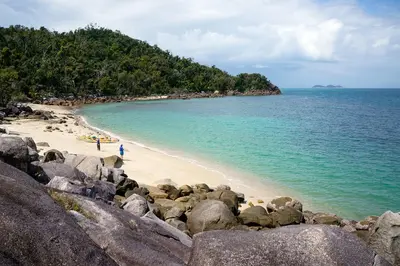
    Hook Island is the second largest island and largely a National Park, ideal for snorkeling and diving adventures in pristine coral reefs.
    • Neighborhoods & highlights
    • Eat & drink
    • Culture
    • Getting around
    • Accommodation
    • Plan trip
    • Nearby
    • Neighborhoods & highlights
    • Eat & drink
    • Culture
    • Getting around
    • Accommodation
    • Plan trip
    • Nearby

    Overview

    Hook Island, eine der größten Inseln der Whitsundays, präsentiert sich als Refugium unberührter Natur und einer außergewöhnlichen Unterwasserwelt. Du findest hier erstklassige Bedingungen zum Schnorcheln und Tauchen, besonders in geschützten Buchten wie Maureen's Cove und Butterfly Bay, wo intakte Korallengärten und eine reiche Fischvielfalt zu Hause sind. Im Nara Inlet, einem tiefen Fjord an der Westseite, entdeckst du zudem alte Felsmalereien der Ngaro-Aborigines, die einen tiefen Einblick in die indigene Geschichte der Region gewähren. Als integraler Bestandteil des Great Barrier Reef Marine Park ist die Insel ein wichtiges Schutzgebiet für marine Ökosysteme. Da die Insel unbewohnt ist, erfolgt der Zugang ausschließlich per Boot, was ihre Abgeschiedenheit bewahrt. Für die beste Sicht und angenehme Wetterbedingungen ist die Trockenzeit von Mai bis Oktober ideal.

    Places in Hook Island

    Discover the most important sights and attractions

    Sights in Hook Island

    Nara Inlet

    Nara Inlet on Hook Island is a sheltered anchorage and of particular cultural significance. Here you'll find one of the most important archaeological sites in the Whitsunday Islands: a cave featuring over 9,000-year-old rock paintings by the Ngaro-Aborigines. A short, well-maintained wooden boardwalk leads directly from the anchorage to the cave, where you can admire the impressive testaments to indigenous culture. The paintings offer insights into the life and mythology of the Aboriginal people who inhabited this area for millennia. The cave itself provides a cool refuge and a unique atmosphere. You should take your time to study the details of the artworks and grasp the historical depth of the site. Our tip: It's best to visit the cave early in the morning or late in the afternoon to enjoy the greatest tranquility and have the best lighting conditions for photos. Be sure not to touch the sensitive paintings to ensure their preservation for future generations. Access is typically by private boat or as part of a charter tour, as Nara Inlet is only accessible by water.
    Open in Google Maps

    WHITSUNDAYS QLD

    The Whitsundays, an archipelago off the coast of Queensland, were named in 1770 by Captain James Cook and are now an iconic Australian travel destination. In particular, Hook Island, much of which is protected as a National Park, offers unspoiled nature and a rich underwater world. Here you'll find excellent snorkeling and diving spots like Butterfly Bay or Mackerel Bay, where you can observe colorful corals and a variety of tropical fish. The island also has a long history of the indigenous Ngaro, whose presence is evidenced by archaeological sites. You can hike on marked trails and explore the lush vegetation. Our Tip: To avoid the crowds and experience the island in peace, a multi-day sailing trip is recommended. The best time to visit is from May to November during the dry season, when the weather is stable and underwater visibility is optimal.
    Open in Google Maps

    Luncheon Bay

    Luncheon Bay on Hook Island is a prime example of the untouched nature of the Whitsunday Islands. Here you'll find a sheltered bay with crystal-clear waters, ideal for snorkeling and diving. The underwater world is rich, offering the chance to observe colorful corals and a variety of tropical fish. The bay's name likely originates from early seafarers who used this tranquil spot for their lunch break. It is an important part of the Great Barrier Reef Marine Park, contributing to the preservation of local marine ecology. The surrounding dense vegetation often extends right to the fine sandy beach, creating an idyllic backdrop. Our Tip: Visit the bay preferably in the early morning to enjoy the tranquility and utilize the best lighting for underwater photos. Be sure to have your snorkeling gear ready to fully explore the fascinating world beneath the surface.
    Open in Google Maps

    Dolphin Point Lookout

    The Dolphin Point Lookout on Hook Island offers you an excellent opportunity to experience the rich marine life of the Great Barrier Reef up close. This natural viewpoint is strategically located to overlook the waters regularly frequented by dolphin pods. The island itself is part of the Whitsunday Islands National Park and is characterized by its pristine nature and its significance for the ecosystem. From here, with a little luck, you can observe not only various dolphin species but also sea turtles and rays in their natural habitat. It is a place that impressively illustrates the region's ecological diversity. Our Tip: Visit the Lookout in the early morning or late afternoon, as dolphins are often more active during these times. Binoculars are essential to clearly see the animals from a distance. To optimally enjoy the tranquility and views, plan your visit outside of peak hours.
    Open in Google Maps

    Essen & Trinken

    Ngaro Culture and History on Hook Island

    Hook Island possesses a rich cultural and historical fabric, albeit one primarily connected to nature, deeply rooted in the traditions of the Ngaro people. As the traditional custodians of the Whitsunday Islands, their connection to this 'Sea Country' spans millennia.Archaeological findings, particularly the significant rock art sites, provide tangible evidence of their enduring presence and highly developed maritime culture. These sites serve as invaluable records of their daily life, spiritual beliefs, and complex knowledge of the marine environment.In contrast to continental settlements, Hook Island's cultural footprint is primarily imprinted into its natural landscape by these ancient cave paintings and shell middens. These expressions represent their unique 'architecture' and artistic heritage, reflecting a deep respect for and dependence on their environment. The Ngaro traditions revolved around the sustainable extraction of resources from the sea and land, passed down through generations. Visiting these sites offers a rare insight into one of Australia's oldest living cultures, highlighting a history of profound environmental connection rather than built structures.

    Getting around here

    As a largely uninhabited natural island in the heart of the Whitsundays, Hook Island offers a unique travel experience, vastly different from urban destinations. Public transport like metro, bus, or tram doesn't exist here, nor do roads or the need for taxis or ride-sharing services. A metro card or e-scooter is as irrelevant here as a bus timetable app; true mobility lies in the freedom of the water.Access to the island is exclusively by boat, whether by organised ferry services, private charters, or as part of sailing tours from mainland ports like Airlie Beach or Shute Harbour. On the island itself, getting around is mainly dedicated to hiking on existing trails and exploring bays by boat, kayak, or stand-up paddle. The island is well-developed for pedestrians in its accessible areas, but advance planning for transfers and water sports activities is essential to optimally experience this pristine paradise.

    Accommodations in Hook Island

    Accommodations in Hook Island

    Find perfect stay in Hook Island

    Booking.com
    Search Hotels
    Agoda
    Search Hotels
    Airbnb
    Vacation Rentals
    Hotels.com
    Hotels Worldwide
    Hostelworld
    Hostels

    Plan your trip to Hook Island

    Save places, build a route and plan your city trip — all in one place.

    Save places

    Bookmark sights, restaurants and neighborhoods you're interested in.

    Build your route

    Turn your bookmarks into a route — define order, days and budget.

    Refine with AI

    Let Mein Fernweh suggest experiences and put together a tailored daily plan.

    Start trip planningOpen bookmarks

    Locations nearby

    These places are nearby — perfect for additional days or a day trip.

    Whitsunday Islands

    Whitsunday Islands

    The Whitsunday Islands are an archipelago of 74 islands off the coast of Queensland and a true paradise in the heart of the Great Barrier Reef. Here you'll find unspoiled nature, iconic white sandy beaches, and turquoise waters that invite you to sail, snorkel, and relax. This place is an invitation to let your soul unwind and fully enjoy the wonders of the Australian coast.
    Whitsunday Island

    Whitsunday Island

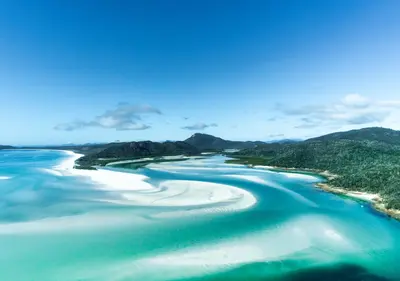
    Whitsunday Island is the largest island of the eponymous archipelago off the coast of Queensland and is part of the Great Barrier Reef Marine Park. Here you'll find the world-famous Whitehaven Beach, known for its 7-kilometer-long, fine quartz sand, which boasts an exceptionally white color. The Hill Inlet Lookout offers panoramic views of the constantly changing sand formations and the turquoise waters. The island itself is largely uninhabited, offering numerous opportunities for sailing, snorkeling, and hiking through unspoiled nature. It serves as an important ecosystem and a protected area, ideal for nature-based tourism. For the best experience, a visit during the dry season from May to October is recommended, when the weather is stable and underwater visibility is optimal.
    Hamilton Island

    Hamilton Island

    Hamilton Island is the largest inhabited island of the Whitsundays, known for its luxurious resorts, the airport, and a wide range of activities.
    Airlie Beach

    Airlie Beach

    Airlie Beach is the vibrant heart of the Whitsunday region and your ideal gateway for unforgettable adventures to the iconic Whitsunday Islands and the Great Barrier Reef. Here, you'll find a relaxed coastal atmosphere perfectly blended with lively nightlife and excellent water sports opportunities. Discover this place where azure waters meet lush greenery, and every sunset is a spectacle.
    Mission Beach

    Mission Beach

    Welcome to Mission Beach, a tropical paradise on Queensland's northern coast, where palm-fringed beaches and lush rainforest await you. This laid-back coastal town is the ideal base for exploring the Great Barrier Reef and the Daintree Rainforest. Immerse yourself in the relaxed atmosphere, enjoy the spectacular natural beauty, and let yourself be enchanted by the charm of this special place.