Fernweh
    ExploreTravel GuidesMy Trips
    de|en
    About FernwehImprintFAQPrivacy Policy
    ExploreTravel GuidesMy Trips
    Freetown Christiania

    Freetown Christiania

    CityCulture
    1. Home
    2. Destinations
    3. Denmark
    4. Copenhagen
    5. Freetown Christiania
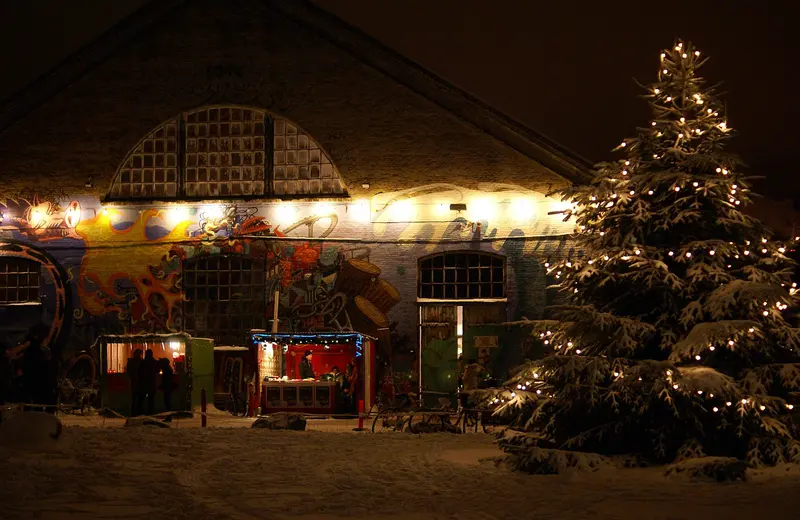
    Freetown Christiania in Copenhagen is a unique, self-governing community founded in 1971 on a former military base. Here you'll encounter an alternative way of life, characterized by art, culture, and individual architecture. The district offers a variety of organic restaurants, workshops, and handmade galleries that reflect the creative spirit of its residents. Especially well-known is the so-called Pusher Street, whose rules you should absolutely observe, especially the photography ban. Discover the diverse street art and unconventional housing structures that give Christiania its special character. It is recommended to explore the Freetown during the day to fully experience the relaxed atmosphere and cultural offerings. Always pay attention to the posted rules to ensure respectful interaction with the community.
    • Neighborhoods & highlights
    • Walking tours
    • Eat & drink
    • Culture
    • Getting around
    • Accommodation
    • Plan trip
    • Nearby
    • Neighborhoods & highlights
    • Walking tours
    • Eat & drink
    • Culture
    • Getting around
    • Accommodation
    • Plan trip
    • Nearby

    Overview

    Freetown Christiania, founded in 1971 on former military grounds in Copenhagen, is an autonomous community characterized by an alternative lifestyle and creative expression. Here you'll find a unique blend of self-built architecture, organic restaurants, and art galleries, reflecting the district's experimental ethos. The known Pusher Street tolerates soft drug trade, but strictly prohibits photography. Aside from this, numerous workshops, craft shops, and cafés invite you to linger. Green areas along the canal and around the lake also offer peaceful retreats. For a relaxed experience, a daytime visit is recommended, ideally on a weekday.

    Places in Freetown Christiania

    Discover the most important sights and attractions
    Sights in Freetown Christiania

    Die königliche Oper

    The Royal Opera House in Copenhagen, often known as Operaen, is an architectural masterpiece and a central pillar of Danish culture. It is located on the island of Holmen, not directly in Freetown Christiania, but only a short walk or ferry ride away, offering a striking contrast to Christiania's alternative atmosphere. Opened in 2005, the building, a gift from the A.P. Møller and Chastine Mc-Kinney Møller Foundation, is considered one of the most modern opera houses worldwide. Designed by Henning Larsen, it captivates with its bold, minimalist form and impressive roof construction that seems to float above the water. Inside, a luxurious ambiance awaits you, featuring warm maple wood paneling and a breathtaking view across the harbor to the royal Amalienborg Palace. First-class opera and ballet performances are offered here. Our Tip: For the best perspective of the Opera House, we recommend a harbor tour. If you wish to explore the interior, book a guided tour to learn more about the architecture and technology and experience the impressive foyers, even without a performance.
    Open in Google Maps

    Rosenborg Castle

    Rosenborg Castle, located in the heart of Copenhagen, is an outstanding example of Dutch Renaissance architecture. It was built in the early 17th century by King Christian IV as a pleasure palace and evolved into a magnificent royal residence. Here you will explore the opulent interiors, offering an authentic glimpse into the lives of Danish royalty. Particularly impressive is the Great Hall with its coronation thrones and the three silver lions serving as guardians. In the basement vaults, the Danish Crown Jewels and royal regalia are displayed, a fascinating collection of historical treasures. The castle is surrounded by the King's Garden (Kongens Have), one of Denmark's oldest royal gardens, perfect for lingering and strolling. Our Tip: Visit the castle right at opening time in the morning to avoid the biggest crowds and better experience the tranquility of the historic rooms. For an atmospheric photo of the castle with the garden, we recommend the view from the Rose Garden.
    Open in Google Maps

    Ny Carlsberg Glyptotek

    The Ny Carlsberg Glyptotek in Copenhagen is an outstanding art museum you absolutely must visit. Founded by brewing magnate Carl Jacobsen, it houses an impressive collection of ancient Mediterranean art, including Egyptian, Roman, and Greek sculptures. You'll also find an extensive collection of 19th and early 20th-century French and Danish art, featuring works by Rodin, Degas, and Gauguin, as well as Danish Golden Age painting.The building itself is an architectural masterpiece, especially the light-filled Winter Garden with its palms and central fountain, offering an oasis of calm. The Glyptotek opened in 1897 and was later expanded, with its various wings reflecting different eras and styles. The careful presentation of exhibits allows for a deep dive into art history.Our Tip: Plan your visit for a weekday morning to avoid the biggest crowds and fully appreciate the tranquility of the halls. The Winter Garden is an ideal spot for a short break and offers excellent photo opportunities. Pay attention to the details of the Roman portrait busts, which often provide fascinating insights into ancient personalities.
    Open in Google Maps

    Rosenborg Schloss Garten

    The Rosenborg Castle Garden, also known in Copenhagen as Kongens Have (King's Garden), is one of Denmark's oldest and most visited park areas. It was laid out in the early 17th century by King Christian IV as a Renaissance garden for his Rosenborg Castle and reflects the garden art of that era. Today you'll find meticulously maintained lawns, impressive flowerbeds, and historical statues that invite you to linger. Particularly noteworthy are the Rose Garden and the Hercules Pavilion, which set architectural and botanical accents. The garden serves as the city's green lung and is a popular spot for walks and picnics. You can enjoy the tranquility here while admiring the majestic Rosenborg Castle. A practical tip: Visit the garden in spring or early summer, when the flowers are in full bloom, to best experience the magnificent display of colours. For undisturbed photos of the castle with the gardens in the foreground, an early morning visit is recommended.
    Open in Google Maps

    Frederiks Kirke

    Frederiks Kirke, better known as Marmorkirken, is an architectural masterpiece in the heart of Copenhagen and a central feature of the elegant Frederiksstaden district. Its impressive dome, the largest in Scandinavia, dominates the skyline and is an outstanding example of the Rococo style. Construction began as early as 1749 under Nicolai Eigtved but was only completed in 1894 by Ferdinand Meldahl, reflecting the building's long and complex history. Inside, you'll find magnificent design featuring marble, stucco, and statues of prominent Danish churchmen. The church is not only a place of worship but also a monument to royal ambitions and civic perseverance. Our tip: For an unparalleled view over Copenhagen, you should join one of the daily dome tours, which offers a unique perspective of the city and its surrounding palaces. To avoid the crowds, an early morning visit is recommended.
    Open in Google Maps

    City walks in Freetown Christiania

    Curated walking tours through the city's highlights — handpicked by experienced travel journalists.

    Christiania Erleben: Ein Spaziergang durch die Freistadt

    Tauchen Sie ein in die bunte und eigenwillige Welt von Freetown Christiania. Dieser etwa zweistündige Rundgang führt Sie durch grüne Oasen, vorbei an kreativen Selbstbauten und den pulsierenden Hotspots, die dieses besondere Viertel Kopenhagens ausmachen. Erleben Sie die einzigartige Atmosphäre einer Gemeinschaft, die ihre eigenen Regeln lebt und stets im Wandel ist.

    ~2 Std.
    In Google Maps öffnen
    Stopps (7)

    Dining & Drinks

    Culture, Art & History of Christiania

    Freetown Christiania was founded in 1971 when a group of squatters and hippies occupied an abandoned military barracks in Copenhagen and declared it a "Free Town." This founding was a direct response to housing shortages and the desire for an alternative lifestyle that distanced itself from established societal norms and focused on community. Over the decades, Christiania evolved into a globally recognized social experiment and an autonomous community. Following extensive negotiations with the Danish state, the residents acquired a large part of the area in 2012, further solidifying Christiania's special status as a self-governing community with unique internal rules. The architecture in Christiania is a direct expression of this independence and creativity. It is characterized by improvised, often very artistic and individually designed houses, frequently built from recycled materials, reflecting a do-it-yourself culture. Local traditions include grassroots democratic self-governance through consensus decisions, a strong emphasis on environmental protection, and a flourishing alternative art scene with numerous workshops, galleries, and music events.

    On Location Travel

    Christiania itself is a traffic-calmed paradise, ideal for exploring on foot. However, to reach it and experience the surrounding metropolis of Copenhagen, an efficient transport network is available. The Christianshavn St. Metro station is just a short walk away, seamlessly connecting Christiania with the city center and the airport. Various bus lines, such as line 9A, also serve the area. For public transport, the Rejsekort or the DOT Tickets App are recommended for easy ticket purchase and savings. Copenhagen is moreover a cycling city par excellence; rental bikes and e-scooters are widespread and ideal for exploring the city independently. Taxis and ride-sharing services are also available, but due to excellent walkability and superb public transport, they are rarely visitors' first choice.

    Accommodations in Freetown Christiania

    Accommodations in Freetown Christiania

    Find perfect stay in Freetown Christiania

    Booking.com
    Search Hotels
    Agoda
    Search Hotels
    Airbnb
    Vacation Rentals
    Hotels.com
    Hotels Worldwide
    Hostelworld
    Hostels

    Campgrounds in Freetown Christiania

    Find perfect campground in Freetown Christiania

    Search via Google Maps
    Campgrounds nearby (15km)
    Camping.info
    Find Campgrounds
    Park4Night
    RV Parks & Camping

    Plan your trip to Freetown Christiania

    Save places, build a route and plan your city trip — all in one place.

    Save places

    Bookmark sights, restaurants and neighborhoods you're interested in.

    Build your route

    Turn your bookmarks into a route — define order, days and budget.

    Refine with AI

    Let Mein Fernweh suggest experiences and put together a tailored daily plan.

    Start trip planningOpen bookmarks

    Locations nearby

    These places are nearby — perfect for additional days or a day trip.

    Indre By (Old Town)

    Indre By (Old Town)

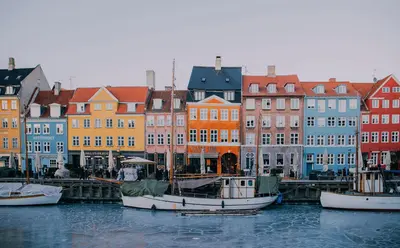
    Indre By, the heart of Copenhagen, presents itself as the historical and cultural center of the Danish capital. Here you'll discover a fascinating mix of old architecture and vibrant city life. The district is known for the long shopping street Strøget, which ranks among the world's oldest pedestrian zones, and for the picturesque harbor Nyhavn with its colorful gabled houses. Cultural highlights include the royal Rosenborg Slot with the crown jewels and the Rundetårn (Round Tower), offering a unique spiral ramp for panoramic views. The majestic Christiansborg Slot houses the Danish parliament and provides insights into the country's political history. To truly experience Indre By's special atmosphere, it's recommended to explore the small alleys and squares away from the main thoroughfares. Mornings are ideal for visiting the sights without large crowds.
    Copenhagen

    Copenhagen

    Copenhagen, Denmark's vibrant capital, is a fascinating blend of royal history, future-forward design, and an irresistible Hygge atmosphere. The city on the Øresund captivates with picturesque canals, magnificent castles, and an innovative culinary scene, making it one of Northern Europe's most sought-after destinations.
    Islands Brygge

    Islands Brygge

    This modern harbour district on Amager boasts contemporary architecture, lively waterfront promenades, and popular harbour baths ideal for swimming.
    Nørrebro

    Nørrebro

    This multicultural neighborhood in the north of the city center is known for its lively streets, independent shops, street art, and green oases like Assistens Kirkegård.
    Østerbro

    Østerbro

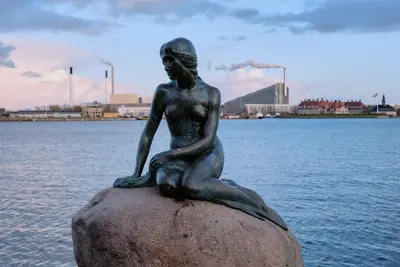
    Østerbro is Copenhagen's elegant and green district, known for its wide boulevards and historic buildings. Here you'll find Fælledparken, the city's largest green space, ideal for relaxation and sports. Along Østerbrogade and surrounding streets, upscale boutiques, specialty shops, and cozy cafés invite you to linger. The district evolved from a former city edge into one of Copenhagen's most desirable residential areas. Culturally, Østerbro is characterized by a relaxed, family-friendly atmosphere, away from the hustle and bustle of the city center. From here, you can easily walk to The Little Mermaid or Kastellet fortress. Plan your visit in spring or summer to best experience the blooming parks and lively street cafés.