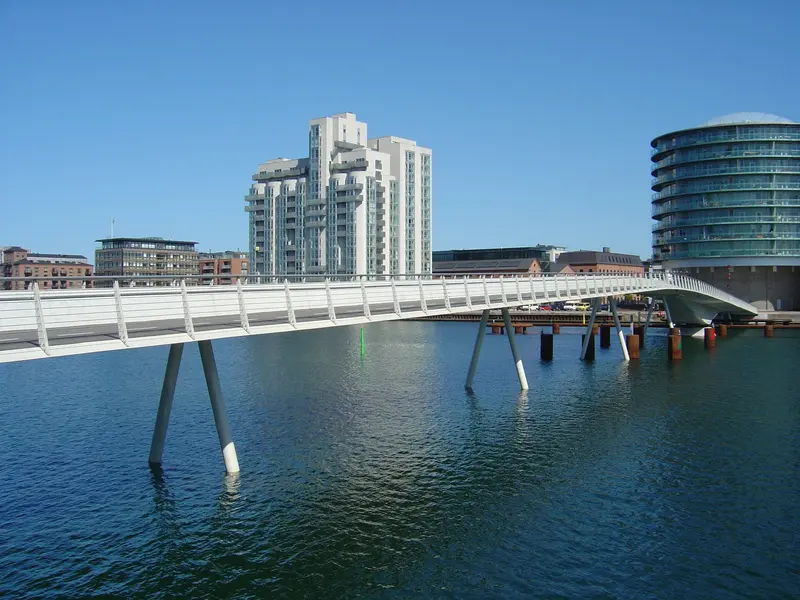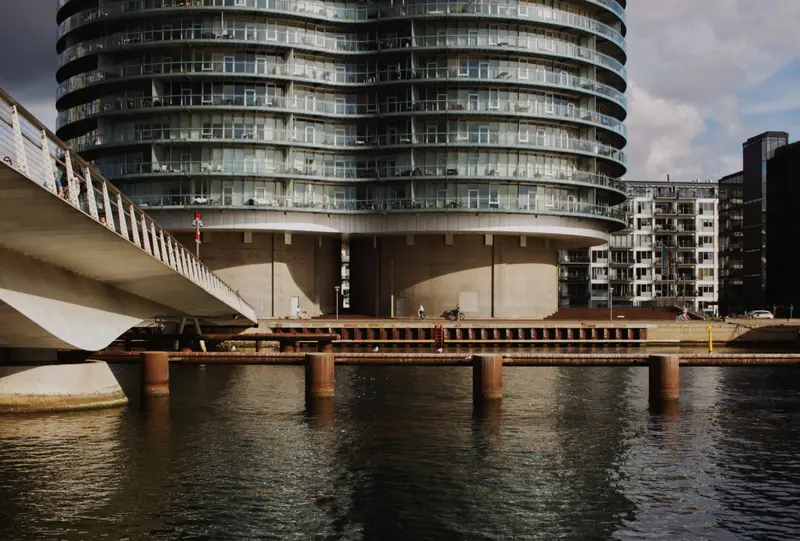
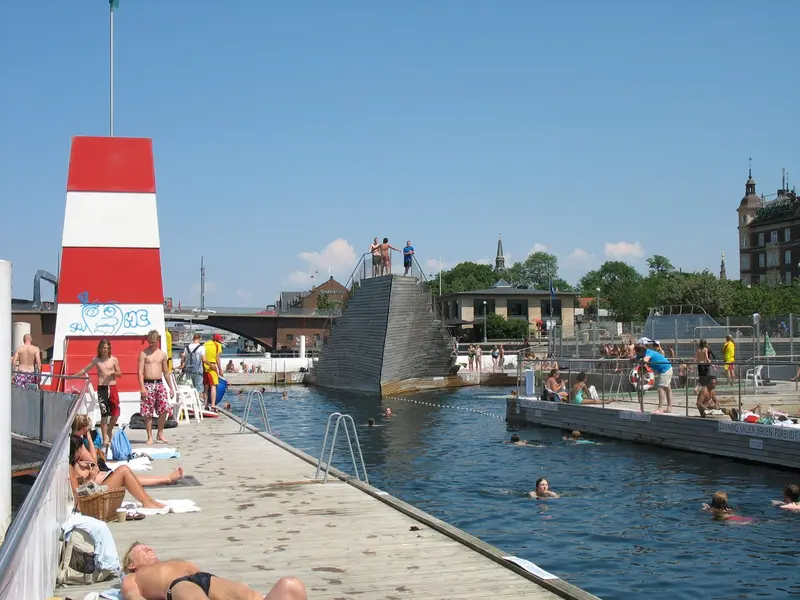
This modern harbour district on Amager boasts contemporary architecture, lively waterfront promenades, and popular harbour baths ideal for swimming.
Places of Interest
Discover the most important sights and attractions
Die königliche Oper
The Royal Danish Opera in Copenhagen, officially Copenhagen Opera House (Operaen), is an architecturally outstanding building on Holmen harbor. Opened in 2005, it ranks among the most modern opera houses worldwide and is a gift from the A.P. Møller and Chastine Mc-Kinney Møller Foundation to the Danish state. Designed by Henning Larsen, the building houses the Royal Danish Theatre for opera and ballet performances and is a central venue for Denmark's performing arts. Externally, the Opera captivates with its simple elegance and striking roof structure, which projects beyond the glass facade. Inside, you'll find luxurious furnishings with warm wood tones and impressive acoustics in the main hall. You can visit the building during the day or join a guided tour to discover more about its architecture and technical details. The view from the Opera across the harbor to Amalienborg Palace is particularly appealing. Our tip: For the best exterior view and an impressive photo of the Opera, we recommend visiting the opposite side of the harbor, for example from the quay at Nyhavn. This way, you capture the entire facade and its reflection in the water.
Rosenborg Castle in Copenhagen is an outstanding example of Dutch Renaissance architecture and was built by King Christian IV in the early 17th century as a pleasure palace. Here you'll find an impressive collection of royal artifacts that offer a deep insight into the Danish monarchy. Inside, you can explore the magnificent royal chambers with original furniture, artworks, and tapestries. Particularly noteworthy are the Danish Crown Jewels and royal regalia, which are securely kept in the treasury in the basement. The castle is surrounded by Kongens Have, the King's Garden, one of Denmark's oldest and most beautiful royal gardens, perfect for a stroll. Our tip: Visit the castle first thing in the morning after opening to view the Crown Jewels peacefully and avoid the largest crowds. For an atmospheric photo of the castle, the view from the garden is ideal, especially when the flowers are in full bloom.
The Ny Carlsberg Glyptotek, located in Islands Brygge, is an outstanding art museum in Copenhagen that you shouldn't miss. It was founded by brewery owner Carl Jacobsen, who made his extensive private art collection accessible to the public. The museum houses an impressive collection of ancient art from the Mediterranean region, including Egyptian mummies, Roman portraits, and Greek sculptures, offering you a deep insight into these cultures.Furthermore, you'll find a significant collection of French Impressionists and Post-Impressionists here, with works by artists such as Monet, Renoir, and Degas, as well as a comprehensive collection of Danish art from the Golden Age. The architecture of the building itself, with its magnificent winter garden (Palmehuset) at its center, is a work of art in itself and invites you to linger. Our Tip: Visit the Glyptotek on a Tuesday, as admission is then free. For a calmer experience and to avoid crowds, we recommend visiting on a weekday morning. The winter garden also offers an excellent backdrop for photos.
The Rosenborg Castle Garden, also known as Kongens Have, is Denmark's oldest royal garden and was laid out in the early 17th century by King Christian IV. as a Renaissance garden for the adjacent Rosenborg Castle. Today, it serves as one of Copenhagen's most visited green spaces, offering you a peaceful oasis in the heart of the city. Here you'll find carefully maintained flowerbeds, spacious lawns, and ancient trees inviting you to linger. Highlights include the Rose Garden and the numerous sculptures, among them one of Hans Christian Andersen. The garden is an outstanding example of the garden art of its time and reflects its royal history. Our Tip: The best time to visit the garden is on a weekday morning to enjoy the greatest tranquility and explore the details of the grounds undisturbed. A stroll along the lime tree avenues also offers a picturesque perspective of the castle, ideal for photographs.
The Vor Frelsers Kirke in Copenhagen's Christianshavn district is an outstanding example of Baroque architecture and a striking landmark of the city. Its history dates back to the late 17th century; the church was consecrated in 1696. It is particularly renowned for its spectacular tower with the external spiral staircase that winds upwards. This tower, designed by Lauritz de Thurah, was only completed in 1752 and, after a climb of 400 steps, offers a breathtaking 360-degree view over Copenhagen and the Øresund. Inside, you'll find a magnificent altar and an impressive organ, which is among Denmark's oldest and regularly used for concerts. Our Tip: Plan your visit in the morning or late afternoon to avoid the biggest crowds, especially if you wish to climb the tower. The view from the tower is incomparable in clear weather and offers excellent photo opportunities of the city.
These places are nearby — perfect for additional days or a day trip.
Copenhagen
Copenhagen, Denmark's vibrant capital, is a fascinating blend of royal history, future-forward design, and an irresistible Hygge atmosphere. The city on the Øresund captivates with picturesque canals, magnificent castles, and an innovative culinary scene, making it one of Northern Europe's most sought-after destinations.
Indre By (Old Town)
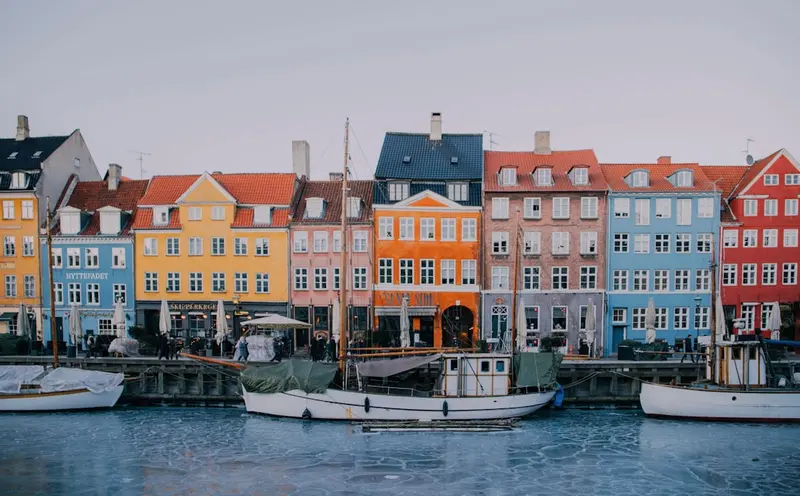
Indre By, the heart of Copenhagen, presents itself as the historical and cultural center of the Danish capital. Here you'll discover a fascinating mix of old architecture and vibrant city life. The district is known for the long shopping street Strøget, which ranks among the world's oldest pedestrian zones, and for the picturesque harbor Nyhavn with its colorful gabled houses. Cultural highlights include the royal Rosenborg Slot with the crown jewels and the Rundetårn (Round Tower), offering a unique spiral ramp for panoramic views. The majestic Christiansborg Slot houses the Danish parliament and provides insights into the country's political history. To truly experience Indre By's special atmosphere, it's recommended to explore the small alleys and squares away from the main thoroughfares. Mornings are ideal for visiting the sights without large crowds.
Freetown Christiania
Freetown Christiania in Copenhagen is a unique, self-governing community founded in 1971 on a former military base. Here you'll encounter an alternative way of life, characterized by art, culture, and individual architecture. The district offers a variety of organic restaurants, workshops, and handmade galleries that reflect the creative spirit of its residents. Especially well-known is the so-called Pusher Street, whose rules you should absolutely observe, especially the photography ban. Discover the diverse street art and unconventional housing structures that give Christiania its special character. It is recommended to explore the Freetown during the day to fully experience the relaxed atmosphere and cultural offerings. Always pay attention to the posted rules to ensure respectful interaction with the community.
Nørrebro
This multicultural neighborhood in the north of the city center is known for its lively streets, independent shops, street art, and green oases like Assistens Kirkegård.
Østerbro
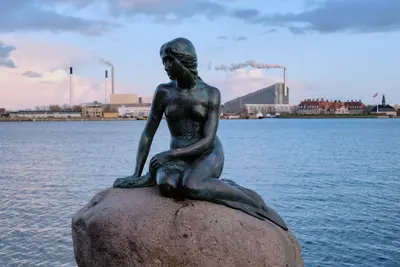
Østerbro is Copenhagen's elegant and green district, known for its wide boulevards and historic buildings. Here you'll find Fælledparken, the city's largest green space, ideal for relaxation and sports. Along Østerbrogade and surrounding streets, upscale boutiques, specialty shops, and cozy cafés invite you to linger. The district evolved from a former city edge into one of Copenhagen's most desirable residential areas. Culturally, Østerbro is characterized by a relaxed, family-friendly atmosphere, away from the hustle and bustle of the city center. From here, you can easily walk to The Little Mermaid or Kastellet fortress. Plan your visit in spring or summer to best experience the blooming parks and lively street cafés.