Fernweh: Home
    ExploreTravel GuidesPlan a tripMy tripLast visited
    de|en
    All Places & RegionsAll highlightsAbout FernwehFAQPrivacy PolicyImprint
    ExploreTravel GuidesPlan a tripMy tripLast visited
    • Neighborhoods & highlights
    • Walking tours
    • Eat & drink
    • Food culture
    • Culture
    • Getting around
    • Accommodation
    • Plan trip
    • Nearby
    Ancient Epidauros

    Greece

    Ancient Epidauros

    CityCultureFor Families

    Ancient Epidaurus refers to two sites, twelve kilometers apart: the coastal village of Palea Epidavros on the Saronic Gulf and the Asklepieion inland, a UNESCO World Heritage site since 1988.

    by Felix Gillen

    1. Home
    2. Destinations
    3. Greece
    4. Peloponnese
    5. Ancient Epidauros
    Ancient Epidaurus refers to two sites, twelve kilometers apart: the coastal village of Palea Epidavros on the Saronic Gulf and the Asklepieion inland, a UNESCO World Heritage site since 1988. For centuries, this sanctuary was the most important healing center in the Greek world. Predominantly preserved is the theater from the 4th century BC, whose acoustics still work without technical amplification today.

    Sights in Ancient Epidauros

    Discover the most important sights and attractions

    Theater von Epidauros

    1Theater von Epidauros

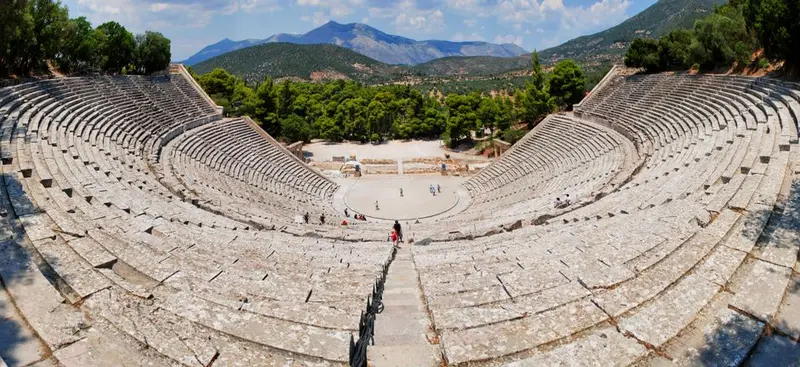
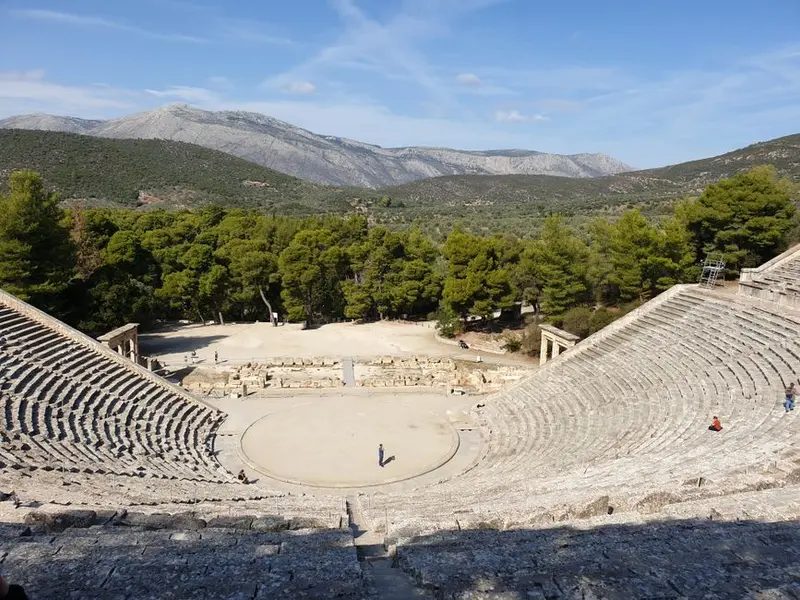
    The Theater of Epidauros, dating back to the late 4th century BC, is attributed to the architect Polykleitos the Younger. Its original 34 rows of seats were augmented by 21 more in Roman times, bringing its capacity to approximately 14,000 spectators. Buried after antiquity, the site ensured the theater remained largely untouched, making it one of Greece's best-preserved ancient theaters. Studies show its famed acoustics stem from the limestone seats' shape and arrangement, which dampen low background noise while reflecting higher frequencies. Since 1955, performances have once again graced its stage, notably during the summer Athens Epidaurus Festival. Stand in the middle of the Orchestra and have someone listen from above.
    Open in Google Maps
    Asklepieion of Epidauros

    2Asklepieion of Epidauros

    The Asklepieion was, from the 6th century BC, the most significant sanctuary of the healing god Asklepios, attracting the sick from across the entire Mediterranean region. Treatment followed a fixed procedure: purification, sacrifice, and finally, temple sleep in the Abaton, a long hall where the sick awaited a dream which the priests would interpret in the morning. Healing reports were documented on stone tablets throughout the grounds, parts of which are displayed in the museum. In addition to the temple and Abaton, guesthouses, baths, a stadium, and a gymnasium were part of the complex, which thus resembled a health resort more than a mere temple district. Since 1988, the site, along with its theatre, has been on the UNESCO World Heritage List. You should allow two and a half hours for the entire site.
    Open in Google Maps
    Abbey Agnountos

    3Abbey Agnountos

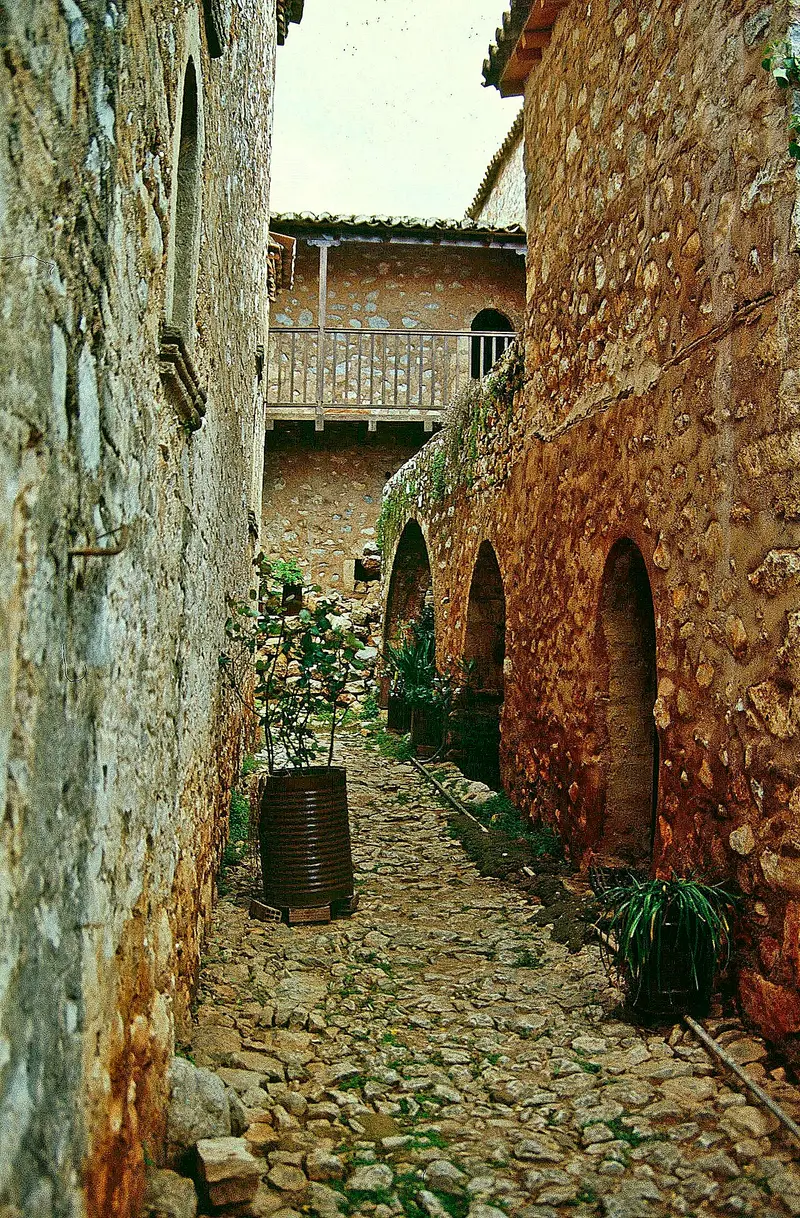
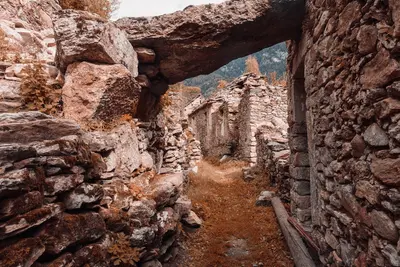
    Agnountos Monastery is located about four kilometers north of Nea Epidavros on the coastal road. An approximately eight-meter-high, thick wall encloses the complex, giving it the appearance of a small fortress; the monks thus protected themselves from pirate raids on the coast. In the courtyard is the 11th-century monastery church, whose frescoes date from around 1250. About 100 meters away is the Chapel of Agios Ioannis from 1766, which was formerly used for requiem masses. From the ancient sanctuary, you drive about a quarter of an hour by car.
    Open in Google Maps
    Panagia Polemarcha

    4Panagia Polemarcha

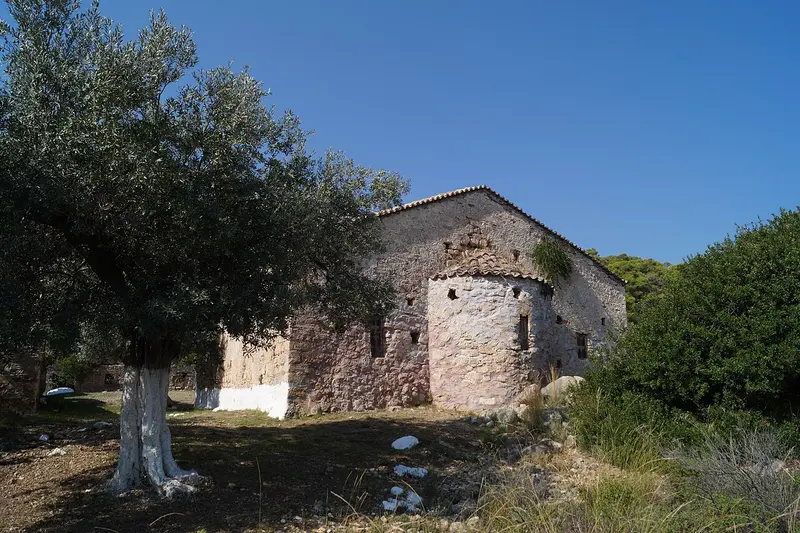
    The Church of Panagia Polemarcha belonged to a monastery that a monk named Antonios from Kalamata founded in the early 15th century on the coast near Epidavros. The monks soon abandoned the half-finished complex because the location was too exposed to coastal pirates. The church stands to this day; only parts of the monks' cells survive, along with the remnants of a large cistern. It is accessible via a steep access road from the coastal road; a car is necessary.
    Open in Google Maps

    5Kotsiomitis Natural History Museum

    The private Natural History Museum is located on Asklipiou Street in Lygourio, a few kilometers from the Theatre of Epidauros. Its collection comprises approximately 22,000 minerals and fossils from Greece and other countries, with about 6,000 on display. Exhibits showcase finds spanning approximately 530 million years, including petrified tree trunks, corals, trilobites, fish, and sea urchins, as well as crystals like azurite, malachite, and quartz. A particular focus is placed on ammonites from the Epidauros region.
    Open in Google Maps
    Archaeological Museum of Epidaurus

    6Archaeological Museum of Epidaurus

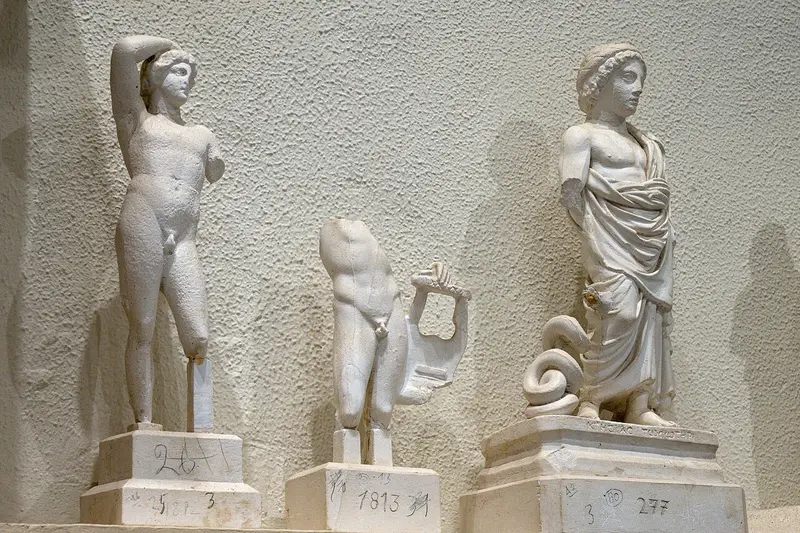
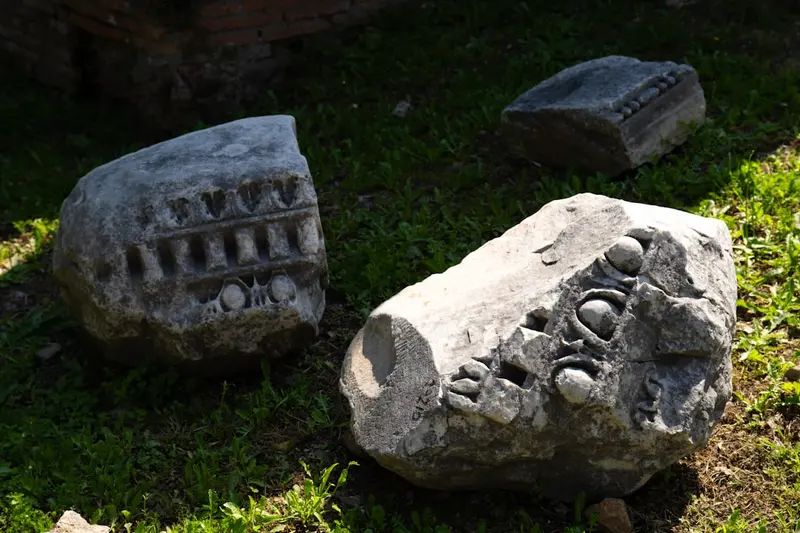
    The museum is located between the entrance and the theater and is included in the site's ticket. It displays components of the Tholos, including a partial reconstruction of the Corinthian cornice, as well as bronze surgical instruments that attest to the site's medical significance. Of particular interest are the Iamata, inscribed tablets detailing patients' healing accounts, which provide insight into ailments and treatments. Additionally, there are votive offerings in the form of body parts, donated by those who were healed. The collection is small but explains what can only be seen as foundations on the site itself. Allow 30 to 45 minutes for your visit.
    Open in Google Maps

    City walks in Ancient Epidauros

    Curated walking tours through the city's highlights, handpicked by experienced travel journalists.

    Epidaurus: A Journey Through Ancient Healing and Drama

    Immerse yourself in the fascinating world of ancient Epidaurus, the most important sanctuary of Asklepios. This two-hour tour takes you through a site where body and mind were healed and dramatic art flourished. Discover impressive architecture and the secrets of a long-vanished civilization.

    ~2 Std. 30 Min.
    Open in Google Maps
    Stops (6)

    Dining & Drinks

    1

    Restaurant Michel Epidavros

    Restaurant Michel is part of Hotel Michel and is located on the road between the ancient sanctuary and the coastal town of Palaia Epidavros on the Saronic Gulf. The cuisine is Greek.
    Show on Google Maps
    2

    Old School House •chill n’grill•

    The Old School House on Asklipiou in Lygourio, about four kilometers from the Theatre of Epidauros, is a grill restaurant. It primarily serves grilled meat dishes.
    Show on Google Maps
    3

    Extreme γευσεις

    The Extreme Gefseis is located on Asklipiou, the main street of Lygourio, the closest village to the Sanctuary of Epidauros. Serving Greek cuisine.
    Show on Google Maps
    4

    Εστιατόριο Το Πέρασμα

    The To Perasma is a restaurant and café in Nea Epidavros, northeast of the ancient sanctuary. The cuisine is Greek.
    Show on Google Maps

    Food and Drink around Epidaurus

    The coastal strips around Palea Epidavros are planted with citrus trees; behind them, olive and pine forests begin. The taverns are located either at the harbour or in the mountain village of Ligourio, with little in between.

    Citrus fruits from seaside groves

    Palea Epidavros lies amidst orange and lemon groves reaching down to the beach. They bloom in March and April, harvested from December to spring. At the edge of town, producers sell directly from their farms, also offering pickled lemon zest and jams. In the tavernas, lemon appears on practically every dish.

    Fish from the Saronic Gulf

    The port of Palea Epidavros is small, but boats still go out. Menus list octopus, sardines, red mullet, and, depending on the day, larger fish by weight. Grilled preparation with olive oil, lemon, and oregano is common. Ask for the price per kilo before you order.
    Olive Oil from Argolis

    Olive Oil from Argolis

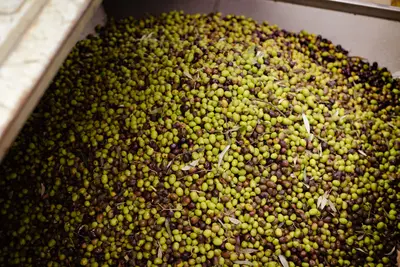
    Old olive groves dot the slopes around Ligourio and Nea Epidavros, with pressing occurring between November and January. The oil of the Manaki variety is milder than Messenian Koroneiki oil and is often sold directly at the mill. Taverns typically place the bottle on the table. When buying directly from the producer, it's worth asking about the harvest year.
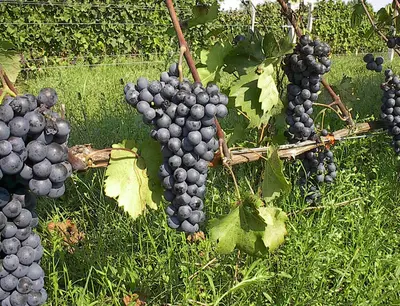
    Agiorgitiko from Nemea

    Agiorgitiko from Nemea

    Das nächste größere Weinbaugebiet liegt gut eine Autostunde nördlich bei Nemea. Der Rotwein aus der Sorte Agiorgitiko steht in fast jeder Taverne der Argolis als offener Wein auf der Karte. Er wird in Griechenland häufig leicht gekühlt serviert, was zu gegrilltem Fleisch gut passt. Flaschenweine einzelner Güter gibt es in den besseren Lokalen.

    Culture and History of Epidaurus

    The Sanctuary of AsclepiusIn ancient times, Epidaurus was the most important sanctuary of the healing god **Asclepius**. Sick people came from the 6th century BC until Roman times; treatment combined sacrifices, purification, and temple sleep in the Abaton with bathing, sports, and theatre. In addition to the temple and Abaton, the complex included guesthouses, baths, a stadium, and a gymnasium. Since 1988, the sanctuary has been on the UNESCO World Heritage List.The TheatreThe **Theatre**, dating from the 4th century BC, is attributed to Polykleitos the Younger and seats around 14,000 people with its 55 rows. Its acoustics are renowned: words from the orchestra can be clearly understood even in the upper tiers. Since 1955, ancient drama has been performed here again, today as part of the Athens Epidaurus Festival.Tholos and Building InscriptionsThe **Tholos**, a circular building with an underground labyrinth, remains a mystery to this day, its purpose disputed. Preserved are stone construction accounts and the *Iamata*, tablets with healing reports, which can be seen in the museum and offer insight into the beliefs and medicine of the time.

    Travels In & Around Epidauros

    Car and BusWithout a car, navigating the area is challenging. Twelve kilometers lie between the coastal village of Palea Epidavros and the archaeological site, with no regular bus service in between. KTEL buses connect Nafplio and Athens with Ligourio and the Asklepieion, though only a few times a day and rarely on Sundays. Timetables change seasonally; inquire locally at the bus station. From Nafplio, it takes about 45 minutes by car via a winding mountain road.On the SiteThe archaeological site is explored on foot; paths are gravel and partly uneven, so sturdy footwear helps. From the car park to the theatre takes a few minutes, and to the stadium and the Tholos, around ten minutes each. Taxis are available in Ligourio and Palea Epidavros, but for the return journey, you should note down a number, as one rarely waits on the street. On performance evenings, special buses run from Athens and Nafplio, which can be booked along with your ticket. Bicycles are occasionally rented in the coastal village, but the incline for the inland route is significant.

    Accommodations in Ancient Epidauros

    Find perfect stay in Ancient Epidauros

    Booking.com* (Affiliate link)
    Search Hotels
    Agoda* (Affiliate link)
    Search Hotels
    Airbnb
    Vacation Rentals

    * Affiliate link: if you book through it, we earn a small commission. The price stays the same for you.

    Campgrounds in Ancient Epidauros

    Find perfect campground in Ancient Epidauros

    Search via Google Maps
    Campgrounds nearby (15km)
    Camping.info
    Find Campgrounds
    Park4Night
    RV Parks & Camping

    Plan your trip to Ancient Epidauros

    Save places, build a route and plan your city trip, all in one place.

    1. 1
      Sunrise over alpine peaks and a sea of clouds
      1234

      Round trip

      12 days · 4 stops

      Saved

      Pick a route

      Pick a ready-made one or save places and plan your own.

      Open bookmarks
    2. 2

      Trip to Ancient Epidauros

      Live
      • 1Theater von Epidauros3 days
      • 2Asklepieion of Epidauros4 days
      • 3Abbey Agnountos5 days
      Budget

      Plan your trip

      The planner sorts stops, days and budget. Plan together in real time.

      Start trip planning
    3. 3
      9:41 No signal
      Ancient Epidauros
      Available offline

      Use it on the road

      Download the guide to your phone and use it on site, even offline.

    Nearby

    Nafplio

    Nafplio

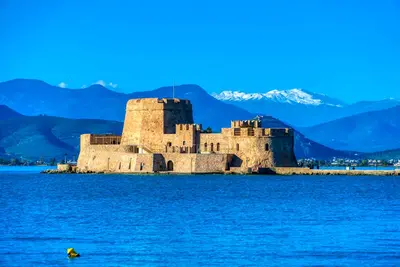
    Nafplio lies on Argolis' east coast, on the Argolian Gulf, some 140 kilometers southwest of Athens. From 1823 to 1834, it served as the first capital of independent Greece, having previously seen Venetians and Ottomans alternately rule its port. The city retains three fortresses, a compact old town of Venetian and neoclassical houses, and a scenic rock path encircling the peninsula.
    Mycenae

    Mycenae

    Mycenae is situated on a hill at the northern edge of the Argolic Plain, approximately 25 kilometers north of Nafplio. Between approximately 1350 and 1200 BC, the citadel was the center of a palace culture that gave its name to an entire era. Heinrich Schliemann excavated the shaft graves starting in 1876, and since 1999, the site, along with Tiryns, has been a UNESCO World Heritage site.
    Corinth

    Corinth

    Corinth is situated on the Isthmus, the narrowest point between the Peloponnese and the Greek mainland, and thus controlled traffic between two seas for centuries. The ancient city was destroyed by Rome in 146 BC and re-established as a colony a century later; it was here that the Apostle Paul preached. The Temple of Apollo, the Acrocorinth fortress, and the canal opened in 1893 represent three very different eras in one place.
    Hydra

    Hydra

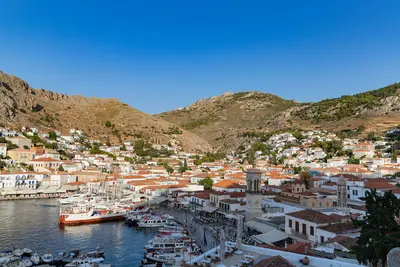
    Hydra is a narrow, rocky island in the Saronic Gulf off the coast of the Peloponnese. Around the semicircular harbour rise the stone houses and mansions of the shipping families who supplied a large part of the Greek fleet during the War of Independence in 1821. There are no cars or other vehicles on the island; loads are carried by mules and donkeys.
    Peloponnese

    Peloponnese

    The Peloponnese hangs off the southern end of the Greek mainland and, strictly speaking, is an island since the construction of the Corinth Canal. Mycenaean castles, the Sanctuary of Olympia, Byzantine ruined cities, and Venetian sea fortresses lie close together here.Between them, mountain ranges rise to over 2,400 meters, with Taygetos reaching 2,407 meters. The coastal roads remain narrow and winding; those who travel the peninsula are better off planning with few base locations and day trips.

    Sources & method

    • Photos: Wikimedia Commons, Unsplash, Pexels. Each photo carries its credit.
    • The content is based on web research from public, traceable sources. How the content is made · The role of AI