Fernweh
    ExploreTravel GuidesMy Trips
    de|en
    About FernwehImprintFAQPrivacy Policy
    ExploreTravel GuidesMy Trips
    Peloponnese

    Peloponnese

    Region
    1. Home
    2. Destinations
    3. Greece
    4. Peloponnese
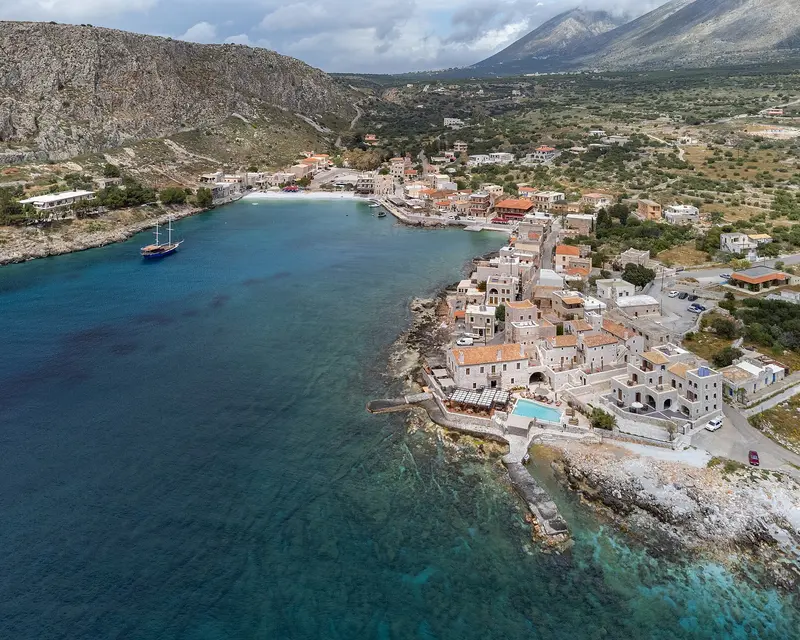
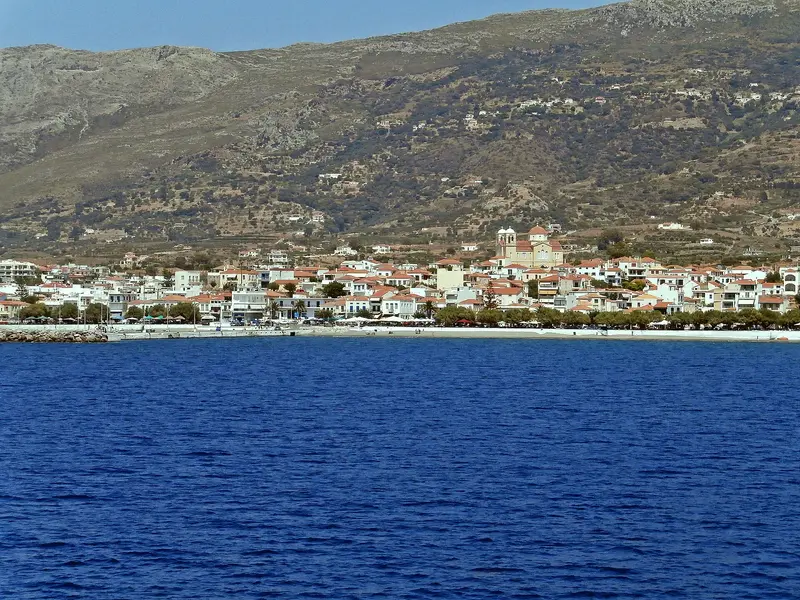
    The Peloponnese is a storied peninsula in southern Greece, considered the cradle of ancient Greek civilization. Here, travelers can expect a fascinating mix of breathtaking archaeological sites, picturesque coastal towns, and a wild, mountainous landscape that invites exploration and is a UNESCO World Heritage site.
    • Overview
    • Places in the region
    • Eat & drink
    • Culture
    • Nearby
    • Overview
    • Places in the region
    • Eat & drink
    • Culture
    • Nearby
    Die Peloponnes, eine beeindruckende Halbinsel im Süden Griechenlands, gilt als Wiege der antiken griechischen Zivilisation und bietet eine außergewöhnliche Mischung aus Geschichte, Kultur und vielfältigen Landschaften. Du findest hier UNESCO-Welterbestätten wie das antike Olympia, den Geburtsort der Olympischen Spiele, und die mächtigen Ruinen von Mykene, Zentrum der mykenischen Kultur. Auch die byzantinische Geisterstadt Mystras und die venezianisch geprägte Hafenstadt Nafplio, Griechenlands erste Hauptstadt, sind kulturelle Höhepunkte. Die raue Schönheit der Mani-Halbinsel mit ihren Wehrtürmen und die Felsenstadt Monemvasia zeigen die geographische und architektonische Vielfalt der Region. Neben den historischen Stätten entdeckst du malerische Bergdörfer und mediterrane Küstenabschnitte, die zu authentischen Begegnungen einladen. Die beste Reisezeit liegt im Frühling oder Herbst, um die archäologischen Stätten bei angenehmen Temperaturen zu erkunden und die touristische Hochsaison zu meiden. Plane genügend Zeit für die Erkundung der verschiedenen Regionen ein, da die Peloponnes weitläufig ist und jede Gegend ihren eigenen Charakter besitzt.

    Places in Peloponnese

    Nafplio

    Nafplio

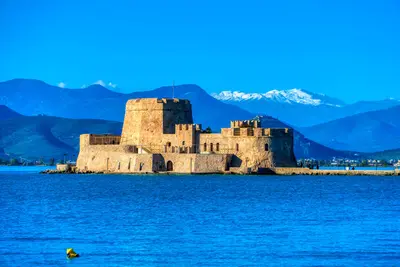
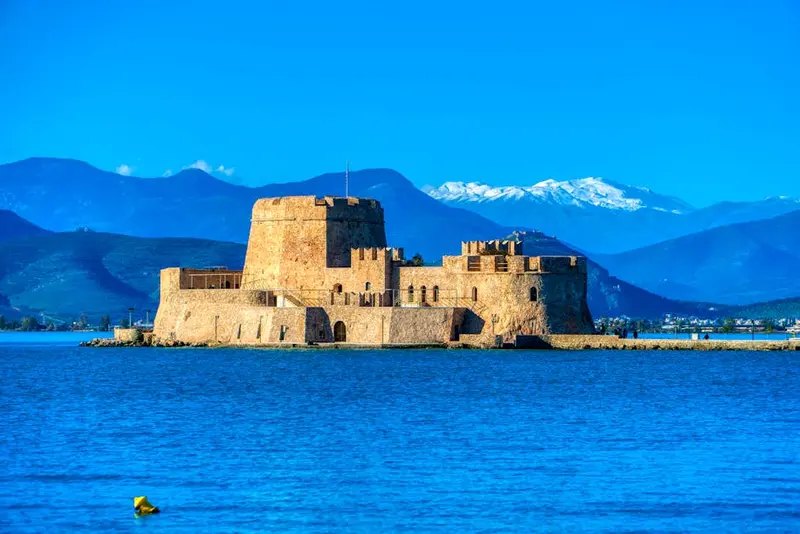
    Immerse yourself in the timeless beauty of Nafplio, one of Greece's most picturesque cities, where Venetian charm meets neoclassical elegance.As the first capital of modern Greece, this place enchants you with its rich history, impressive architecture, and an unparalleled atmosphere that invites you to stroll and linger.
    Corinth

    Corinth

    Welcome to Corinth, a fascinating place where glorious antiquity meets impressive engineering! Here, you'll immerse yourself deep in history, follow in the footsteps of Saint Paul, and marvel at the strategic importance this city once held. Experience a vibrant blend of historic ruins, breathtaking views, and the modern marvel of the Corinth Canal that will captivate you.
    Ancient Epidauros

    Ancient Epidauros

    Ancient Epidaurus on the Peloponnese was an important sanctuary of Asclepius, the god of healing, in antiquity. Here you will find the world-famous Theatre of Epidaurus, known for its exceptional acoustics; even in the highest rows, you can hear a coin drop on the stage. Besides the theatre, explore the Asklepieion with its ruins of temples, baths, and accommodations for the sick who sought healing here. The small on-site museum offers insight into the site's history and archaeological finds. To avoid the heat and the biggest tourist crowds, an early morning or late afternoon visit is recommended. Plan enough time to soak up the peaceful atmosphere of this historic place.
    Ancient Olympia

    Ancient Olympia

    The legendary birthplace of the Olympic Games captivates visitors with its impressive ruins and the archaeological museum.
    Monemvasia

    Monemvasia

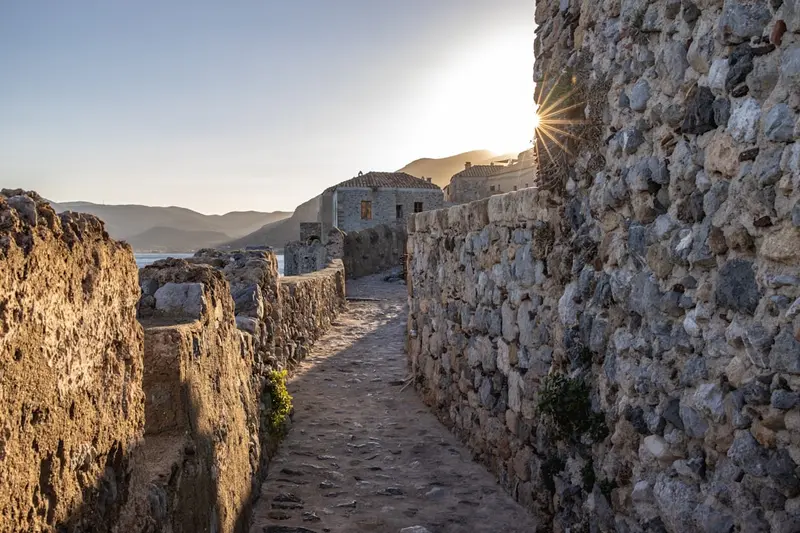
    Monemvasia is a unique medieval fortress town on the east coast of the Peloponnese, majestically rising on an island-like rock. You will explore the Kato Poli with its narrow, cobblestone streets and numerous Byzantine churches. Particularly worth seeing are the Christos Elkomenos Church in the main square and the winding paths that lead you to hidden spots. The ascent to the Ano Poli, the former citadel, offers not only spectacular views of the Aegean Sea but also insights into the region's Byzantine and Venetian history. Up there stands the impressive Agia Sofia Church, a testament to Monemvasia's rich past. Take your time to explore the car-free town on foot; comfortable shoes are essential. The morning or evening hours are ideal for experiencing the special atmosphere without the largest crowds.
    Mycenae

    Mycenae

    The ancient site of Mycenae, once the center of a powerful Bronze Age civilization, transports you into the world of Agamemnon. You enter the Acropolis through the imposing Lion Gate, a masterpiece of Mycenaean architecture. Explore the massive cyclopean walls and the royal tombs in Grave Circle A. Outside the citadel, the monumental Treasury of Atreus captivates. These ruins offer deep insights into the highly developed Mycenaean culture. Plan your visit for early morning to avoid the midday heat and larger crowds.

    Sights in Peloponnese

    Discover the most important sights and attractions

    Troupis Winery

    The Troupis Winery, nestled in the picturesque landscape of the Peloponnese, is an outstanding example of Greece's winemaking tradition. For generations, the Troupis family has dedicated itself to cultivating local grape varieties, especially the aromatic Moschofilero, native to the Mantineia region. Here you'll find a modern winery that combines traditional methods with contemporary technology to produce high-quality wines.During a visit, you'll gain insights into the entire winemaking process, from vine to bottle. The tour through the production facilities is informative, explaining the specifics of the terroir and the winery's philosophy. Afterwards, you'll have the opportunity to taste a selection of their wines. It's particularly recommended to sample the various expressions of Moschofilero, which can range from crisp and fresh to complex.Practical Tip: Plan your visit for late morning or early afternoon to explore the winery at your leisure and enjoy the tasting without rushing. The surrounding landscape also offers excellent photo opportunities, especially during harvest season in autumn. It's advisable to arrange an appointment in advance to ensure a personalized tour.
    Open in Google Maps

    Kapsia Cave

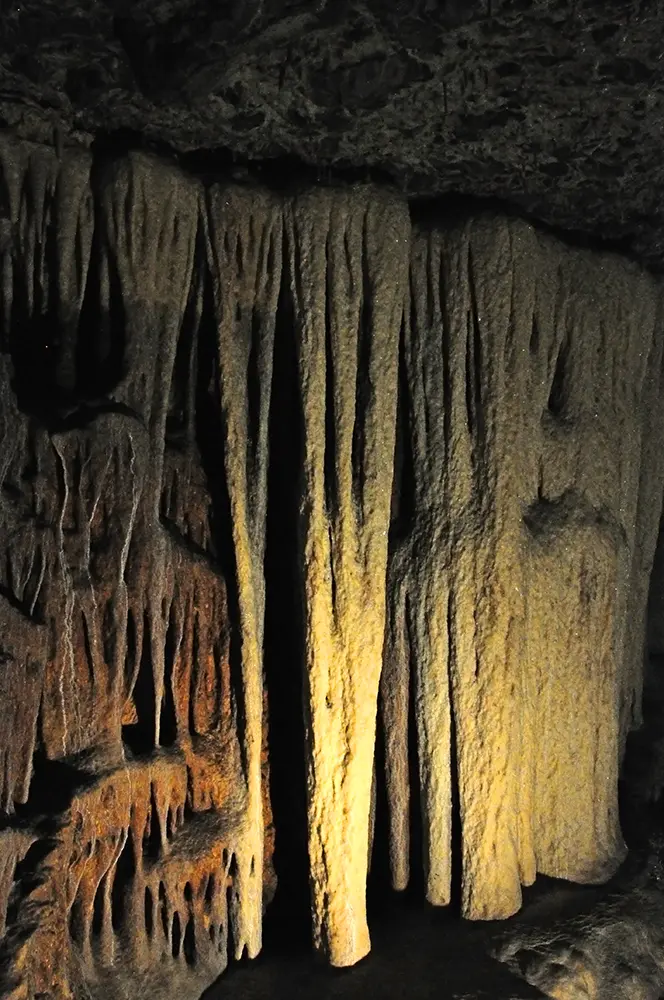
    The Kapsia Cave in the Peloponnese is a significant natural monument of Greece, its geological formation spanning millions of years. You'll find it near the village of Kapsia in Arcadia. Inside, you'll be met with impressive stalactites and stalagmites in a variety of colours, from reddish to yellowish and white hues, created by mineral deposits. Archaeological findings confirm a human presence as early as the Neolithic Age, making the cave a site of historical significance as well. During your visit, you'll be guided through several chambers, each revealing unique formations and occasionally small underground lakes. The lighting is well-designed to optimally showcase these natural artworks. Practical Tip: The cave's temperature remains consistently cool, so bring a light jacket even in summer. For the best photos without crowds, a visit right after morning opening is recommended.
    Open in Google Maps

    Church of Agia Fotini Mantineias

    The Church of Agia Fotini Mantineias in the Peloponnese is an architectural gem that deliberately stands apart from traditional Byzantine sacred buildings. Designed by Kostas Papanikolaou, a student of the renowned Dimitris Pikionis, it was built in the 1970s and 80s, uniquely blending elements of ancient Greek architecture with Byzantine and even pre-Christian motifs. Here you will find columns, gables, and sculptures reminiscent of ancient temples, combined with the design language of an Orthodox church.Upon entering the church, you will discover a fascinating blend of styles. The frescoes and mosaics inside reinterpret Orthodox iconography in a very personal and often unconventional way, leading to a profound and contemplative atmosphere. The church is not only a place of worship but also a monument to Greece's rich cultural and historical layers.Practical Tip: It's best to visit the church in the morning or late afternoon to take advantage of the soft light for photos of its unique exterior architecture. Since it's off the main tourist paths, you can often enjoy a quiet and contemplative experience here. Take your time to quietly admire the details of the stonework and the symbolism of the depictions.
    Open in Google Maps

    Πλατεία Άρεως

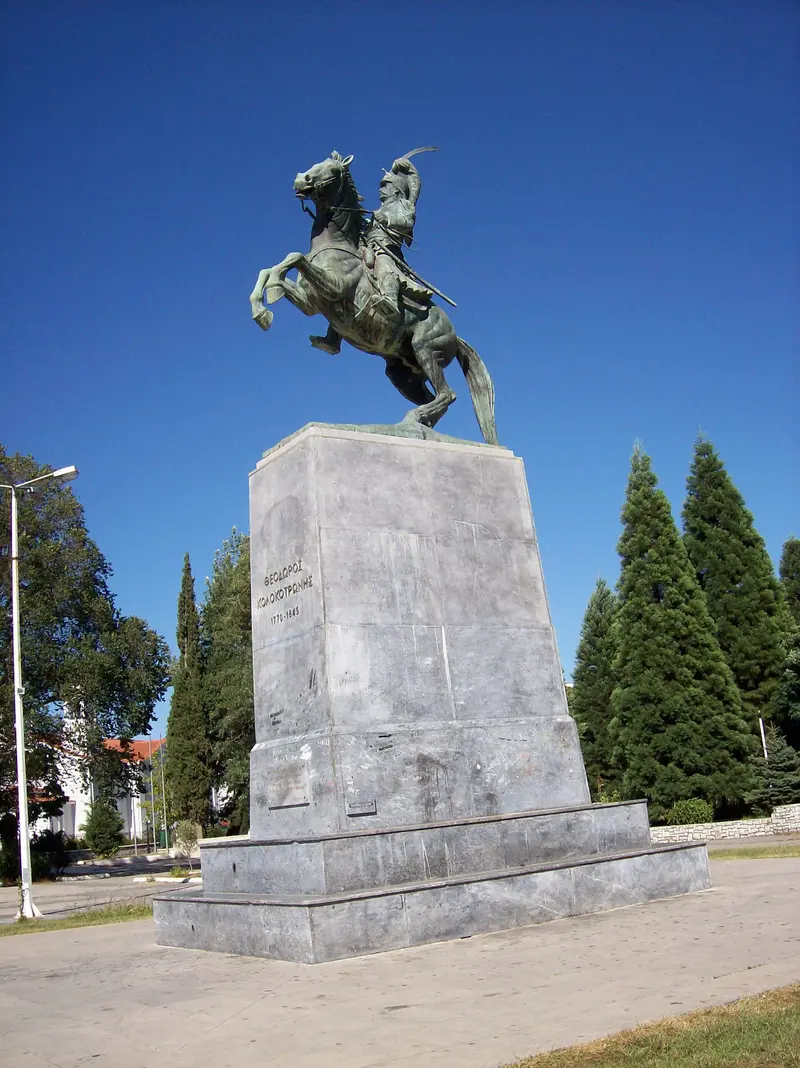
    The Plateia Areos in Tripoli, the capital of Arcadia in the Peloponnese, is one of Greece's largest and most historically significant squares. Named after Ares, the god of war, it commemorates the city's pivotal role in the Greek War of Independence. At the square's center stands the imposing equestrian statue of Theodoros Kolokotronis, one of the most important commanders of the Revolution, surrounded by other busts and monuments honoring local heroes. Here you'll find expansive green spaces, shade-giving trees, and numerous benches inviting you to linger. The square is a vibrant meeting point, lined with neoclassical buildings, cafes, and shops reflecting local life. Our tip: Visit the square in the late afternoon to enjoy the relaxed atmosphere with a coffee and observe the bustling activity. For a quieter exploration of the monuments, the morning is recommended.
    Open in Google Maps

    Pl. Petrinou

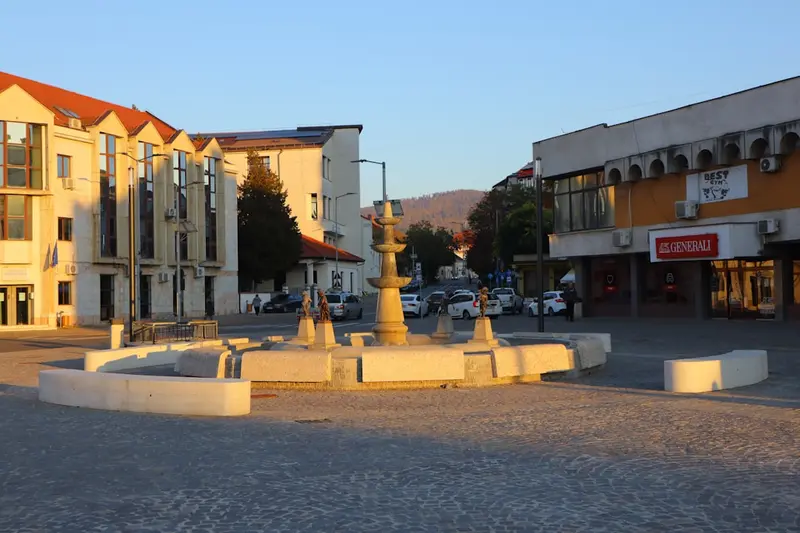
    Platia Petrinou, named after its benefactor Petrinou, forms the historical and social heart of Tripolis in the Peloponnese. Here you'll find an impressive blend of neoclassical architecture, reflecting the city's history. At the heart of the square stands the imposing equestrian statue of Theodoros Kolokotronis, a key figure in the Greek War of Independence. This statue commemorates Tripolis' decisive role in this conflict and serves as an important point of reference for local identity. Around the square, numerous cafés and shops invite you to linger, where you can observe the bustling activity of the locals. The buildings, many from the 19th century, tell stories of bygone eras. Our Tip: Visit the square in the late afternoon, when the sun bathes the facades in warm light and locals begin their evening stroll. For a quieter experience and good architectural photos, an early morning visit is recommended.
    Open in Google Maps

    Dining & Drinks

    Culture, Art & History of the Peloponnese

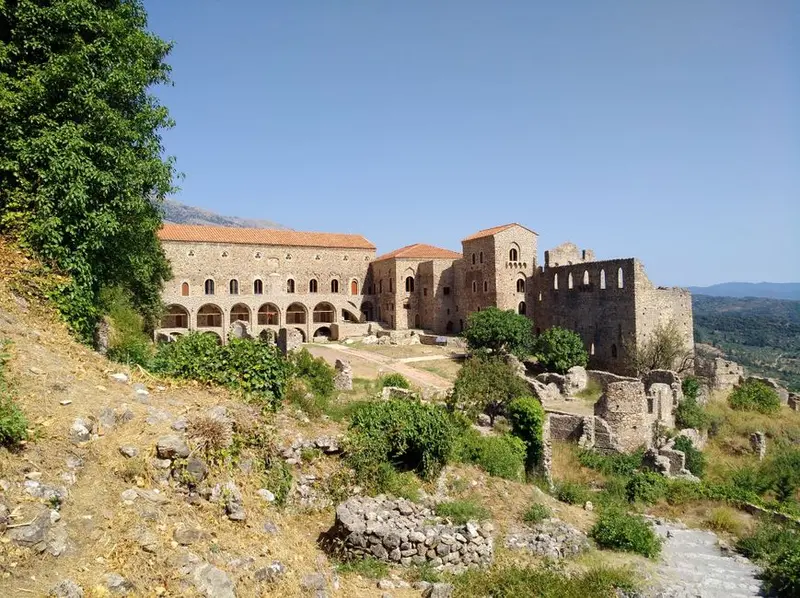
    The Peloponnese, a region of immense historical significance, is the cradle of great civilizations and was the scene of pivotal events that shaped ancient and modern Greece. Its history spans from prehistoric to modern times and continues to shape the peninsula's cultural heritage today.The traces of Mycenaean culture are visible with its monumental fortresses in Mycenae and Tiryns, as are those of classical antiquity, represented by the sanctuaries of Olympia, ancient Sparta, and the Theatre of Epidaurus. Influences of the Romans, Byzantines, Venetians, and Ottomans followed, all leaving their architectural and cultural signatures. This is evident in the well-preserved Byzantine frescoed churches and palaces of the UNESCO World Heritage site Mystras, as well as in the Venetian fortifications of Nafplio, Methoni, and Koroni.Local traditions are deeply rooted in the Greek Orthodox Church, reflected in an abundance of monasteries, chapels, and deeply ingrained festivities. This rich cultural heritage remains vibrant in the peninsula's numerous archaeological sites, historic towns, and regional museums, testifying to an uninterrupted history of settlement and culture.

    Locations nearby

    These places are nearby — perfect for additional days or a day trip.

    Nafplio

    Nafplio

    Immerse yourself in the timeless beauty of Nafplio, one of Greece's most picturesque cities, where Venetian charm meets neoclassical elegance.As the first capital of modern Greece, this place enchants you with its rich history, impressive architecture, and an unparalleled atmosphere that invites you to stroll and linger.
    Mycenae

    Mycenae

    The ancient site of Mycenae, once the center of a powerful Bronze Age civilization, transports you into the world of Agamemnon. You enter the Acropolis through the imposing Lion Gate, a masterpiece of Mycenaean architecture. Explore the massive cyclopean walls and the royal tombs in Grave Circle A. Outside the citadel, the monumental Treasury of Atreus captivates. These ruins offer deep insights into the highly developed Mycenaean culture. Plan your visit for early morning to avoid the midday heat and larger crowds.
    Ancient Epidauros

    Ancient Epidauros

    Ancient Epidaurus on the Peloponnese was an important sanctuary of Asclepius, the god of healing, in antiquity. Here you will find the world-famous Theatre of Epidaurus, known for its exceptional acoustics; even in the highest rows, you can hear a coin drop on the stage. Besides the theatre, explore the Asklepieion with its ruins of temples, baths, and accommodations for the sick who sought healing here. The small on-site museum offers insight into the site's history and archaeological finds. To avoid the heat and the biggest tourist crowds, an early morning or late afternoon visit is recommended. Plan enough time to soak up the peaceful atmosphere of this historic place.
    Corinth

    Corinth

    Welcome to Corinth, a fascinating place where glorious antiquity meets impressive engineering! Here, you'll immerse yourself deep in history, follow in the footsteps of Saint Paul, and marvel at the strategic importance this city once held. Experience a vibrant blend of historic ruins, breathtaking views, and the modern marvel of the Corinth Canal that will captivate you.
    Ancient Olympia

    Ancient Olympia

    The legendary birthplace of the Olympic Games captivates visitors with its impressive ruins and the archaeological museum.