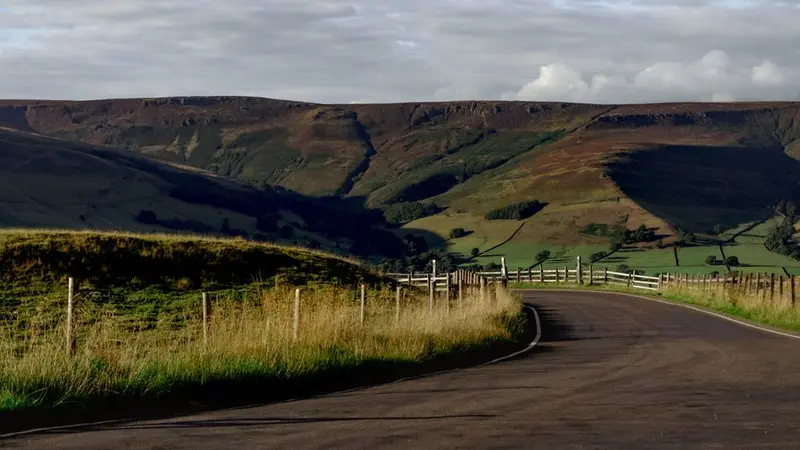
The southern and central region is known for its gentle limestone valleys, picturesque villages, and green meadows, inviting leisurely walks.
Places in White Peak
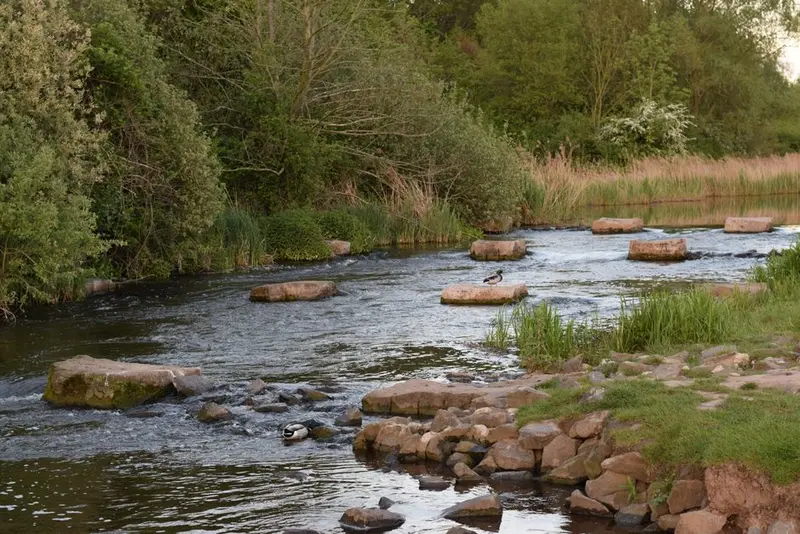
The White Peak is the southern half of the Peak District and the counterpart to the Dark Peak: light limestone instead of dark gritstone, pastures instead of moorland, dry stone walls instead of peat. The limestone formed from a tropical shallow sea in the Carboniferous period, and consequently, fossils are common in the rock.Water disappears underground here, which is why the valleys, the Dales, are often dry. Where the river remains on the surface, as in Lathkill Dale or Dovedale, narrow gorges with unusually species-rich vegetation emerge.The cultural landscape is ancient: Arbor Low, a Neolithic stone circle, is located here, as are the remnants of lead mining, which shaped the region for centuries. Magpie Mine near Sheldon is England's best-preserved lead mine. The paths are lower, gentler, and more accessible year-round than in the north.
Sehenswürdigkeiten
Discover the most important sights and attractions
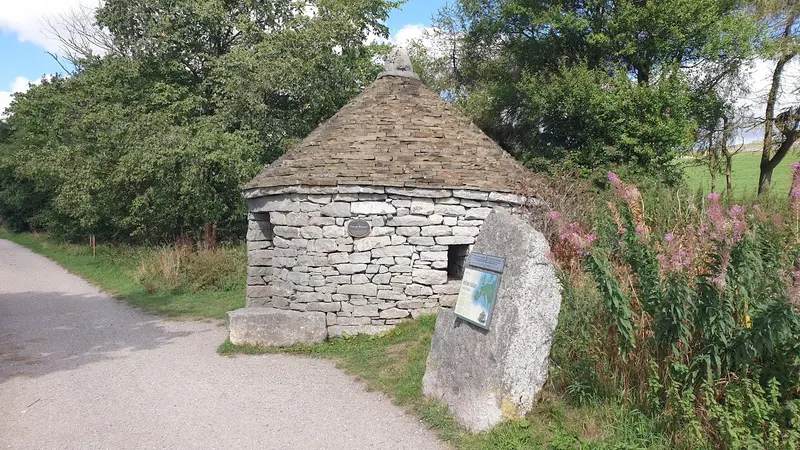
Istrian Stone Shelter
The Istrian Stone Shelter is a simple stone structure located in the picturesque landscape of the White Peak in Great Britain. Here, you'll find basic shelter from the elements, offering a welcome resting place for hikers and nature lovers. Its construction reflects the local availability of stone materials and blends harmoniously into the surroundings. Such shelters are typical for the region, often serving as a refuge from sudden weather changes or as a simple shelter for shepherds and travelers. The unassuming architecture emphasizes functionality and the connection to the rugged nature of the Peak District. It is a place that invites contemplation and underscores the simplicity of rural life. You can pause here and enjoy the tranquility of the surroundings before continuing your exploration.
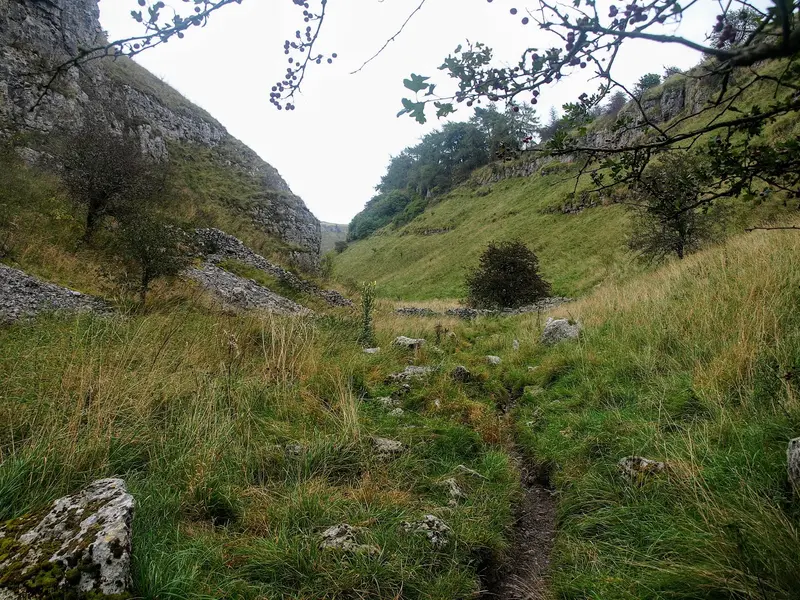
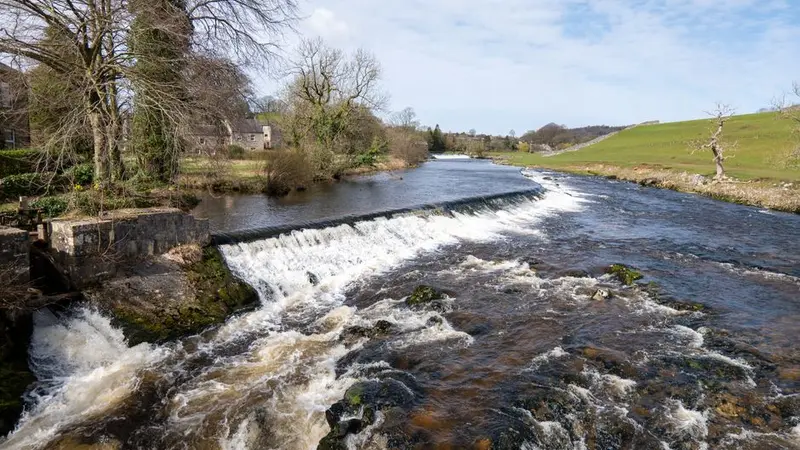
Das Lathkill Dale is an outstanding valley in the heart of the White Peak within the Peak District. Here you'll find an impressive limestone landscape characterized by steep slopes and striking rock formations. The eponymous River Lathkill meanders through the valley, renowned for its exceptionally clear water, which partially flows underground during dry periods. This unique hydrology contributes to the area's special ecology.Lathkill Dale is a designated protected area and home to diverse flora and fauna. While hiking along the river, you can enjoy nature's tranquility and, with a bit of luck, observe rare bird species or other wildlife. Historically, the valley was also a center for lead mining, and you can still discover traces of this industrial past in the landscape today. It offers a combination of natural beauty and insight into local history.
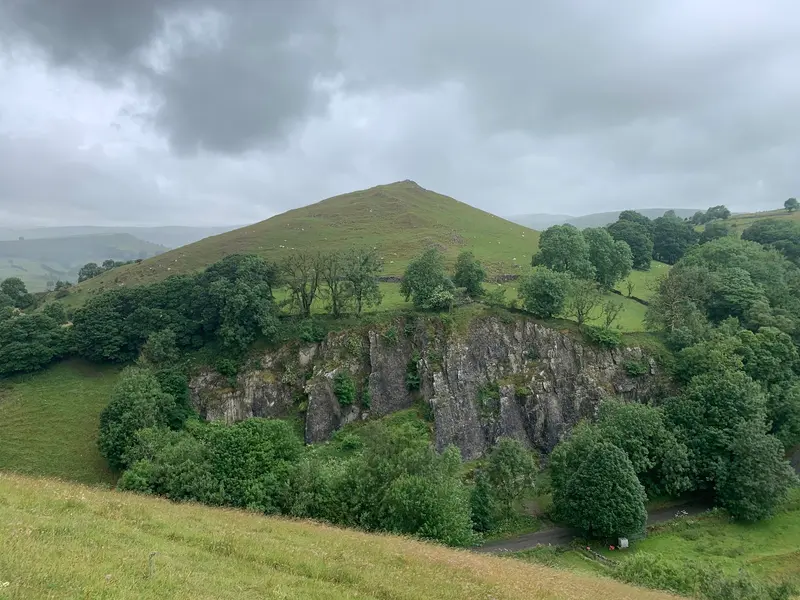
High Wheeldon is a prominent hill in the heart of the White Peak, a region within the Peak District National Park in Great Britain. Its distinctive, often described as conical, shape makes it a striking feature of the landscape. From its summit, you'll be treated to expansive panoramic views over the surrounding rolling hills. From here, you can overlook the gentle contours of the valleys, including the Dove Valley and the Manifold Valley. The geological makeup of the region, shaped by limestone formations, is particularly evident here. The ascent to High Wheeldon is popular among hikers and offers an excellent opportunity to experience the natural beauty and expanse of this area.
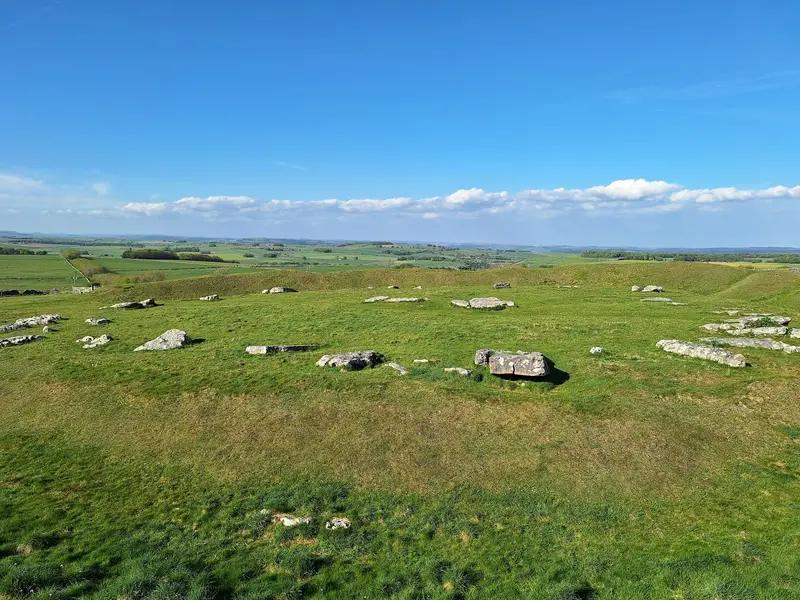
Arbor Low is a significant prehistoric site in the heart of the White Peak, UK. Here you'll find an impressive henge monument, consisting of a circular earthwork and an inner ditch. At the centre of this complex lies a stone circle, whose large limestone blocks now all lie flat on the ground. These recumbent stones lend the site a special, tranquil atmosphere and invite contemplation. It is believed that Arbor Low served as a ceremonial meeting place during the Neolithic Age and played an important role for the communities of that time. The complex is a valuable testament to early human settlement and ritual practices in this region. A visit offers you the opportunity to delve into the distant past and enjoy the vast landscape where this monument has rested for millennia.
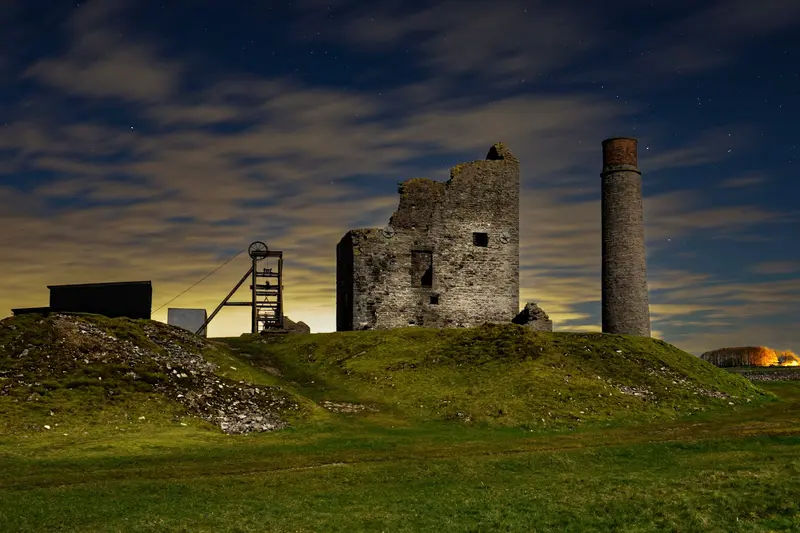
The Magpie Mine in the White Peak is a significant testament to Great Britain's lead mining history. Here you'll find one of the best-preserved historical mine sites in the region, offering deep insight into the hard work and technological developments of mining.Particularly striking is the preserved engine house, which once housed the pumps and winding gear. The history of Magpie Mine is closely linked to the economic and social conditions of lead mining and was the scene of conflicts between rival mining companies.These disputes led to a famous legal confrontation known as the "Great Murder Case". Today, you can explore the surface structures that bear witness to its former activity, including shafts, spoil heaps, and the foundations of other buildings. The site provides a clear picture of the industrial past of the Peak District.
In White Peak you'll find local restaurants, cafés and markets with regional specialities. Taste your way through the dishes typical of the region.
Culture & History
White Peak is shaped by its history, local traditions and the everyday life of its people. Architecture, customs and regional character define the place.
Excursions & Activities
Recommended activities
Around White Peak there are rewarding day trips and activities – from sights and nature to the surrounding area.
Accommodations in White Peak
Accommodation
Places to stay
In and around White Peak there are places to stay across different categories and price ranges – from simple to comfortable.
These places are nearby — perfect for additional days or a day trip.
Bakewell
Bakewell, a historic market town in the heart of the Peak District, is picturesquely situated on the River Wye. Here you'll find traditional architecture, a medieval bridge, and the imposing All Saints Church. The town is globally renowned as the birthplace of the Bakewell Pudding, a local specialty whose origins date back to the 19th century. Every Monday, a traditional market enlivens the streets, offering local products and handicrafts, continuing the town's long market history. Visit the Bakewell Old House Museum to learn more about local history, or stroll along the river and soak up the rural atmosphere. A practical tip: To avoid the crowds and explore the surroundings peacefully, a visit outside peak season or on a weekday without a market is recommended.
Dovedale
Ein idyllisches Tal mit dramatischen Kalkstein-Felsformationen und den berühmten Trittsteinen über den River Dove, ein beliebtes Ziel für Wanderer.
Buxton
Buxton, a historic spa town in Derbyshire, is renowned for its thermal springs and impressive architecture. The Buxton Crescent, a masterpiece of Georgian architecture, attests to its rich spa heritage and now houses a luxurious hotel and thermal spa. You'll also find the imposing Devonshire Dome here, once stables, now part of the university, as well as the picturesque Pavilion Gardens with their Victorian greenhouses and the Buxton Opera House. At St Ann's Well, you can taste the famous spring water that has attracted visitors for centuries. The town also serves as an ideal gateway to the Peak District National Park, inviting you to hikes and explorations, such as the nearby Pooles Cavern. For a relaxed atmosphere, a visit in spring or autumn is recommended, to experience the town and the surrounding nature without the largest crowds.
Peak District National Park
The Peak District National Park, Britain's first national park, is a breathtaking landscape of contrasting moors, valleys, and imposing limestone formations.It invites you to explore the wild beauty of nature and offers countless opportunities for adventure and relaxation in its unique hilly landscape.
Castleton
Castleton, nestled in the heart of the Peak District National Park, combines picturesque village charm and geological wonders. Here you'll find the famous show caves Blue John Cavern and Speedwell Cavern, offering insights into the karst landscape. Above the village are the imposing ruins of Peveril Castle, a Norman fortress offering sweeping views over the Hope Valley. The region is also known for the rare mineral Blue John, mined in local caves and crafted into jewellery. For hiking enthusiasts, the nearby Mam Tor offers spectacular panoramas. To avoid large crowds, visit during the week or in the off-season. Plan at least half a day to explore the caves and castle at your leisure.