Fernweh: Home
    ExploreTravel GuidesPlan a tripMy tripLast visited
    de|en
    All Places & RegionsAll highlightsAbout FernwehFAQPrivacy PolicyImprint
    ExploreTravel GuidesPlan a tripMy tripLast visited
    • Neighborhoods & highlights
    • Walking tours
    • Eat & drink
    • Food culture
    • Culture
    • Getting around
    • Accommodation
    • Plan trip
    • Nearby
    Brescia

    Italy

    Brescia

    CityCulture

    Brescia, Lombardy's second-largest city, is often overlooked despite possessing significant Roman structures.

    by Felix Gillen

    1. Home
    2. Destinations
    3. Italy
    4. Lombardy
    5. Brescia
    Brescia, Lombardy's second-largest city, is often overlooked despite possessing significant Roman structures. The Capitolium (with its Roman Theatre) and the Longobard Monastery of Santa Giulia are UNESCO World Heritage sites; it also boasts Renaissance squares, two cathedrals, and a castle above the old town.

    Sights in Brescia

    Discover the most important sights and attractions

    Museo di Santa Giulia
    Museum

    1Museo di Santa Giulia

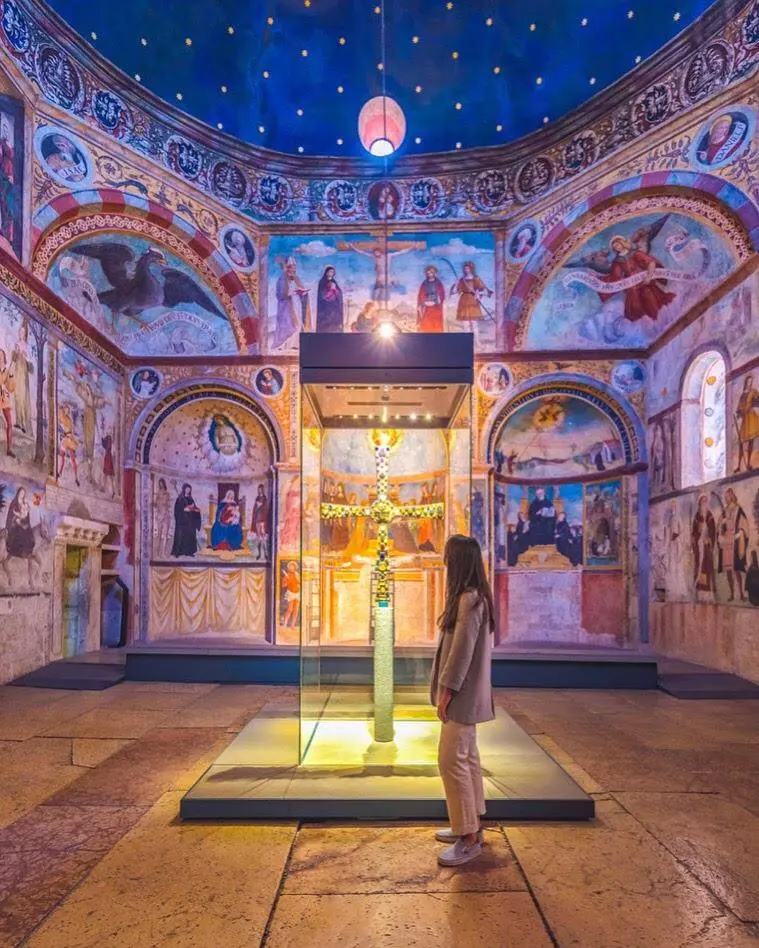
    The City Museum is housed in a monastery, whose core is the Church of San Salvatore, founded by Desiderius in 753. The tour leads from the Roman bronze statue of the goddess of victory, found in 1826 in the Capitolium, through the Lombard church to the Church of Santa Maria in Solario with the Cross of Desiderius, set with 212 stones. The monastery is part of the UNESCO World Heritage site "Longobards in Italy".
    Open in Google Maps
    Capitolium and Archaeological Park Brixia
    Museum

    2Capitolium and Archaeological Park Brixia

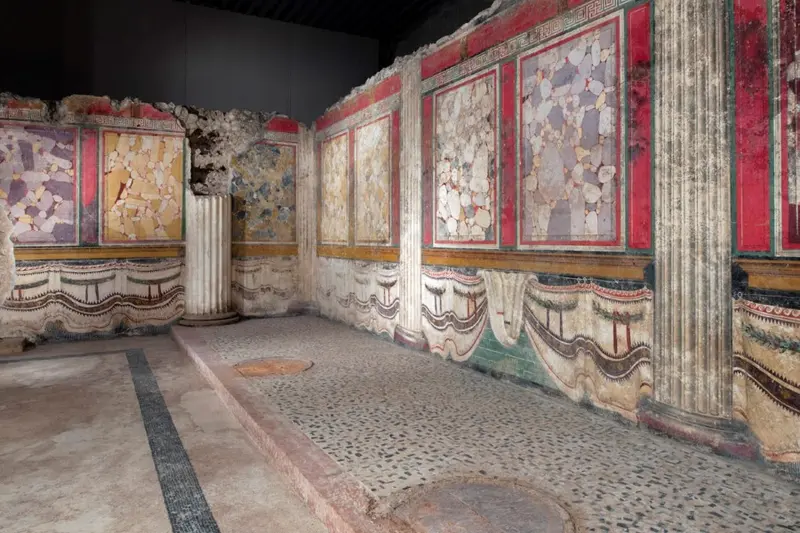
    The temple, dating from 73 AD, was erected under Emperor Vespasian at the forum of Roman Brixia, later buried by a landslide and rediscovered in 1823. It replaced an older Republican sanctuary from the 1st century BC. The archaeological park also includes the Roman theatre. The area, like Santa Giulia, is a UNESCO World Heritage site.
    Open in Google Maps
    Duomo Vecchio
    Church

    3Duomo Vecchio

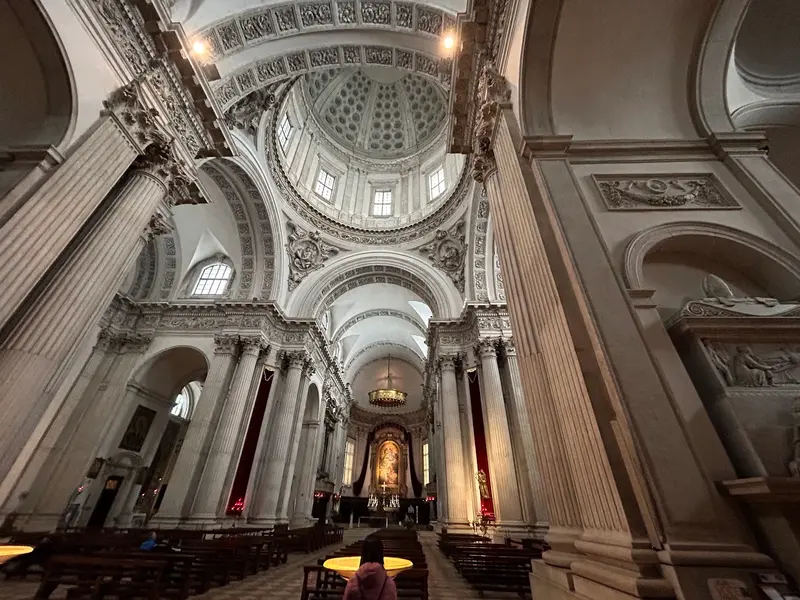
    The Romanesque round building from the 11th century is also called La Rotonda. Right next to it stands the Duomo Nuovo, built from 1604 to 1825, an unusual juxtaposition of two cathedrals.
    Open in Google Maps
    Piazza della Loggia
    Attraction

    4Piazza della Loggia

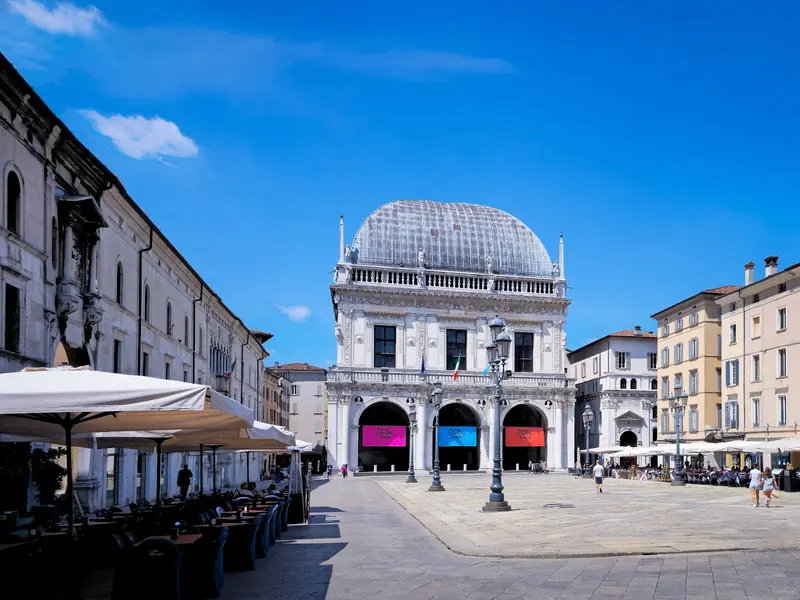
    The Renaissance Square, with the Palazzo della Loggia, now the City Hall, clearly shows its Venetian influence. On the Clock Tower, a mid-16th century astronomical clock shows the time, and two copper figures strike the hours. On May 28, 1974, a bomb exploded here, killing nine people.
    Open in Google Maps
    The Castle of Brescia
    Castle

    5The Castle of Brescia

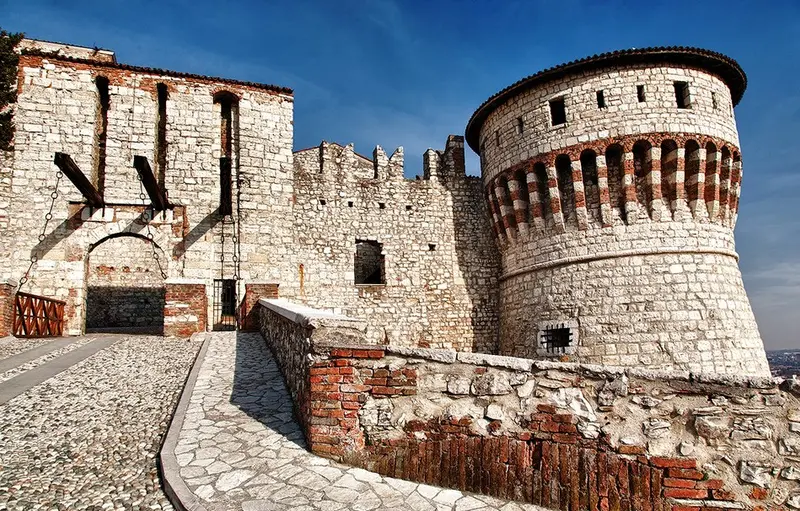
    The fortress on Cidneo Hill above the Old Town was expanded between the 13th and 16th centuries. The grounds house the Luigi Marzoli Weapons Museum, a Risorgimento Museum, a model railway exhibition, and an observatory.
    Open in Google Maps

    City walks in Brescia

    Curated walking tours through the city's highlights, handpicked by experienced travel journalists.

    Brescia: A Journey Through the City's History

    On this pleasant walk, discover Brescia's rich history, from Roman antiquity through the Renaissance to the modern era. Immerse yourself in the charming lanes and impressive squares that are part of the UNESCO World Heritage, and experience the authentic Italian flair.

    ~2 Std. 20 Min.
    Open in Google Maps
    Stops (6)

    Food and Drink

    1

    Osteria Al Bianchi

    A traditional osteria just a few steps from Piazza della Loggia, part wine bar, part restaurant. The menu features Brescian classics like Casoncelli; with their wine, many locals here enjoy Pirlo, the local Spritz variant.
    Show on Google Maps
    2

    La Vineria

    Restaurant on Via X Giornate in the center, near Piazza della Loggia, with Italian cuisine.
    Show on Google Maps
    3

    G.a. Porteri

    Trattoria in the north of the city on Via Trento with Italian and regional cuisine.
    Show on Google Maps

    Eating & Drinking in Brescia

    Brescia offers a diverse culinary scene, ranging from rustic Lombard specialties to modern culinary approaches. Discover traditional trattorias serving local dishes like Casoncelli alla Bresciana, or try innovative concepts such as BirraLab & Pastrameria with its artisanal offerings.

    Casoncelli alla bresciana

    Stuffed dumplings, in their simplest form filled with breadcrumbs, butter, and Grana Padano, served with melted butter, sage, and generous Grana Padano.

    Spiedo bresciano

    Various meats like pork, chicken, and rabbit, spit-roasted with potatoes and sage, and served with polenta.

    Pirlo

    The Brescian aperitif is related to the Spritz, but is mixed with still white wine.

    Franciacorta

    Sparkling wine with DOCG status from the hilly landscape between Brescia and Lake Iseo.

    Culture, Art & History of Brescia

    Brescia was an important Roman city, known as Brixia. From this era date the Capitolium, a temple from 73 AD, and the Roman theatre. In 753, the future Lombard King Desiderius and his wife Ansa had the Church of San Salvatore built, which became the core of the later Santa Giulia Monastery. This monumental area and the monastery have been a UNESCO World Heritage site, 'The Lombards in Italy', since 2011.From 1426 until its conquest by Napoleon, Brescia belonged to the Republic of Venice, visible primarily in the Piazza della Loggia with its Renaissance palace. The city preserves buildings from many eras in a confined space: Roman ruins, the Romanesque Rotonda, the New Cathedral built from 1604 to 1825, and the castle on Cidneo Hill.

    On the Way in Brescia

    Metro and BusBrescia has had a metro line since 2013 with 17 stations between Prealpino and Buffalora, connecting the train station with the Old Town. City buses complement the network.On FootThe Old Town is small and easily explored on foot. Stairs and footpaths lead up to the Castle.Getting ThereHigh-speed trains reach Brescia from Milan in about 35 minutes.

    Accommodations in Brescia

    Find perfect stay in Brescia

    Booking.com* (Affiliate link)
    Search Hotels
    Agoda* (Affiliate link)
    Search Hotels
    Airbnb
    Vacation Rentals

    * Affiliate link: if you book through it, we earn a small commission. The price stays the same for you.

    Campgrounds in Brescia

    Find perfect campground in Brescia

    Search via Google Maps
    Campgrounds nearby (15km)
    Camping.info
    Find Campgrounds
    Park4Night
    RV Parks & Camping

    Plan your trip to Brescia

    Save places, build a route and plan your city trip, all in one place.

    1. 1
      Sunrise over alpine peaks and a sea of clouds
      1234

      Round trip

      12 days · 4 stops

      Saved

      Pick a route

      Pick a ready-made one or save places and plan your own.

      Open bookmarks
    2. 2

      Trip to Brescia

      Live
      • 1Museo di Santa Giulia3 days
      • 2Capitolium and Archaeological Park Brixia4 days
      • 3Duomo Vecchio5 days
      Budget

      Plan your trip

      The planner sorts stops, days and budget. Plan together in real time.

      Start trip planning
    3. 3
      9:41 No signal
      Brescia
      Available offline

      Use it on the road

      Download the guide to your phone and use it on site, even offline.

    Nearby

    Sirmione

    Sirmione

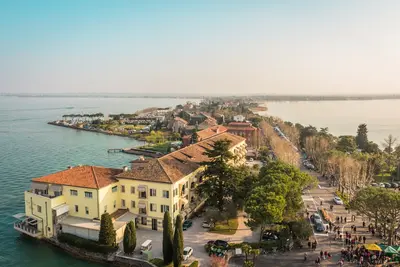
    Sirmione sits on a narrow, four-kilometer peninsula on Lake Garda's southern shore. Enter the traffic-calmed old town through Scaliger Castle's gate; its northern tip holds the ruins of a Roman villa, and a hot thermal spring in the lake makes it a spa resort.
    Lombardy

    Lombardy

    Lombardy stretches from the Alps, across the great pre-Alpine lakes, into the Po Valley. Besides Milan, art cities like Bergamo, Brescia, Mantua, and Pavia, as well as Lake Como, Lake Iseo, and Lake Garda, define the region.
    Bergamo

    Bergamo

    Bergamo consists of two cities: the medieval Upper Town, Città Alta, on a hill, encircled by Venetian walls, and the larger Lower Town, Città Bassa. The two are connected by a funicular.
    Verona

    Verona

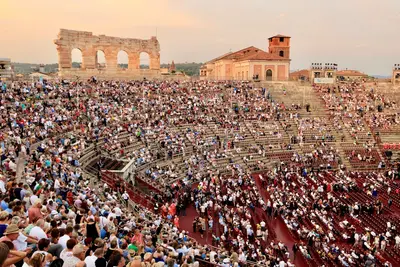
    Verona is situated on the Adige River and, with approximately 255,000 inhabitants, is the largest city in Veneto. Its Old Town, featuring Roman and medieval buildings, has been a UNESCO World Heritage site since 2000.Romans and ScaligersFrom Roman times date the Arena and Ponte Pietra, while Piazza delle Erbe lies above the former forum. In the 13th and 14th centuries, the Della Scala family ruled; Castelvecchio, Ponte Scaligero, and the Scaliger Tombs bear witness to their reign. From 1405, Verona belonged to Venice, predominantly to Austria in the 19th century, and joined Italy in 1866.Opera and LiteratureIn summer, the Opera Festival transforms the Arena into an open-air stage. Three of Shakespeare's plays are set in Verona, including “Romeo and Juliet”. The Casa di Giulietta is a popular destination; however, its historical connection is a later attribution, and the balcony was only added in the 1930s.SurroundingsIn the hills north of the city lies the Valpolicella wine region, home to Amarone.
    Mantua (Mantova)

    Mantua (Mantova)

    Mantua, set on three lakes formed by the Mincio, was the seat of the Gonzaga for almost four centuries. Their palaces, with frescoes by Mantegna and Giulio Romano, make the small city a Renaissance hub; since 2008, it has been a UNESCO World Heritage site along with Sabbioneta.

    Sources & method

    • Photos: Unsplash, Google Maps. Each photo carries its credit.
    • Place data such as addresses and ratings comes from Google Maps.
    • The content is based on web research from public, traceable sources. How the content is made · The role of AI