Fernweh: Home
    ExploreTravel GuidesPlan a tripMy tripLast visited
    de|en
    All Places & RegionsAll highlightsAbout FernwehFAQPrivacy PolicyImprint
    ExploreTravel GuidesPlan a tripMy tripLast visited
    • Neighborhoods & highlights
    • Walking tours
    • Eat & drink
    • Food culture
    • Culture
    • Getting around
    • Accommodation
    • Plan trip
    • Nearby
    Noto

    Italy

    Noto

    CityCulture

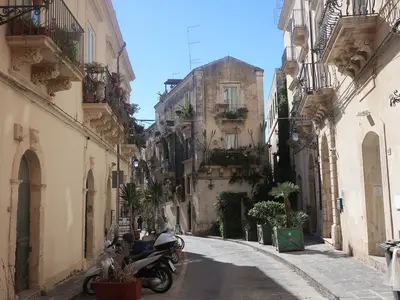
    Noto, in southeastern Sicily, 30 km from Syracuse, is considered a prime example of Sicilian Baroque. After the 1693 earthquake, the city was rebuilt 8 km from its old site, with squares, staircases, and light stone palaces.

    by Felix Gillen

    1. Home
    2. Destinations
    3. Italy
    4. Sicily
    5. Noto
    Noto, in southeastern Sicily, 30 km from Syracuse, is considered a prime example of Sicilian Baroque. After the 1693 earthquake, the city was rebuilt 8 km from its old site, with squares, staircases, and light stone palaces. Since 2002, it and other Val di Noto Baroque towns are UNESCO World Heritage sites. Along Corso Vittorio Emanuele are the Cathedral, palaces, and churches. Nearby are the Vendicari Nature Reserve and the ruins of Noto Antica.

    Sights in Noto

    Discover the most important sights and attractions

    San Nicolò Cathedral
    Church

    1San Nicolò Cathedral

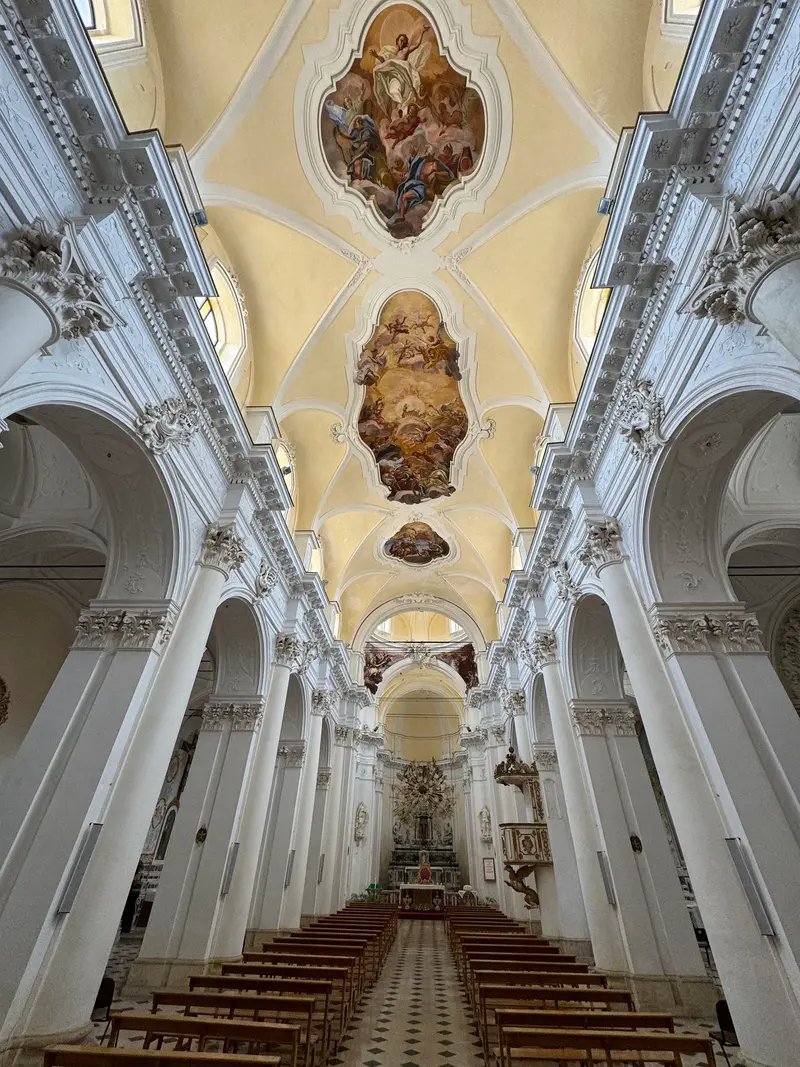
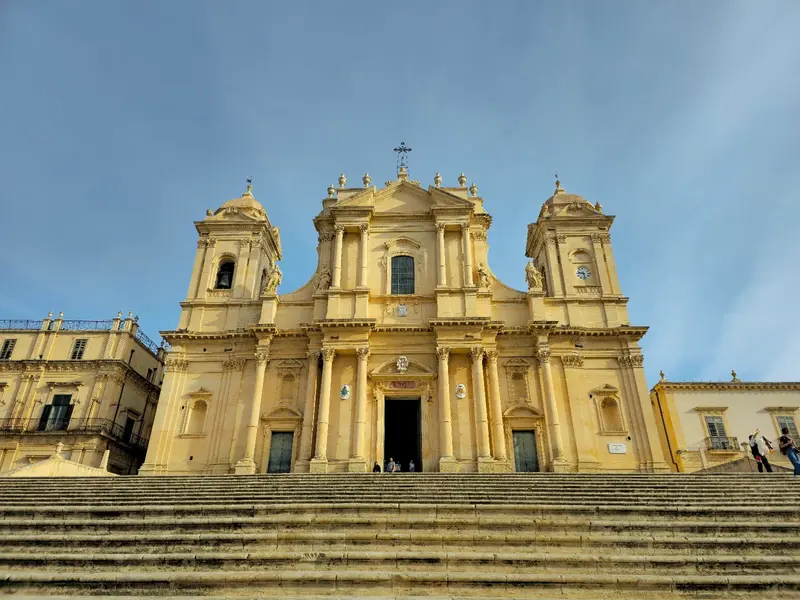
    Baroque Cathedral above a wide grand staircase on Corso Vittorio Emanuele, built after the 1693 earthquake. In 1996, the dome collapsed due to a structural flaw; after reconstruction, the church reopened in 2007. Opposite is the Town Hall in Palazzo Ducezio with its arched facade.
    Open in Google Maps
    Porta Reale
    Historic Landmark

    2Porta Reale

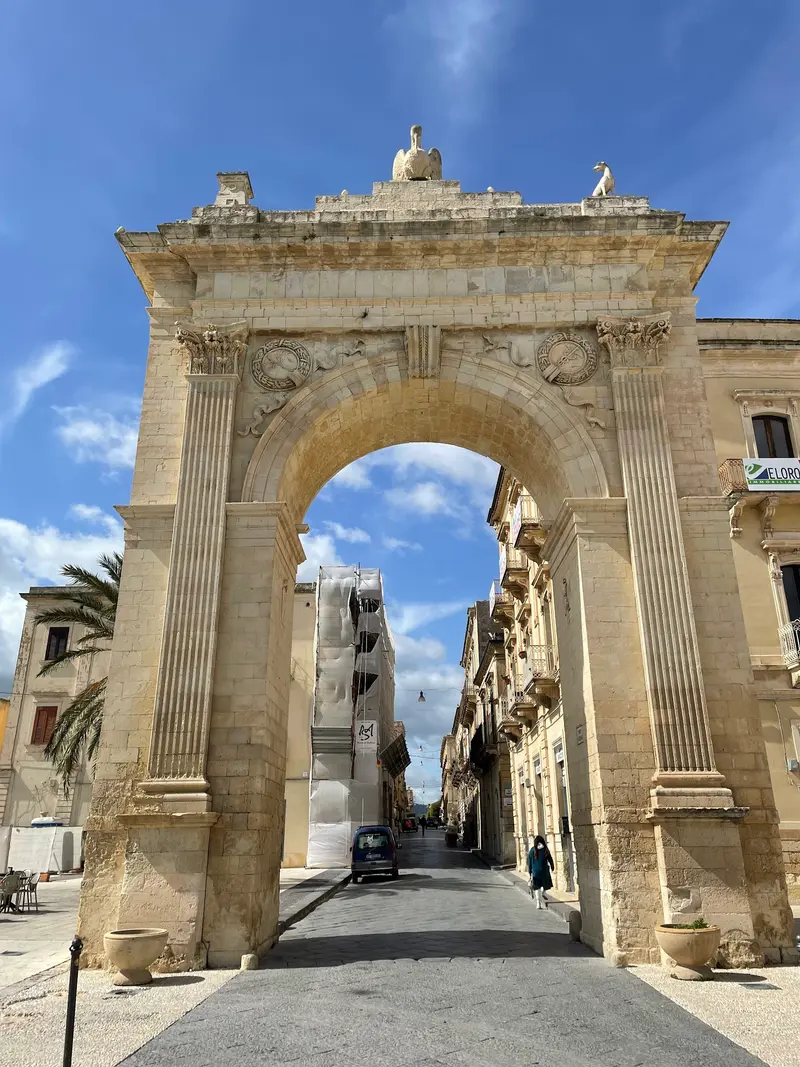
    Neoclassical triumphal arch, completed in 1838 for Bourbon King Ferdinand II's visit. Here begins the walk along the Corso through the baroque center.
    Open in Google Maps
    San Carlo al Corso
    Church

    3San Carlo al Corso

    Baroque church on the Corso, designed by Rosario Gagliardi. From the bell tower terrace, you look out over the city's rooftops and domes; Michelangelo Antonioni filmed a scene from "L'Avventura" here.
    Open in Google Maps
    Palazzo Nicolaci
    Attraction

    4Palazzo Nicolaci

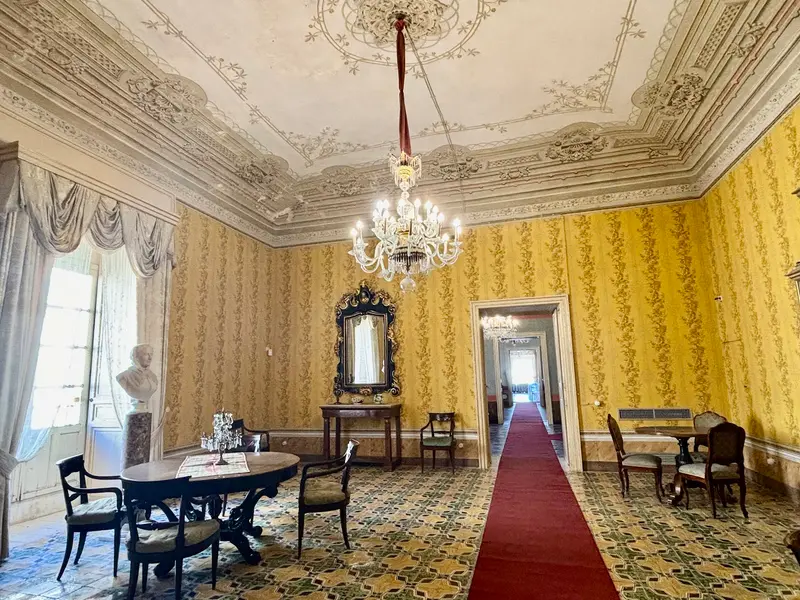
    Baroque palace of the Princes of Villadorata on Via Corrado Nicolaci, known for its balconies, whose stone corbels are shaped as lions, winged horses, centaurs, chimeras, and sirens. In the street outside, the Infiorata takes place every May, where images of flowers are laid on the paving.
    Open in Google Maps
    San Domenico
    Church

    5San Domenico

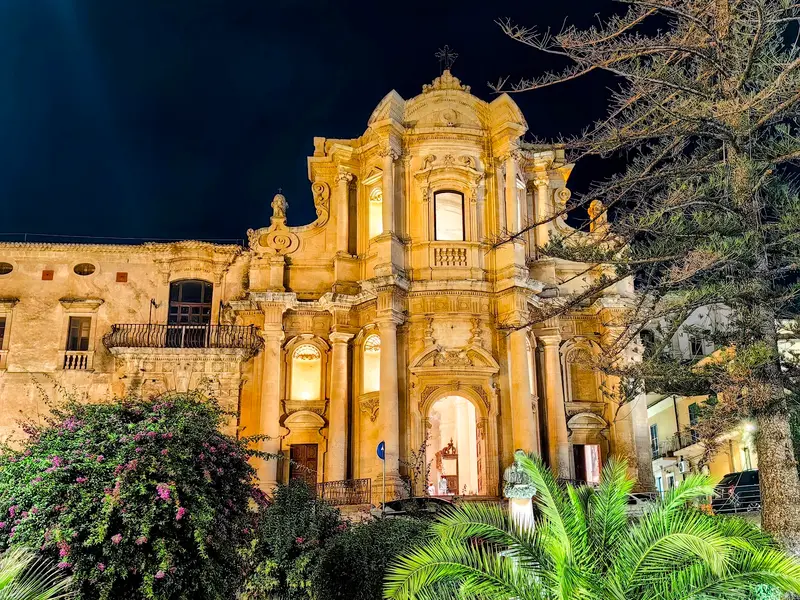
    Church on Piazza XVI Maggio, built between 1703 and 1727 by Rosario Gagliardi; the central part of the two-story facade bows outwards to the street. In front of it is a small garden with the Hercules Fountain.
    Open in Google Maps
    Noto Antica
    Attraction

    6Noto Antica

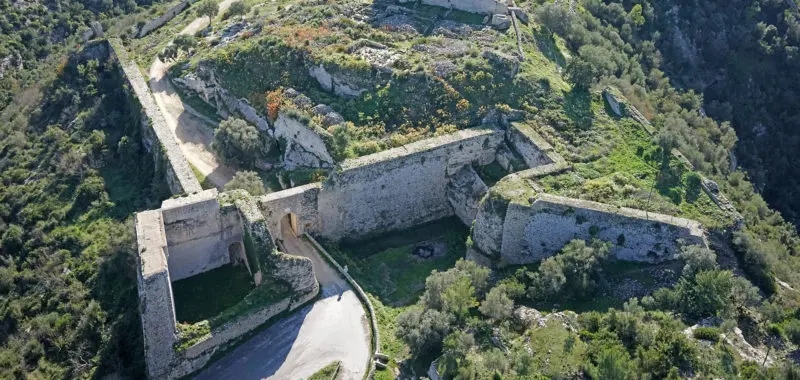
    Ruins of the ancient city of Noto on Monte Alveria, approximately nine kilometers north of the present-day city, which was destroyed in the 1693 earthquake and subsequently abandoned.
    Open in Google Maps

    City walks in Noto

    Curated walking tours through the city's highlights, handpicked by experienced travel journalists.

    Baroque Noto: A Walk Through Dreams Turned to Stone

    Experience the breathtaking beauty of Noto, the jewel of Sicilian Baroque. This 2-hour walk leads you through the elegant streets, past sumptuous palaces and impressive churches that are part of the UNESCO World Heritage. Immerse yourself in the golden splendour of a unique rebirth.

    ~2 Std.
    Open in Google Maps
    Stops (6)

    Food & Drink

    1

    Pasta Fresca da Sabrina

    Italian restaurant with its own pasta production on Via Roma, below the Corso.
    Show on Google Maps
    2

    Casamatta

    Restaurant and pizzeria on Via Tommaso Fazello in the upper part of the Old Town.
    Show on Google Maps
    3

    Pizzeria Da Marcello

    Pizzeria on Via dei Mille in the northern part of the city, above the city center; also delivery service.
    Show on Google Maps

    Dining and Drinks

    The area around Noto is known for almonds, wine, and sweets. You'll find restaurants on the Corso and in the streets above it.

    Almonds from Avola

    The flat almonds from nearby Avola are particularly popular for confectionery and pastries.

    Granita

    Semifreddo of almonds, lemons or other fruits, in summer for breakfast with brioche.

    Cassata and Cannoli

    Sicilian ricotta desserts you'll find in the city's pasticcerie.

    Nero d'Avola and Moscato di Noto

    The red wine Nero d'Avola bears the name of the neighboring town; the sweet Moscato di Noto is its own DOC.

    History and Culture

    Reconstruction After the EarthquakeThe earthquake of January 11, 1693, destroyed large parts of southeastern Sicily, including old Noto on Monte Alveria. The city was subsequently rebuilt in a new location, about eight kilometers away, on the slopes of Monte Meti. Architects such as Rosario Gagliardi, Vincenzo Sinatra, and Paolo Labisi shaped the cityscape.Val di NotoSince 2002, Noto has been part of the UNESCO World Heritage site "Late Baroque Towns of the Val di Noto," along with cities like Ragusa, Modica, Scicli, and Catania. In 1996, the cathedral's dome collapsed; the church reopened in 2007.InfiorataSince 1980, every year on the third Sunday in May, artists have been creating images from flower petals on the pavement of Via Corrado Nicolaci, each year with a different theme.

    Exploring locally

    On FootExplore the historic center on foot; stairs can make some routes challenging.Bus and TrainNoto is located on the Syracuse–Modica–Ragusa railway line; regional buses also operate to Syracuse. Plan return journeys in advance, as connections are not very frequent.SurroundingsA car is practical for Vendicari, Noto Antica, and other Baroque towns like Modica and Ragusa. Further nearby destinations include the fishing villages of Marzamemi and Portopalo on the island's southern tip.

    Accommodations in Noto

    Find perfect stay in Noto

    Booking.com* (Affiliate link)
    Search Hotels
    Agoda* (Affiliate link)
    Search Hotels
    Airbnb
    Vacation Rentals

    * Affiliate link: if you book through it, we earn a small commission. The price stays the same for you.

    Campgrounds in Noto

    Find perfect campground in Noto

    Search via Google Maps
    Campgrounds nearby (15km)
    Camping.info
    Find Campgrounds
    Park4Night
    RV Parks & Camping

    Plan your trip to Noto

    Save places, build a route and plan your city trip, all in one place.

    1. 1
      Sunrise over alpine peaks and a sea of clouds
      1234

      Round trip

      12 days · 4 stops

      Saved

      Pick a route

      Pick a ready-made one or save places and plan your own.

      Open bookmarks
    2. 2

      Trip to Noto

      Live
      • 1San Nicolò Cathedral3 days
      • 2Porta Reale4 days
      • 3San Carlo al Corso5 days
      Budget

      Plan your trip

      The planner sorts stops, days and budget. Plan together in real time.

      Start trip planning
    3. 3
      9:41 No signal
      Noto
      Available offline

      Use it on the road

      Download the guide to your phone and use it on site, even offline.

    Nearby

    Syracuse

    Syracuse

    Syracuse on the southeast coast of Sicily was in antiquity one of the most powerful cities in the Greek world. The old town is located on the small island of Ortigia: alleys, Baroque palaces and the Cathedral, which was built into a Greek temple of Athena. On the mainland are the Neapolis archaeological park with its large Greek Theatre and the Paolo Orsi Archaeological Museum. Together with the Rock Necropolis of Pantalica, Syracuse has been a UNESCO World Heritage site since 2005. Ortigia is well-suited for accommodation.
    Ragusa Ibla

    Ragusa Ibla

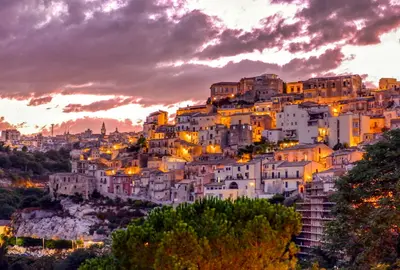
    Ragusa Ibla is one of the two parts of Ragusa's old town in southeastern Sicily. It lies on a hill east of the city and was rebuilt on its ancient site after the 1693 earthquake, while a new upper town arose on the higher ground above. Narrow streets, staircases, and alleys still follow its medieval layout. Together with the upper town, Ibla is one of the late Baroque towns of the Val di Noto, which have been a UNESCO World Heritage site since 2002.
    Catania

    Catania

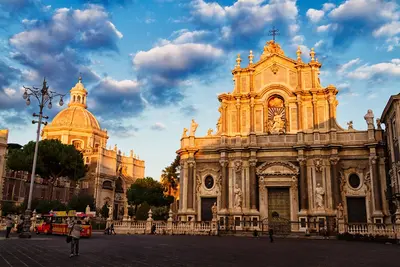
    Catania is Sicily's second-largest city, located on the east coast at the foot of Mount Etna. Following the major eruption of 1669 and the earthquake of 1693, the old town was rebuilt in Baroque style, often using dark lava rock. Since 2002, it has been part of the UNESCO World Heritage site of the Baroque Towns of Val di Noto. Its focal point is the Piazza del Duomo, featuring the Elephant Fountain and the Cathedral; just next to it is the fish market. In the evenings, many gather in the old town around Via Crociferi. The city's airport serves as a starting point for many travelers exploring Eastern Sicily and Mount Etna.
    Etna

    Etna

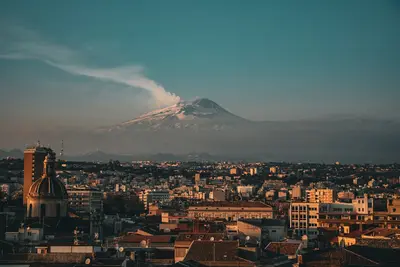
    Mount Etna, on the eastern coast of Sicily, is Europe's highest active volcano, standing over 3,300 meters tall; its exact height changes by several dozen meters with each eruption. Since 2013, it has been a UNESCO World Heritage site. On the south side, a road leads up to nearly 2,000 meters and a cable car to around 2,500 meters. You hike over cooled lava flows, past secondary craters, and gaze out from the upper slopes over the Ionian Coast. On the lower slopes, wine, pistachios, and fruit grow in fertile volcanic soil.
    Taormina

    Taormina

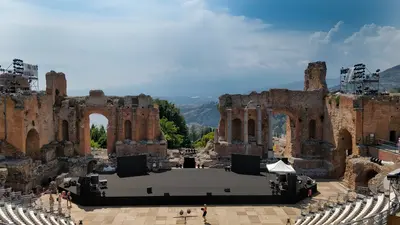
    Taormina is located on the east coast of Sicily, about 200 meters above the Ionian Sea, between Messina and Catania. From here, views stretch along the coast to Mount Etna. Its main attraction is the ancient theatre, originally built by the Greeks and later modified by the Romans. The Corso Umberto runs through the old town, passing palaces, churches, and Piazza IX Aprile. Below the town are Mazzarò and the bay of Isola Bella. Since the 19th century, Taormina has been an international resort; it is accordingly crowded in summer.

    Sources & method

    • Photos: Unsplash, Google Maps. Each photo carries its credit.
    • Place data such as addresses and ratings comes from Google Maps.
    • The content is based on web research from public, traceable sources. How the content is made · The role of AI