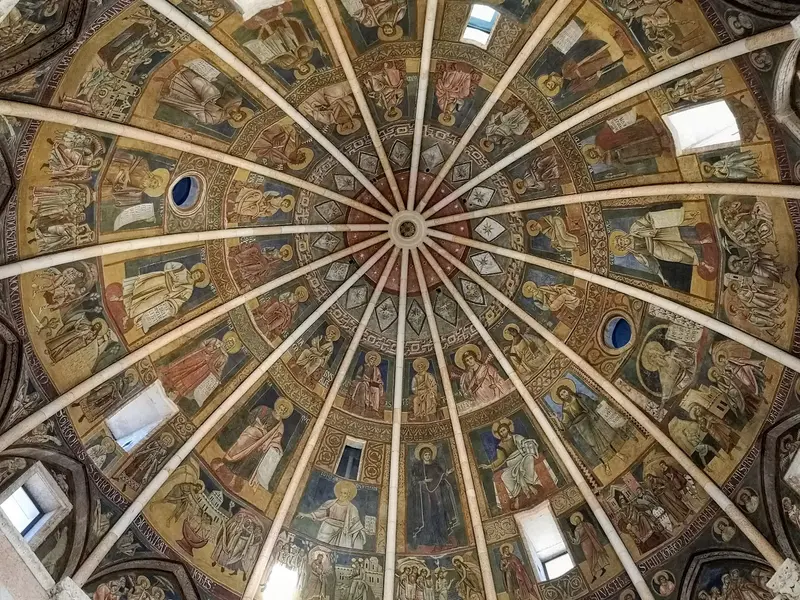
Home to Parmigiano Reggiano and Prosciutto di Parma, this elegant city is a haven for food lovers and captivates with a magnificent cathedral and an imposing baptistery.
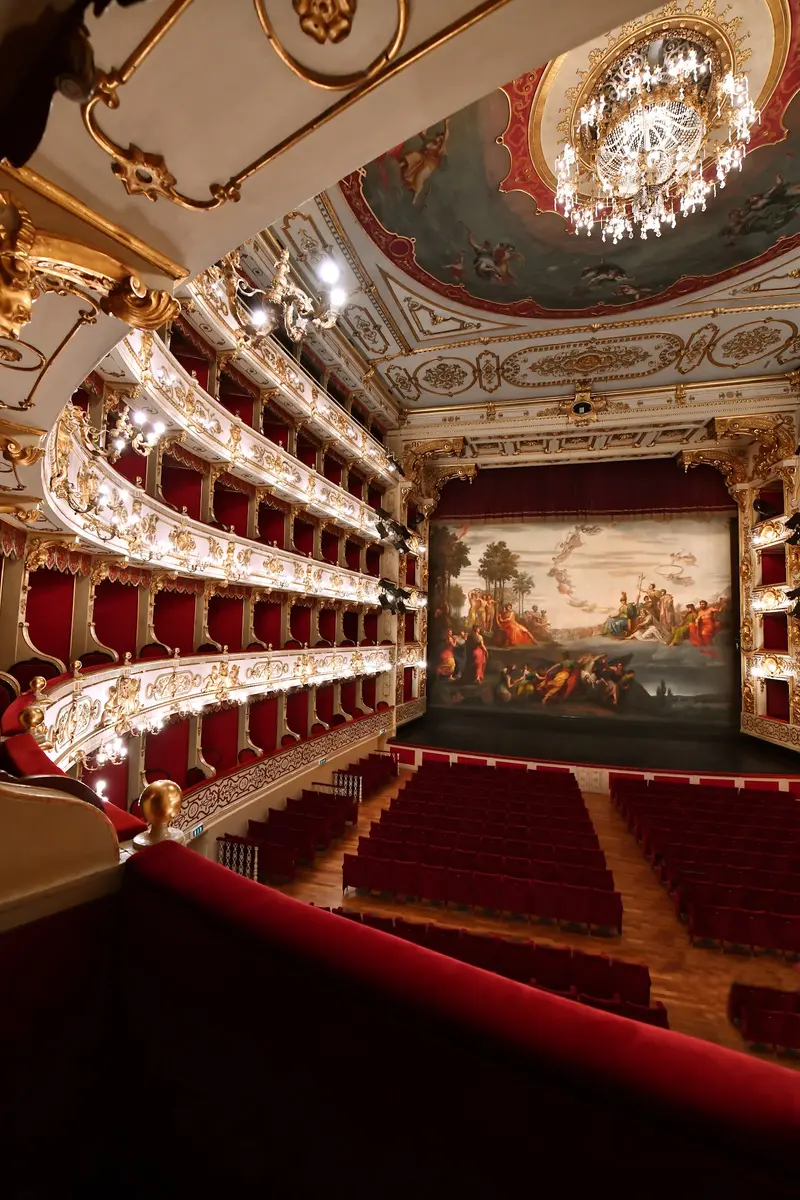
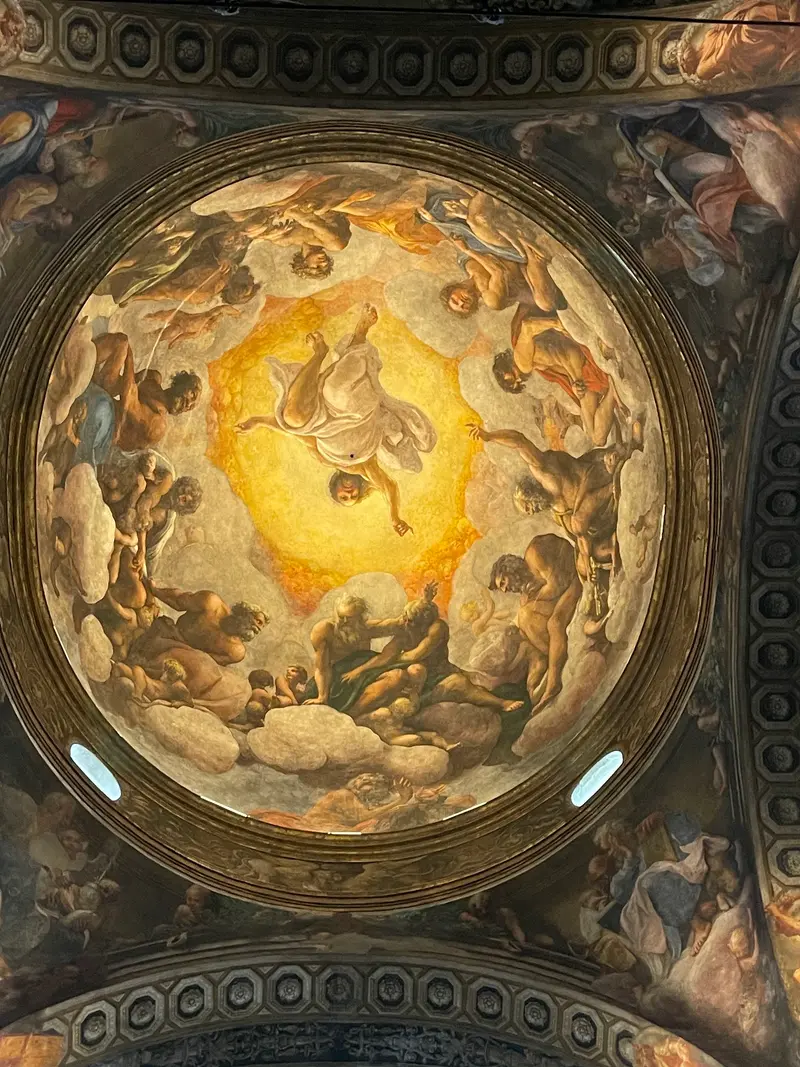
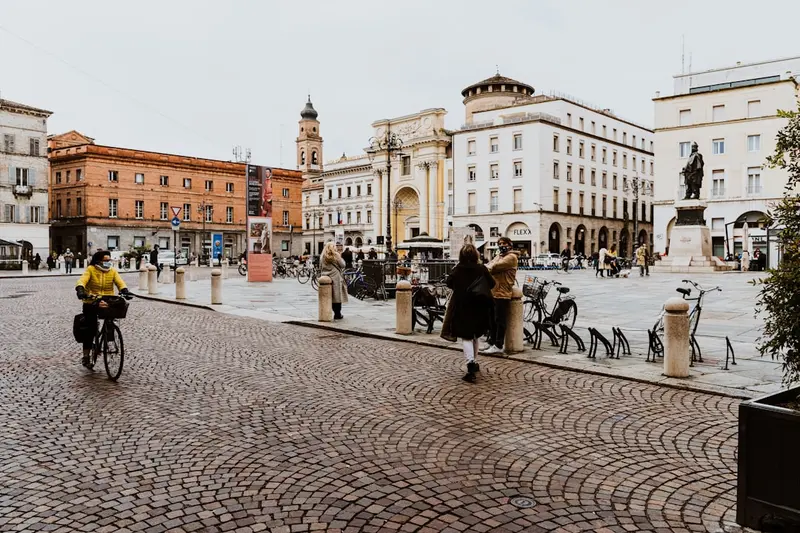
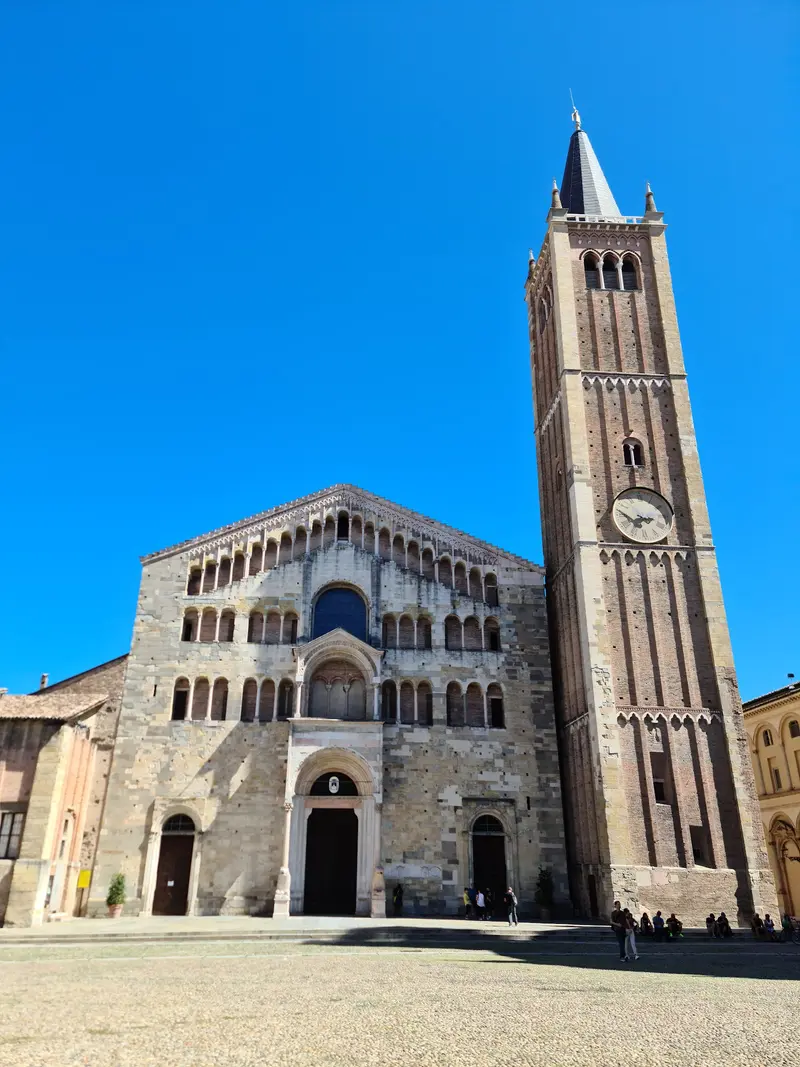
Parma, located in the heart of Emilia-Romagna, is famous as the birthplace of Parmigiano Reggiano and Prosciutto di Parma, making the city a paradise for gourmets. Here you'll discover an elegant city, its historic center characterized by magnificent buildings and charming arcades. Architectural highlights include the Romanesque Parma Cathedral with Correggio's frescoes and the impressive octagonal pink marble Baptistery. The Teatro Regio, known for its Verdi tradition, also reflects Parma's rich cultural heritage. Stroll along Via Garibaldi or across Piazza Garibaldi to experience the vibrant city life and sample local specialties. For an authentic experience, a visit to the Mercato della Ghiaia or a guided tour of a local cheese factory is recommended. The best time to visit is spring or autumn, to explore the city in pleasant temperatures and with fewer crowds.
Places in Parma
Discover the most important sights and attractions
Sights in Parma
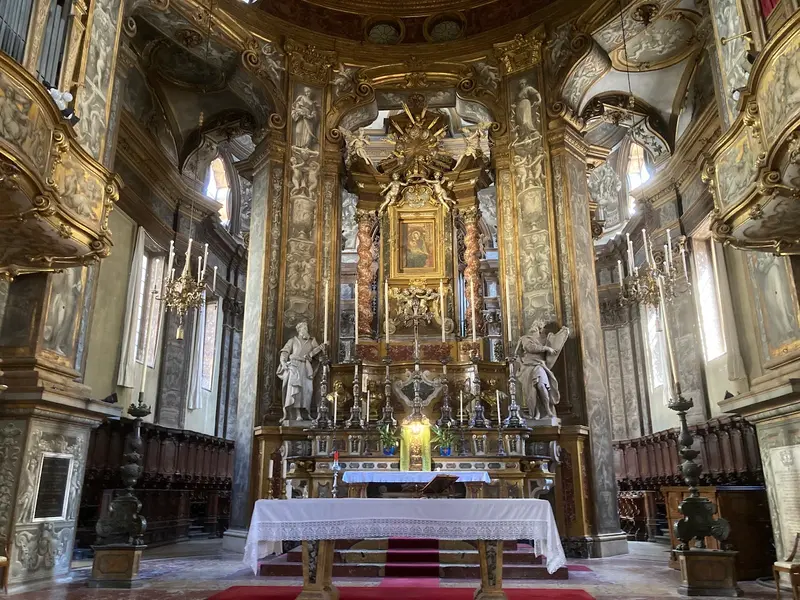
Dom von Parma
Berühmte romanische Kathedrale mit gewaltigem Innenraum voller Kunstwerke und markanter Kuppel mit Fresko.
Curated walking tours through the city's highlights — handpicked by experienced travel journalists.
Parmas Juwelen: Ein charmanter Stadtrundgang
Entdecken Sie die elegante Stadt Parma auf diesem entspannten 2-stündigen Spaziergang. Tauchen Sie ein in die reiche Geschichte, bewundern Sie beeindruckende Architektur und spüren Sie das authentische italienische Flair, das Parma so besonders macht.
Parma boasts a rich history, with roots reaching back to Roman antiquity when the city was founded as a colony in 183 BC. Its strategic location made it a contested center in the Middle Ages. However, the most formative era began in the 16th century under the rule of the Farnese family, who elevated Parma to a Duchy and transformed it into an important center for arts and sciences.This historical development is reflected in Parma's architecture. The Romanesque Duomo and the octagonal Baptistery, both crafted from pink Veronese marble, are among Italy's most significant medieval structures. The Renaissance and Baroque periods left their mark in the colossal Palazzo della Pilotta, which houses the Teatro Farnese, an impressive 17th-century wooden theater. Artists like Correggio and Parmigianino shaped the School of Parma with their works, adorning numerous churches and palaces.Parma is also inseparably linked with music, particularly with Giuseppe Verdi, whose birthplace is nearby and whose operas are celebrated to this day at the renowned Teatro Regio. The city cultivates a deep cultural tradition, manifesting itself in its museums, libraries, and a high appreciation for art and knowledge. This cultural identity shapes the city's appearance and the lives of its inhabitants to this day.
Getting Around Town
Parma is exceptionally pedestrian-friendly; its compact historic center is ideally explored on foot, as most sights are easily accessible.
There is no subway or tram system. However, TEP's efficient bus system reliably covers the city area. Bus tickets can be purchased in Tabaccherie (tobacconists), at the train station, or via the TEP app; multi-journey tickets like the Citypass are recommended for longer stays.
For short distances, bicycles – including those from sharing services – are excellently suited, complemented by e-scooters. Taxis are available at central squares, but traditional ride-sharing services like Uber are not widely available here. Be aware of the "Zona a Traffico Limitato" (ZTL) in the old town, which restricts car traffic and makes walking and cycling the optimal ways to get around.
These places are nearby — perfect for additional days or a day trip.
Modena
Known for traditional balsamic vinegar, Ferrari's automobile museum, and its UNESCO World Heritage Romanesque cathedral, Modena is a city of delights and engineering ingenuity.
Mantua (Mantova)
Mantua (Mantova), a UNESCO World Heritage city in Lombardy surrounded by three lakes, impresses with its rich history and Renaissance architecture. The city was once home to the Gonzaga family, whose influence is reflected in the imposing Palazzo Ducale and the elegant Palazzo Te. The Palazzo Ducale, an expansive complex with over 500 rooms, houses Mantegna's famous Camera degli Sposi. The Palazzo Te, a masterpiece by Giulio Romano, features captivating frescoes depicting mythological themes. Stroll through the old town's narrow streets and discover charming squares like Piazza Sordello. A boat trip on the lakes offers a unique perspective on the city and its lakeside landscape. For a relaxed exploration, spring or autumn is recommended to avoid the summer tourist crowds.
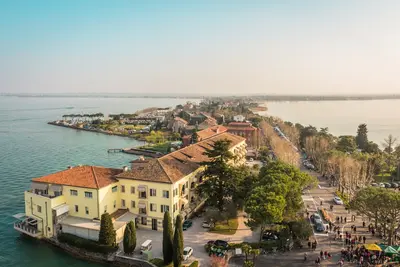
Sirmione
Welcome to Sirmione, the picturesque pearl on the southern shore of Lake Garda! Situated on a narrow peninsula, this town enchants with its impressive medieval Scaliger Castle, ancient Roman ruins, and soothing thermal springs. Here you'll experience a unique blend of history, relaxation, and Mediterranean flair, surrounded by azure waters and breathtaking scenery.
Brescia
Brescia impresses with a rich historical heritage from Roman roots to the Lombard era. Its UNESCO World Heritage site includes the Roman Capitolium, the Theatre, and the Monastero di Santa Giulia, which comprehensively document the history of the ancient city of Brixia and the Lombard era. Stroll across the Renaissance Piazza della Loggia and discover the two cathedrals, the Romanesque Duomo Vecchio and the Baroque Duomo Nuovo. Perched above the city is the Castello di Brescia, also known as "the Falcon of Italy", which offers not only a fortress but also museums and excellent views. Explore the side streets away from the main thoroughfares to experience its authenticity and try local specialties like Casoncelli or Franciacorta wine. For a relaxed visit without large crowds, the spring or autumn months are ideal.
Emilia-Romagna
Emilia-Romagna, Northern Italy's heart, is a region world-renowned for its legendary gastronomy, impressive art cities, and innovative automotive industry. From the UNESCO World Heritage Sites in Ravenna and Modena to the culinary delights in Bologna and Parma, it offers an unparalleled travel experience full of culture, history, and joie de vivre.