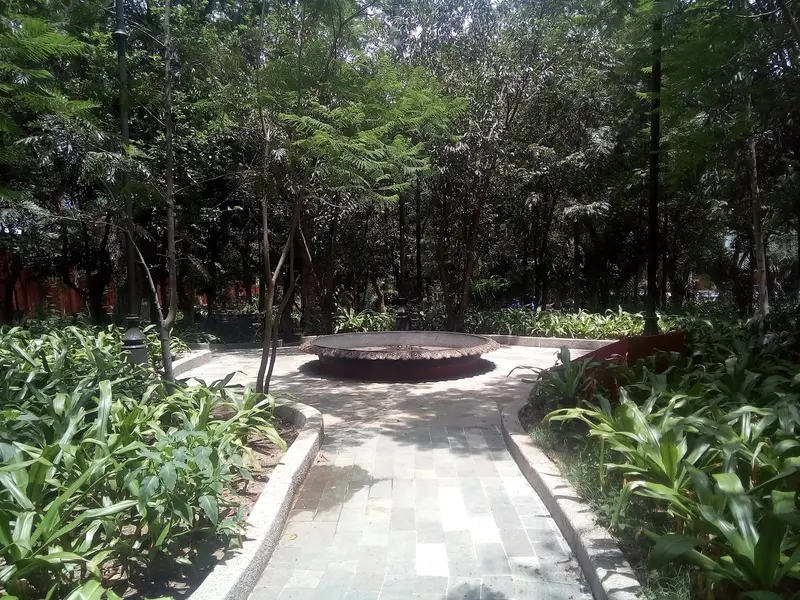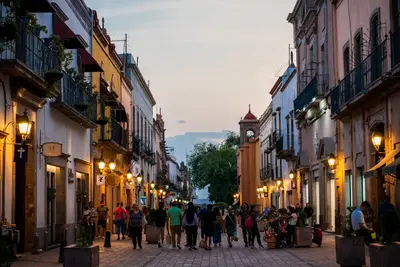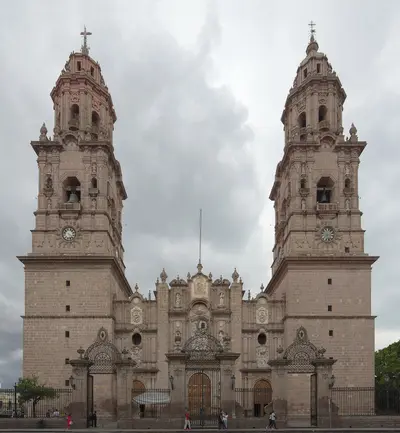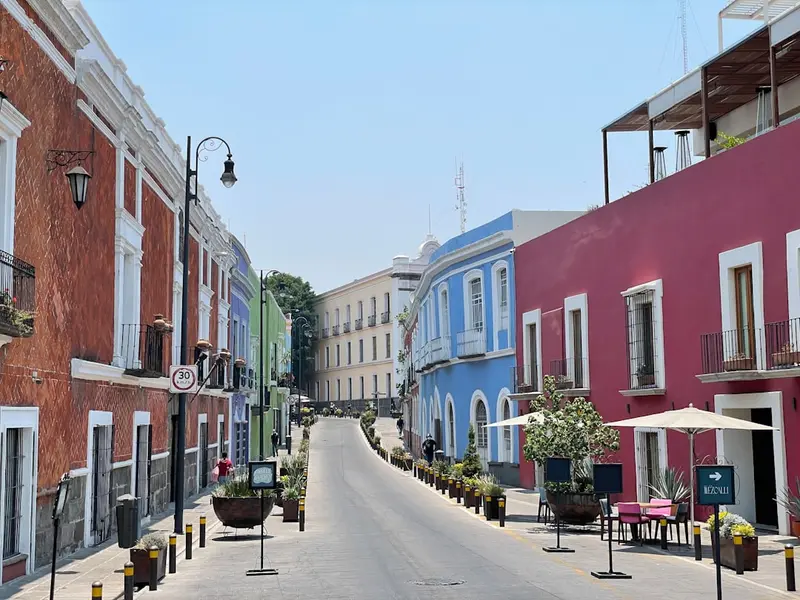
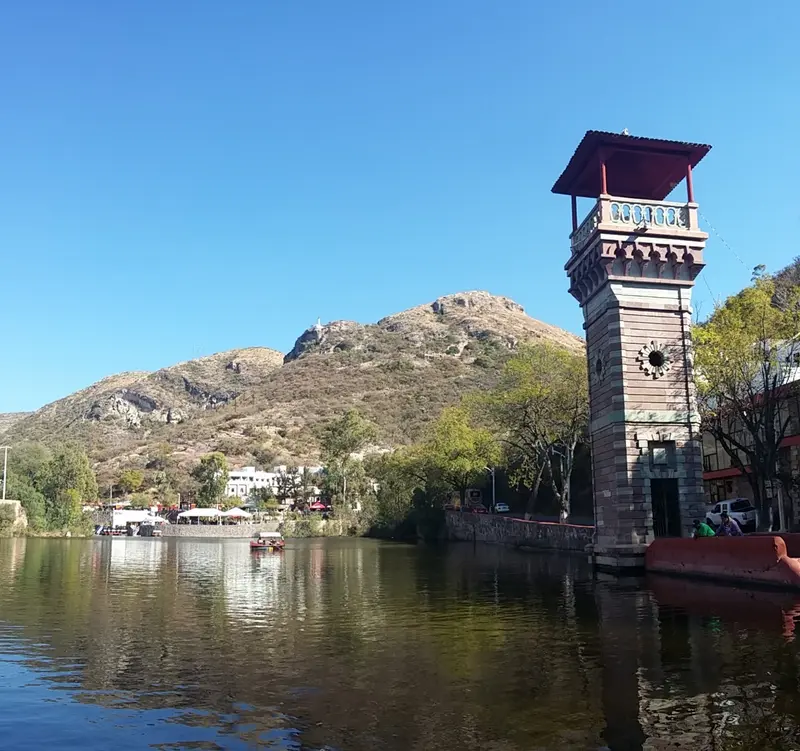
Dieser elegante Stadtteil ist bekannt für seine stattlichen Residenzen, den Stausee und eine ruhigere Atmosphäre abseits des touristischen Trubels.
Sehenswürdigkeiten
Discover the most important sights and attractions
La venada 2
La Venada 2 in Barrio de la Presa is more than just a work of art; it is a deeply rooted symbol of local identity and history. This depiction, often interpreted as a mural or sculpture, tells the legend of a mystical deer that once protected the vital water sources of the neighborhood. Here you will find an impressive artistic interpretation that strikingly reflects the community's connection to nature and its origins. The details of the execution honor the rich flora and fauna of the region and recall the central importance of water for Barrio de la Presa. It is a place that expresses the residents' pride in their traditions and environment. Our Tip: The best time to visit La Venada 2 is in the early morning hours, to experience the neighborhood's peaceful atmosphere and utilize the soft light for atmospheric photos. The small square directly in front offers an excellent perspective to take in the entire work and admire its fine details.
The Teatro Juárez in Guanajuato is a magnificent example of Mexican Belle Époque architecture. Opened in 1903 and named after Benito Juárez, it symbolizes the cultural flourishing of the Porfiriato era. Its facade combines neoclassical and Moorish elements, crowned by eight bronze statues of the Muses. Inside, opulent decor awaits you, with velvet, gold leaf, and intricate woodwork. It is an active cultural venue and central event location, especially during the Festival Internacional Cervantino. Our Tip: Visit in the morning for the interiors. For the best exterior photo, use the steps of the Jardín de la Unión.
Basílica Colegiata de Nuestra Señora de Guanajuato
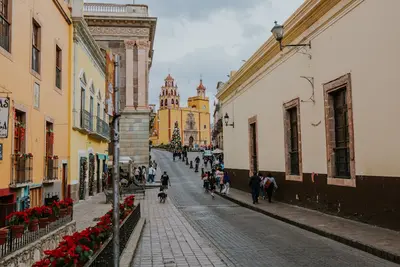
The Basílica Colegiata de Nuestra Señora de Guanajuato is an architectural gem and the city's religious heart, prominently situated on the Plaza de la Paz. Its striking yellow and red Baroque facade, complemented by later Neoclassical elements, profoundly shapes the city's image. Built between 1671 and 1696, it testifies to Guanajuato's rich history and prosperity during the colonial era. Inside, the basilica houses the highly revered statue of the Virgin of Guanajuato, a gift from King Philip II of Spain in 1557. This statue is one of the oldest Christian representations on the American continent and holds immense cultural and religious significance for the region. Here, you'll find magnificent altars and an impressive dome that directs light onto the intricate details. To avoid the crowds and enjoy its tranquil atmosphere, an early morning visit is recommended. For an unparalleled photo of the basilica with the Plaza de la Paz in the foreground, position yourself on the opposite side of the square.
The Museo Palacio de los Poderes in Barrio de la Presa, Guanajuato's former Legislative Palace, is a striking example of late 19th and early 20th-century eclectic architecture, symbolizing the region's political history. Inside, it houses a permanent exhibition on Guanajuato's legislative history, with historical documents, portraits, and artifacts that shaped Mexico's political landscape. The palace's opulent halls and intricate decorations are an attraction in themselves. Our Tip: Visit the museum in the morning to explore the exhibits and architecture at your leisure. Early afternoon is best for optimal photos of the facade.
The Monumento Al Pípila majestically presides over Guanajuato in the Barrio de la Presa, commemorating a pivotal moment in Mexico's War of Independence. It honors Juan José de los Reyes Martínez Amaro, known as El Pípila, a brave miner. In 1810, during the first battle of the War of Independence, he carried a large stone on his back to shield himself from bullets while setting fire to the door of the Alhóndiga de Granaditas. This act allowed the insurgents to capture the building and marked a turning point in the struggle against Spanish colonial rule. When you visit the monument, you'll discover not only the impressive statue of the torchbearer but also one of the most spectacular views of Guanajuato. From here, you'll overlook the entire city with its colorful houses, winding alleyways, and historic buildings. The city's architecture, terraced gracefully against the hills, unfolds here in all its splendor. Our Tip: Plan your visit for late afternoon to experience the sunset over the city and watch as the lights illuminate the streets and buildings. This offers an unparalleled backdrop for photos. You can easily reach the monument by cable car from the city center or via a picturesque, albeit steep, footpath.
These places are nearby — perfect for additional days or a day trip.
El Centro Histórico
Das Herz Guanajuatos ist ein geschütztes Labyrinth aus Plätzen, Gassen und prächtigen Kolonialbauten, in dem das städtische Leben pulsiert.
Guanajuato
Guanajuato, a colorful UNESCO World Heritage site in Central Mexico, thrives on its silver mining history. The city is a labyrinth of narrow Callejones and underground tunnels. Discover the Teatro Juárez and the Basílica Colegiata. Enjoy spectacular views from the Monumento al Pípila. The Alhóndiga de Granaditas tells the story of the independence movement. For a tranquil experience of the Callejones, an early morning stroll is recommended; spring or autumn are ideal for your visit.
Barrio de Pastita
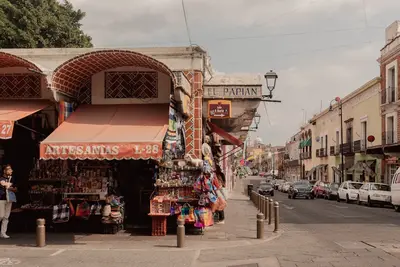
Ein traditionelles Viertel, das einen authentischen Einblick in das lokale Leben bietet, mit Märkten, kleineren Geschäften und einer entspannteren Stimmung.
San Miguel de Allende
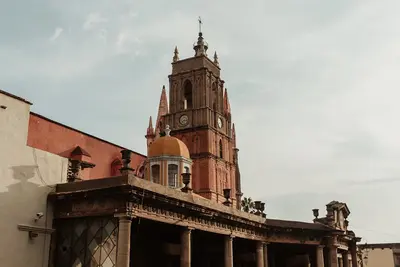
San Miguel de Allende, a UNESCO World Heritage city in the Mexican highlands, captivates with colonial architecture and a vibrant art scene. The cityscape is defined by cobblestone streets, colorful facades, and the iconic, neo-Gothic Parroquia de San Miguel Arcángel at the Jardín Principal. The Fábrica La Aurora, a former textile factory, now houses art galleries and studios. San Miguel was significant in the War of Independence; the Museo Casa de Allende offers insights into this. For the best sunset views, many rooftop bars are recommended. Ideally, travel from April to June or September to November to experience pleasant temperatures and fewer visitors.
Central Mexican Highlands
Welcome to the heart of Mexico, where the Central Mexican Highlands present themselves as a captivating region of timeless beauty and profound history. Here you'll immerse yourself in a world of colonial splendor, vibrant cultures, and gastronomy that will enchant your senses.Discover the charming cobblestone streets, architectural masterpieces, and vibrant markets that make this area an unforgettable destination for every history, culture, and culinary enthusiast.