Fernweh: Home
    ExploreTravel GuidesPlan a tripMy tripLast visited
    de|en
    All Places & RegionsAll highlightsAbout FernwehFAQPrivacy PolicyImprint
    ExploreTravel GuidesPlan a tripMy tripLast visited
    Barrio de Pastita

    Mexico

    Barrio de Pastita

    DistrictCulture

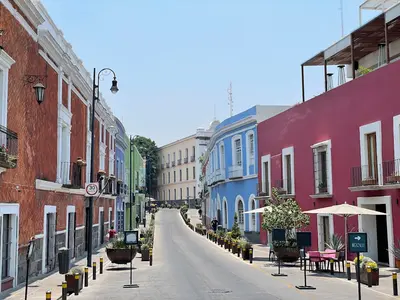
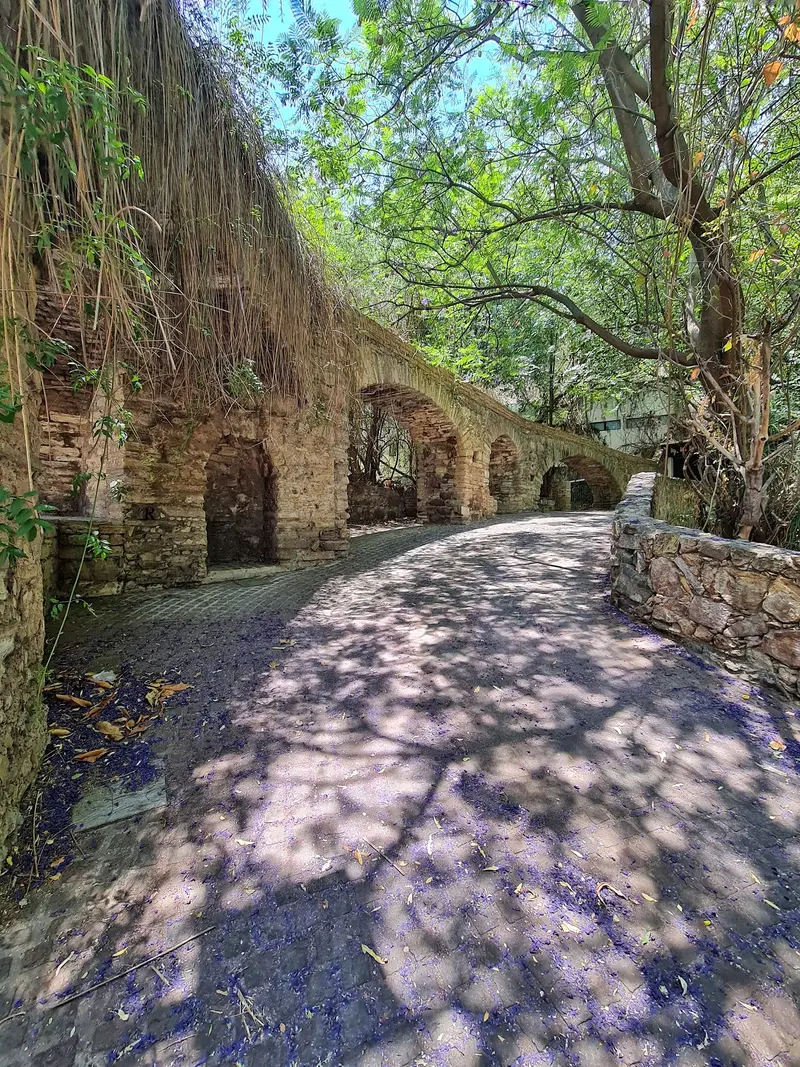
    Pastita is a residential district on the eastern edge of Guanajuato, traversed by an old aqueduct. Tourists rarely venture here, but you'll witness everyday life amidst colorful houses, small tiendas, and stepped alleys.

    by Felix Gillen

    1. Home
    2. Destinations
    3. Mexico
    4. Guanajuato
    5. Barrio de Pastita
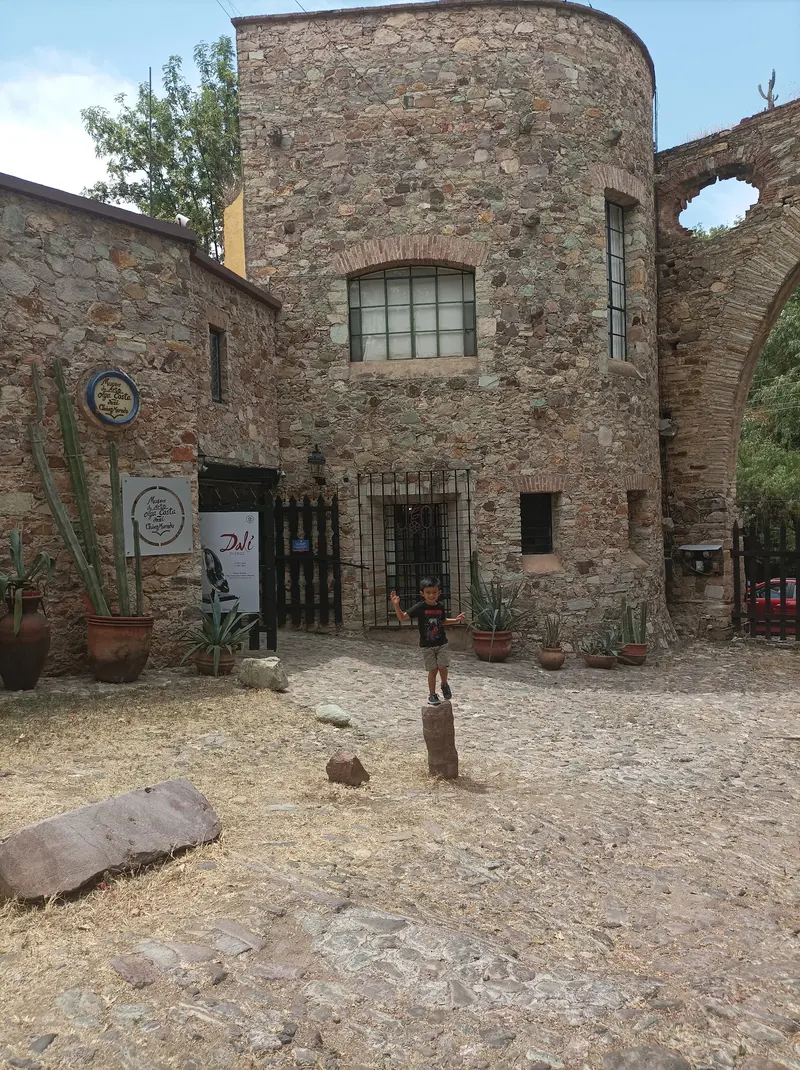
    Pastita is a residential district on the eastern edge of Guanajuato, traversed by an old aqueduct. Tourists rarely venture here, but you'll witness everyday life amidst colorful houses, small tiendas, and stepped alleys. The main point of interest is the museum, located in the former home of Olga Costa and José Chávez Morado. You can reach it by any city bus marked 'Pastita' at the eastern end of the city center.

    Sehenswürdigkeiten

    Discover the most important sights and attractions

    Museum of Art Olga Costa and José Chávez Morado
    Museum

    1Museum of Art Olga Costa and José Chávez Morado

    House and studio, which the artist couple Olga Costa and José Chávez Morado established in 1966 by the old Pastita Aqueduct and later donated to the public. On display are pre-Hispanic and more recent ceramics, embroideries, furniture, masks, objects from the 16th to 18th centuries, and works by both artists. Chávez Morado also created the murals in the Alhóndiga de Granaditas.
    Open in Google Maps
    Aqueduct of Pastita
    Attraction

    2Aqueduct of Pastita

    The old aqueduct winds through the district, leading to the Museo de Arte Olga Costa y José Chávez Morado. Walking along it, you experience Pastita as a quiet residential area, away from the old town.
    Open in Google Maps

    Essen & Trinken

    Accommodations in Barrio de Pastita

    Find perfect stay in Barrio de Pastita

    Booking.com* (Affiliate link)
    Search Hotels
    Agoda* (Affiliate link)
    Search Hotels
    Airbnb
    Vacation Rentals

    * Affiliate link: if you book through it, we earn a small commission. The price stays the same for you.

    Nearby

    Barrio de la Presa

    Barrio de la Presa

    La Presa lies southeast of the Old Town, along the Paseo de la Presa, leading up to the Presa de la Olla reservoir. In the 19th and early 20th centuries, country houses of wealthy families were built here in the style of Italian villas or Swiss chalets; many now serve as schools, offices, or hotels. The district is greener and quieter than the center; at its upper end lie the reservoir and Parque Florencio Antillón.
    Guanajuato

    Guanajuato

    Guanajuato stretches at over 2,000 m altitude through a narrow gorge in the central highlands, approximately 340 road kilometers northwest of Mexico City. You come for the colorful Old Town from the silver mining era, a UNESCO World Heritage site since 1988, with steep stair-alleys, Baroque churches, and squares bustling with students. In the 18th century, the La Valenciana mine at times supplied around two-thirds of the world's silver production, making the city rich. Colorful houses cling to the slopes, and most traffic runs through tunnels beneath the Old Town.
    San Miguel de Allende

    San Miguel de Allende

    San Miguel de Allende sits at roughly 1,900 meters in Guanajuato state, about four bus hours north of Mexico City. Its old town, with steep cobblestone streets, ochre houses and the pink Parroquia, has been a UNESCO World Heritage site since 2008, along with the Sanctuary of Atotonilco. For decades, many foreigners have lived here, especially from the USA and Canada.
    Santiago de Querétaro

    Santiago de Querétaro

    Santiago de Querétaro was founded in 1531 and lies approximately 220 km northwest of Mexico City at about 1,820 m elevation. Its Old Town, with its squares, Baroque churches, and a 74-arch aqueduct, has been a UNESCO World Heritage site since 1996.In 1810, the conspiracy that triggered the War of Independence began here, and in 1917, Mexico's current constitution was proclaimed in the Teatro de la República.
    Morelia

    Morelia

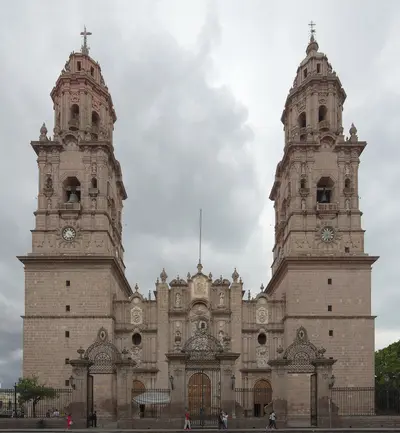
    Morelia, the capital of Michoacán, is located at approximately 1,920 meters in the western highlands, a three to four-hour drive west of Mexico City. Its historic city center, featuring over 200 buildings of pink cantera stone, has been a UNESCO World Heritage site since 1991, characterized by its cathedral, the arcades surrounding the Plaza de Armas, and the aqueduct with 253 arches.The city is an excellent base for exploring Lake Pátzcuaro, the surrounding Purépecha villages, and from November to March, the monarch butterfly overwintering grounds.

    Sources & method

    • Photos: Pexels, Google Maps. Each photo carries its credit.
    • Place data such as addresses and ratings comes from Google Maps.
    • The content is based on web research from public, traceable sources. How the content is made · The role of AI