Fernweh
    ExploreTravel GuidesMy Trips
    de|en
    About FernwehImprintFAQPrivacy Policy
    ExploreTravel GuidesMy Trips
    Batopilas

    Batopilas

    CityCulture
    1. Home
    2. Destinations
    3. Mexico
    4. Barrancas del Cobre (Copper Canyon)
    5. Batopilas
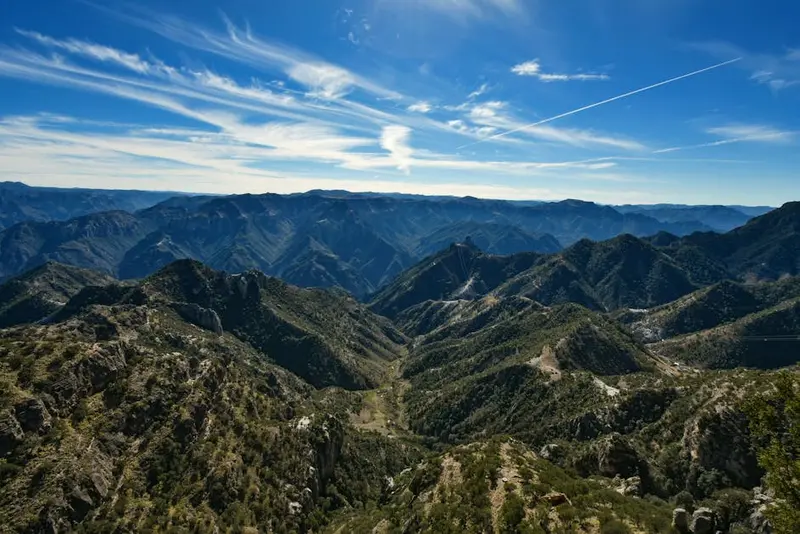
    Batopilas, nestled deep in Mexico's majestic Copper Canyons, is a remote colonial town with a fascinating history as a silver mining center. You often reach this destination via a challenging but scenically impressive road from Creel, which underscores its isolation and unique character. Its narrow, cobblestone streets are lined with historic buildings that bear witness to its former heyday. A central highlight is the impressive Misión de Satevó, a well-preserved 18th-century Jesuit mission, which you reach after a short walk along the river. Along the Batopilas River, you can take walks and explore the surrounding canyon landscape, shaped by Rarámuri culture. The best time to visit is the dry season from October to May, to better navigate the unpaved roads and enjoy more pleasant temperatures. Batopilas offers an authentic experience that transports you to a bygone era and lets you feel the tranquility of this unique enclave.
    • Neighborhoods & highlights
    • Walking tours
    • Eat & drink
    • Culture
    • Getting around
    • Accommodation
    • Plan trip
    • Nearby
    • Neighborhoods & highlights
    • Walking tours
    • Eat & drink
    • Culture
    • Getting around
    • Accommodation
    • Plan trip
    • Nearby

    Overview

    Batopilas, nestled deep in Mexico's Copper Canyons, was once a significant silver mining hub. You reach this secluded colonial town via a challenging, scenic road from Creel, which preserves its authentic atmosphere. Its narrow, cobbled streets are lined with historic buildings testifying to its former heyday. A key landmark is the Misión de Satevó, a well-preserved 18th-century Jesuit mission, reached by a short walk along the Batopilas River. Strolls along the river offer opportunities to explore the surrounding canyon landscape and the presence of Rarámuri culture. The dry season from October to May is recommended for the unpaved access roads and more pleasant temperatures. Batopilas offers an authentic glimpse into a bygone era and the tranquility of this remote enclave.

    Places in Batopilas

    Discover the most important sights and attractions
    Sights in Batopilas

    El Divisadero - La Mesa

    El Divisadero - La Mesa is an outstanding viewpoint in the Batopilas region, offering an unparalleled view of the vast Copper Canyon system. From here, you overlook the deep ravines and the majestic landscape of the Sierra Tarahumara, an area of immense geological and ecological significance. The name 'Divisadero' – the viewpoint – is truly fitting here, as you stand at a strategic point that reveals the dimensions of this natural wonder. Historically, this location served as a crucial landmark and a place for contemplation of the landscape for local Rarámuri communities and later travelers. Here you experience Mexico's rugged beauty in its purest form, far from urban hustle and bustle. Our Tip: Visit El Divisadero early in the morning to enjoy the clearest visibility and observe the first sunbeams over the canyon walls. This is also the best time to avoid the crowds and take undisturbed photos. Wear sturdy footwear and bring plenty of water, as the sun can be intense.
    Open in Google Maps

    Túnel Porfirio Díaz

    The Túnel Porfirio Díaz in Batopilas is a fascinating relic of Mexican mining history. It was constructed in the late 19th century, during the presidency of Porfirio Díaz, and served a crucial purpose: the diversion of the Batopilas River. This engineering marvel allowed access to valuable silver deposits in the riverbed, significantly increasing the productivity of local mines. As you traverse the approximately 400-meter-long tunnel, you'll feel the cool, damp air and appreciate the craftsmanship with which it was carved into the rock. At the end of the tunnel, a picturesque view awaits you, overlooking the river and the impressive canyon—a stark contrast to the darkness within. Our tip: Be sure to bring a flashlight, as the tunnel is unlit, and wear sturdy footwear. It's best to visit the tunnel in the morning to enjoy the tranquility and capture the best lighting conditions for photos at the exit.
    Open in Google Maps

    El Potrero

    Located in the vicinity of Batopilas, El Potrero offers deep insight into the rugged beauty of the Copper Canyons and the rich history of the region. Here you will find a stunning landscape characterized by steep rock faces and lush vegetation. Historically, Batopilas was a significant silver mining center, and the surrounding trails you can explore in El Potrero were often used by mule caravans to transport ores. Culturally, the area is closely linked to the indigenous Raramuri (Tarahumara), whose traditional way of life is still visible here. Our Tip: Plan your visit during the cooler months from October to March to make the most of the hiking trails. For breathtaking photos of the canyon, we recommend the early morning hours when the light dramatically illuminates the rock formations and temperatures are more pleasant. Be sure to bring plenty of water and wear sturdy footwear, as the trails can be challenging.
    Open in Google Maps

    Letras Batopilas

    The Letras Batopilas represent a modern landmark of the historic colonial town of Batopilas, deeply embedded in the stunning landscape of the Copper Canyon. These large, colorful letters, forming the town's name, are strategically placed at a point that often offers expansive views of the picturesque surroundings. Their significance lies not only in their function as a popular photo spot, but also as an expression of local identity and pride in Batopilas' rich mining history and culture. Often, the Letras are adorned with local motifs or symbols that reflect the region's unique flora, fauna, or traditions. Our Tip: For the best shots and to avoid the crowds, we recommend a visit in the early morning. From this viewpoint, you also often enjoy an unparalleled view of the Batopilas River and the surrounding rugged mountains, providing an ideal backdrop for your souvenir photos.
    Open in Google Maps

    Misión de Satevó

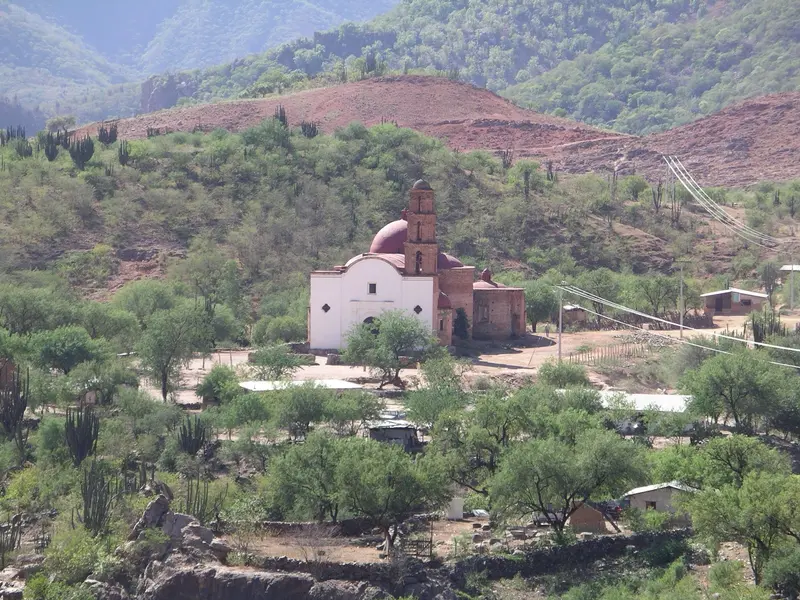
    The Misión de Satevó, often called 'The Lost Cathedral,' is an outstanding example of 18th-century Jesuit architecture in the remote Sierra Tarahumara. This impressive stone church sits picturesquely on the banks of the Río Batopilas, a testament to the evangelization efforts among the Rarámuri then. Its massive construction and simple yet powerful aesthetic reflect the challenges and spirit of the missionaries. Inside, a tranquil atmosphere invites contemplation, surrounded by well-preserved walls and an imposing altar area. Our Tip: Visit the mission early to capture the special lighting and fully appreciate its peaceful ambiance undisturbed. The journey from Batopilas is an experience in itself; plan a walk along the river to fully appreciate the landscape.
    Open in Google Maps

    City walks in Batopilas

    Curated walking tours through the city's highlights — handpicked by experienced travel journalists.

    Batopilas: Ein Spaziergang durch das Herz des Silberreiches

    Tauchen Sie ein in die reiche Geschichte der ehemaligen Silberminenstadt Batopilas auf diesem charmanten 2-stündigen Stadtrundgang. Erkunden Sie koloniale Gassen, majestätische Hacienda-Ruinen und genießen Sie atemberaubende Ausblicke auf den Río Batopilas und die umliegenden Canyons. Eine Reise in die Vergangenheit, die alle Sinne belebt.

    ~2 Std.
    In Google Maps öffnen
    Stopps (6)

    Essen & Trinken

    History and Culture of Batopilas

    Batopilas, nestled deep in the canyons of the Barranca del Cobre, is a living testament to Mexican colonial history and the former silver boom. The settlement emerged in the late 17th century around rich silver deposits and developed into one of the country's most prosperous mining towns in the 18th and 19th centuries.This wealth manifested itself in magnificent architecture: opulent mansions of the mining barons, an imposing Palacio Municipal, and the church of San Isidro Labrador bear witness to colonial elegance and the splendor of bygone eras.Batopilas' geographical isolation has contributed to the preservation of local traditions and customs over centuries. The mining heritage continues to shape the lives and identity of its inhabitants, manifesting itself in stories and an appreciation for the historical sites.Although Batopilas itself is primarily mestizo in character, its proximity to the indigenous Rarámuri and their unique way of life is a subtle but integral part of the regional cultural fabric.

    Getting Around Here

    In Batopilas, travelers can expect a unique transportation experience, far from modern subways, trams, or extensive city bus systems. The charming, historic village, thanks to its picturesque streets and compact size, is extremely pedestrian-friendly, allowing you to comfortably explore every corner on foot.For trips to the surrounding area or for hikes, local Colectivos or informal taxis are available, which often operate on demand. Ride-sharing apps or e-scooter rental services are not present here. The journey to Batopilas itself is often the most exciting part of the transport, whether via the breathtaking winding road or other traditional routes.Bicycles can be rented for specific exploration tours, but are rather uncommon due to the mountainous terrain. It's best to rely on your own feet and the help of locals for longer distances.

    Accommodations in Batopilas

    Accommodations in Batopilas

    Find perfect stay in Batopilas

    Booking.com
    Search Hotels
    Agoda
    Search Hotels
    Airbnb
    Vacation Rentals
    Hotels.com
    Hotels Worldwide
    Hostelworld
    Hostels

    Plan your trip to Batopilas

    Save places, build a route and plan your city trip — all in one place.

    Save places

    Bookmark sights, restaurants and neighborhoods you're interested in.

    Build your route

    Turn your bookmarks into a route — define order, days and budget.

    Refine with AI

    Let Mein Fernweh suggest experiences and put together a tailored daily plan.

    Start trip planningOpen bookmarks

    Locations nearby

    These places are nearby — perfect for additional days or a day trip.

    Barrancas del Cobre (Copper Canyon)

    Barrancas del Cobre (Copper Canyon)

    Welcome to Barrancas del Cobre, a breathtaking canyon landscape in the heart of Mexico's Sierra Tarahumara, surpassing the Grand Canyon in size and depth. This majestic region invites you to immerse yourself in a world of unspoiled nature, deep gorges, and the fascinating culture of the indigenous Raramuri people.Here, an unparalleled adventure awaits you – whether hiking ancient trails, enjoying thrilling zipline rides, or taking an unforgettable train journey with the legendary Chepe, which offers panoramic views of rare beauty.
    Divisadero / Posada Barrancas

    Divisadero / Posada Barrancas

    Divisadero and Posada Barrancas are key viewpoints in the Barrancas del Cobre, Mexico's Copper Canyon. From here, you'll enjoy spectacular panoramic views over the deep canyons, among the largest in the world. These locations are important stops for the famous Chepe train, which offers a unique journey through the Sierra Tarahumara. At the Parque de Aventuras Barrancas del Cobre, activities like a cable car ride, ziplines, and a via ferrata await you. You'll also meet the indigenous Rarámuri population here, whose culture and craftsmanship you can discover at local stands. To experience the best lighting conditions and pleasant weather, a visit during the dry season from October to March is recommended. Plan at least two nights to fully experience the surroundings and the adventure park.
    Creel

    Creel

    Creel serves as an important starting point for exploring the Copper Canyon and the surrounding Sierra Tarahumara. This town in Chihuahua is a hub of Rarámuri culture, offering insights into their traditions. At the central Plaza Principal, you'll find the Cristo Rey church and shops selling local handicrafts. The Museo de Arte Tarahumara documents the history and art of the indigenous population. The surrounding area offers worthwhile excursions to rock formations like Valle de los Hongos and Valle de las Ranas, as well as the idyllic Lago Arareko. For an authentic experience, a ride on the Chepe-Express is recommended, leading from here through the stunning landscape. The best time to visit is spring or autumn, to enjoy the pleasant temperatures for hiking.
    Loreto

    Loreto

    Loreto, located on the east coast of Baja California Sur, is a historic city with a relaxed atmosphere and home to the Mission Nuestra Señora de Loreto Concho, the starting point of the Jesuit missions from 1697. Its charming historic center reveals the town's colonial past. The Parque Nacional Bahía de Loreto, a marine protected area, offers ideal conditions for snorkeling, diving, and kayaking to islands like Coronado. There you can observe sea lion colonies and explore the rich underwater world. For an authentic experience, a visit to the local market is recommended. The best travel time for water sports and whale watching is from November to April, when the climate is pleasant.
    Baja California Sur

    Baja California Sur

    Welcome to Baja California Sur, a land where the desert meets the sea and breathtaking nature blends with relaxed elegance. Discover a world of pristine beaches, vibrant marine life, and picturesque colonial towns perfect for lingering and exploring.