Fernweh
    ExploreTravel GuidesMy Trips
    de|en
    About FernwehImprintFAQPrivacy Policy
    ExploreTravel GuidesMy Trips
    Creel

    Creel

    CityCulture
    1. Home
    2. Destinations
    3. Mexico
    4. Barrancas del Cobre (Copper Canyon)
    5. Creel
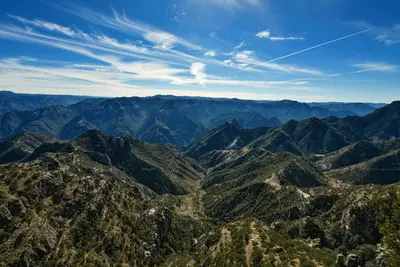
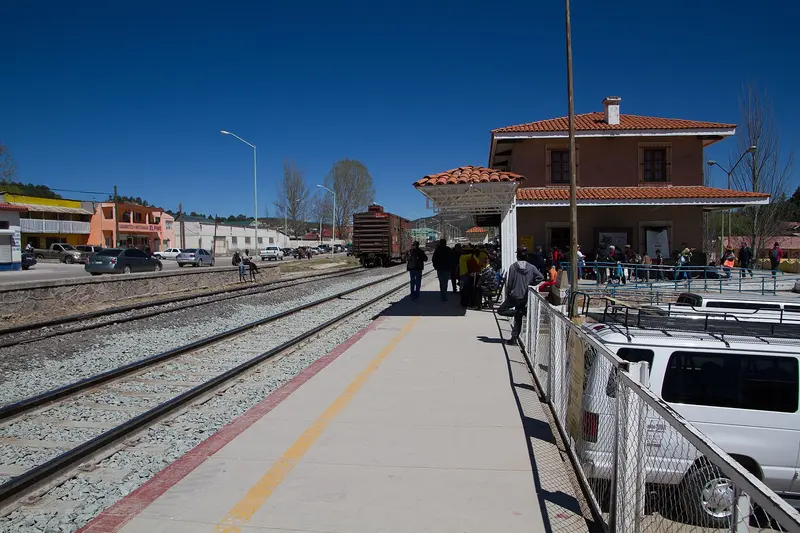
    Creel serves as an important starting point for exploring the Copper Canyon and the surrounding Sierra Tarahumara. This town in Chihuahua is a hub of Rarámuri culture, offering insights into their traditions. At the central Plaza Principal, you'll find the Cristo Rey church and shops selling local handicrafts. The Museo de Arte Tarahumara documents the history and art of the indigenous population. The surrounding area offers worthwhile excursions to rock formations like Valle de los Hongos and Valle de las Ranas, as well as the idyllic Lago Arareko. For an authentic experience, a ride on the Chepe-Express is recommended, leading from here through the stunning landscape. The best time to visit is spring or autumn, to enjoy the pleasant temperatures for hiking.
    • Neighborhoods & highlights
    • Walking tours
    • Eat & drink
    • Culture
    • Getting around
    • Accommodation
    • Plan trip
    • Nearby
    • Neighborhoods & highlights
    • Walking tours
    • Eat & drink
    • Culture
    • Getting around
    • Accommodation
    • Plan trip
    • Nearby

    Overview

    Creel is a central hub in the Sierra Tarahumara, serving as the main gateway to the impressive Copper Canyon. Here, you'll find a deep connection to the culture of the Rarámuri, whose traditions and way of life shape the town. At the Plaza Principal, the distinctive Cristo Rey Church is the focal point, surrounded by shops offering authentic indigenous handicrafts. The Museo de Arte Tarahumara provides in-depth insights into the history, art, and customs of this community. Creel's surroundings invite exploration, including the unusual rock formations of Valle de los Hongos and Valle de las Ranas, as well as the serene Lago Arareko. A ride on the legendary Chepe-Express, departing from Creel, is a highlight, leading you through spectacular canyons and landscapes. Ideally, plan your visit in spring or autumn to best enjoy the mild temperatures for hiking and exploring.

    Places in Creel

    Discover the most important sights and attractions
    Sights in Creel

    Piedra de las chichis

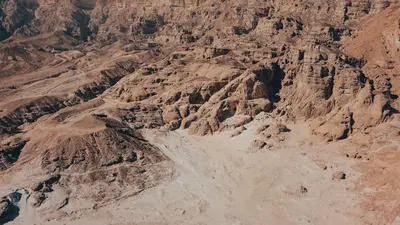
    The Piedra de las Chichis, located near Creel, is a remarkable natural rock formation in the heart of the Sierra Tarahumara. Its name, which translates to "Stone of the Breasts," derives from the distinctive, erosion-shaped curves that resemble female breasts. These unique volcanic rock formations are part of a larger landscape that also includes the Valle de los Hongos y Ranas, known for its mushroom- and frog-shaped rocks. Here you'll find a fascinating example of nature's power, which has created these sculptures over millennia. A visit offers you the chance to explore the region's geological diversity and enjoy the tranquility of the surroundings. Practical Tip: The best photos can be taken late morning or early afternoon, when the light optimally highlights the rocks' contours. The Piedra de las Chichis is usually part of an organized tour from Creel, which simplifies arrival and allows you further insights into the surrounding valleys. Be sure to respect nature and leave no trace.
    Open in Google Maps

    Mural La Monnalisa de Creel

    The Mural La Monnalisa de Creel is a striking artwork in the heart of Creel, presenting a unique local interpretation of Leonardo da Vinci's world-famous painting. You'll find this colorful mural, which often integrates traditional elements of Tarahumara culture or local landscapes into the classic composition, on a central facade in the town. It serves not only as a visual highlight but also as an expression of Creel's creative identity and its appreciation for public art. The depiction connects European art history with Mexican local culture, thus creating a fascinating dialogue that reflects the region's cultural diversity. Our Tip: Visit the mural in the morning when the light is ideal and the street isn't too busy, to quietly observe the details and take good photos. It's an excellent starting point to then explore the surrounding shops and cafes and soak up the local atmosphere.
    Open in Google Maps

    Guardian Rarámuri

    The Guardian Rarámuri in Creel is a significant sculpture dedicated to the indigenous Rarámuri people, also known as the Tarahumara. This community is renowned for its impressive endurance and deep connection to the natural environment of the Sierra Tarahumara. The sculpture serves as a symbolic guardian figure, honoring the cultural identity and spiritual strength of the Rarámuri, who have lived in this region for centuries. You'll find it at a central point in Creel, where it acts as a memorial and source of information.Visiting the Guardian offers insight into the rich history and way of life of the Rarámuri. Its depiction often reflects traditional characteristics and invites reflection on the importance of indigenous cultures in Mexico. A practical tip: Plan your visit in the morning to capture the best light for photos and enjoy the tranquility of the site before the main crowds arrive. Be sure to treat the surroundings with respect and carefully read the information about the Rarámuri, often displayed nearby, to develop a deeper understanding.
    Open in Google Maps

    Letras Creel Pueblo Mágico

    The Letras Creel Pueblo Mágico are a striking landmark in the heart of Creel, symbolizing the town's official recognition as a “Pueblo Mágico” by the Mexican government. These colorful, large-scale letters, bearing the town's name, are a popular meeting point for visitors and an excellent way to commemorate your arrival in this special destination. The “Pueblo Mágico” designation acknowledges Creel's rich culture, its historical significance as a gateway to the Barrancas del Cobre, and its strong connection to the indigenous Raramuri culture. You'll typically find the Letras in a central square, often near the main church or train station, where they blend harmoniously into the townscape. Our tip: Visit the Letras early in the morning or late in the afternoon for the best photo light and to avoid the largest crowds. This allows you to take your souvenir photo in peace and enjoy the atmosphere.
    Open in Google Maps

    CREEL Letras Gigantes

    The CREEL Letras Gigantes are a striking, modern landmark of the city of the same name in Mexico and an essential photo opportunity for every visitor. You'll usually find these large, colorful letters centrally located, often in a main square or on a busy street, where they shape the cityscape. This type of monumental town name is common throughout Mexico and serves to celebrate local identity, express residents' pride, and playfully welcome tourists. They are not only a visual symbol, but also a popular meeting point and an easy way to commemorate your arrival in Creel. Our Tip: For the best light and to avoid crowds, visit the Letras Gigantes early in the morning. This way, you can take your photos in peace and observe the design details.
    Open in Google Maps

    City walks in Creel

    Curated walking tours through the city's highlights — handpicked by experienced travel journalists.

    Creel: Kultureller Spaziergang im Herzen der Sierra Tarahumara

    Entdecken Sie auf diesem zweistündigen Spaziergang das charmante Städtchen Creel, das Tor zur beeindruckenden Kupfer-Schlucht. Tauchen Sie ein in die reiche Kultur der Raramuri-Indianer, bewundern Sie lokale Handwerkskunst und erkunden Sie historische Sehenswürdigkeiten. Ein perfekter Einblick in das Herz der Sierra Tarahumara.

    ~2 Std.
    In Google Maps öffnen
    Stopps (6)

    Essen & Trinken

    Culture, Art & History in Creel

    Creel is a pivotal location for understanding the culture and history of the Sierra Tarahumara in Mexico. Originally founded in the late 19th century as a logging camp and a crucial railway hub, the arrival of the Chihuahua al Pacífico railroad played a decisive role in its development. The town serves as a gateway to Copper Canyon and is deeply connected to the culture of the indigenous Rarámuri (Tarahumara) people, whose traditions shape local life.The architecture in Creel is functional and reflects its origins as a frontier and supply town, often characterized by simple wood and stone structures. Cultural distinctiveness is evident in the blend of mestizo and indigenous influences, visible in handicrafts such as woven textiles, pottery, and basketry. Traditional Rarámuri practices, including their long-distance runs and spiritual ceremonies, are an integral part of the region's cultural fabric. Creel thus offers an authentic glimpse into a unique cultural landscape.

    Exploring Locally

    In Creel, the gateway to the Copper Canyon, the town's compact size shapes the getting around experience. There is no subway, tram, or formal urban bus system; instead, the center is excellently explored on foot.For somewhat longer distances or transfers to nearby attractions and hiking trails, local taxis or so-called colectivos – usually private vehicles functioning as shared taxis – are available. Ride-sharing services like Uber are not common in this remote region, so it's advisable to negotiate prices beforehand.To explore the picturesque surroundings, bicycle rentals are a popular option for discovering nature on your own. E-scooters play no role in local transport. If you plan larger excursions into the Copper Canyon, it's advisable to organize transportation through your hotel or local tour operators to experience the region's beauty stress-free.

    Accommodations in Creel

    Accommodations in Creel

    Find perfect stay in Creel

    Booking.com
    Search Hotels
    Agoda
    Search Hotels
    Airbnb
    Vacation Rentals
    Hotels.com
    Hotels Worldwide
    Hostelworld
    Hostels

    Plan your trip to Creel

    Save places, build a route and plan your city trip — all in one place.

    Save places

    Bookmark sights, restaurants and neighborhoods you're interested in.

    Build your route

    Turn your bookmarks into a route — define order, days and budget.

    Refine with AI

    Let Mein Fernweh suggest experiences and put together a tailored daily plan.

    Start trip planningOpen bookmarks

    Locations nearby

    These places are nearby — perfect for additional days or a day trip.

    Divisadero / Posada Barrancas

    Divisadero / Posada Barrancas

    Divisadero and Posada Barrancas are key viewpoints in the Barrancas del Cobre, Mexico's Copper Canyon. From here, you'll enjoy spectacular panoramic views over the deep canyons, among the largest in the world. These locations are important stops for the famous Chepe train, which offers a unique journey through the Sierra Tarahumara. At the Parque de Aventuras Barrancas del Cobre, activities like a cable car ride, ziplines, and a via ferrata await you. You'll also meet the indigenous Rarámuri population here, whose culture and craftsmanship you can discover at local stands. To experience the best lighting conditions and pleasant weather, a visit during the dry season from October to March is recommended. Plan at least two nights to fully experience the surroundings and the adventure park.
    Barrancas del Cobre (Copper Canyon)

    Barrancas del Cobre (Copper Canyon)

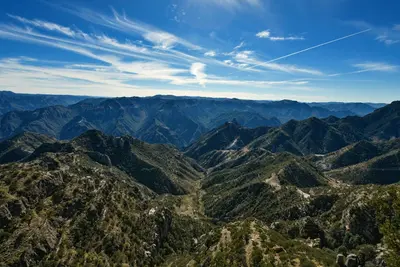
    Welcome to Barrancas del Cobre, a breathtaking canyon landscape in the heart of Mexico's Sierra Tarahumara, surpassing the Grand Canyon in size and depth. This majestic region invites you to immerse yourself in a world of unspoiled nature, deep gorges, and the fascinating culture of the indigenous Raramuri people.Here, an unparalleled adventure awaits you – whether hiking ancient trails, enjoying thrilling zipline rides, or taking an unforgettable train journey with the legendary Chepe, which offers panoramic views of rare beauty.
    Batopilas

    Batopilas

    Batopilas, nestled deep in Mexico's majestic Copper Canyons, is a remote colonial town with a fascinating history as a silver mining center. You often reach this destination via a challenging but scenically impressive road from Creel, which underscores its isolation and unique character. Its narrow, cobblestone streets are lined with historic buildings that bear witness to its former heyday. A central highlight is the impressive Misión de Satevó, a well-preserved 18th-century Jesuit mission, which you reach after a short walk along the river. Along the Batopilas River, you can take walks and explore the surrounding canyon landscape, shaped by Rarámuri culture. The best time to visit is the dry season from October to May, to better navigate the unpaved roads and enjoy more pleasant temperatures. Batopilas offers an authentic experience that transports you to a bygone era and lets you feel the tranquility of this unique enclave.
    Loreto

    Loreto

    Loreto, located on the east coast of Baja California Sur, is a historic city with a relaxed atmosphere and home to the Mission Nuestra Señora de Loreto Concho, the starting point of the Jesuit missions from 1697. Its charming historic center reveals the town's colonial past. The Parque Nacional Bahía de Loreto, a marine protected area, offers ideal conditions for snorkeling, diving, and kayaking to islands like Coronado. There you can observe sea lion colonies and explore the rich underwater world. For an authentic experience, a visit to the local market is recommended. The best travel time for water sports and whale watching is from November to April, when the climate is pleasant.
    Baja California Sur

    Baja California Sur

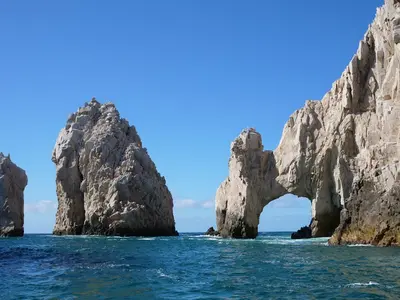
    Welcome to Baja California Sur, a land where the desert meets the sea and breathtaking nature blends with relaxed elegance. Discover a world of pristine beaches, vibrant marine life, and picturesque colonial towns perfect for lingering and exploring.