Mexico
Chiapas
Region
Chiapas is Mexico's southernmost state, bordering Guatemala to the east.
by Felix Gillen
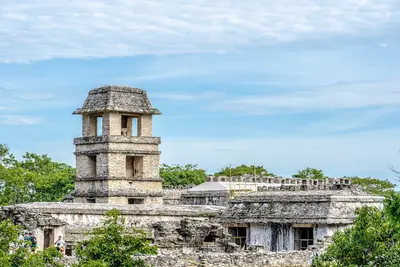
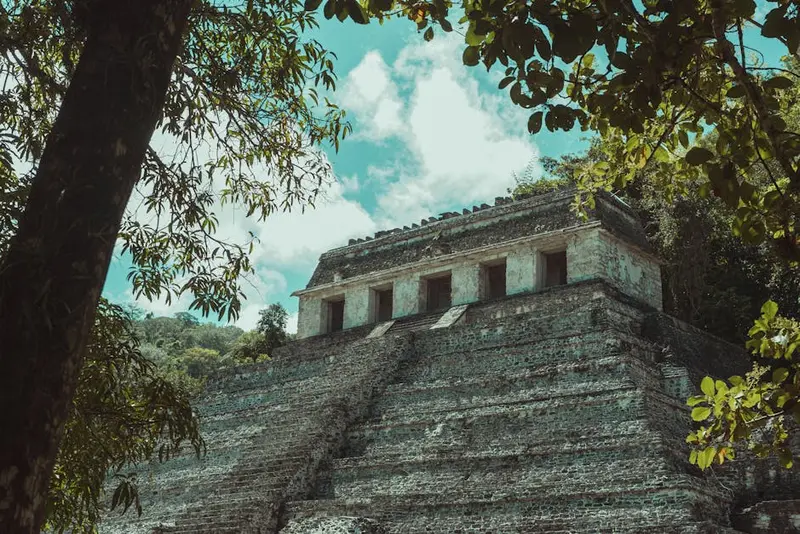
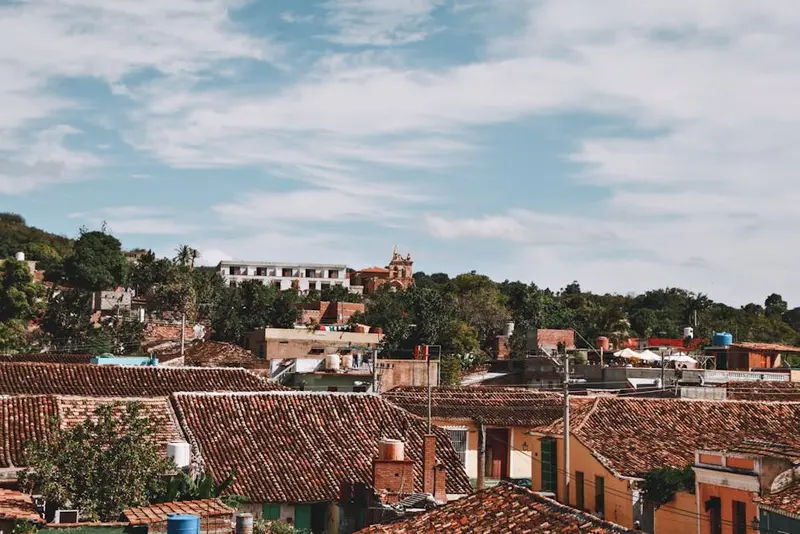
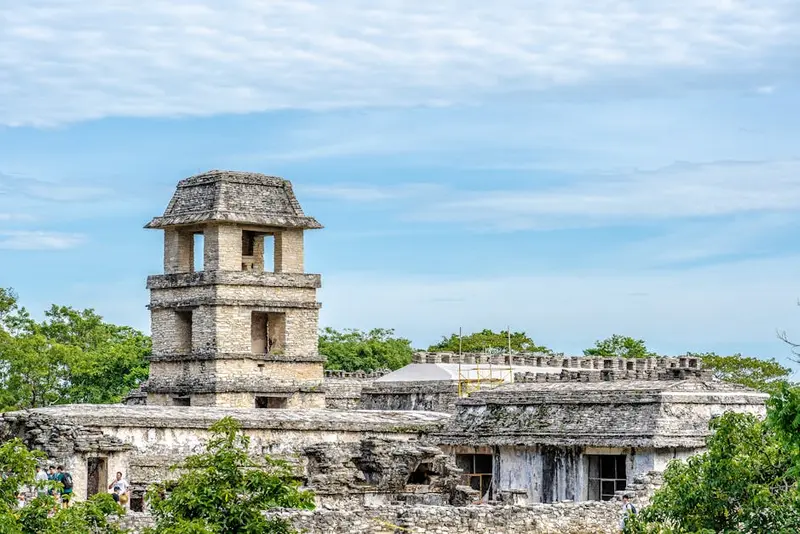
Chiapas is Mexico's southernmost state, bordering Guatemala to the east. In the highlands lies the colonial city of San Cristóbal de las Casas at around 2,200 meters, while in the humid northern lowlands is the Mayan site of Palenque, a UNESCO World Heritage site since 1987. The capital is Tuxtla Gutiérrez, from where boat trips through the Cañón del Sumidero are accessible.
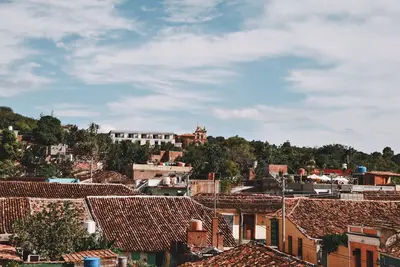
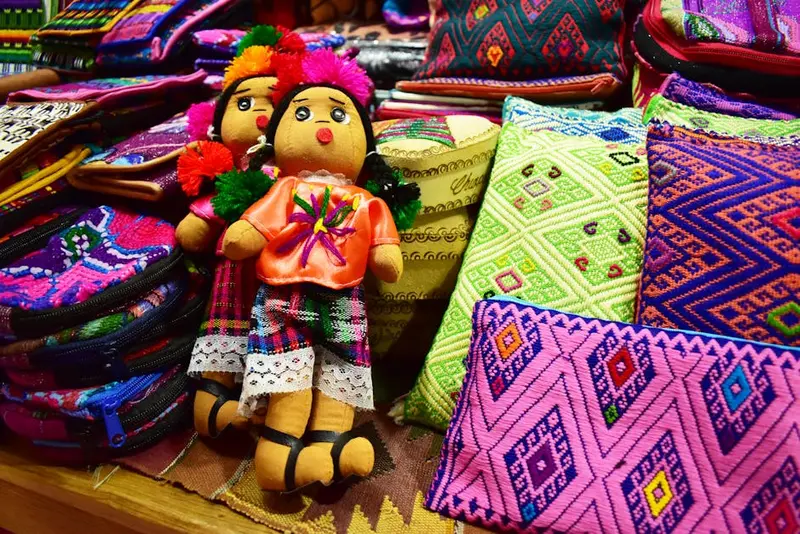
Chiapas stretches from the Pacific coast across the central highlands to the rainforests bordering Guatemala. Most travelers combine three destinations: San Cristóbal de las Casas with its colonial churches and markets, the Mayan city of Palenque in the north, and the Cañón del Sumidero near Tuxtla Gutiérrez, where its rock walls soar up to 1,000 meters. To the south lie Comitán de Domínguez and the Lagunas de Montebello National Park with 59 lakes. The largest indigenous groups are the Tzeltal and Tzotzil, whose languages and traditional clothing you can experience in the highland villages. The dry season from November to April is the most pleasant time to travel.

Eating and Drinking in Chiapas
The cuisine of Chiapas combines corn, cocoa, and local herbs with Spanish influences.
Tamales de chipilín
Maize tamales with Chipilín leaves, a legume common in Chiapas, often cheese-filled.
Pozol
Refreshing drink made from fermented corn dough, often with cocoa, drunk cold from calabashes.
Oven-baked Piglet
Pork cooked in the oven, marinated with spices and chili, a traditional dish from Chiapas.
Café de Chiapas
Coffee from Soconusco and the highlands. In San Cristóbal and Tuxtla, you'll find many roasteries and cafes with regional beans.
Best Time to Visit
When is the best time for your trip?
23–26°C·1–15 mm(little rain)
From November to March, Chiapas has little rain, roads are easily passable, and the highlands are mild by day. In April and May, the lowlands around Tuxtla and Palenque are very hot; from June, the rainy season brings almost daily showers.
The data applies to Tuxtla Gutiérrez, at just over 500 meters (climate normals 1951-2010). The highlands are significantly cooler: San Cristóbal de las Casas, at approx. 2,200 meters, has an annual average of about 15 °C. In December and January, the monthly average is around 13 °C, and nights can be frosty. Pack a warm jacket for the highlands.
Seasons
Jan
Feb
Mar
Apr
May
Jun
Jul
Aug
Sep
Oct
Nov
Dec
Dry season
Wetseason
Best Time to Visit
▶Show detailed monthly data
| Month | Temp (°C) | Rain (mm) |
|---|---|---|
| January | 23.0 | 1 |
| February | 24.3 | 3 |
| March | 26.1 | 3 |
| April | 28.2 | 12 |
| May | 28.7 | 82 |
| June | 27.2 | 217 |
| July | 26.4 | 176 |
| August | 26.5 | 186 |
| September | 26.1 | 191 |
| October | 25.5 | 66 |
| November | 24.4 | 15 |
| December | 23.3 | 3 |
Culture and History
Maya Heritage and Colonial EraDuring the Classic Maya period, city-states like Palenque, Yaxchilán, and Bonampak emerged in Chiapas. In 1528, the Spanish under Diego de Mazariegos founded Villa Real de Chiapa, today's San Cristóbal de las Casas. During the colonial era, Chiapas belonged to the Captaincy General of Guatemala and joined Mexico in 1824. In 1892, the capital was moved from San Cristóbal to Tuxtla Gutiérrez.Indigenous PresentTzeltal and Tzotzil are each spoken by over 400,000 people; in total, over a quarter of Chiapas's population speaks an indigenous language. In villages like San Juan Chamula and Zinacantán, traditional costumes, markets, and religious festivals shape daily life. On January 1, 1994, the Zapatista Army of National Liberation (EZLN) occupied San Cristóbal and other towns, coinciding with NAFTA's entry into force.ExcursionsCañón del Sumidero: Boat trips from Chiapa de Corzo through the approximately 13-kilometer-long canyon of the Río Grijalva.Lagunas de Montebello: National Park with 59 lakes and the Maya site Chinkultic, about an hour from Comitán.Palenque: Maya ruins in the rainforest, burial site of ruler Pakal.
On the road in Chiapas
The main airport is Aeropuerto Internacional Ángel Albino Corzo (TGZ), about 35 kilometers from Tuxtla Gutiérrez. From Tuxtla, a toll highway leads to San Cristóbal de las Casas; the journey takes about one hour.Long-distance buses from the company OCC, as well as Colectivos and minibuses, operate between the cities. Since late 2023, Palenque has been the terminus of the Tren Maya, connecting the town with Campeche and the Yucatán Peninsula.Plan intercity trips during daylight hours. Before and during your trip, consult the current UK FCDO Travel Advice for Mexico.