Fernweh: Home
    ExploreTravel GuidesPlan a tripMy tripLast visited
    de|en
    All Places & RegionsAll highlightsAbout FernwehFAQPrivacy PolicyImprint
    ExploreTravel GuidesPlan a tripMy tripLast visited
    • Overview
    • Places in the region
    • Food culture
    • Best travel time
    • Culture
    • Getting around
    • Nearby
    Veracruz

    Mexico

    Veracruz

    Region

    Veracruz State stretches as a long strip along the Gulf Coast, rising west to Pico de Orizaba, at 5,636m, Mexico's highest peak. Between them lie coffee regions, cloud forests, and river valleys.

    by Felix Gillen

    1. Home
    2. Destinations
    3. Mexico
    4. Veracruz
    Veracruz State stretches as a long strip along the Gulf Coast, rising west to Pico de Orizaba, at 5,636m, Mexico's highest peak. Between them lie coffee regions, cloud forests, and river valleys.Veracruz, a port city, offers colonial history and Son Jarocho music; capital Xalapa, a significant Anthropology Museum. To the north lies El Tajín, a major pre-Columbian Gulf Coast site known for the Pyramid of the Niches.
    The state of Veracruz stretches for approximately 690 kilometers along the Gulf Coast. The eponymous **port city** was the gateway for the Spanish to Mexico since 1519 and today thrives on its port, Danzón, and carnival. In the hinterland lies the capital **Xalapa** with its Anthropology Museum, in the north the ruin city of **El Tajín**, in the south the colonial town of **Tlacotalpan** on the Río Papaloapan. To the west, the land rises to Pico de Orizaba, Mexico's highest mountain.

    More places in Veracruz

    Veracruz (City)

    Veracruz (City)

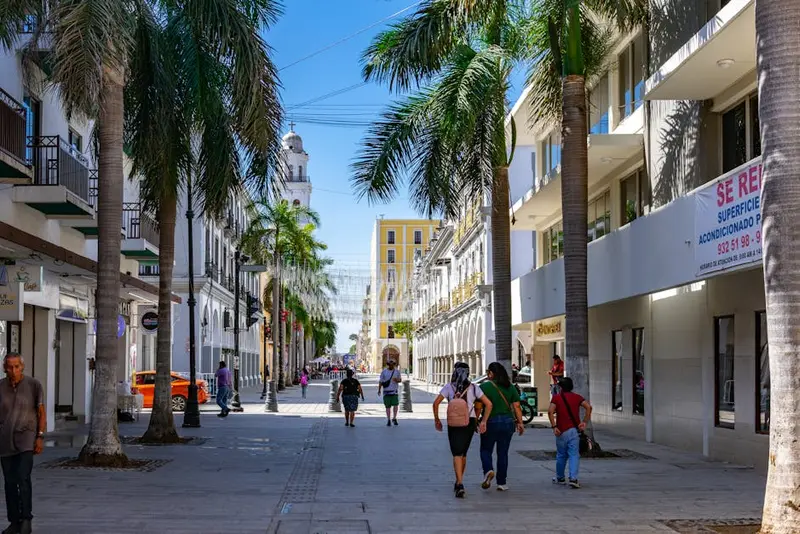
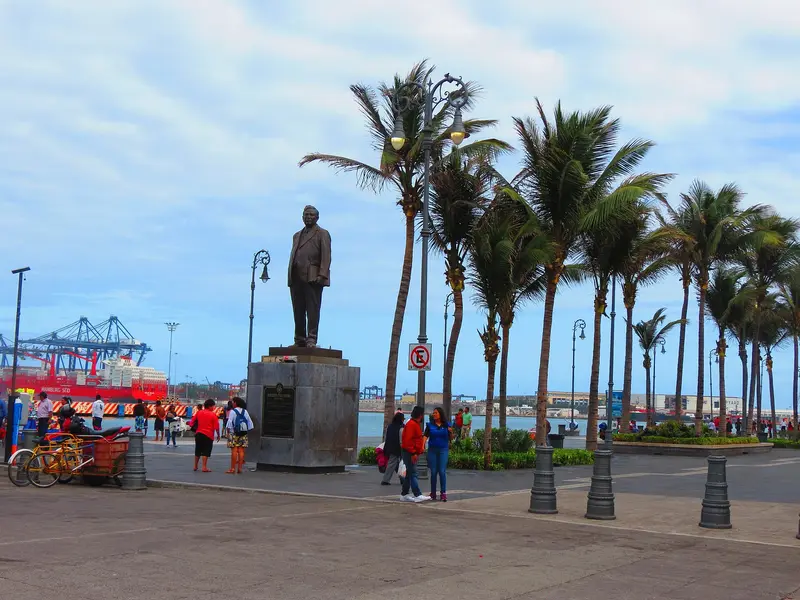
    Veracruz is the most important port city on the Mexican Gulf. Here, in 1519, Hernán Cortés founded Villa Rica de la Vera Cruz, the first Spanish settlement on the American mainland to receive a coat of arms. After a relocation, the city returned to its current site around 1600, opposite the fortress San Juan de Ulúa.In the evenings, Marimba groups play on the Zócalo, couples dance Danzón, and at Gran Café de la Parroquia, guests tap their spoons on glasses to order their Lechero.

    Sights in Veracruz

    Discover the most important sights and attractions

    Archaeological Zone El Tajín
    Museum

    Archaeological Zone El Tajín

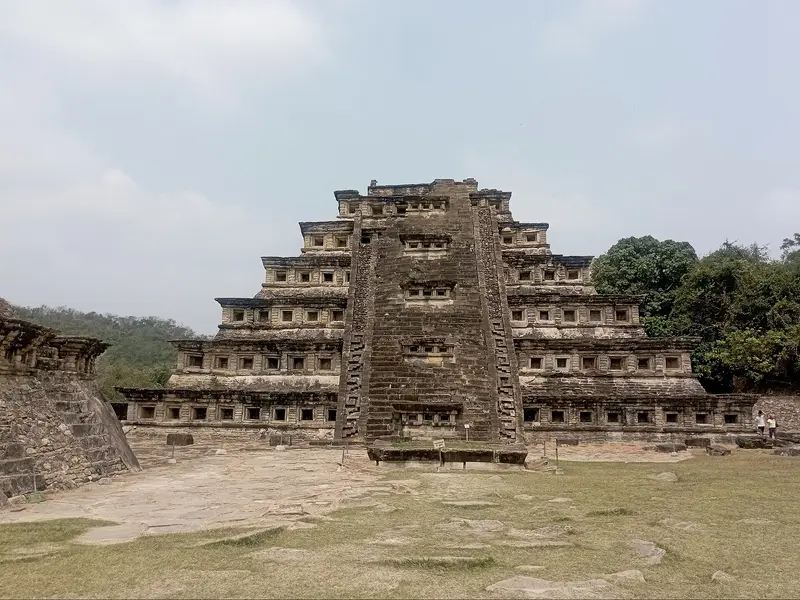
    The ancient city near Papantla in the north of the state flourished from approximately 900 to 1100 and has been a UNESCO World Heritage site since 1992. Its most famous structure is the Pyramid of the Niches, originally with 365 niches; at the entrance, the Voladores perform their ritual mast dance.
    Open in Google Maps
    Tlacotalpan
    Park

    Tlacotalpan

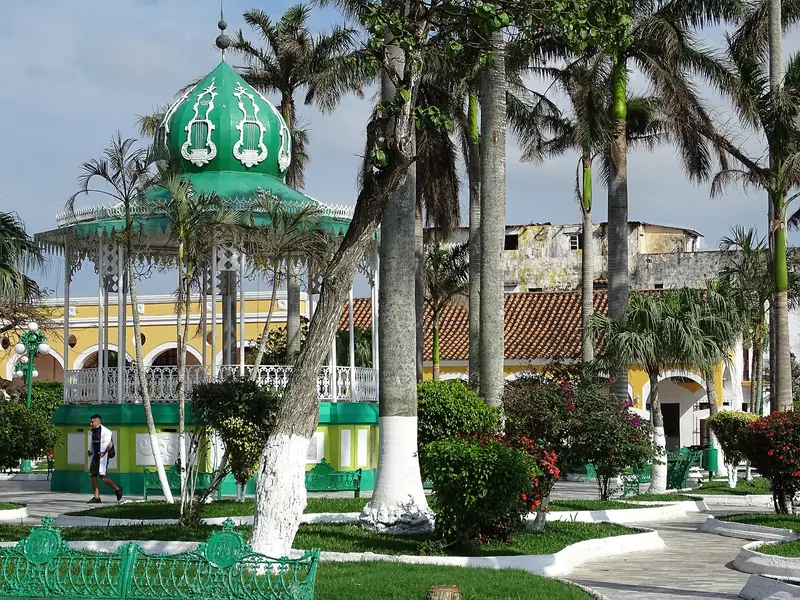
    The small town on the Río Papaloapan, about 90 kilometers southeast of Veracruz, has been a UNESCO World Heritage site since 1998. Its one- and two-story houses with arcades, inner courtyards, and colorful facades are grouped around Plaza Zaragoza; from January 31st to February 2nd, the Virgen de la Candelaria is celebrated here.
    Open in Google Maps
    Museum

    Museum of Anthropology of Xalapa

    The Museum of the Universidad Veracruzana, opened in 1986 in the state capital Xalapa, exhibits in a multi-level building with extensive gardens finds from the Gulf Coast cultures – Olmec, Totonac, and Huastec – including an Olmec colossal head from San Lorenzo Tenochtitlán.
    Open in Google Maps
    Attraction

    Archaeological Zone of Cempoala

    Cempoala, in the coastal plain north of Veracruz near the Río Actopan, was a principal Totonac settlement; in 1519, its ruler Xicomecoatl received Hernán Cortés. Highlights include the Templo Mayor (with battlements) and the Templo de las Chimeneas (with semicircular pillars).
    Open in Google Maps

    Food and Drink

    Along the coast, fish and seafood dominate, while in the highlands around Xalapa and Coatepec, coffee is grown. Many dishes combine Spanish ingredients like olives and capers with chili and corn.

    Huachinango a la veracruzana

    Red Snapper in tomato sauce with olives, capers and garlic.

    Arroz a la tumbada

    Juicy tomato rice with seafood, seasoned with Epazote.

    Picadas

    Thick corn patties with a raised edge, with salsa, onions, and cheese.

    Torito

    Cold liqueur of sugarcane spirit and condensed milk, often with peanut, originally from Tlacotalpan.

    Best Time to Visit

    When is the best time for your trip?

    November
    December
    January
    February
    March
    April
    21–26°C·13–40 mm(little rain)
    From November to April, it rains little and temperatures are usually between 21 and 26 degrees. This time also features Carnival and Candelaria in Tlacotalpan. From June to October, it is hot and wet, with July being the rainiest month at almost 400 millimeters.
    These values apply to the port city of Veracruz. In the highlands around Xalapa, it is significantly cooler, and Pico de Orizaba experiences a high-mountain climate. Between autumn and spring, cold northerly winds, the Nortes, occasionally bring storms and cooler days to the coast. The Atlantic hurricane season lasts from June to November.

    Seasons

    Jan
    Feb
    Mar
    Apr
    May
    Jun
    Jul
    Aug
    Sep
    Oct
    Nov
    Dec
    Dry season
    Crossing
    Wet season
    Best Time to Visit
    ▶Show detailed monthly data
    MonthTemp (°C)Rain (mm)
    January21.238
    February21.618
    March23.413
    April25.624
    May27.474
    June28.0196
    July27.6385
    August28.0321
    September27.6293
    October26.5131
    November24.532
    December22.540

    Culture and Traditions

    Pre-Hispanic CulturesOn the Gulf Coast lived the Olmecs, later the Totonacs and Huastecs. Their traces can be found in El Tajín, in Cempoala, where Cortés encountered the Totonacs in 1519, and in Xalapa's Anthropology Museum.Music and FestivalsSon jarocho, with its harp, jarana, and zapateado dance, originates from southern Veracruz; in the port city, Danzón is danced in the squares. In Papantla and El Tajín, the Voladores perform their ritual mast dance. Major festivals include the Veracruz Carnival and the Candelaria in Tlacotalpan in early February.ExcursionsEl Tajín and Papantla: Ruined city with the Pyramid of the Niches in the northern part of the state.Tlacotalpan: World Heritage town on the Río Papaloapan, about 90 kilometers southeast of the port city.Xalapa: State capital in the highlands with an Anthropology Museum and coffee cultivation in the surrounding area.
    Traveling in the State of Veracruz

    Flights arrive at the airport of the port city of Veracruz; long-distance buses connect the port city with Xalapa, Tlacotalpan, Papantla, and Mexico City. For the ruins of El Tajín, it's best to travel via Papantla or Poza Rica. A rental car is practical for excursions into the hinterland.Plan overland journeys during daylight hours and check the current UK FCDO Travel Advice for Mexico before you go.

    Nearby

    Veracruz (City)

    Veracruz (City)

    Veracruz is the most important port city on the Mexican Gulf. Here, in 1519, Hernán Cortés founded Villa Rica de la Vera Cruz, the first Spanish settlement on the American mainland to receive a coat of arms. After a relocation, the city returned to its current site around 1600, opposite the fortress San Juan de Ulúa.In the evenings, Marimba groups play on the Zócalo, couples dance Danzón, and at Gran Café de la Parroquia, guests tap their spoons on glasses to order their Lechero.
    Barrio del Artista

    Barrio del Artista

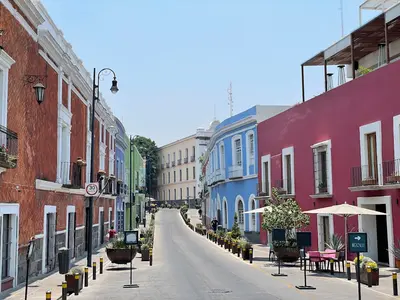
    The Barrio del Artista is a small artists' district on the eastern edge of Puebla's Old Town, approximately ten minutes' walk from the Zócalo. Around a square on Calle 8 Norte, painters work in open studios and sell their paintings directly.

    Los Sapos

    Los Sapos is a neighborhood in the southeast of Puebla's Old Town, a few blocks from the Zócalo. Around Calle 6 Sur between 5 and 7 Oriente, you'll find antique shops, cafés, and bars; on weekends, an antique market is held here.
    Puebla

    Puebla

    Puebla was founded by the Spanish in 1531 and is located at an altitude of approximately 2,135 m between Mexico City and Veracruz. Its Old Town, with its Cathedral, the Rosary Chapel, and numerous facades adorned with Talavera tiles, has been a UNESCO World Heritage site since 1987.The city is considered the birthplace of Mole poblano and Chiles en nogada and is a good starting point for Cholula and the volcanoes Popocatépetl and Iztaccíhuatl.

    Cholula

    Cholula lies about 10 km west of Puebla and comprises the municipalities of San Pedro and San Andrés Cholula. Its landmark is the Great Pyramid, atop which the church Nuestra Señora de los Remedios has stood since 1594.On a clear day, you can see the volcanoes Popocatépetl and Iztaccíhuatl from there.

    Sources & method

    • Photos: Wikimedia Commons, Pexels. Each photo carries its credit.
    • Place data such as addresses and ratings comes from Google Maps.
    • The content is based on web research from public, traceable sources. How the content is made · The role of AI