Fernweh
    ExploreTravel GuidesMy Trips
    de|en
    About FernwehImprintFAQPrivacy Policy
    ExploreTravel GuidesMy Trips
    Barrio del Artista

    Barrio del Artista

    CityCulture
    1. Home
    2. Destinations
    3. Mexico
    4. Barrio del Artista
    Ein charmantes Viertel, bekannt für seine Ateliers, Kunstgalerien und die Möglichkeit, lokale Künstler bei der Arbeit zu beobachten, um einzigartige Werke zu entdecken.
    • Neighborhoods & highlights
    • Walking tours
    • Eat & drink
    • Culture
    • Getting around
    • Accommodation
    • Plan trip
    • Nearby
    • Neighborhoods & highlights
    • Walking tours
    • Eat & drink
    • Culture
    • Getting around
    • Accommodation
    • Plan trip
    • Nearby

    Overview

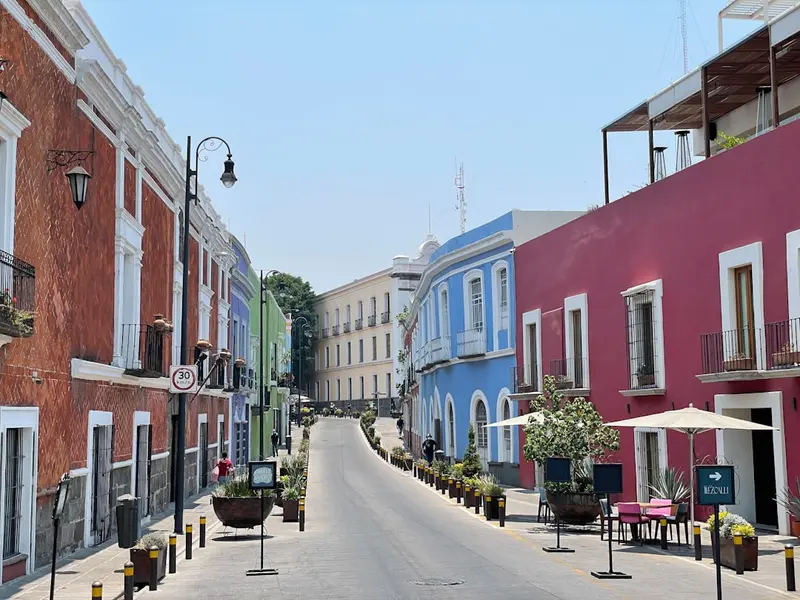
    Das Barrio del Artista in Puebla ist seit den 1940er Jahren das etablierte Zentrum der bildenden Künste der Stadt. Du findest hier zahlreiche offene Ateliers und Galerien, wo lokale Maler und Bildhauer ihre Werke ausstellen und oft direkt vor Ort anfertigen. Die zentrale Plazuela del Artista dient als lebendiger Treffpunkt, umgeben von Gebäuden, die mit traditioneller Talavera-Keramik geschmückt sind. Dieses Viertel ermöglicht dir einen direkten Einblick in Pueblas kreative Szene und den Erwerb einzigartiger Kunstwerke. Für ein ruhigeres Erlebnis empfiehlt sich ein Besuch unter der Woche; am Wochenende beleben Straßenkünstler und Musiker die Plätze. Entdecke zudem versteckte Cafés und Restaurants, die lokale Spezialitäten und eine willkommene Pause bieten.

    Places in Barrio del Artista

    Discover the most important sights and attractions

    Sights in Barrio del Artista

    Catedral de Puebla

    The Catedral de Puebla, officially the Cathedral of Our Lady of the Immaculate Conception, is an outstanding example of colonial architecture in Mexico. Its cornerstone was laid in 1575, though it wasn't consecrated until 1649, making it one of the oldest and most important cathedrals in the country. Here you'll find an impressive blend of Herreriano Renaissance and Baroque styles, reflected in its majestic facade and richly adorned interior. Particularly noteworthy are its two towers, which are among the tallest in Mexico and shape the city's skyline.Inside, splendid altars await you, including the main altar, the Altar de los Reyes, as well as numerous chapels featuring valuable artworks, sculptures, and paintings from various eras. Pay attention to the ornate choir stalls and the historic organ, which is one of the largest on the continent. The cathedral is not only a place of worship but also a museum of religious art and history.Our Tip: Visit the cathedral early in the morning, shortly after opening, to experience the tranquility and special atmosphere without large crowds. For an impressive exterior photo, position yourself on the Zócalo, Puebla's main square, to capture the full splendor of the facade. Remember to dress appropriately, as it is an active place of worship.
    Open in Google Maps

    Zócalo de Puebla

    The Zócalo de Puebla is the city's historic, cultural heart, a prime example of Spanish colonial architecture. Since its 16th-century founding, this main square has been a central meeting point and key event venue. It features the imposing Puebla Cathedral, Palacio Municipal, and inviting Portales to linger. Lined with old trees, hosts the baroque Fuente de San Miguel, a beloved photo op. Observe city life, street performers, or simply soak in the atmosphere. Our Tip: Visit early morning for peace before crowds and admire its architecture undisturbed. Evenings, the square buzzes with strolling families and couples. For authenticity, sit on a bench and observe local life. Avoid weekend lunchtimes; it can get very crowded.
    Open in Google Maps

    Museo Amparo

    The Museo Amparo in Puebla is one of Mexico's most important private cultural institutions, housing an impressive collection of pre-Columbian, colonial, and modern art. It is located in two carefully restored 17th and 18th-century colonial buildings, which once served as a hospital and a women's college. It was founded in 1987 by Manuel Espinosa Yglesias, named after his wife Amparo Rugarcía. A visit promises a comprehensive journey through Mexico's art history, from Olmec and Maya artifacts to works by contemporary artists. The exhibition spaces are modern in design and harmonize perfectly with the historical architecture. Particularly noteworthy is the pre-Hispanic art collection, which offers deep insights into the cultures before the arrival of the Spanish. Our Tip: Plan your visit for a weekday morning to avoid the crowds and view the exhibits in peace. Don't miss the rooftop terrace; it offers spectacular panoramic views over Puebla's historic center and is an ideal spot for photos.
    Open in Google Maps

    Biblioteca Palafoxiana

    The Biblioteca Palafoxiana in Puebla is an outstanding example of Baroque library architecture and is considered the first public library in the Americas. It was founded in 1646 by Bishop Juan de Palafox y Mendoza, who made his private collection accessible to the public. Here you will find an impressive collection of over 45,000 books, dating from the 15th to the 20th century, housed in magnificent cedarwood shelves on three levels. In 2005, UNESCO declared the library a Memory of the World site, underscoring its global significance. Our tip: It's best to visit the library right after opening to best capture the tranquil atmosphere and unique light. Pay attention to the intricate details of the shelves and the antique globes. Photography is often only allowed without flash to protect the delicate collection.
    Open in Google Maps

    Museo Casa de Alfeñique

    The Museo Casa de Alfeñique in Puebla, located in the historic Barrio del Artista, is an outstanding example of 18th-century local Baroque architecture. It owes its name to the elaborate stucco facade, reminiscent of the delicate sugar paste Alfeñique, a traditional sweet of the region. Here you'll find Puebla's first regional museum, which opened its doors in 1926 and offers deep insights into the state's history and culture. Inside, several halls await you, furnished with colonial furniture, regional costumes, ceramics, and even pre-Columbian artifacts. The exhibitions illuminate life in Puebla from pre-colonial times to the 19th century, showcasing the development of society and its customs. Practical tip: Pay special attention to the facade's details in the morning, when the light best highlights the delicate ornaments. To avoid crowds and view the exhibits in peace, a weekday visit is recommended, ideally right after opening. The museum offers an authentic perspective on Puebla's rich heritage.
    Open in Google Maps

    City walks in Barrio del Artista

    Curated walking tours through the city's highlights — handpicked by experienced travel journalists.

    Pueblas Künstlerseele: Ein Spaziergang durch das Barrio del Artista und seine Schätze

    Tauchen Sie ein in das künstlerische Herz von Puebla mit diesem 2,5-stündigen Spaziergang. Entdecken Sie lebendige Ateliers, farbenfrohe Antiquitätenmärkte und probieren Sie traditionelle Süßigkeiten, während Sie die charmante Architektur der Stadt bewundern. Eine perfekte Mischung aus Kunst, Kultur und lokalem Flair.

    ~2 Std. 30 Min.
    In Google Maps öffnen
    Stopps (6)

    Essen & Trinken

    Art, History, and Traditions in Barrio del Artista

    The Barrio del Artista in Mexico emerged as a crucial meeting point for creative minds, with its roots traceable back to the mid-20th century. Originally founded in response to the growing art scene and the desire for a dedicated space for artistic exchange, it quickly developed into a vibrant center for painters, sculptors, and artisans.The architecture of the district is characterized by traditional Mexican styles, often featuring bright, bold colors on the facades and wrought-iron details. Many buildings house open studios and galleries, allowing insights into the creative process. Cultural highlights include the presence of murals and sculptures in public spaces, transforming the streets into a permanent open-air gallery.Local traditions manifest themselves in regular art markets, workshops, and live performances, celebrating the diversity of Mexican art and craftsmanship. The district is also a guardian of regional art forms, from traditional ceramics to contemporary painting, and actively promotes dialogue between artists and the public.

    Getting around

    The charming Barrio del Artista invites visitors to explore its narrow streets and artistic corners **comfortably on foot**. This is often the best and most enjoyable way to discover the vibrant life and numerous galleries of the district, as large parts are pedestrian-friendly.For getting to the Barrio or further explorations in Mexico City, the efficient public transport network is recommended. The **Metro** and **Metrobús** are excellent options; get a **Tarjeta de Movilidad Integrada**, which is valid for all public transport. Useful apps like **Moovit** help with route planning and real-time information.Those who prefer more flexibility can use **taxis** or ride-sharing services like **Uber** or **DiDi**, which offer a safe and comfortable alternative, especially in the evenings. Bicycles and e-scooters are less practical within the compact Barrio but can be an option for trips to adjacent neighborhoods. Plan your trips outside of peak hours to avoid the intense city traffic.

    Accommodations in Barrio del Artista

    Accommodations in Barrio del Artista

    Find perfect stay in Barrio del Artista

    Booking.com
    Search Hotels
    Agoda
    Search Hotels
    Airbnb
    Vacation Rentals
    Hotels.com
    Hotels Worldwide
    Hostelworld
    Hostels

    Plan your trip to Barrio del Artista

    Save places, build a route and plan your city trip — all in one place.

    Save places

    Bookmark sights, restaurants and neighborhoods you're interested in.

    Build your route

    Turn your bookmarks into a route — define order, days and budget.

    Refine with AI

    Let Mein Fernweh suggest experiences and put together a tailored daily plan.

    Start trip planningOpen bookmarks

    Locations nearby

    These places are nearby — perfect for additional days or a day trip.

    Centro Histórico

    Centro Histórico

    The Centro Histórico is Mexico's historic heart, where you discover Aztec roots and colonial splendor. At the vast *Zócalo*, the **Metropolitan Cathedral** and the **National Palace** dominate, featuring Diego Rivera's famous murals. Right next door, the **Templo Mayor** reveals the ruins of Tenochtitlán; not far away stands the magnificent **Palace of Fine Arts** as an important cultural center. The lively streets offer numerous museums, shops, and authentic restaurants. Explore the district and the pedestrian zone **Calle Madero** ideally *early in the morning* or during the week to avoid the crowds.
    Los Sapos

    Los Sapos

    The Barrio de Los Sapos in Puebla is a lively district, known for its picturesque antique market and colorful colonial architecture. Here you'll find an impressive selection of antiques, handicrafts, traditional Talavera pottery, old books, and furniture. The district's name, 'The Frogs', possibly refers to former watering holes or the many small shops that have set up here. Especially on weekends, the Plazuela de los Sapos transforms into a bustling open-air market, inviting visitors to browse and discover. Ideally, plan your visit for a **Saturday or Sunday** to experience the full market hustle and find the best selection; haggling is common and expected here.
    Puebla

    Puebla

    Puebla, a UNESCO World Heritage city, captivates with its well-preserved colonial architecture and vibrant urban landscape. You'll find a wealth of churches here, including the impressive Cathedral on the Zócalo and the ornate Capilla del Rosario within the Santo Domingo Church. The city is renowned for its unique Talavera pottery, whose intricate products you can discover in numerous galleries and workshops in the Barrio del Artista. Culinary-wise, Puebla offers specialties such as Mole Poblana and Chiles en Nogada; try these in traditional restaurants or on the Calle de los Dulces. A stroll through the historic center reveals colorful facades and charming courtyards that reflect its rich history. The dry season from October to May is ideal for explorations, as the climate is particularly pleasant then. Also visit the Loreto y Guadalupe Fort, the historical site of the Battle of Cinco de Mayo.
    Cholula

    Cholula

    Cholula, one of Mexico's oldest continuously inhabited cities, captivates with its rich history and unique architecture. The city is dominated by the Great Pyramid of Cholula, the largest structure of its kind worldwide by volume, topped by the colonial church Nuestra Señora de los Remedios. You can explore the archaeological zone and wander through tunnels inside the pyramid to understand its layers. The cityscape is also shaped by numerous churches and chapels reflecting its colonial past. The lively Zócalo and traditional market offer insights into local life and regional gastronomy. For a comprehensive experience, a morning visit is recommended to avoid crowds and enjoy views of the volcanoes Popocatépetl and Iztaccíhuatl in clear weather.
    Coyoacán

    Coyoacán

    Ein charmantes Kolonialviertel im Süden der Stadt, das mit seinen Kopfsteinpflasterstraßen, Plazas und dem berühmten Frida Kahlo Museum eine einzigartige, künstlerische Ausstrahlung besitzt.