Fernweh: Home
    ExploreTravel GuidesPlan a tripMy tripLast visited
    de|en
    All Places & RegionsAll highlightsAbout FernwehFAQPrivacy PolicyImprint
    ExploreTravel GuidesPlan a tripMy tripLast visited
    • Neighborhoods & highlights
    • Walking tours
    • Eat & drink
    • Culture
    • Getting around
    • Accommodation
    • Plan trip
    • Nearby
    Djurgården

    Sweden

    Djurgården

    CityCulture

    The island of Djurgården in Stockholm, once a royal hunting ground, is now a large green space and one of the city's most important cultural centers.

    by Felix Gillen

    1. Home
    2. Destinations
    3. Sweden
    4. Stockholm
    5. Djurgården
    The island of Djurgården in Stockholm, once a royal hunting ground, is now a large green space and one of the city's most important cultural centers. Highlights include the Vasa Museum, home to the almost completely preserved 17th-century warship, and the open-air museum Skansen. Also on Djurgården are the Nordic Museum, the Gröna Lund amusement park, and Prince Eugen's Waldemarsudde, the former residence of the painting prince, with its park. You can reach the island by ferry from Slussen or by tram line 7. Spring and autumn are ideal for a relaxed exploration of the parks and museums, when there are fewer visitors.

    Sights in Djurgården

    Discover the most important sights and attractions

    1Vasa-Museum

    The Vasa Museum on Djurgården showcases the warship Vasa, which sank on its maiden voyage in Stockholm Harbor on August 10, 1628, and was salvaged in 1961 after 333 years on the seabed with its hull largely intact. It is considered the best-preserved 17th-century ship in the world and is an impressive testament to Swedish shipbuilding artistry. Inside the museum, you can view the ship from several levels, offering different perspectives on its size and the intricate carvings. Exhibitions surrounding the Vasa tell the story of its construction, sinking, and salvage, as well as the life of the people on board. Our Tip: Come right after opening or in the late afternoon to avoid the biggest crowds. The lighting inside is dim to protect the ship, so plan accordingly for photos.
    Open in Google Maps

    2Skansen

    Skansen on Djurgården is Sweden’s oldest open-air museum. Artur Hazelius opened it on October 11, 1891, to preserve the traditional way of life that was threatened by industrialization. Around 150 historic buildings from across Sweden, including farmsteads, workshops, and a church, showcase life from the 18th to the early 20th century. Craftsmen demonstrate old techniques, and the zoo is home to Nordic species like moose, reindeer, brown bears, lynx, and wolverines. Our Tip: Visit on a weekday morning when it's quieter. The traditional Midsummer and Christmas events are particularly atmospheric. Plan at least half a day.
    Open in Google Maps
    Blockhusudden Lighthouse
    Attraction

    3Blockhusudden Lighthouse

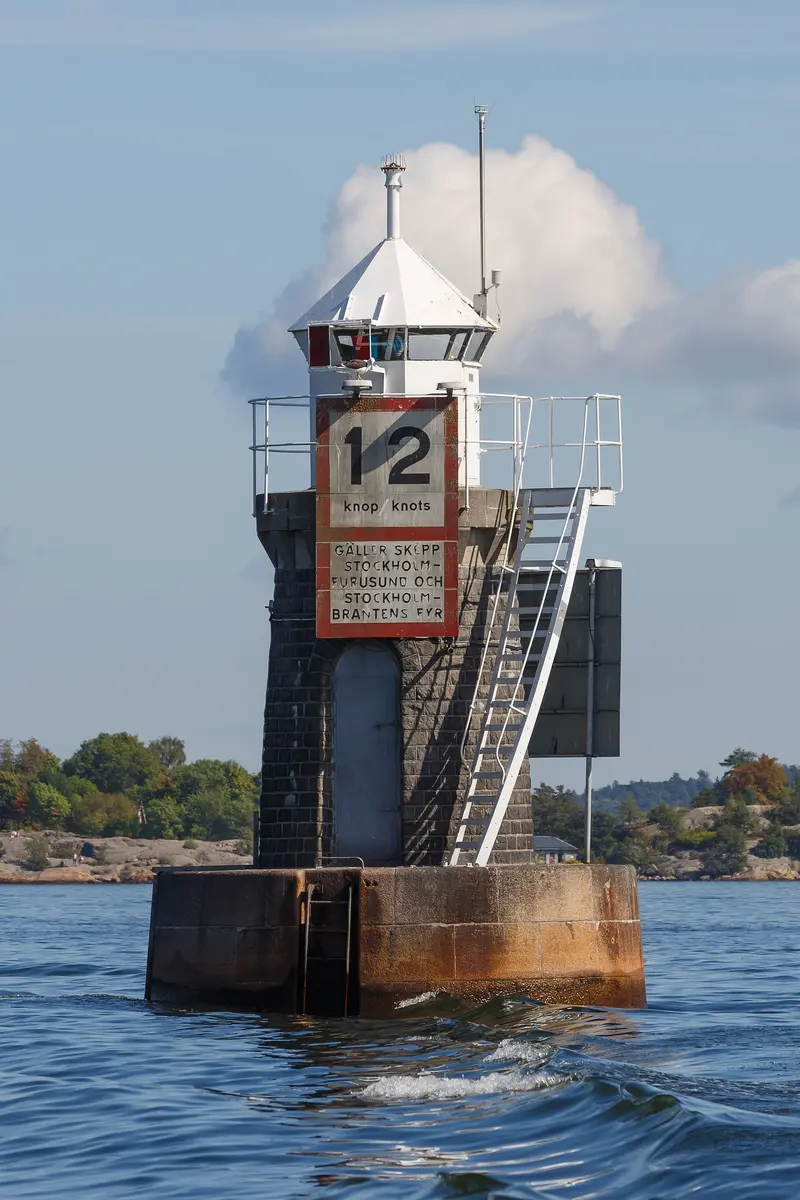
    The Blockhusudden Lighthouse stands at the eastern tip of Djurgården island, by the shipping lane towards Stockholm, opposite the Fjäderholmarna islands. The tower itself is not accessible, but from the headland, you'll have a good view of the ship traffic and the inner archipelago. Our tip: For soft light for photos, visit in the early morning or late afternoon.
    Open in Google Maps
    Kungseken, Djurgården
    Attraction

    4Kungseken, Djurgården

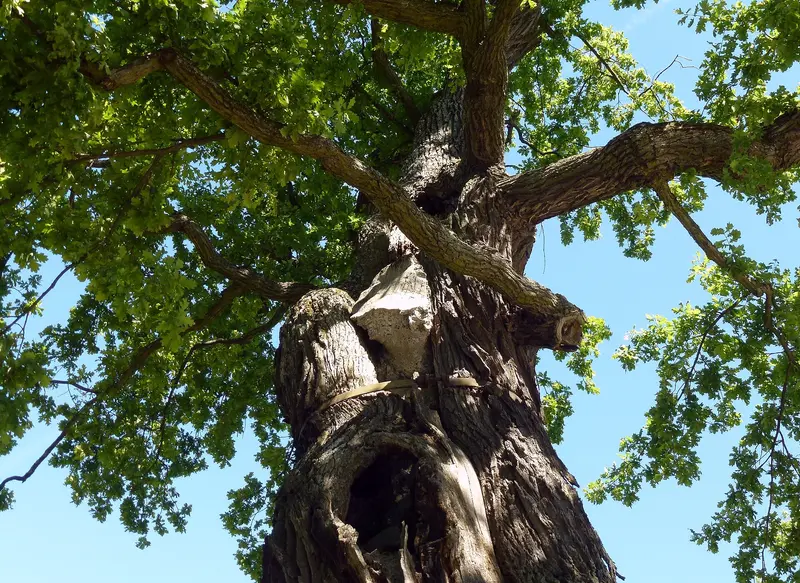
    The Kungseken, the King's Oak, is a very old oak on the island of Djurgården and is one of Stockholm's most famous trees. It stands in the quieter eastern part of the island and has witnessed Djurgården's development from a royal hunting ground to a recreational area. A visit here can be well combined with a stroll along the coast.
    Open in Google Maps
    Royal National City Park
    Park

    5Royal National City Park

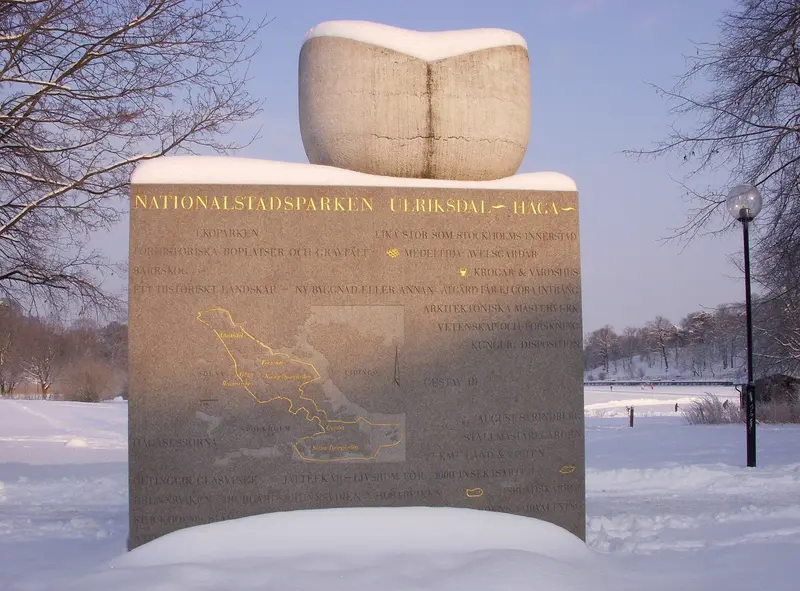
    The Royal National City Park (Kungliga nationalstadsparken) was established in the mid-1990s by the Swedish Parliament. It spans parts of Stockholm, Solna, and Lidingö, covering approximately 26 square kilometers of forest, meadows, cultural landscapes, and water. Djurgården is part of this protected area, allowing you to walk directly from the museums into nature. Our tip: Explore the eastern part of the island on foot or by bike; the paths are quietest in the morning.
    Open in Google Maps

    City walks in Djurgården

    Curated walking tours through the city's highlights, handpicked by experienced travel journalists.

    Djurgården: Museums, Rosendal and Waldemarsudde

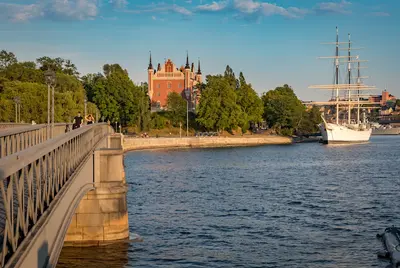
    Via Djurgårdsbron, you reach the western part of the island with Nordiska museet, Vasamuseet, and Skansen. Then you go to Rosendal Palace with its garden and finish at Prince Eugen's former residence, Waldemarsudde.

    ~2 Std.
    Open in Google Maps
    Stops (6)

    Essen & Trinken

    Djurgården's cultural heritage

    From Hunting Grounds to Public ParkThe Swedish Crown has owned Djurgården since the 15th century. King John III announced in 1579 his plan to establish an animal park here, and in 1581 had reindeer, and later also deer, introduced. Under Gustav III, the focus in the late 18th century increasingly shifted to pleasure and recreation, and the island became a popular excursion destination for Stockholmers.Museums and Exhibition BuildingsThe Biological Museum was established in 1893. The Nordic Museum was built according to plans by Isak Gustaf Clason starting in 1888, was half-finished for the Stockholm Exhibition of 1897, and was completed in 1907. The monumental building is based on the Dutch-influenced Danish Renaissance. Many buildings from the 1897 exhibition are particularly well preserved around Lejonslätten.Architecture and TraditionsArchitecturally, royal buildings like Rosendal Palace, built for Karl XIV Johan from 1823 to 1827, historic houses in the open-air museum Skansen, and late 19th-century constructions mix. Skansen, opened in 1891 by Artur Hazelius, preserves buildings and craftsmanship from all over Sweden and is still today the venue for traditional festivals such as Midsummer.

    Locally on the go

    On Foot and By BikeDjurgården is easily explored on foot; the major museums are close to each other, and there's little car traffic in the park areas. For the quieter east of the island, rental bikes are recommended.Tram, Bus, and FerryTram line 7 goes from T-Centralen via Norrmalmstorg to Djurgården; historic trams also run on this route. Bus 67 connects Odenplan with Skansen; lines 69 and 76 stop at Djurgårdsbron, about a ten-minute walk away. For a particularly scenic arrival, take Ferry Line 82 from Slussen via Skeppsholmen to the Allmänna gränd stop, near Gröna Lund and Skansen. Normal SL tickets are valid on it.TicketsTickets can be purchased in the SL-App, at a vending machine, or contactlessly with a bank card. You can also find timetables in the app. Taxis are available but significantly more expensive than public transport.

    Accommodations in Djurgården

    Find perfect stay in Djurgården

    Booking.com* (Affiliate link)
    Search Hotels
    Agoda* (Affiliate link)
    Search Hotels
    Airbnb
    Vacation Rentals

    * Affiliate link: if you book through it, we earn a small commission. The price stays the same for you.

    Campgrounds in Djurgården

    Find perfect campground in Djurgården

    Search via Google Maps
    Campgrounds nearby (15km)
    Camping.info
    Find Campgrounds
    Park4Night
    RV Parks & Camping

    Plan your trip to Djurgården

    Save places, build a route and plan your city trip, all in one place.

    1. 1
      Sunrise over alpine peaks and a sea of clouds
      1234

      Round trip

      12 days · 4 stops

      Saved

      Pick a route

      Pick a ready-made one or save places and plan your own.

      Open bookmarks
    2. 2

      Trip to Djurgården

      Live
      • 1Vasa-Museum3 days
      • 2Skansen4 days
      • 3Blockhusudden Lighthouse5 days
      Budget

      Plan your trip

      The planner sorts stops, days and budget. Plan together in real time.

      Start trip planning
    3. 3
      9:41 No signal
      Djurgården
      Available offline

      Use it on the road

      Download the guide to your phone and use it on site, even offline.

    Nearby

    Gamla Stan

    Gamla Stan

    Gamla Stan, Stockholm's historic Old Town, is located on the island of Stadsholmen and represents the city's medieval heart. Here you'll discover narrow cobblestone streets, colorful merchant houses, and historic squares that define the urban landscape. The Royal Palace, Storkyrkan (Stockholm Cathedral), and the Nobel Museum on central Stortorget are key attractions. Particularly characteristic are the narrowest alley, Mårten Trotzigs Gränd, as well as the many small boutiques and traditional cafés. Founded in the 13th century, the district preserves its charm with buildings from the 17th and 18th centuries. To experience the special atmosphere undisturbed, a visit in the early morning hours is recommended. Also, plan time for a traditional Fika in one of the cozy cafés.
    Stockholm

    Stockholm

    Stockholm, the capital of Sweden, stretches across 14 islands where Lake Mälaren flows into the Baltic Sea, and is often called the "Venice of the North". The city combines the medieval alleyways of Gamla Stan with modern architecture, a rich museum landscape on Djurgården, and plenty of greenery by the water. Directly in front of the city, the archipelago begins, which can be easily explored by ferry as a day trip.
    Norrmalm

    Norrmalm

    Norrmalm is Stockholm's central business district. Around Sergels torg, created during Nedre Norrmalm's 20th-century redesign, are shopping streets, department stores, restaurants, and cultural institutions. The district also includes Kungsträdgården Park.
    Södermalm

    Södermalm

    Södermalm is known as the hub of Stockholm's alternative and creative scene. From the island's hills, you'll enjoy sweeping skyline views, plus independent boutiques, cafés, and a vibrant nightlife.
    Vasastan

    Vasastan

    Vasastan is a sought-after residential district north of the city center, built mostly between the 1880s and 1920s. Besides Neo-Renaissance apartment buildings, Art Nouveau buildings, especially in Birkastaden, and National Romantic blocks shape the scene. Parks such as Vasaparken and Observatorielunden and numerous cafés make the district a quiet counterpoint to the center.

    Sources & method

    • Photos: Wikimedia Commons, Unsplash. Each photo carries its credit.
    • Place data such as addresses and ratings comes from Google Maps.
    • The content is based on web research from public, traceable sources. How the content is made · The role of AI