Turkey
Southeastern Anatolia
Region
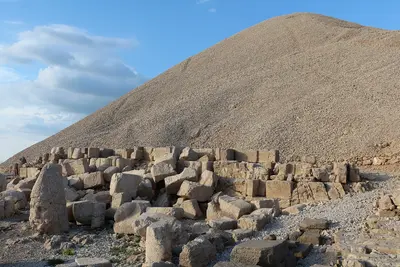
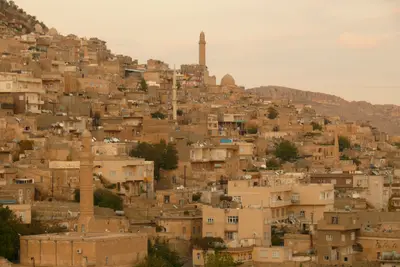
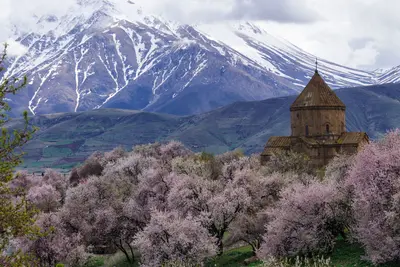
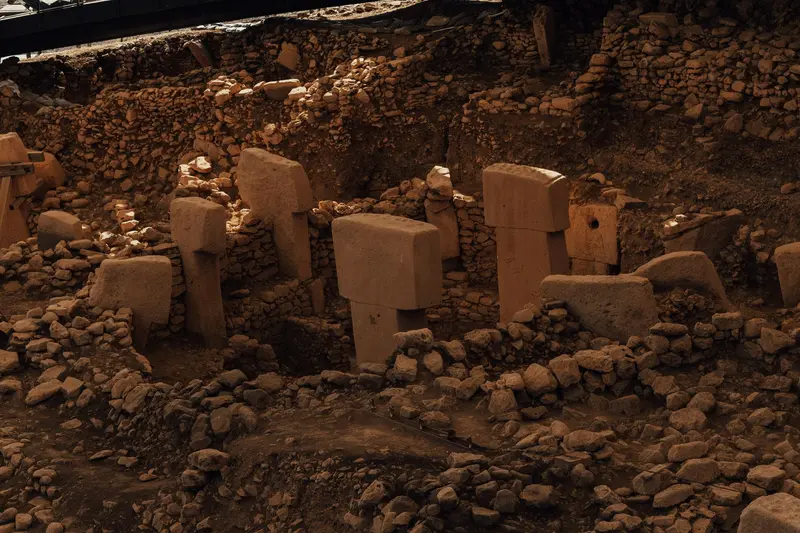
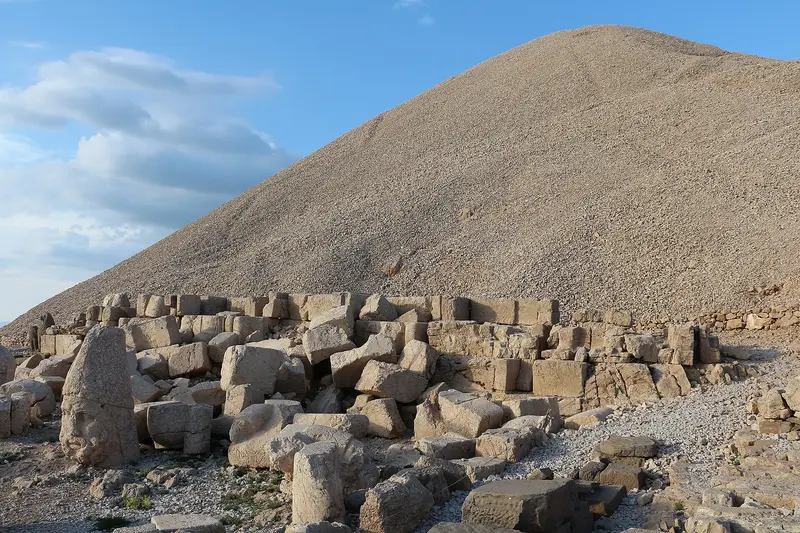
Southeastern Anatolia is the land between the Euphrates and Tigris, bordering Syria, home to Göbekli Tepe, the colossal statues of Mount Nemrut, and the stone city of Mardin.
by Felix Gillen
Southeastern Anatolia is the land between the Euphrates and Tigris, bordering Syria, home to Göbekli Tepe, the colossal statues of Mount Nemrut, and the stone city of Mardin. Here lie some of humanity's oldest cult sites, plus Gaziantep, the capital of Turkish cuisine. If you seek archaeology and hearty, spicy cuisine, this is the right place.
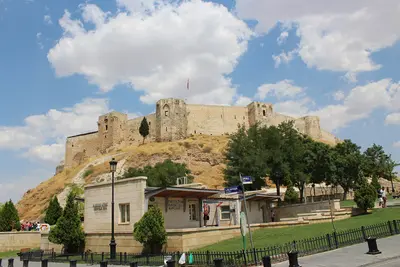
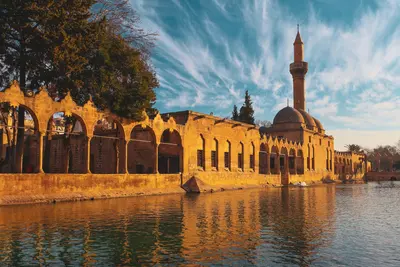
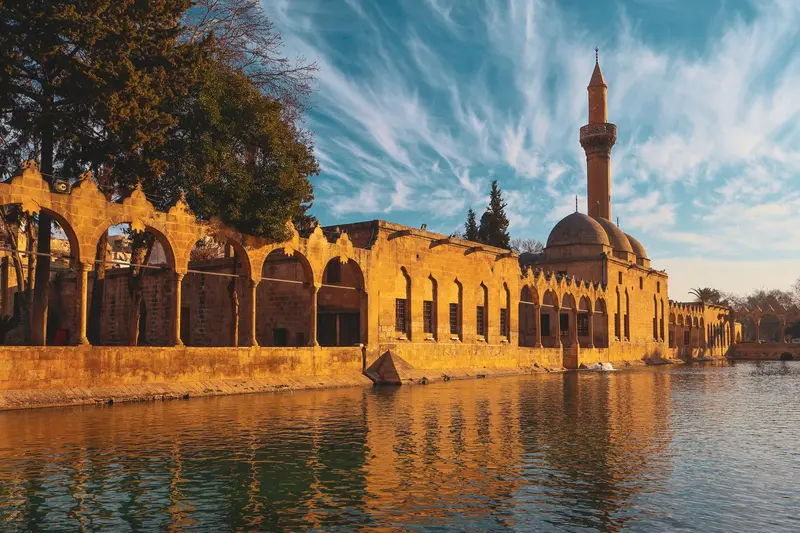
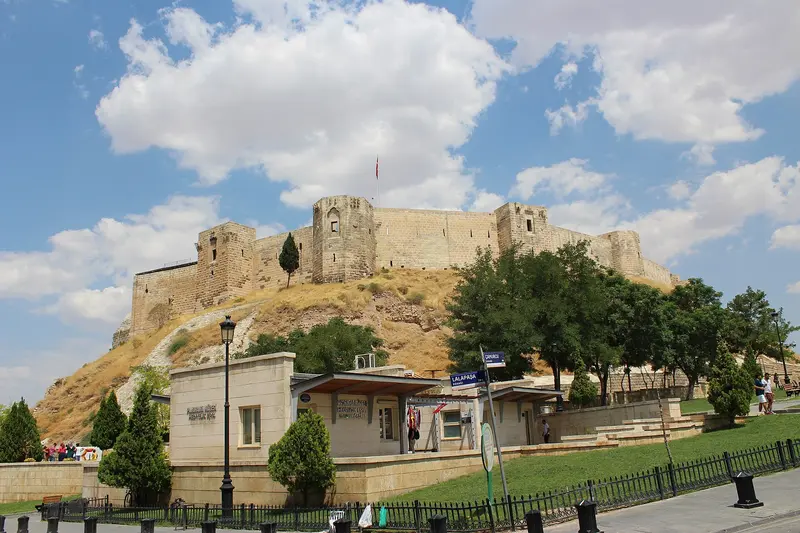
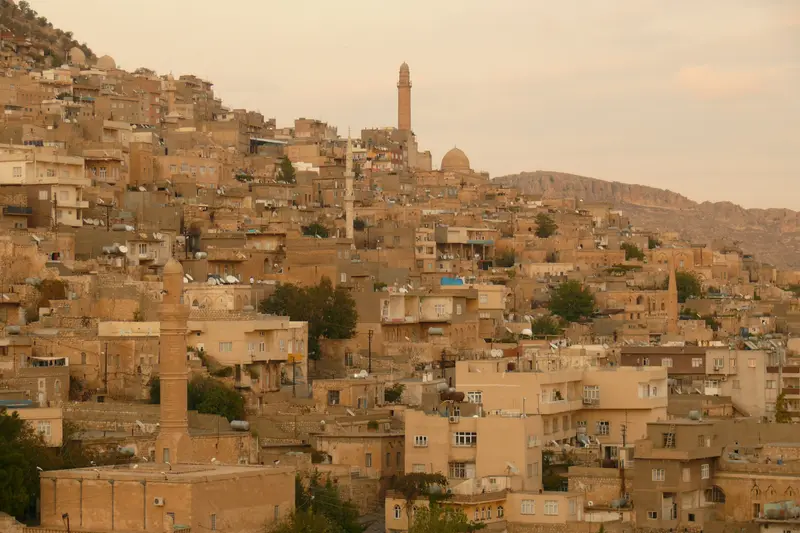
OverviewThe region covers approximately 59,000 km² and extends from Gaziantep in the west, through Şanlıurfa and Mardin, to Siirt. Its two sub-regions are named after the Middle Euphrates and Tigris. The region's UNESCO World Heritage Sites include Göbekli Tepe, Nemrut Dağı, and the Fortress and Hevsel Gardens of Diyarbakır.Best Travel Time and EarthquakesThe climate is semi-arid and continental, with very hot, dry summers and cold, often snowy winters. Due to the summer heat, spring and autumn are ideal, and access to Nemrut Dağı is usually closed in winter because of snow. The earthquakes of February 6, 2023, affected eleven provinces, including Gaziantep, Şanlıurfa, and Adıyaman. Many historical monuments have since been restored, such as Gaziantep Castle, while work continues on others.What Awaits YouŞanlıurfa: Abraham's city with Balıklıgöl and the nearby Göbekli Tepe.Mardin: Old town on the slope above the Mesopotamian plain, monasteries in Tur Abdin.Gaziantep: UNESCO City of Gastronomy and Zeugma Mosaic Museum.Nemrut Dağı: Colossal statues of Commagene, best visited at sunrise.The region borders Syria and Iraq. Before you travel, check the current travel advice from the UK Foreign, Commonwealth & Development Office (FCDO).
Food and Drink
The Southeast is Turkey's spice kitchen, with pistachios, Isot pepper, bulgur, and lamb. Gaziantep has been a UNESCO Creative City of Gastronomy since 2015.
Antep Baklava
Gaziantep Pistachio Baklava has held an EU Protected Geographical Indication since 2013.
Ciğer Kebap
In Şanlıurfa, charcoal-grilled liver skewers are enjoyed at any time of day.
Kaburga Dolması
The Mardinian specialty of stuffed lamb ribs is cooked for almost three hours
Beyran
The soup is a classic breakfast in Gaziantep.
Culture & History
The First SanctuariesGöbekli Tepe, utilized from around 9500 BC, has been a UNESCO World Heritage site since 2018. The Urfa Man, from the same epoch, is displayed in the Şanlıurfa Archaeology Museum.Commagene, Rome, and EdessaAround 62 BC, Antiochus I of Commagene had his tomb sanctuary erected on Nemrut Dağı. Mosaics from Zeugma and the columns on Şanlıurfa's Castle Hill date back to Roman times.Christians and MuslimsSyriac Orthodox monasteries like Deyrulzafaran and Mor Gabriel have existed since the 4th and 5th centuries. The Artuqids and Akkoyunlu left behind mosques and madrasahs in Mardin.
Getting There & Around
Getting ThereThe region has airports in Gaziantep, Şanlıurfa, Mardin, and Adıyaman. In Gaziantep and Şanlıurfa, Havaş shuttles run to the city center.Getting AroundDistances are significant. For Göbekli Tepe, Harran, Tur Abdin, and Nemrut Dağı, a rental car or a guided tour is most practical.TipIn summer, plan early morning visits. For sunrise at Nemrut Dağı, it's best to stay overnight in Kahta or Karadut.