ExploreTravel GuidesMy Trips
    de|en
    All Places & RegionsAbout FernwehFAQPrivacy PolicyImprint
    ExploreTravel GuidesMy Trips
    Pulau Weh
    Island

    Pulau Weh

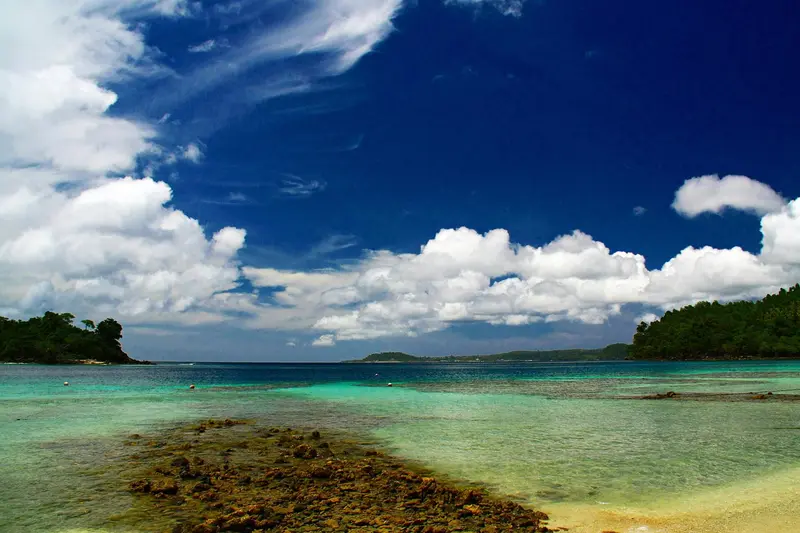
    Pulau Weh, off the northern tip of Sumatra, is Indonesia's westernmost inhabited island. Clear bays, good reefs, and a relaxed atmosphere make it a destination for divers and snorkelers.

    More
    1. Home
    2. Destinations
    3. Indonesia
    4. Pulau Weh
    Pulau Weh, off the northern tip of Sumatra, is Indonesia's westernmost inhabited island. Clear bays, good reefs, and a relaxed atmosphere make it a destination for divers and snorkelers.
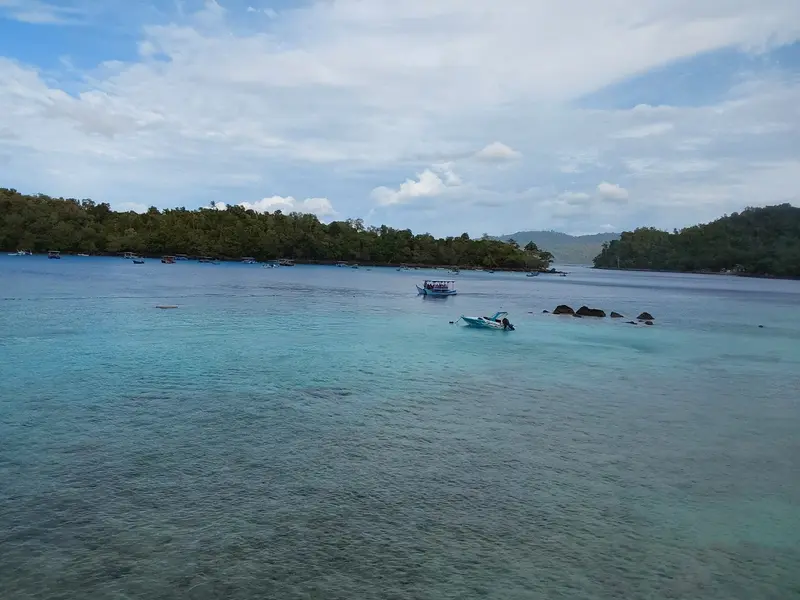
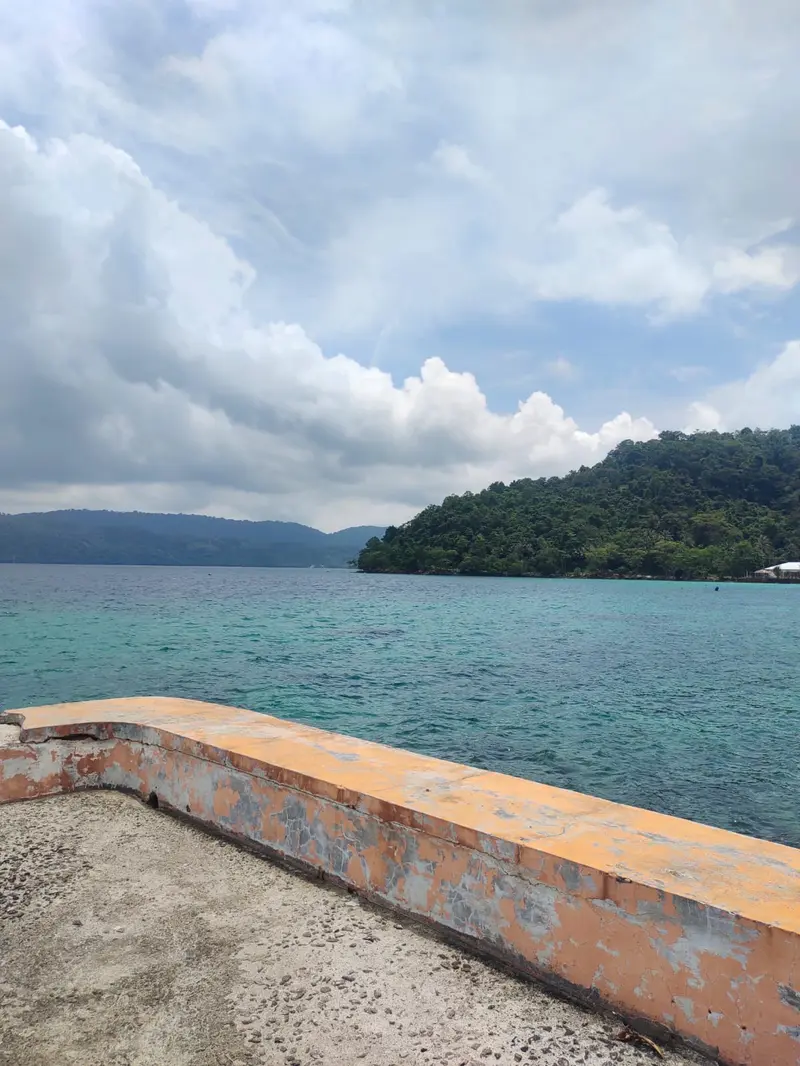
    Pulau Weh is located off Banda Aceh in the Andaman Sea and belongs to Aceh province. Its main town is the port city of Sabang. Most travelers stay in the village of Iboih in the northwest or at Gapang Bay, where dive schools and simple bungalows are located by the water. Off Iboih lies the small island of Rubiah, with reefs you can reach by snorkeling from the shore. At its northwest tip, the Kilometer Nol monument marks Indonesia's westernmost point. The island is green and hilly, and life is peaceful.

    Sights in Pulau Weh

    Discover the most important sights and attractions

    Pulau Rubiah
    Attraction

    Pulau Rubiah

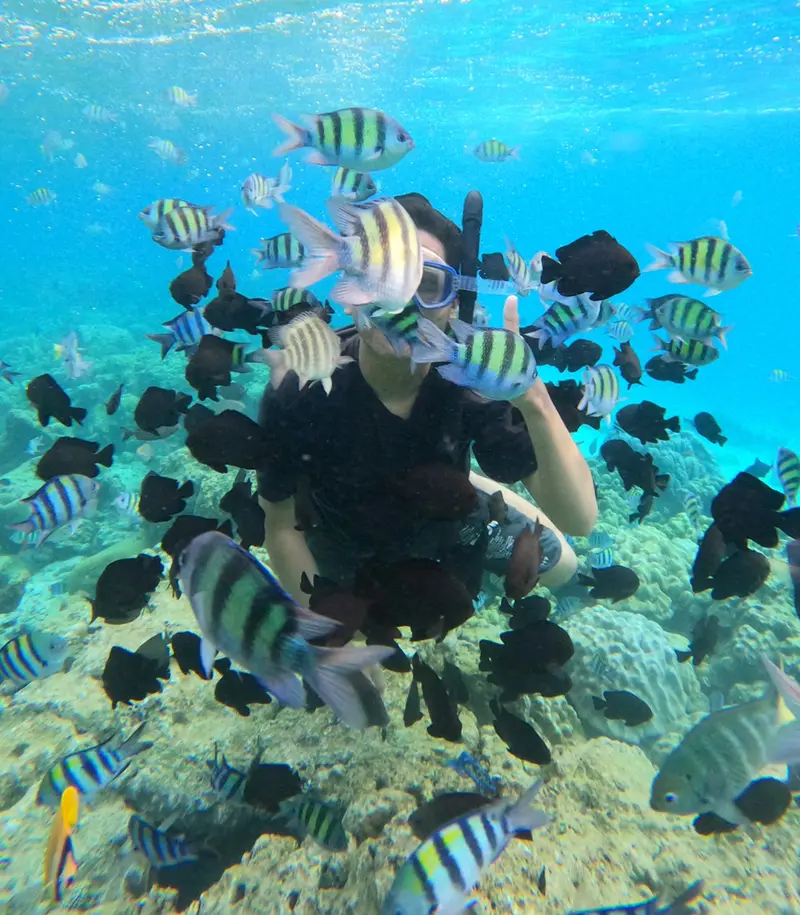
    Small island off Iboih with reefs and many fish, accessible from the shore or by a short boat ride.
    Open in Google Maps
    Kilometer Zero
    Historic Landmark

    Kilometer Zero

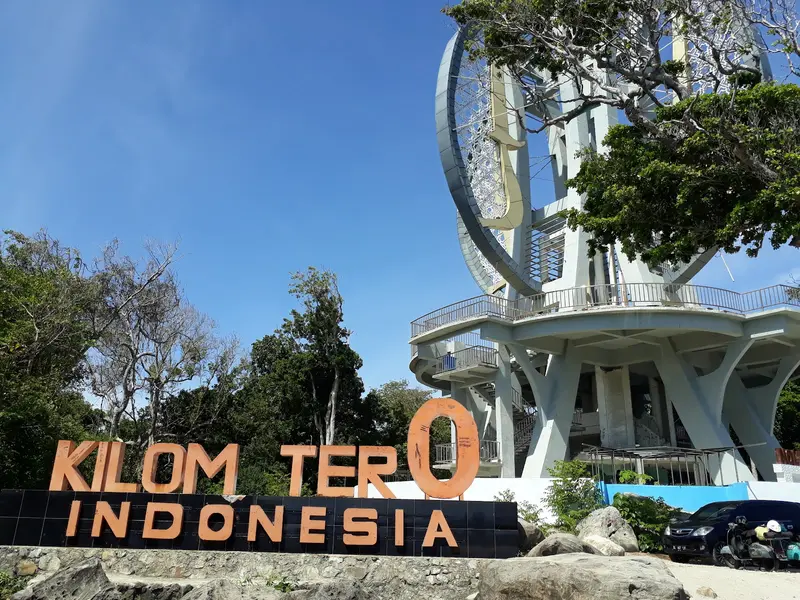
    Monument on the island's northwest tip, marking Indonesia's westernmost point. Along the forest path, you often see monkeys.
    Open in Google Maps
    Iboih
    Attraction

    Iboih

    Village with bungalows and dive schools on a quiet bay, the main draw for most island visitors.
    Open in Google Maps
    Pantai Gapang
    Attraction

    Pantai Gapang

    Small sandy beach south of Iboih with dive schools and waterside restaurants.
    Open in Google Maps
    Pantai Sumur Tiga
    Attraction

    Pantai Sumur Tiga

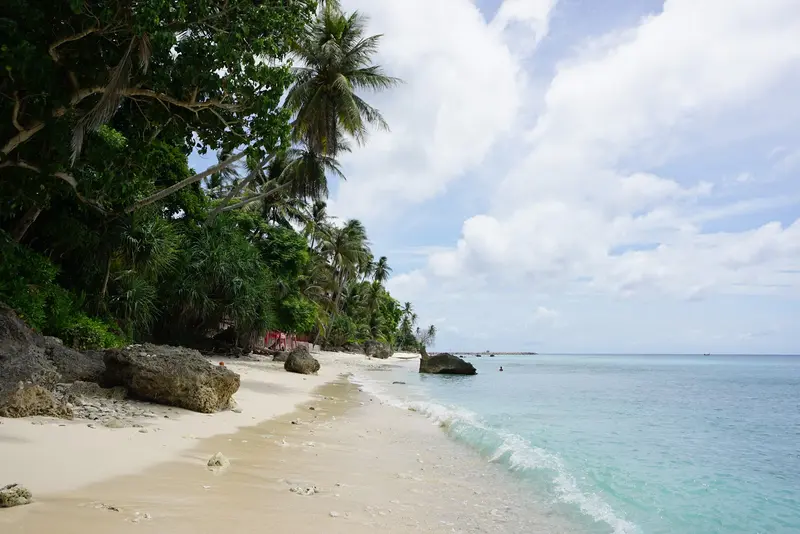
    White sand beach on the East Coast near Sabang, ideal for swimming.
    Open in Google Maps

    Sights in Pulau Weh

    Discover the most important sights and attractions
    Pulau Rubiah
    Attraction

    1Pulau Rubiah

    Small island off Iboih with reefs and many fish, accessible from the shore or by a short boat ride.
    Open in Google Maps
    Kilometer Zero
    Historic Landmark

    2Kilometer Zero

    Monument on the island's northwest tip, marking Indonesia's westernmost point. Along the forest path, you often see monkeys.
    Open in Google Maps
    Iboih
    Attraction

    3Iboih

    Village with bungalows and dive schools on a quiet bay, the main draw for most island visitors.
    Open in Google Maps
    Pantai Gapang
    Attraction

    4Pantai Gapang

    Small sandy beach south of Iboih with dive schools and waterside restaurants.
    Open in Google Maps
    Pantai Sumur Tiga
    Attraction

    5Pantai Sumur Tiga

    White sand beach on the East Coast near Sabang, ideal for swimming.
    Open in Google Maps

    Restaurants in Pulau Weh

    1

    La Boca Chica Restaurant

    Small restaurant on the west coast of the island, in the Iboih area.
    Show on Google Maps
    2

    Mi Bakso Siti

    Humble noodle and bakso spot in the island's north.
    Show on Google Maps

    Dining and Drinks

    Mie Aceh

    Spicy noodles with seafood or beef, available everywhere on the island and in Banda Aceh.

    Kopi Aceh

    Strong coffee, filtered through a cloth and poured with flair, in Sabang’s coffee houses.

    Octopus Satay

    Octopus skewers in peanut sauce, a specialty of Sabang.

    Best Time to Visit

    When is the best time for your trip?

    February
    March
    April
    May
    June
    July
    August
    27–28°C·80–120 mm(moderate rain)
    From February to August, it's drier with mostly calm seas. October to December sees the most rain and poorer underwater visibility.
    These values are for Banda Aceh and Sabang. It's warm throughout the year, even in drier months short showers are frequent.

    Seasons

    Jan
    Feb
    Mar
    Apr
    May
    Jun
    Jul
    Aug
    Sep
    Oct
    Nov
    Dec
    Less Humid Months
    Rain Time
    Crossing
    Best Time to Visit
    ▶Show detailed monthly data
    MonthTemp (°C)Rain (mm)Sun (h)
    January26.01606.0
    February27.0907.0
    March27.01107.0
    April28.01207.0
    May28.01107.0
    June28.0807.0
    July28.0807.0
    August28.01006.0
    September27.01406.0
    October27.01905.0
    November26.02505.0
    December26.02505.0

    Custom

    Aceh is Indonesia's only province with Sharia law. Dress modestly outside beach areas; alcohol is officially unavailable. During Ramadan, many establishments are closed during the day. Locals are hospitable, and the diving scene is international. Banda Aceh on the mainland was severely hit by the 2004 tsunami; a museum commemorates it.

    Getting There & Around

    Getting thereFlight: You fly to Banda Aceh, usually via Jakarta, Medan, or Kuala Lumpur.Speedboat: The Express Bahari departs from Ulee Lheue port to Balohan on Pulau Weh in under an hour.Ferry: The ASDP ferry takes around 1h 45m; tickets online via ferizy.com.On the islandOn the island, you get around by scooter, shared taxi, or ojek.

    Daytrips

    Banda Aceh

    Capital of the province with the Great Baiturrahman Mosque and the Tsunami Museum.

    Accommodations in Pulau Weh

    Find perfect stay in Pulau Weh

    Booking.com* (Affiliate link)
    Search Hotels
    Agoda* (Affiliate link)
    Search Hotels
    Airbnb
    Vacation Rentals

    * Affiliate link: if you book through it, we earn a small commission. The price stays the same for you.

    Nearby

    Bukit Lawang
    VanuitVoorburg / Wikimedia Commons / CC BY-SA 4.0

    Bukit Lawang

    Bukit Lawang on the Bohorok River is the best-known gateway to Gunung Leuser National Park. Guided jungle treks lead to semi-wild and wild Sumatra orangutans, and the return journey is often by tubing on the river.
    Similan Islands

    Similan Islands

    The Similan Islands are located approximately 60 kilometers west of the coast of Phang Nga and together form the Mu-Ko-Similan National Park. The name derives from the Malay word for “nine” and refers to the original nine main islands, which consist of rounded granite boulders and are fringed by white sandy coves.Underwater, the east side features shallow coral slopes, while the west sides consist of caves, swim-throughs, and rock formations like the Elephant Head Rock. Visibility is among the best in Thai waters, and between February and April, manta rays and occasionally whale sharks can be spotted. Many divers book multi-day trips on a liveaboard, while snorkelers visit as day guests.The National Park is closed during the monsoon months and generally reopens from mid-October to mid-May. Boats depart from Thap Lamu and Khao Lak. Overnight stays are only possible to a limited extent – in tents and simple park administration bungalows on two of the islands – and must be booked in advance. The number of visitors per day is limited.
    Andamanensee-Küste

    Andamanensee-Küste

    The Andaman Coast makes up the western side of the Thai peninsula. Its defining characteristic is the limestone cliffs that rise from the sea and the plains – undercut, often sheer, and particularly densely clustered in Phang Nga Bay.Off the coast lie the famous island groups, from Phuket and the Phi-Phi Islands, via Koh Lanta, to the distant Similans. Underwater, one encounters coral slopes and rock formations; some of the country's most abundant diving areas are located here, and several coastal sections are protected as national parks.The season is clearly structured: From November to April, it's the dry season with calm seas, while from May to October, the Southwest Monsoon brings waves and rain. During the monsoon months, many island businesses close, marine national parks like the Similans remain closed, and strong rip currents develop on some beaches – pay attention to the red flags and do not enter the water when a flag is raised.
    Phuket

    Phuket

    Phuket is Thailand's largest island and far more than just the beach resorts it's known for. The Old Town of Phuket Town, with its Sino-Portuguese shophouses, street art, and old coffee shops, tells of a time when tin was mined and traded with China here. In the south stand the Big Buddha on Nakkerd Hill and the temple Wat Chalong; along the west coast, bays line up – from lively Patong to the quieter Kata Noi and Nai Harn. Culinary-wise, the island is a destination in itself: Hokkien noodles and seafood from the night markets are part of a Southern Thai repertoire not found elsewhere. The best travel time is November to February.

    Koh Yao Noi

    Koh Yao Noi, a jewel in Phang Nga Bay, welcomes you with a relaxed atmosphere that stands in welcome contrast to the hustle and bustle of the larger islands. Here, you immerse yourself in the authentic island life of Thailand, surrounded by untouched nature, dramatic limestone cliffs, and sprawling rice fields. Let yourself be enchanted by the tranquility and discover a paradise that has preserved its authenticity.